What That Means for Doors
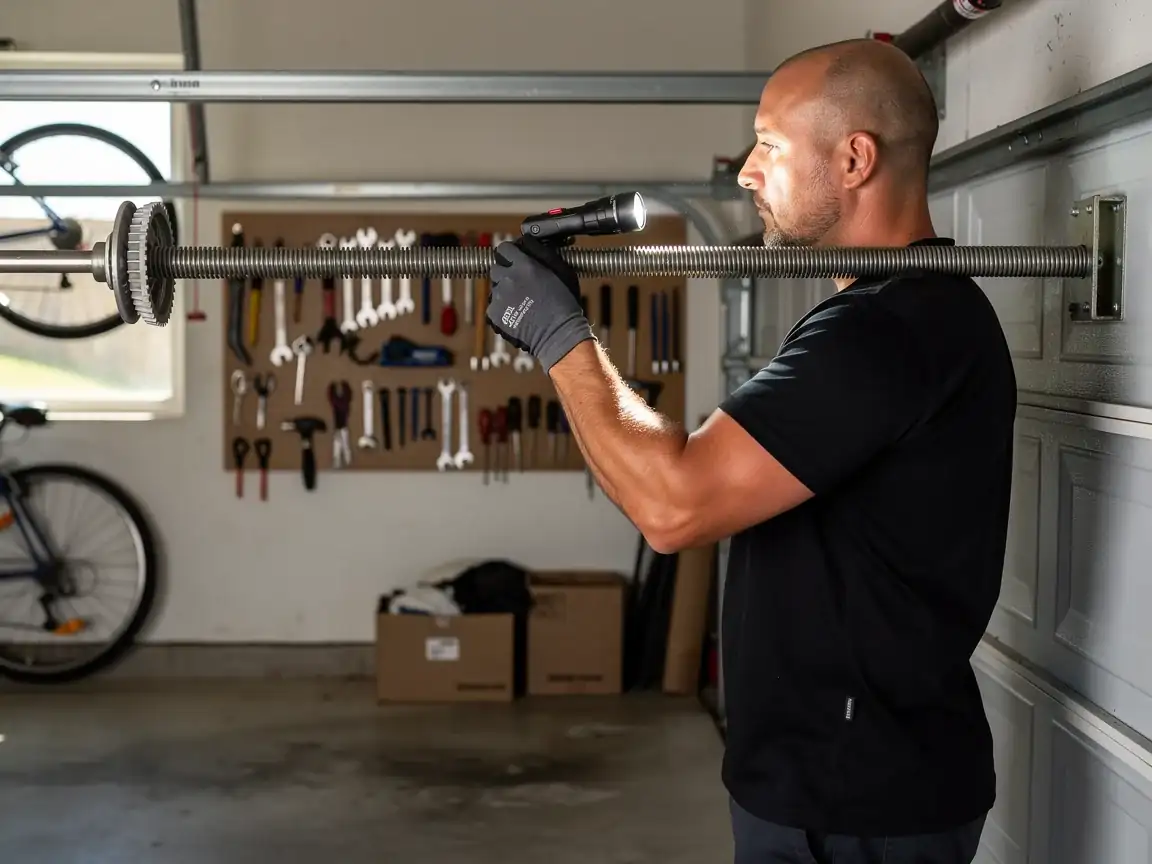
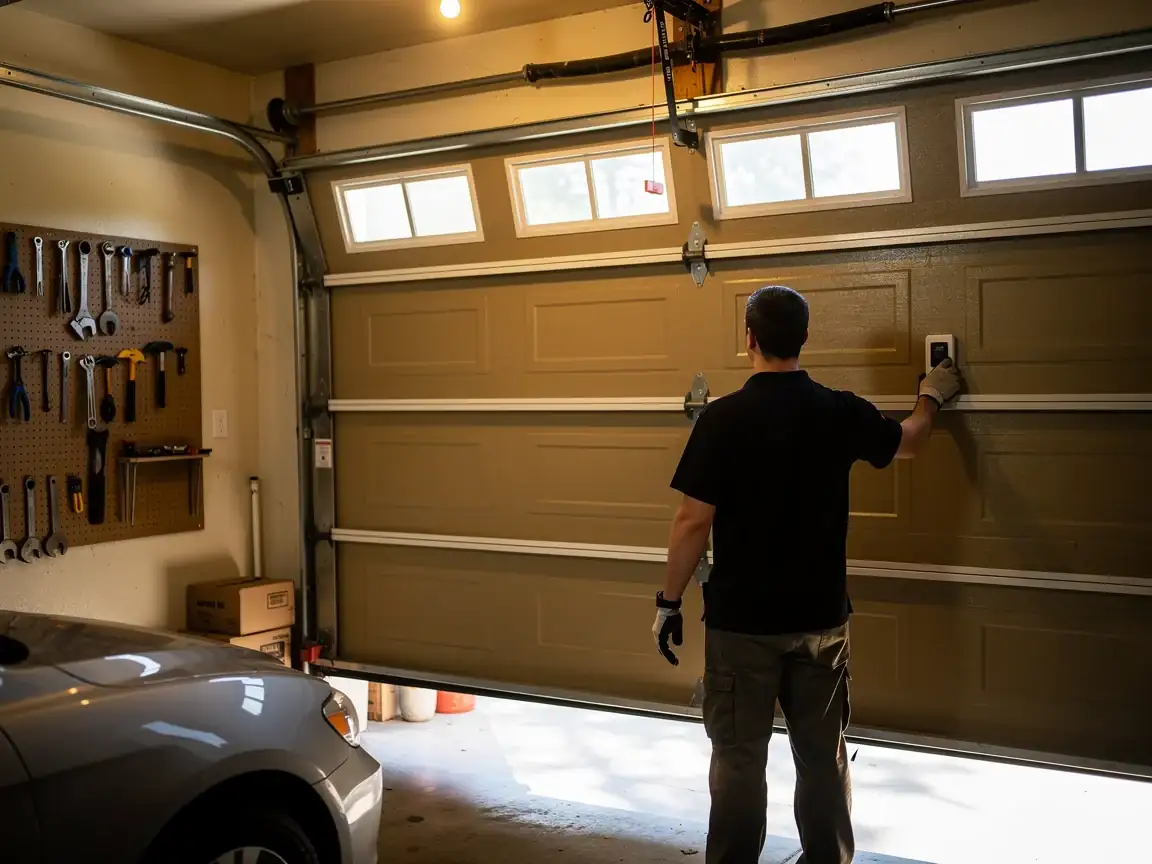
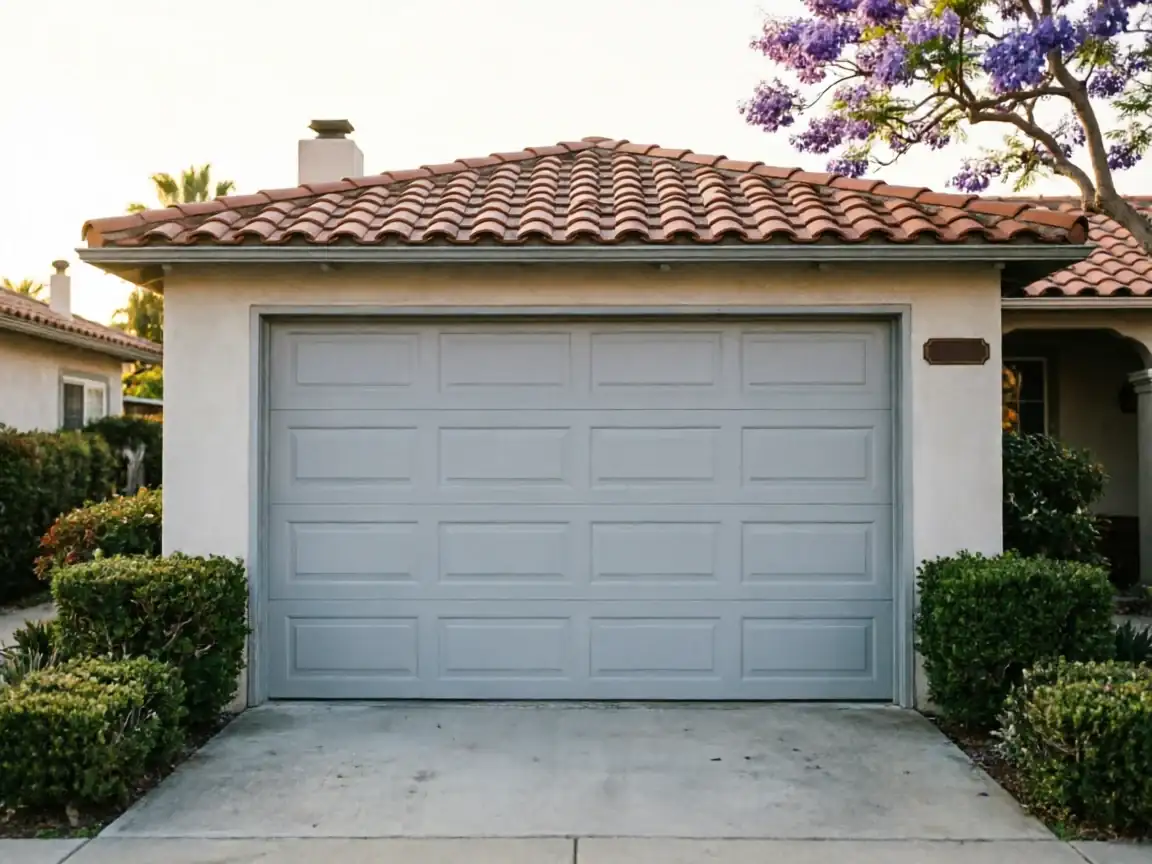
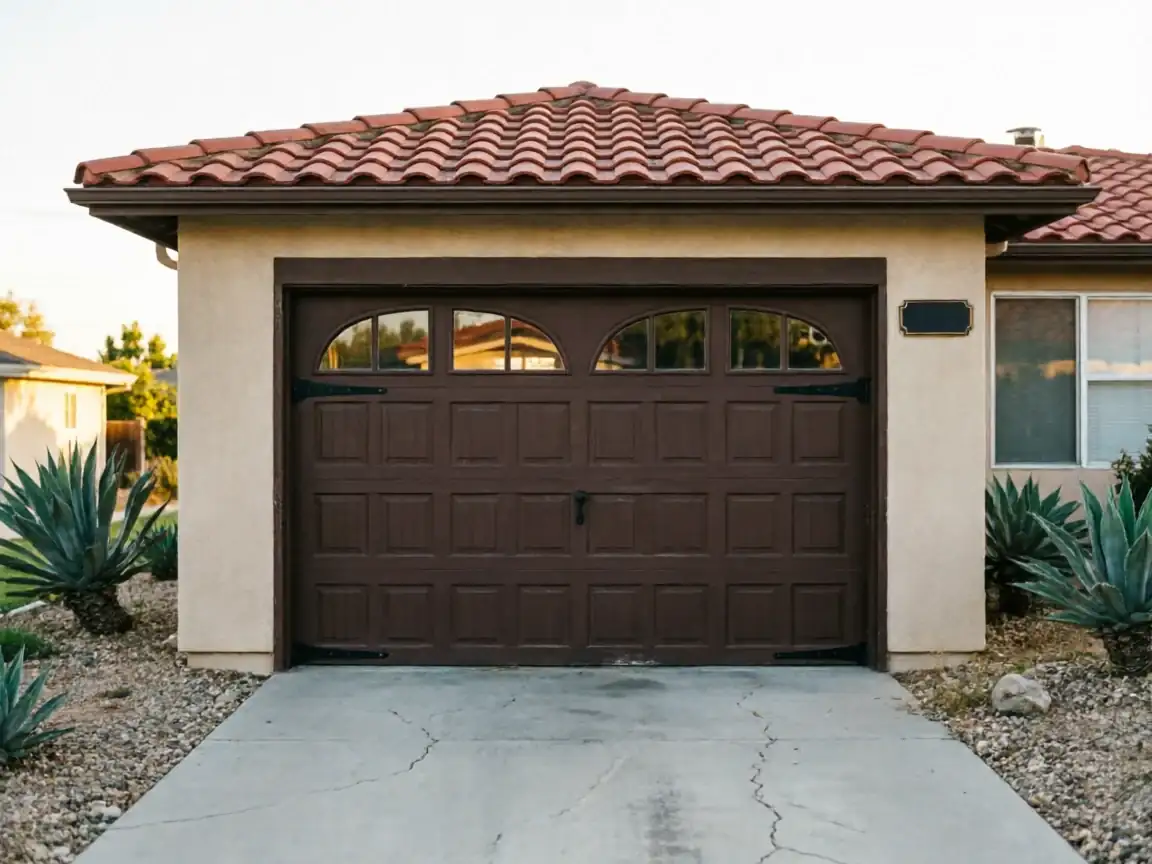
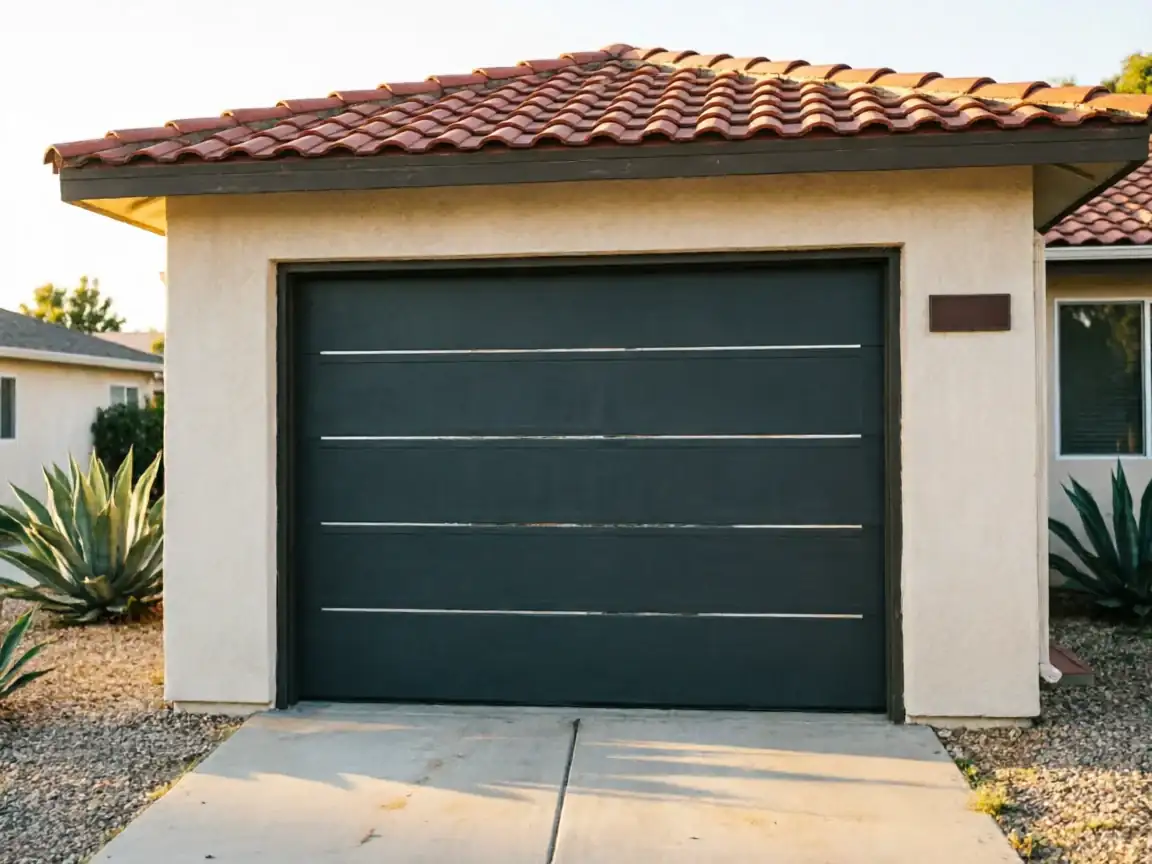
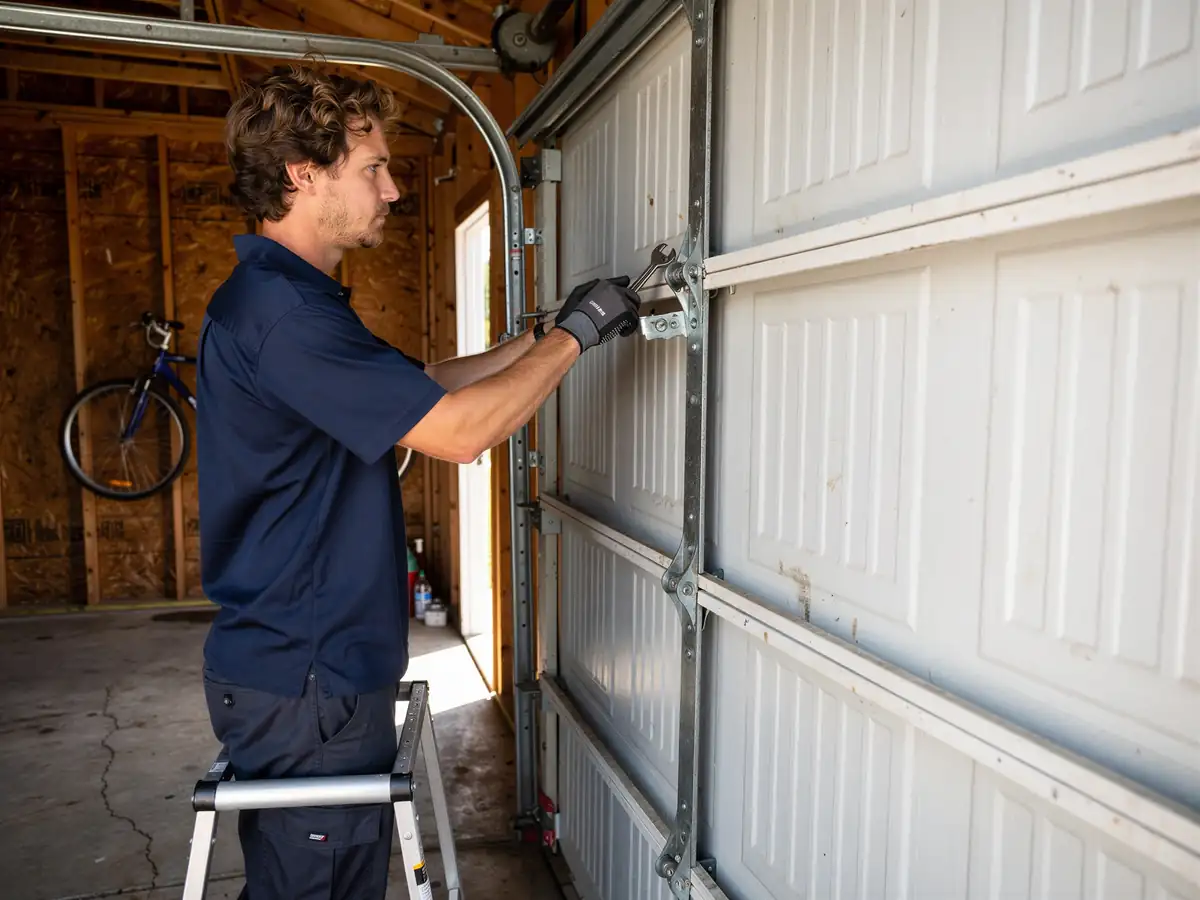
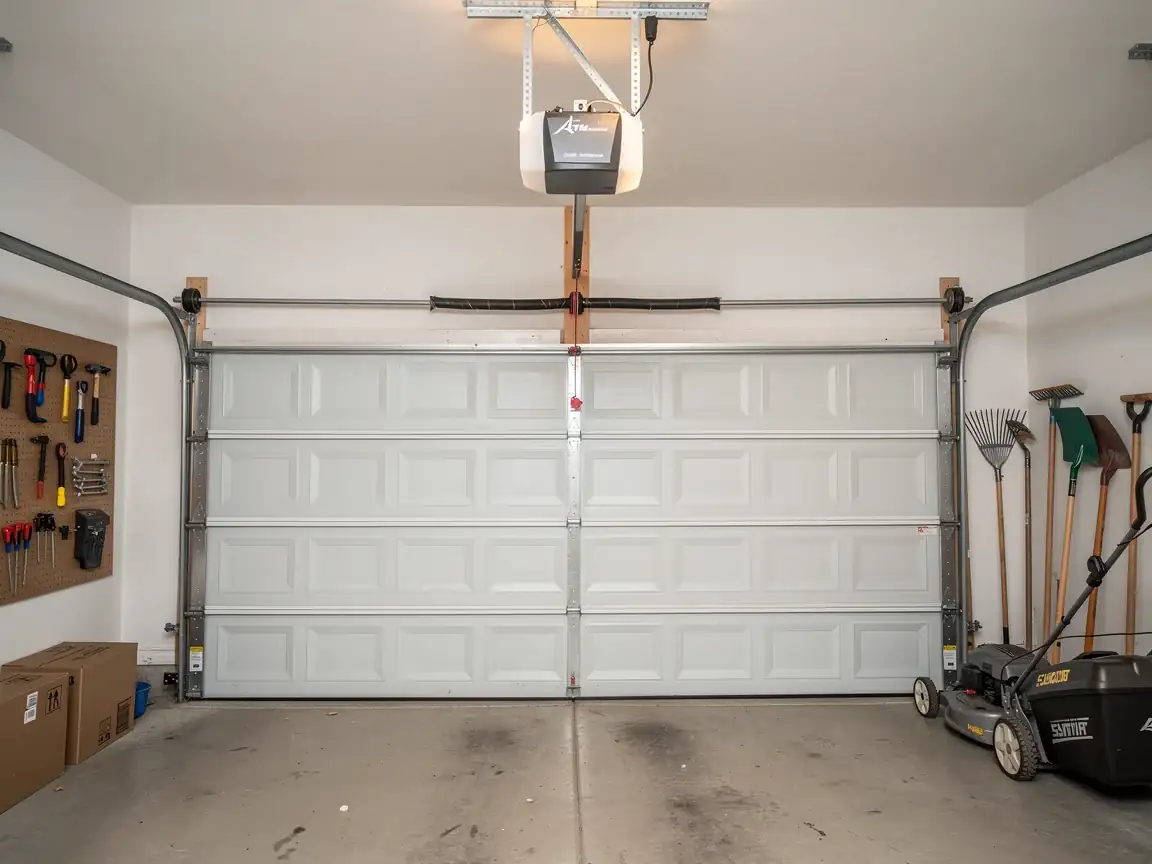
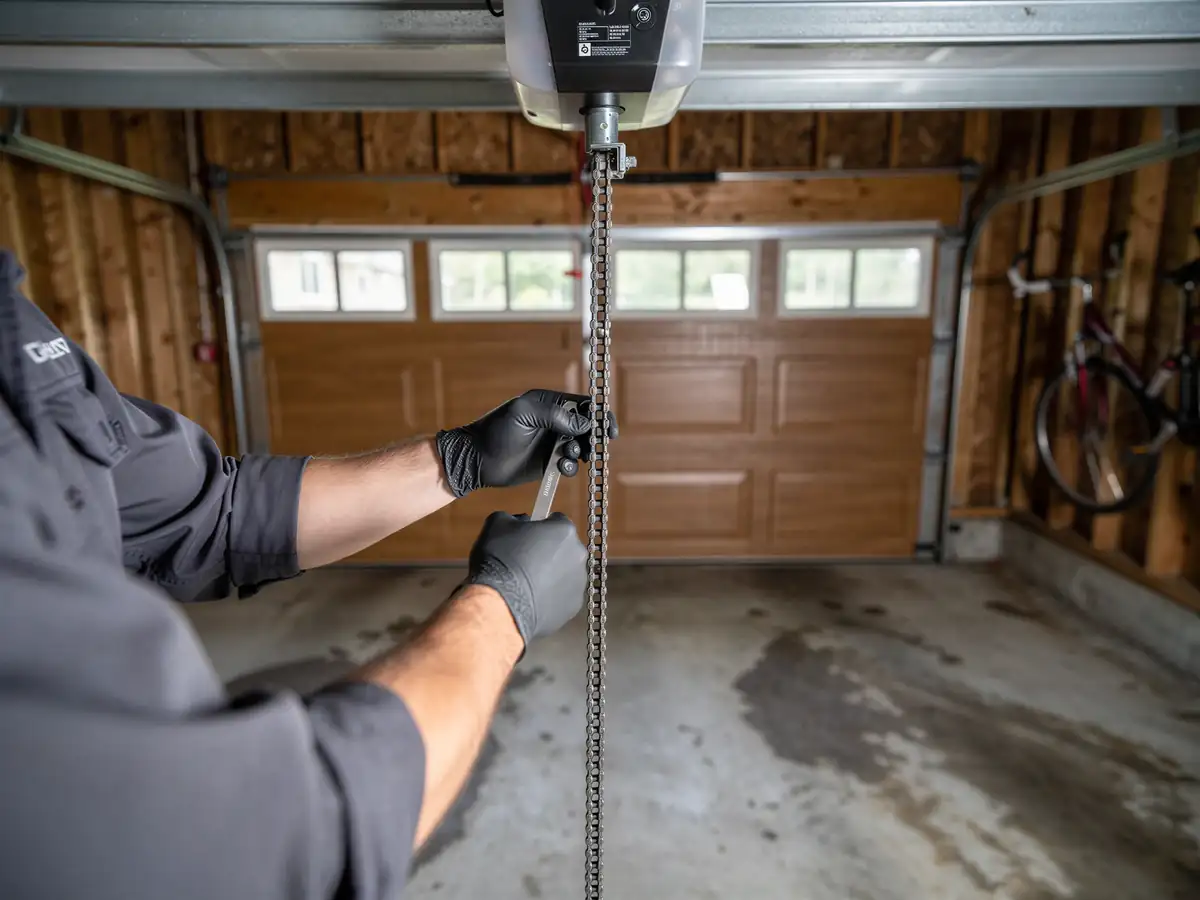
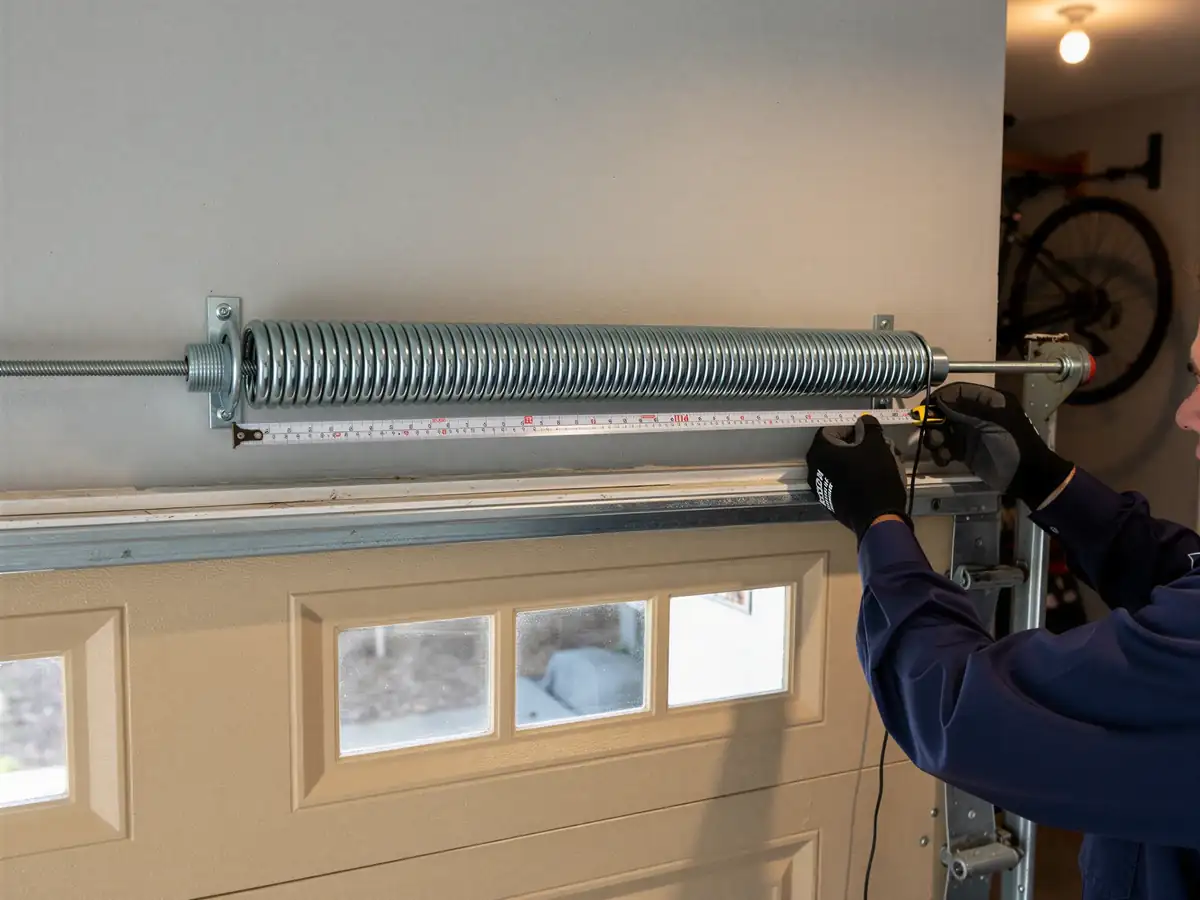
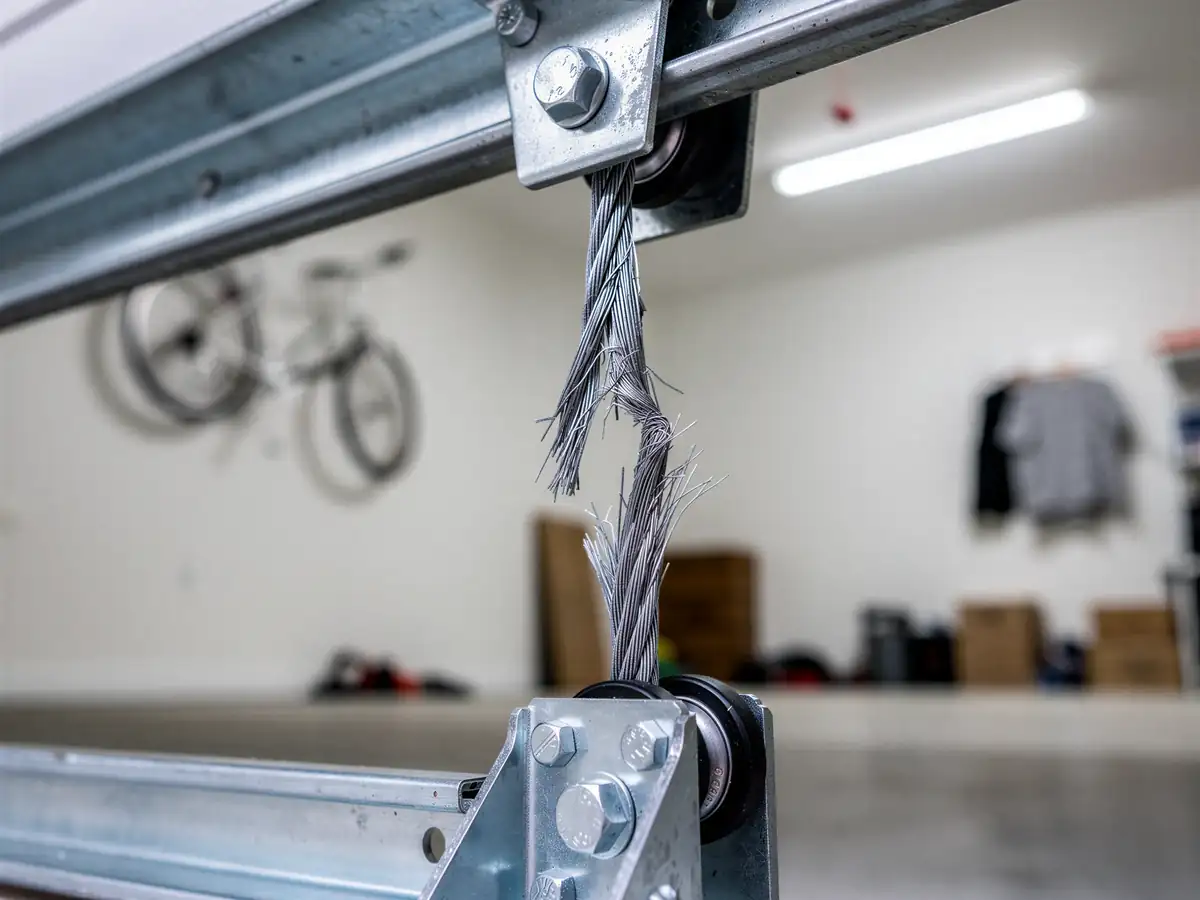
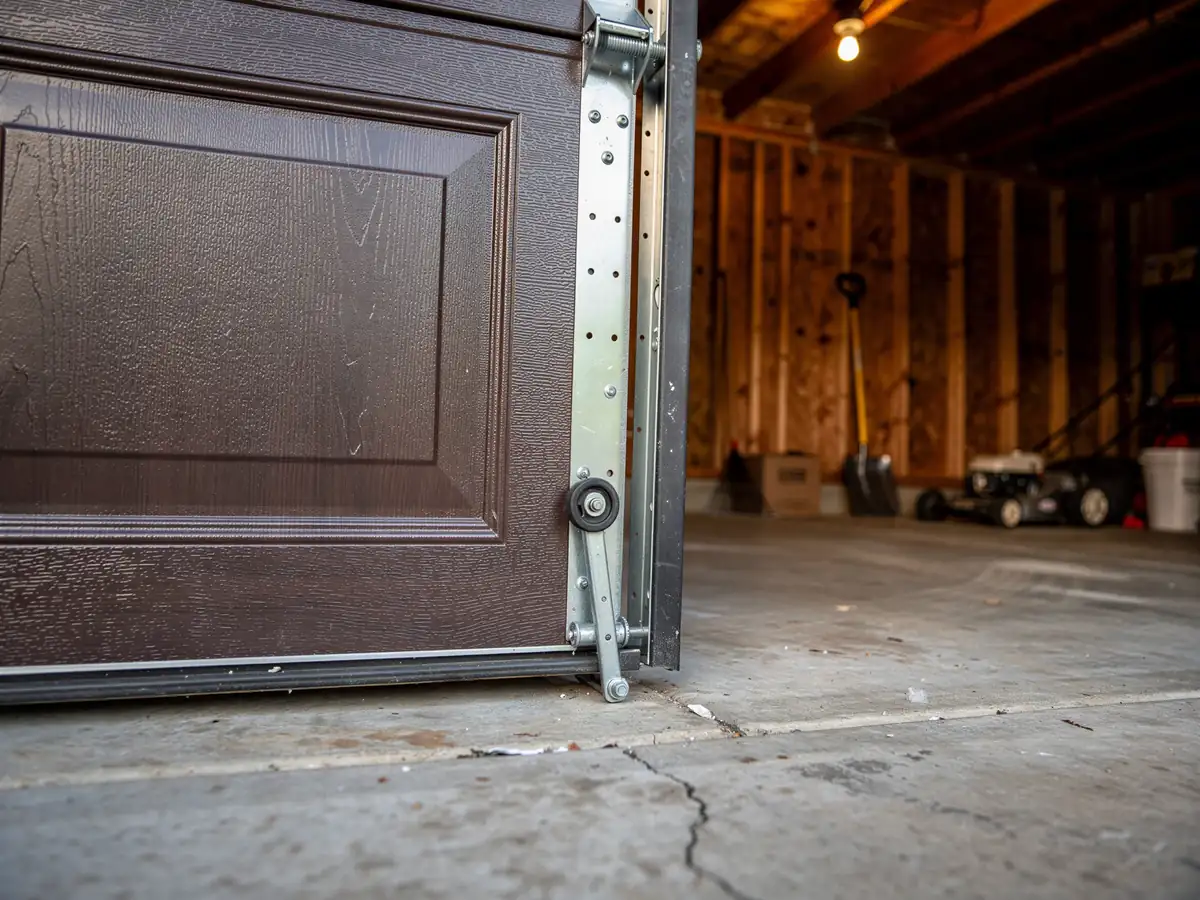
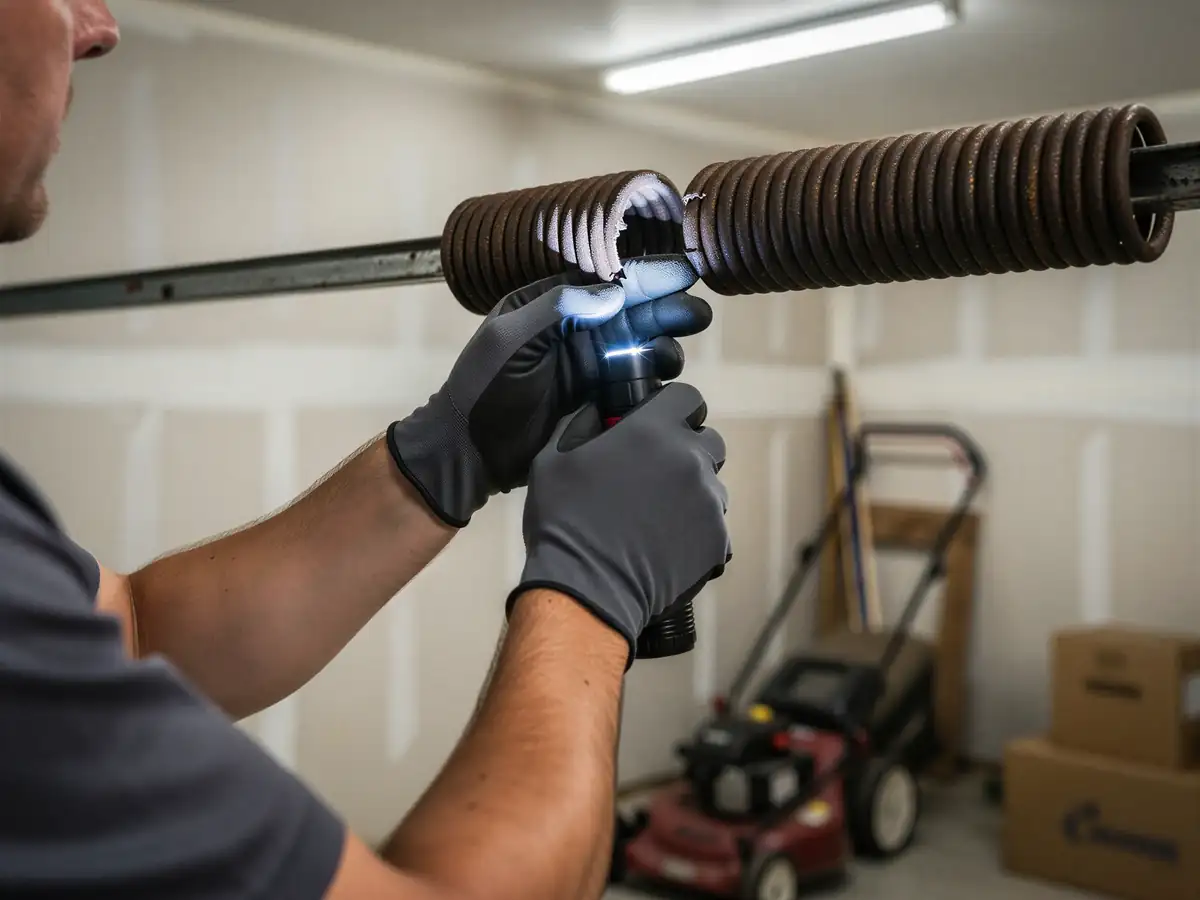
A 1975-era Newark garage usually has a single-layer steel or wood-composite door on a torsion or extension spring setup that was never upgraded past the original manufacturer spec. That matters because a lot of openers sold today are built to lift heavier insulated doors, and when you bolt one onto an old lightweight door without adjusting travel limits and force settings, the door slams or reverses for no obvious reason. We also see a fair number of extension-spring systems from this era still running without safety cables - fine for decades, but a real hazard if a cable or spring ever lets go near someone standing in the opening. Climate-wise, this area sits in a mild band with occasional freeze risk, so we're not dealing with the extreme swings that crack seals or warp panels the way harsher regions do; most wear here is mechanical fatigue from age and cycle count, not weather damage.
Older vs Newer Streets
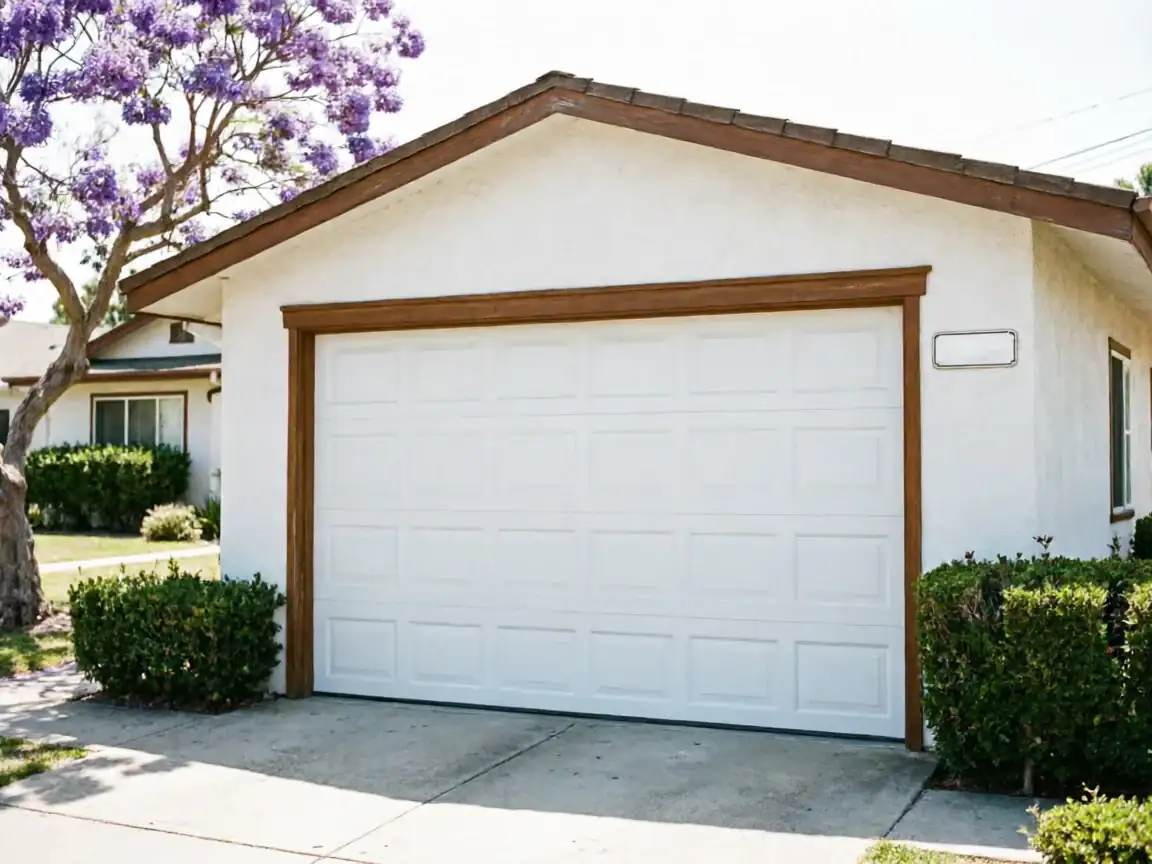
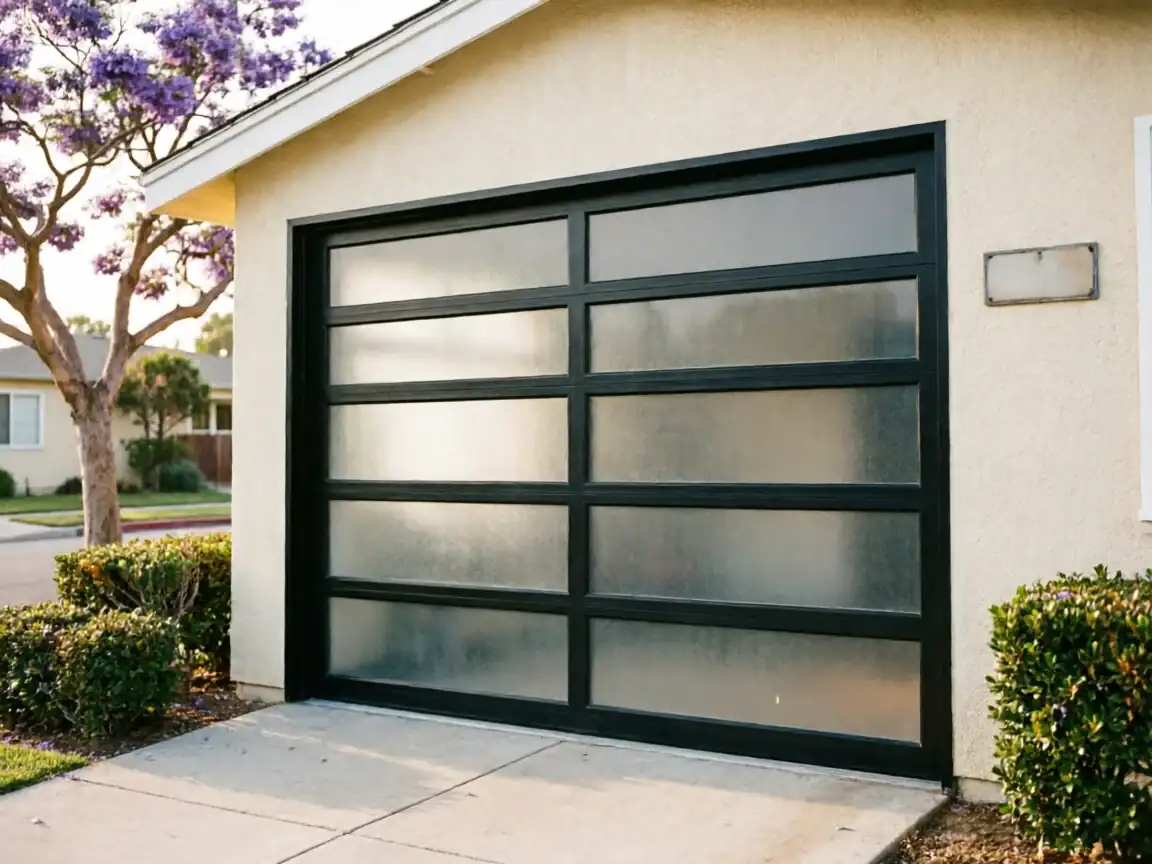
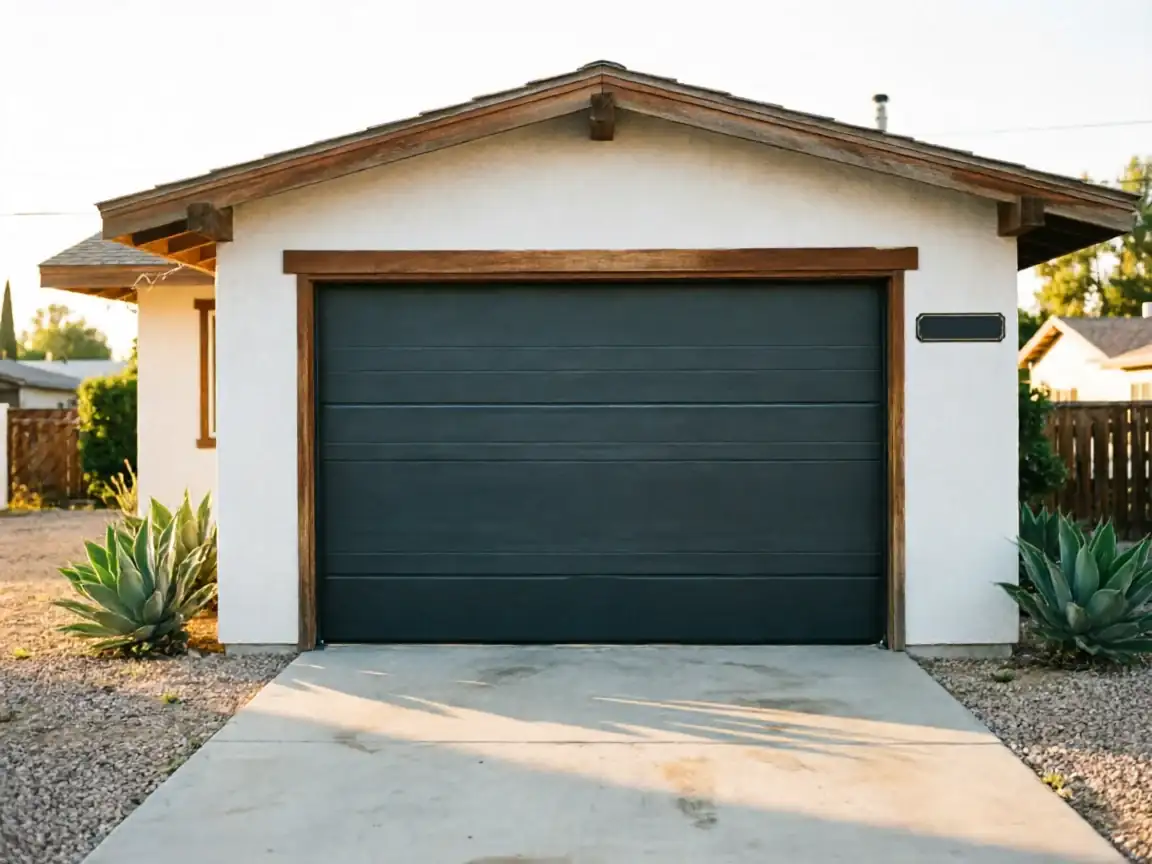
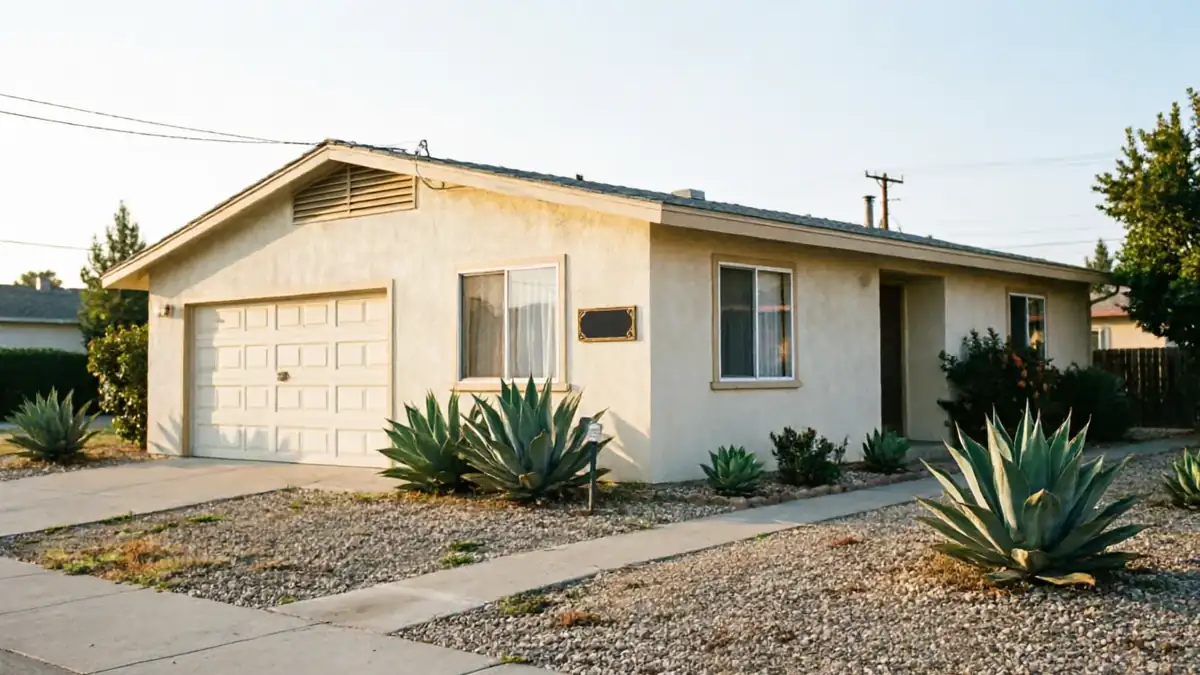
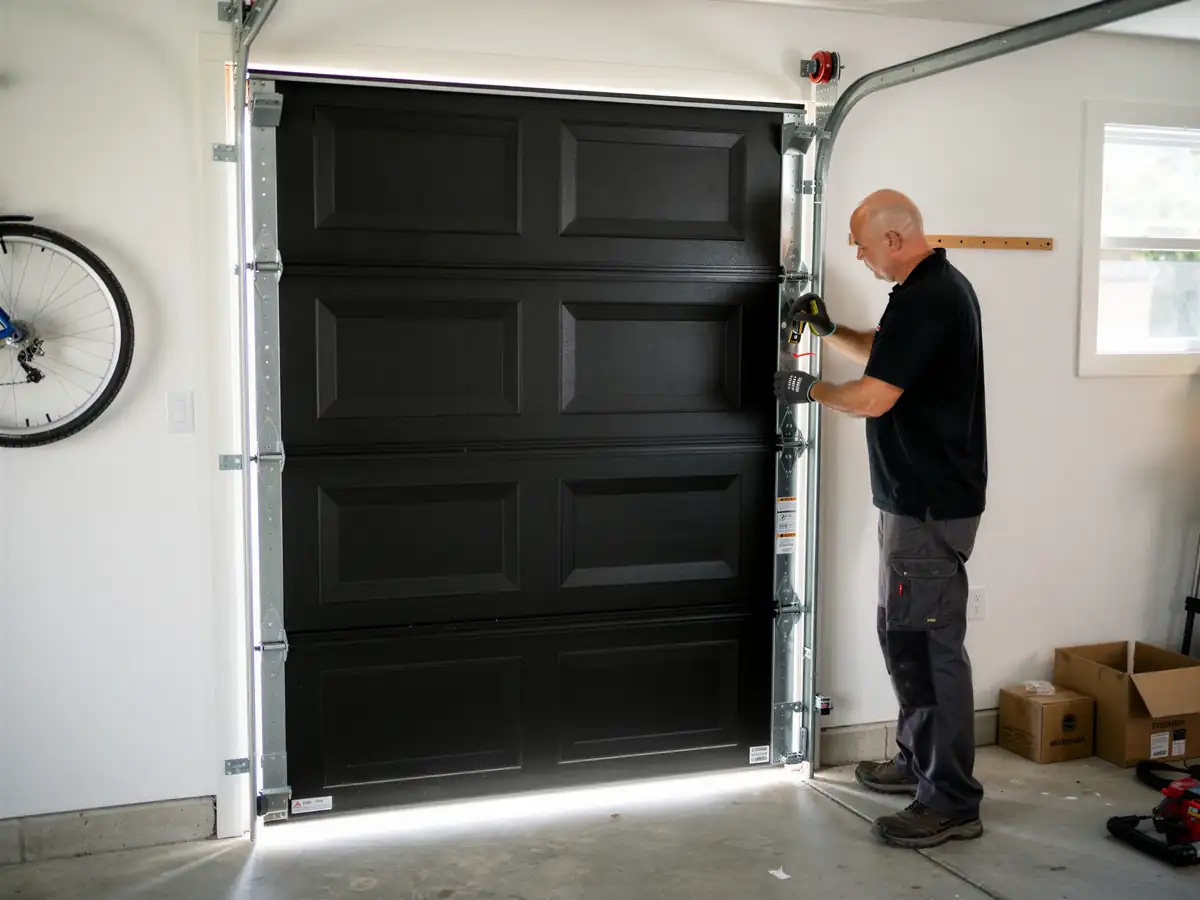
Not every block in this area dates to the same stretch. The broader service territory spans houses from 1938 clear through 2008, with the heaviest concentration in 1960s and 70s stock, and Newark's own median of 1975 puts it right in that window - slightly past the thick of the 1960s wave but before the 1980s and 90s infill that shows up elsewhere in the region. On the older streets, you're more likely to find original steel sectional doors still running on their factory hardware, sometimes with rollers that have never been replaced. On the newer end of the local mix, doors are more often aftermarket replacements from the 2000s, paired with openers that have safety sensors but may still be the first generation installed when the door was swapped in. Knowing which decade a given street falls into helps us guess what we're walking into before we even open the truck.