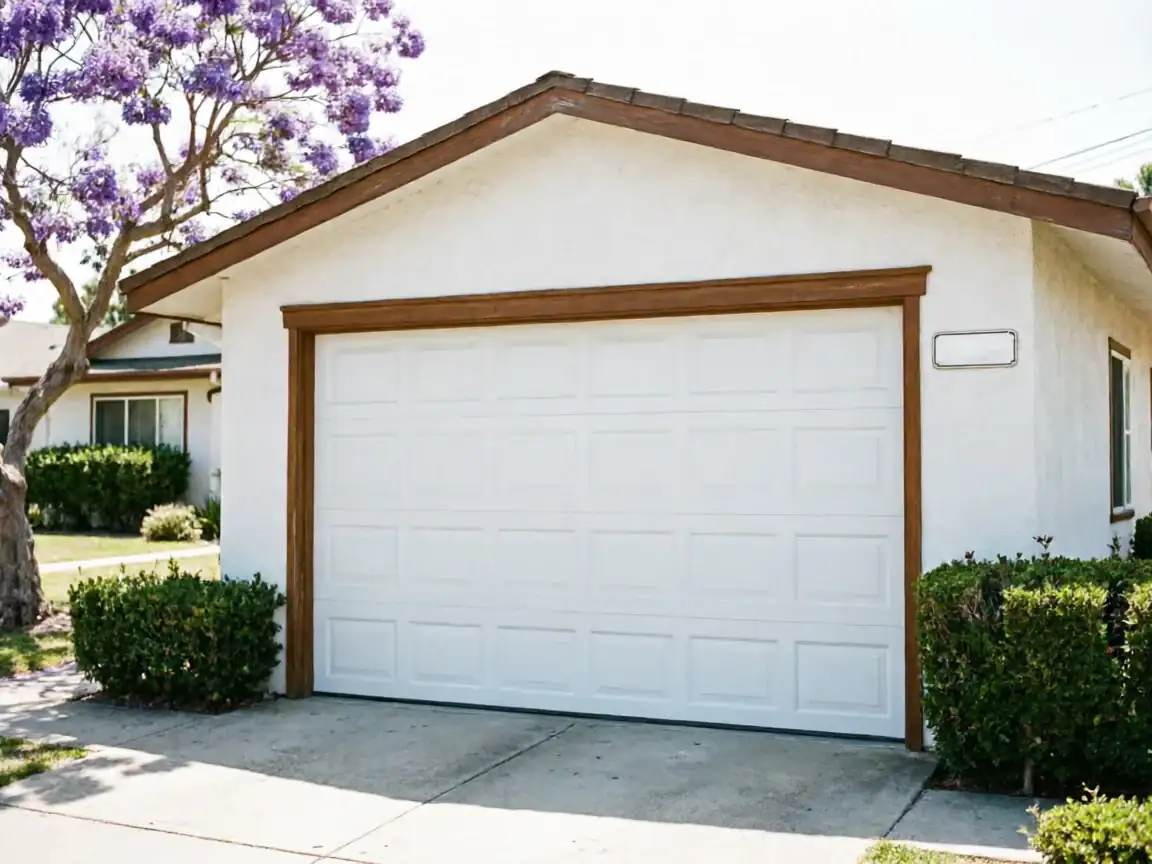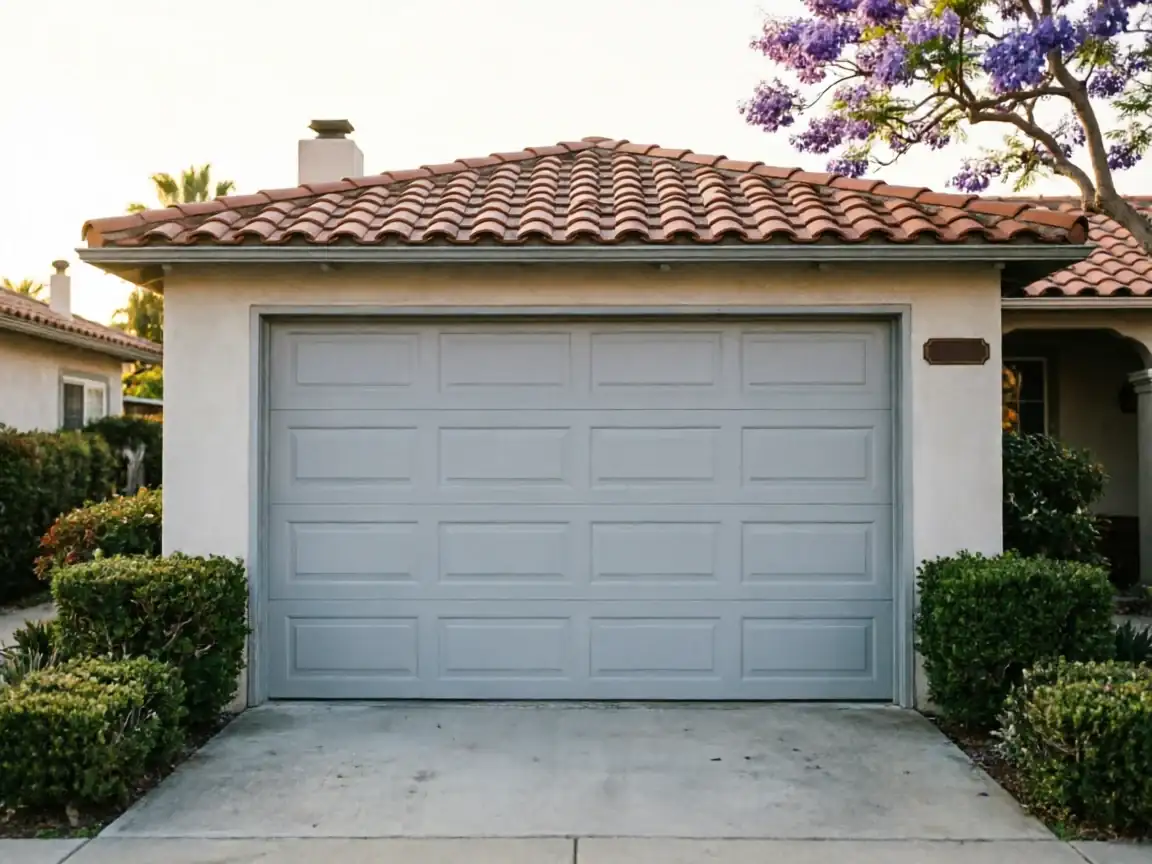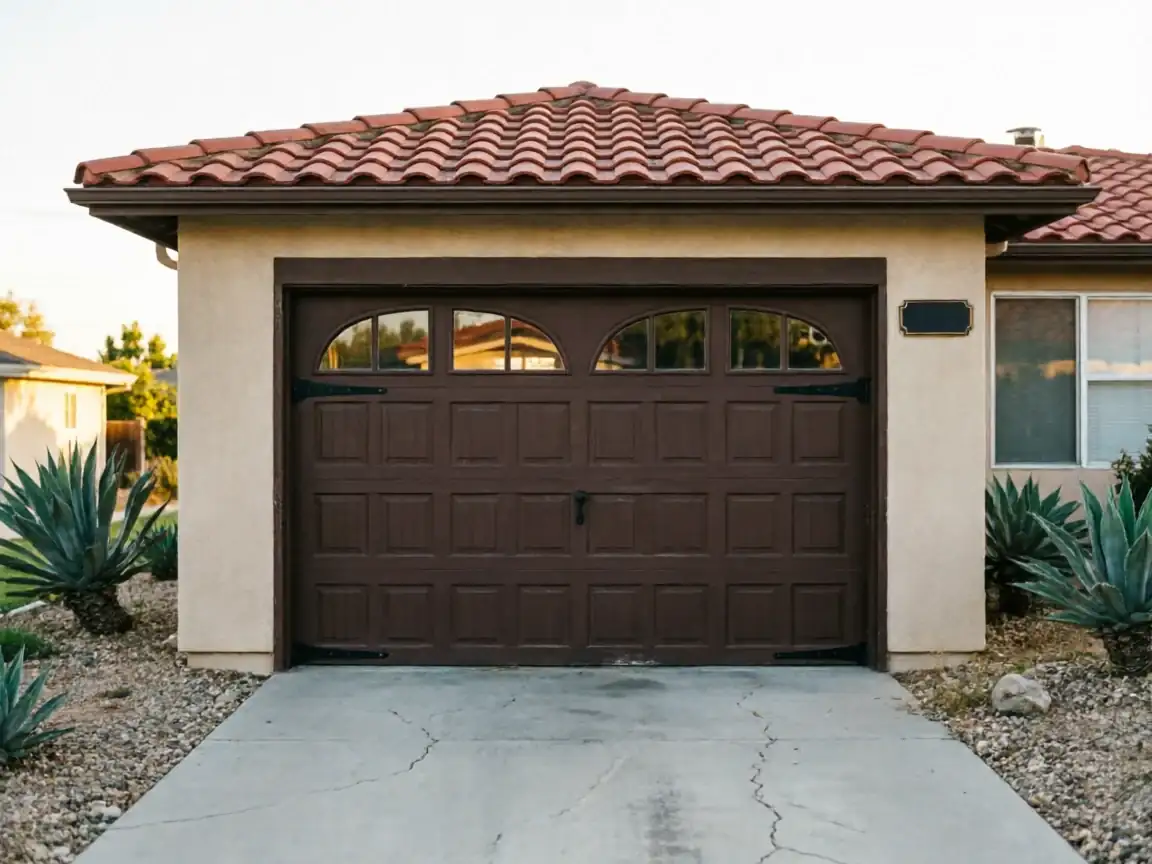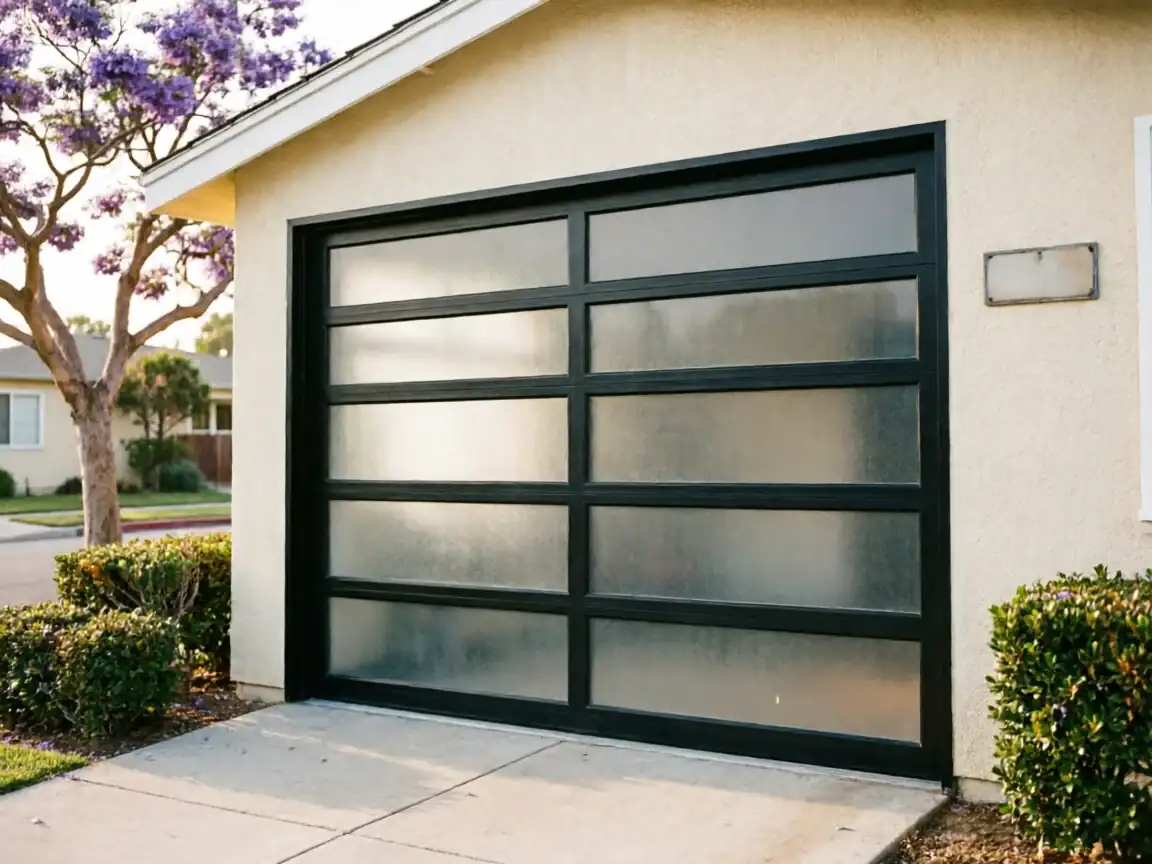
The Cost of This Job
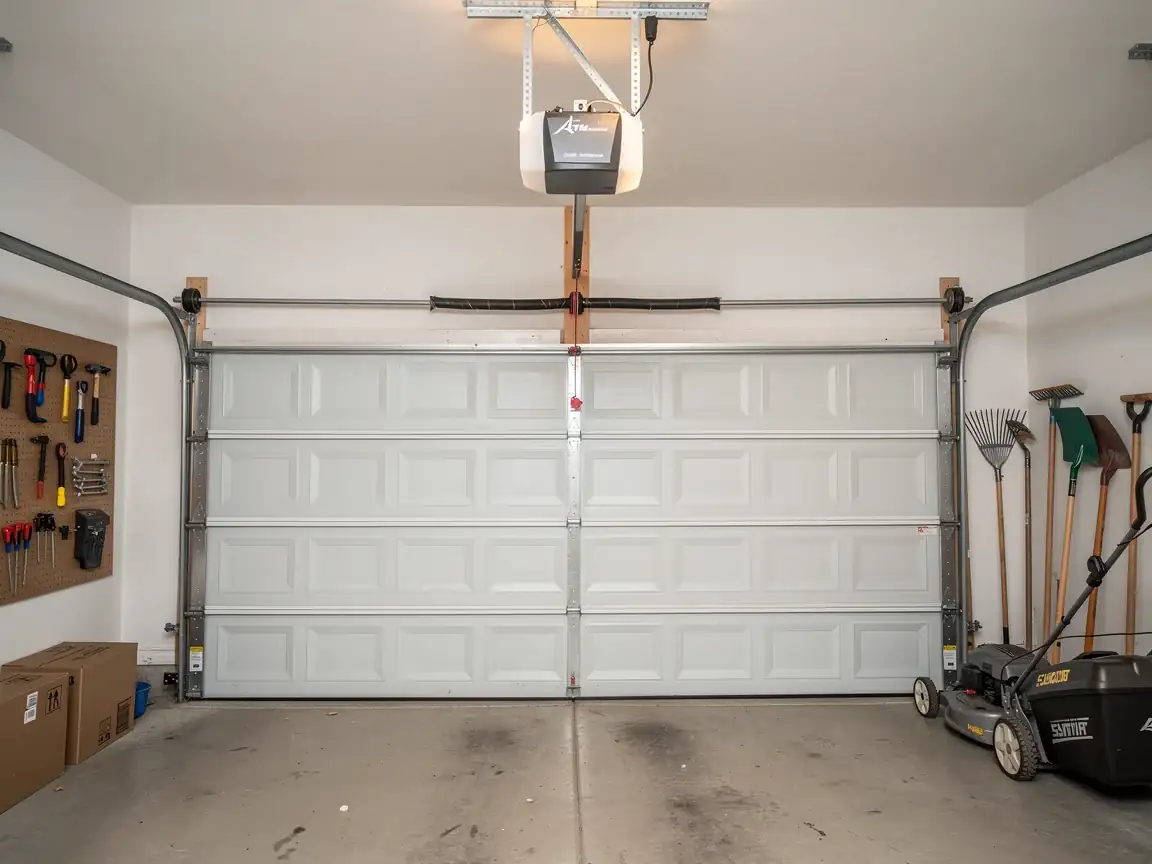
We don't have a Newark-specific price list to quote, and we're not going to invent one. What we can tell you is that median household income in the broader service area sits at $146,657, while Newark itself runs higher at $164,909 - which generally means owners here are more likely to spec insulated steel or wood-composite doors over the bare minimum, and more likely to add a quieter belt-drive opener instead of the cheapest chain unit. Installation cost always comes down to door material, insulation level, window inserts, and whether the opener gets replaced at the same time. A straight swap on an existing 16-foot double opening costs less than a full teardown where we're also replacing bent track or resetting the header. We'll give you a real number after we see the opening and the condition of what's there now - not before.
Can You Do This Yourself
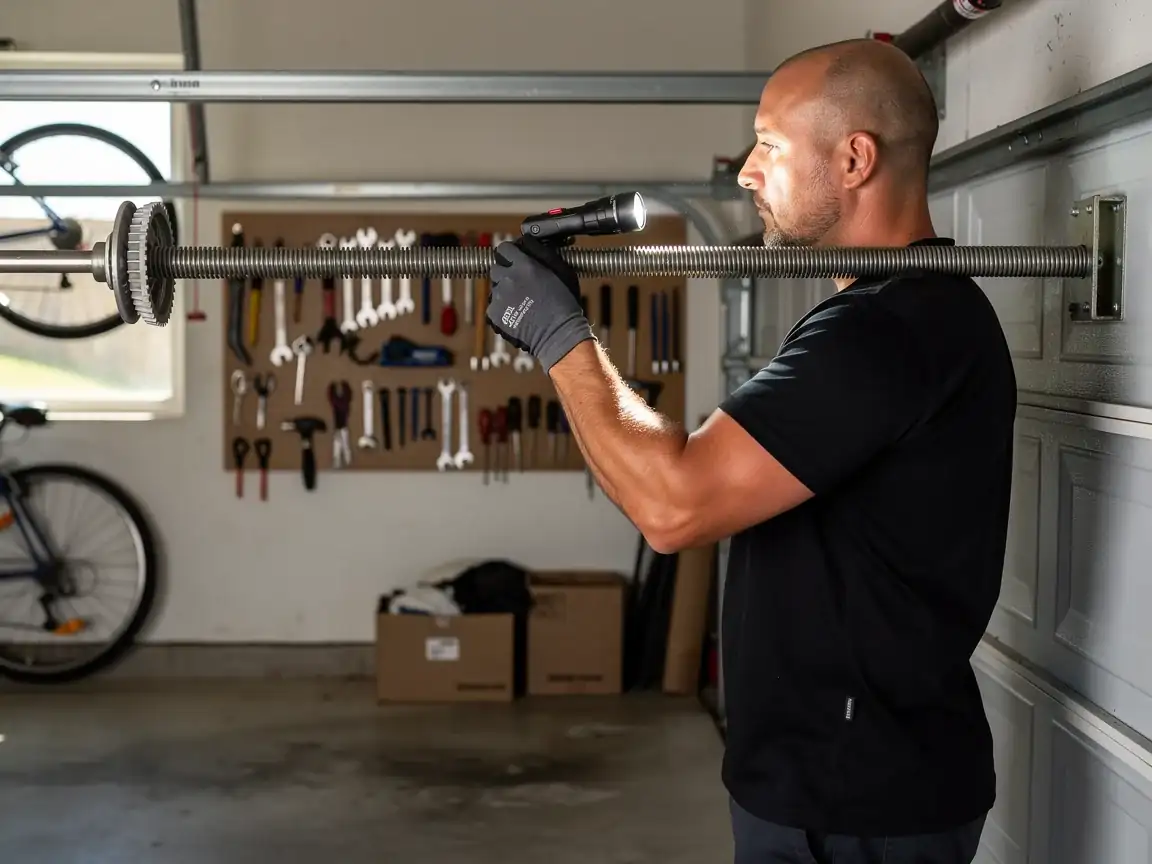
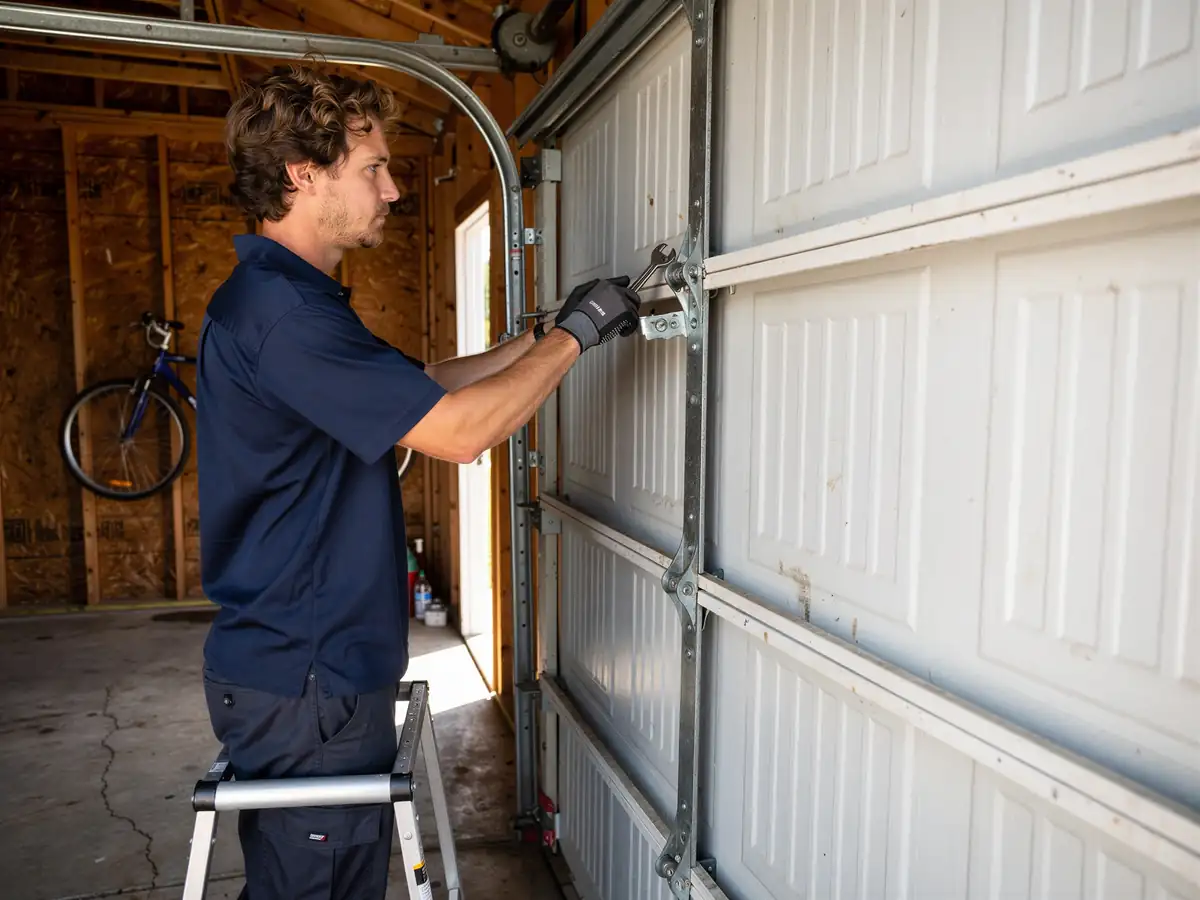
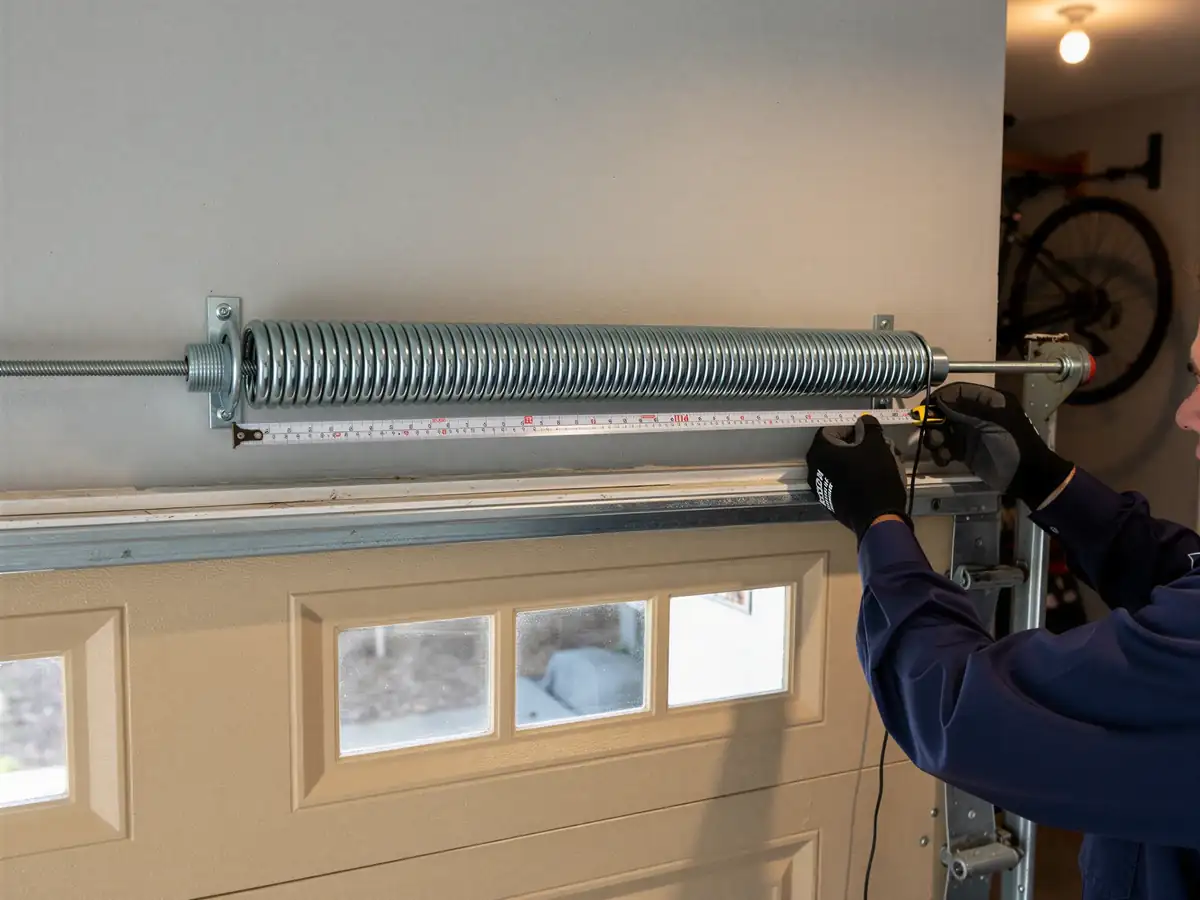
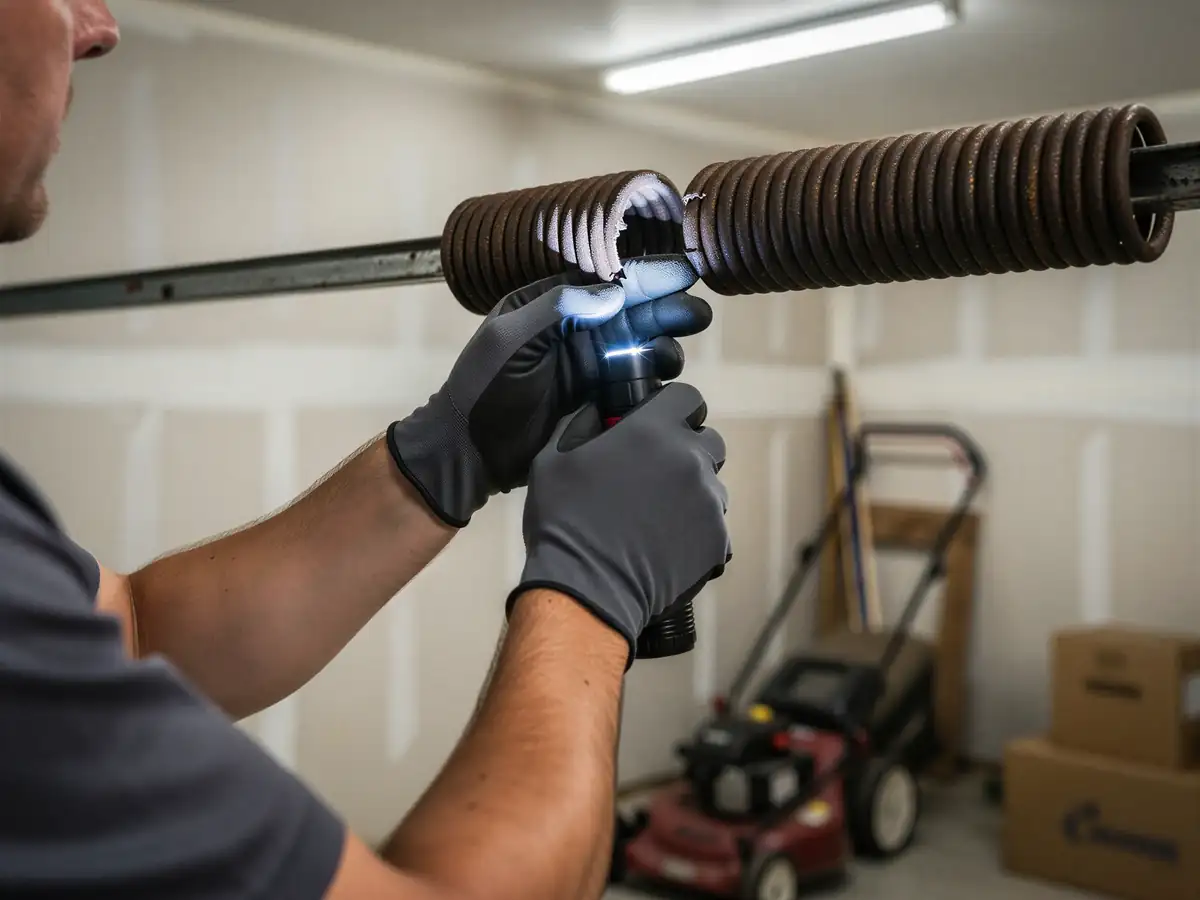
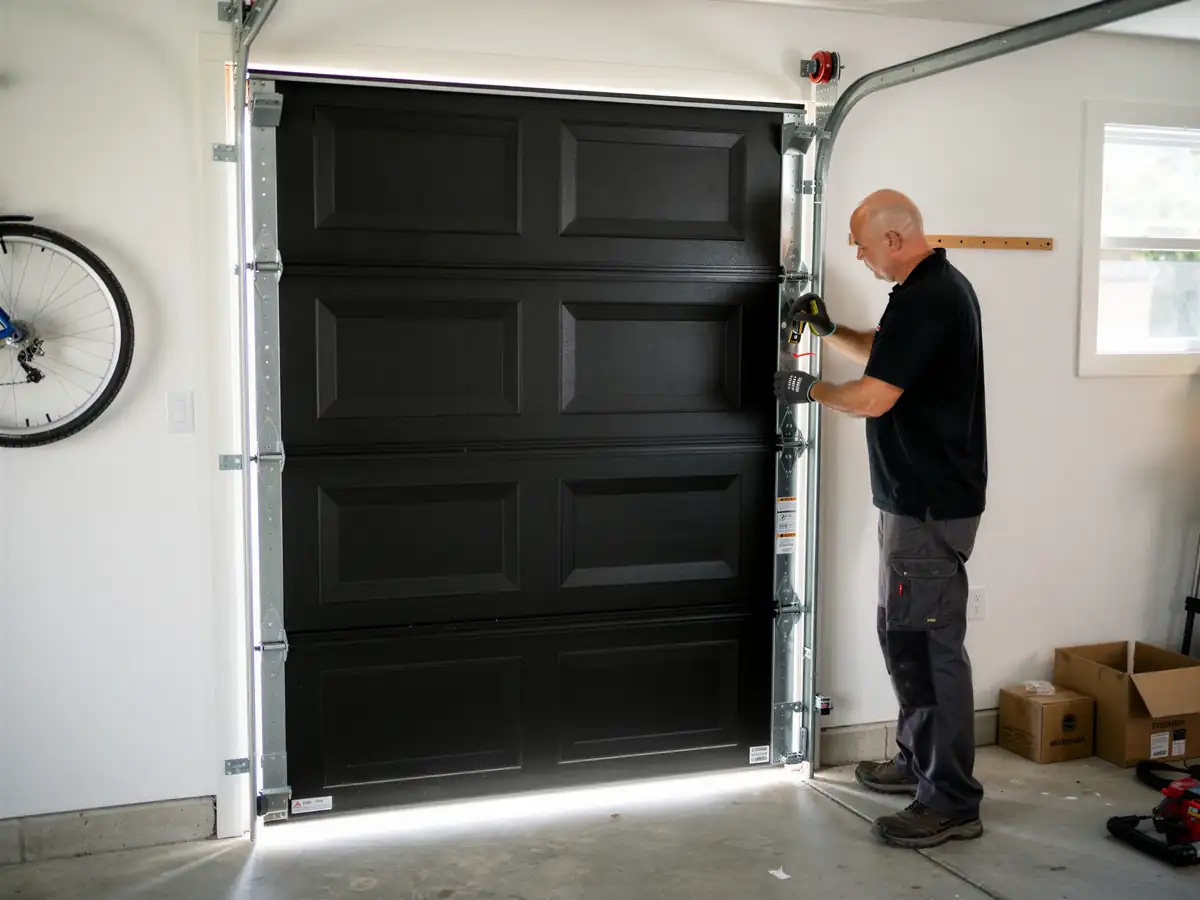
A new door install is not a weekend bolt-on job, and we'll say that plainly. Hanging panels, squaring the track, and setting spring tension on a torsion system is dangerous work - a wound torsion spring under tension has put people in the hospital. If you're handy and want to do prep work, you can clear the opening, remove the old door panels yourself, and have the opening ready, which can shave labor time. But setting the new track plumb, balancing the door so it holds at any point when disconnected from the opener, and torquing the spring to the right turn count for the door's weight is where DIY installs go wrong. We'd rather talk you through what to expect than have you figure out mid-job that the opening isn't square - which happens more than you'd think in houses from the 1975 era, where decades of settling have shifted the frame slightly out of true.
Where This Job Goes Sideways
The most common surprise on an install in a house from the 1975 era is the header above the opening. Framing lumber sizing and door weight expectations have shifted since then, and a new heavier insulated door sometimes needs a reinforced header or additional bracing the old lightweight door never required. The second surprise is the opening itself being slightly out of square - not enough to notice by eye, but enough that a new door won't seat evenly against the old jamb trim without some shimming. Neither of these is common enough to assume on every job, but they're common enough that we check for both before we quote a final number, not after the door's already on the truck.