Can You Do This Yourself
If the door is only off track on one side and still sits in the opening
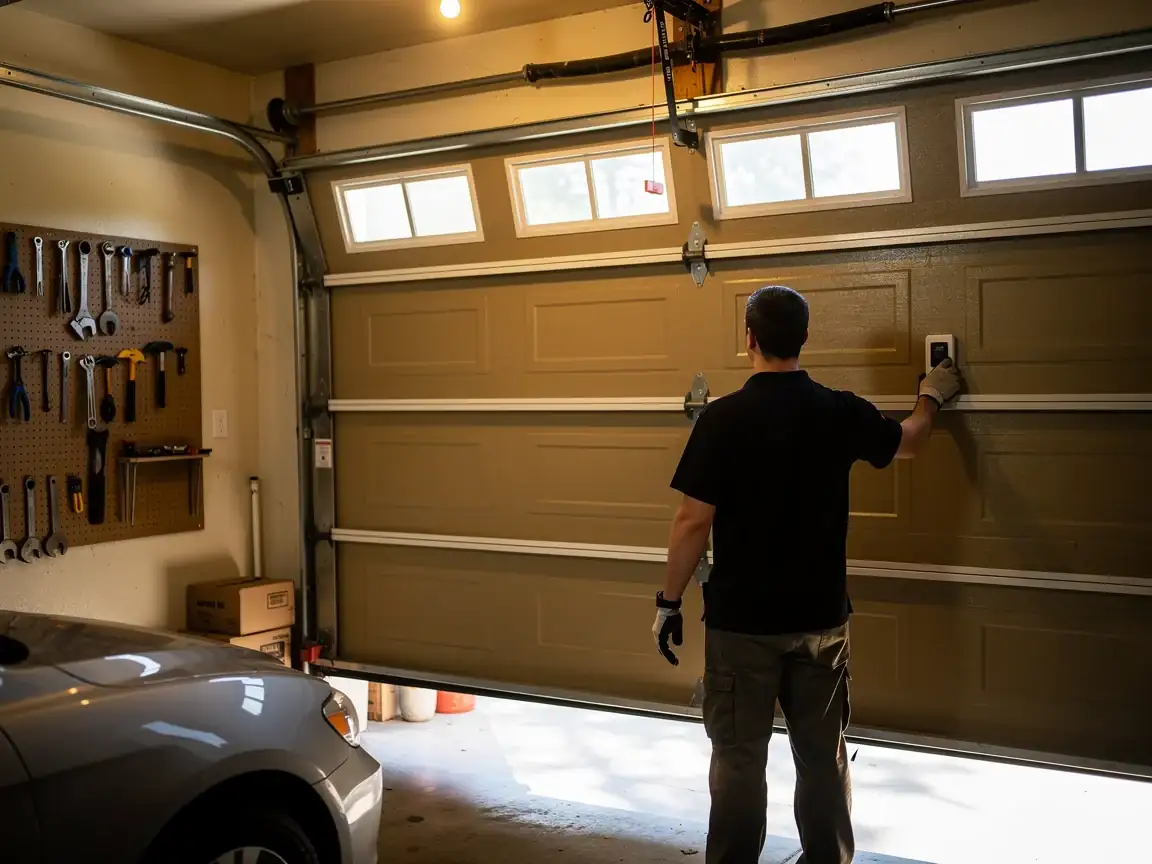
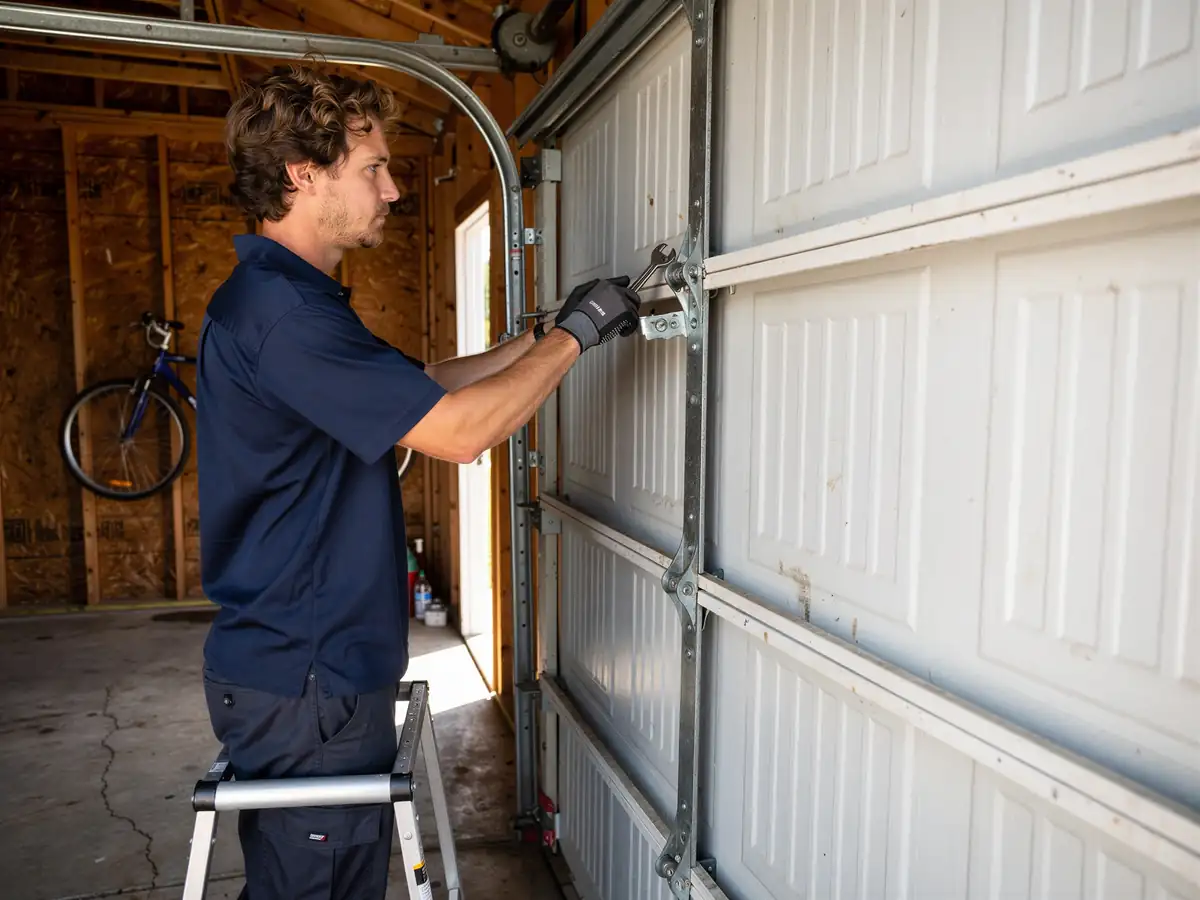
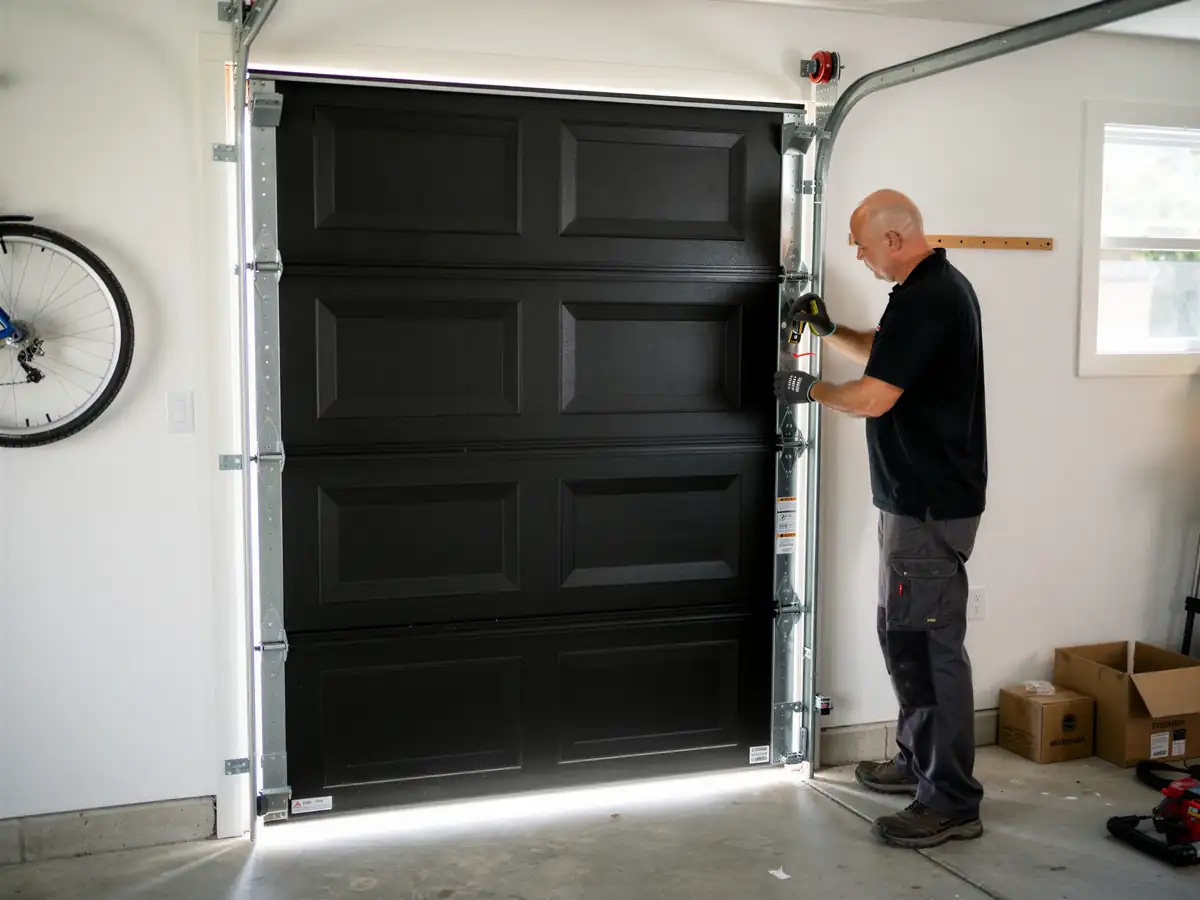
You can sometimes nudge it back by loosening the track bracket bolts, squaring the track against the wall, and retightening. That works when the rollers are intact and the cable hasn't jumped the drum.
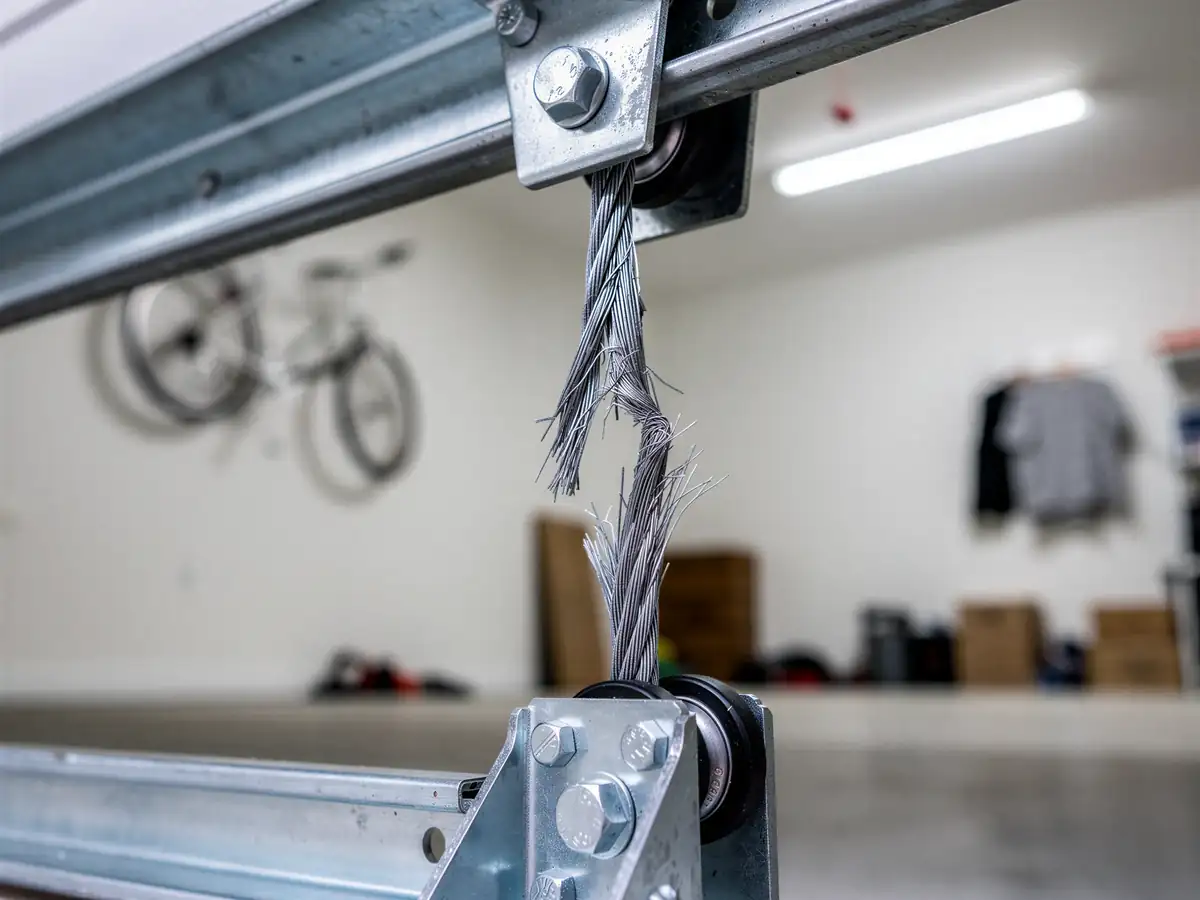
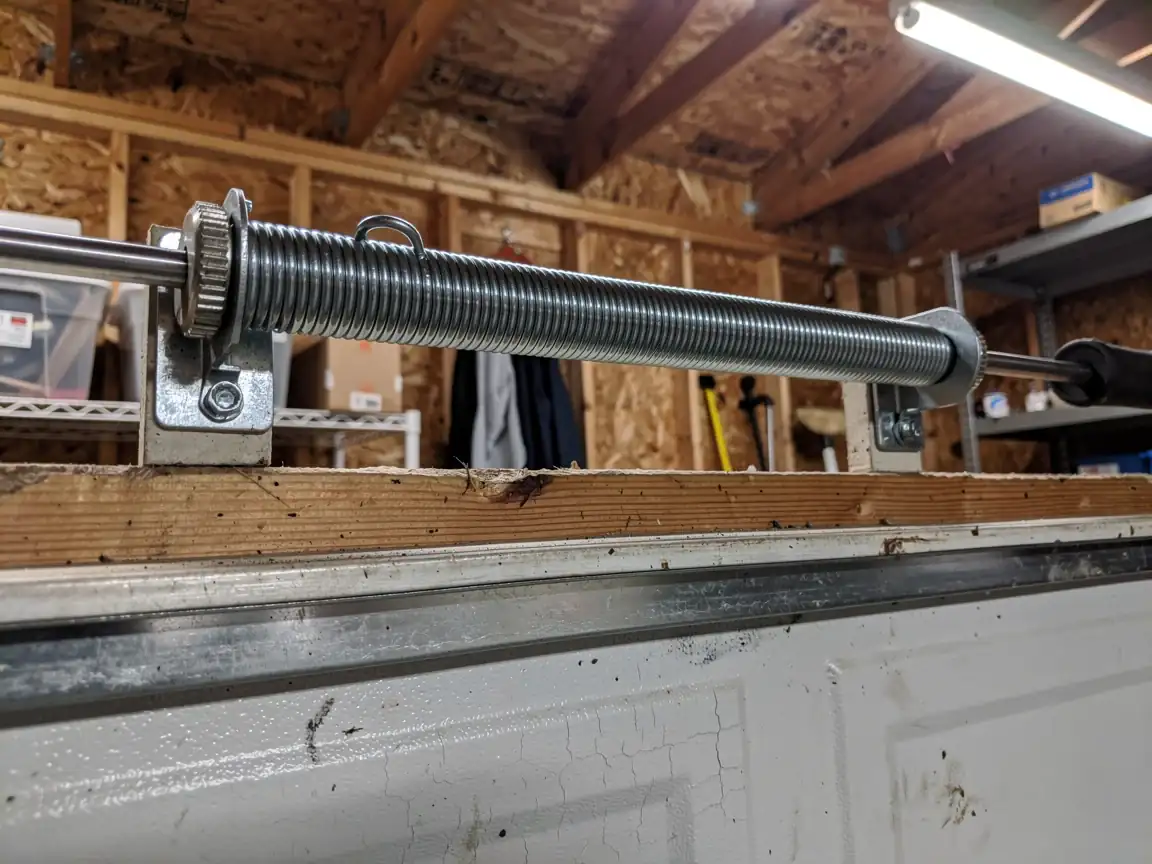
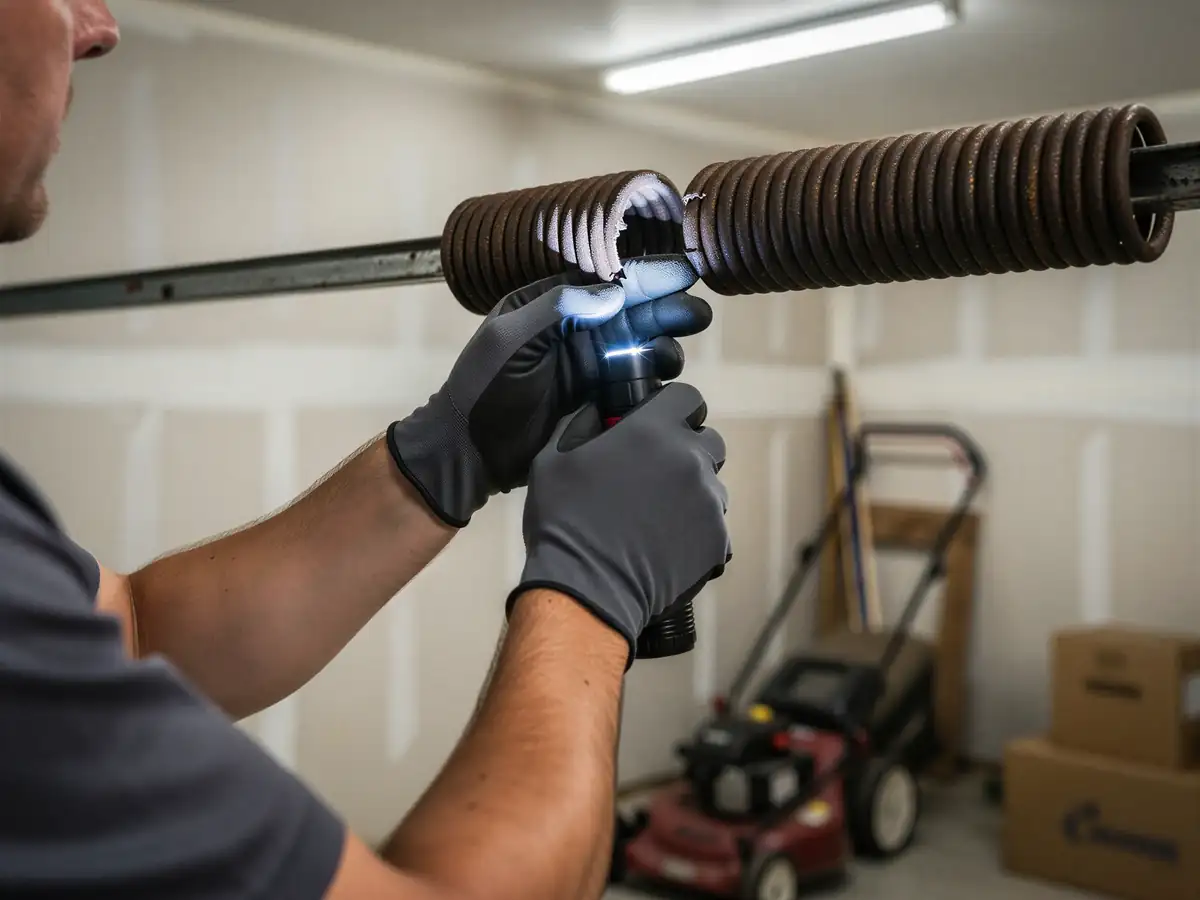
It does not work, and you should stop and call, when a cable has come off the drum, when a spring is visibly broken
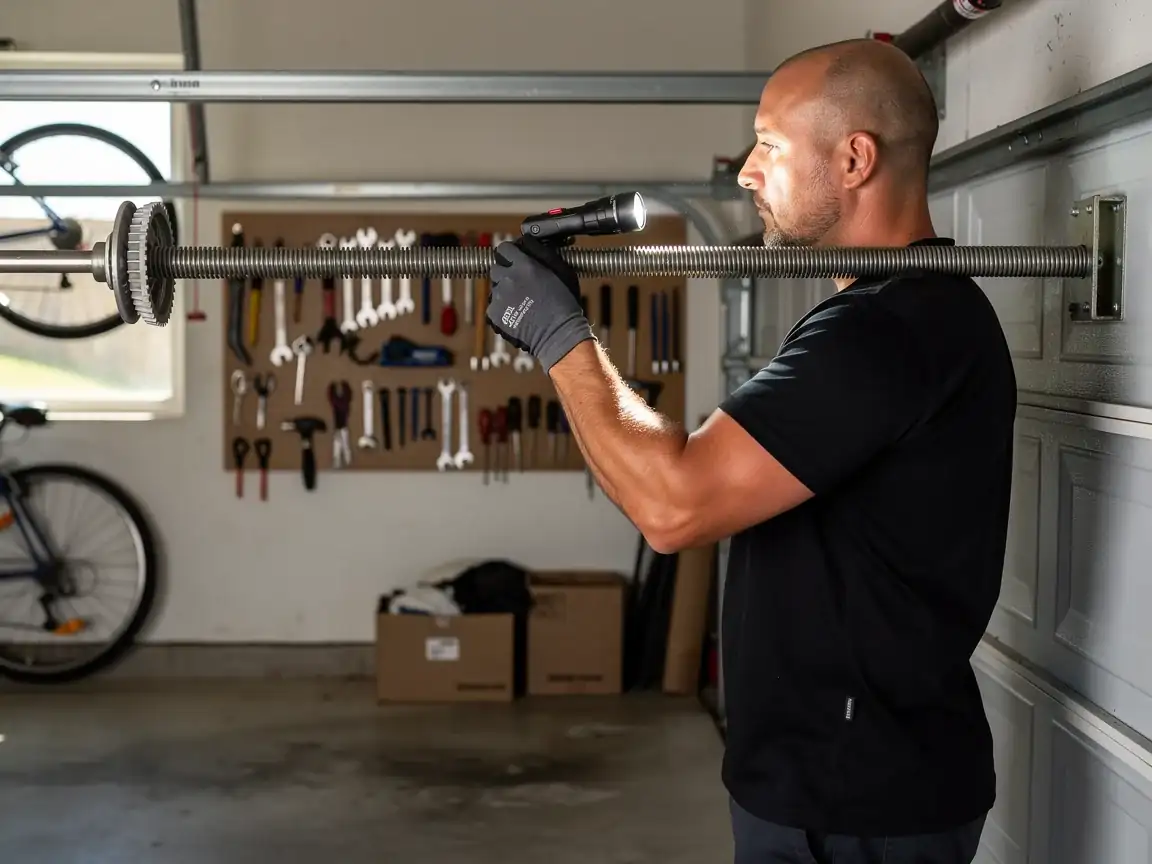
Or when the door is twisted in the opening rather than sitting flat. A torsion spring holds a lot of stored force, and a door that's cocked sideways can come down fast once you start loosening hardware. We'd rather talk you out of a job over the phone than show up to a trip to urgent care.
The honest limit here
If the bottom roller has chewed up the track channel, bending it back into shape is a temporary patch, not a fix. Damaged track gets replaced, not hammered straight, and we'll tell you that even if it means a shorter invoice.
What Causes It Around Here
Most of the housing in this service area went up between 1938 and 2008, with the bulk of it dating to the 1960s and '70s across the 29 communities we work in. That generation of garage doors was built with steel rollers on narrow steel track, and after four or five decades those rollers wear thin and start riding loose in the channel instead of rolling smooth through it. A loose roller is what lets a door walk sideways off the rail.
The climate here is mild with occasional freeze, which isn't the same story you'd hear in a place with real winters. We don't see tracks pulling apart from frost heave or ice buildup jamming rollers. What we do see is slow mechanical wear: track brackets that have loosened a quarter-inch at a time over years, and lift cables that have stretched unevenly so one side of the door sits lower than the other and binds against the track. On older one and two-car doors from that 1960s-70s stock, that uneven cable tension is the single most common reason a door jumps track mid-cycle.
The Symptom
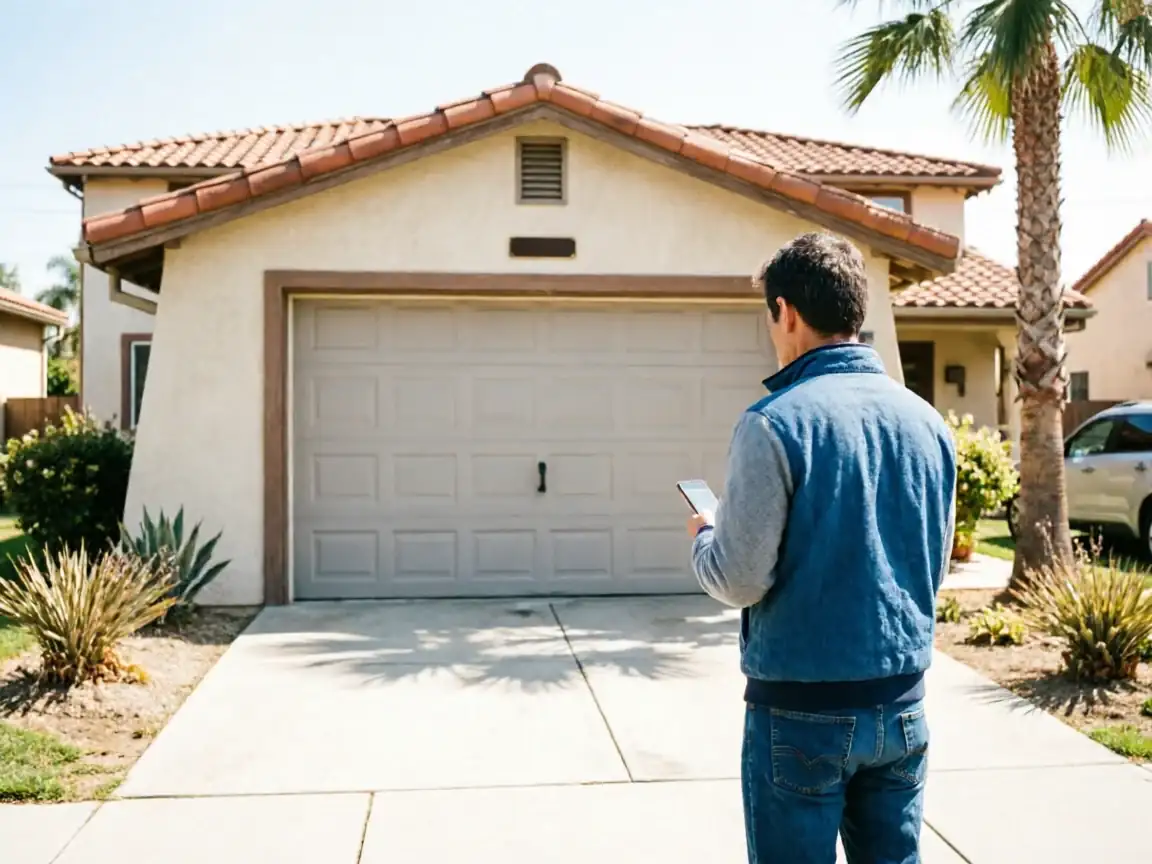
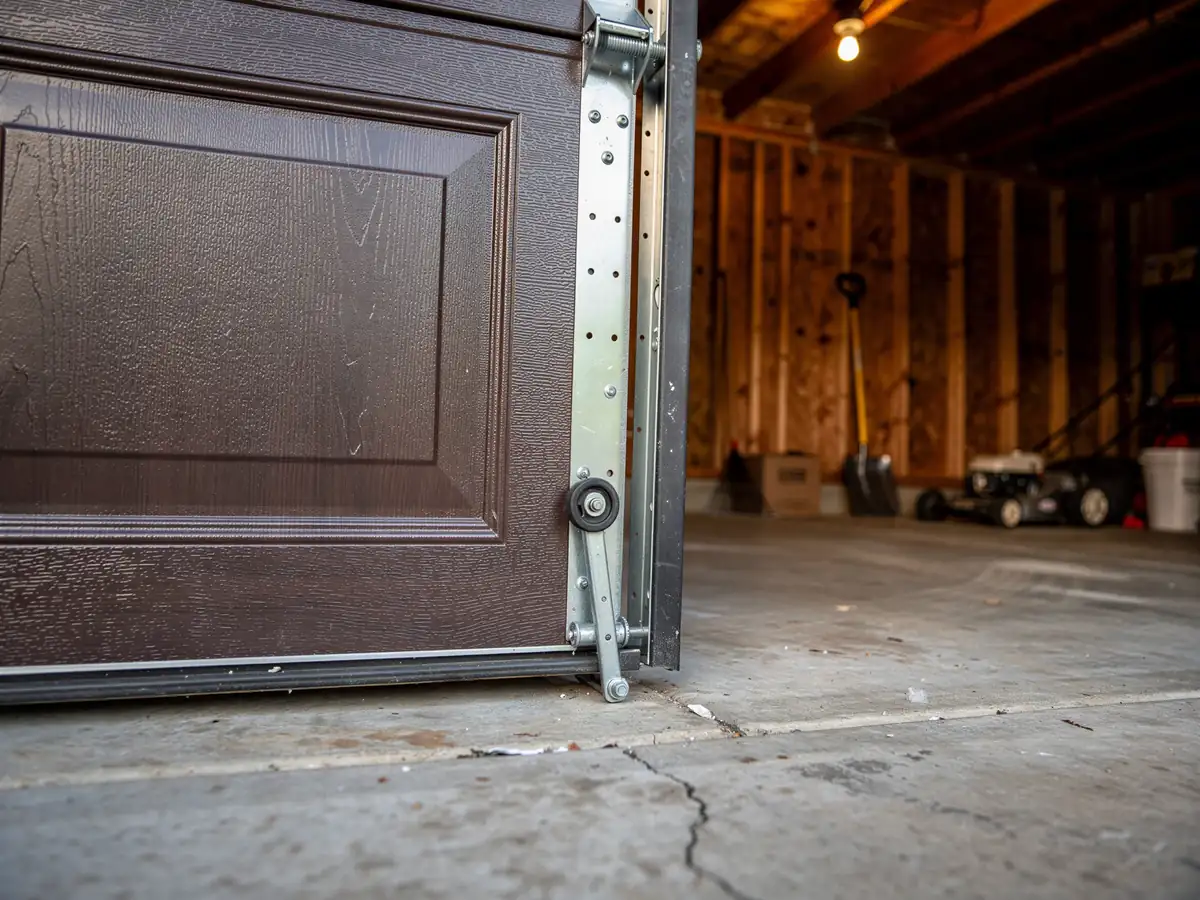
You'll usually see it before you hear it: the door sits crooked in the opening, with a visible gap along one side of the track, or it stops mid-travel and won't go up or down. Sometimes a roller will have popped clean out of the channel and you can see it dangling against the bracket.
Another version is quieter - the door still opens and closes, but it scrapes or grinds on one side, and if you look closely the bottom corner is riding slightly outside the track rather than inside it. That's a door that hasn't fully derailed yet but is on its way. Left alone, the grinding wears the roller stem down further and the gap gets wider every cycle.
If the opener keeps running the motor but the door doesn't move, or reverses right after you hit the button, that's usually the safety sensor reading the door as obstructed because it's no longer tracking straight - not a sensor problem on its own.
The Cost of This Job
We can't quote a number here without seeing the door
A simple re-track with good rollers is a different job from one where the track itself is bent or the cable needs replacing too. What drives the cost is almost always the hardware involved, not the labor time: rollers, track sections, and cable are the parts that wear out on doors from the area's older housing stock, and how many of those need replacing is what separates a quick adjustment from a bigger repair.
Across the roughly 210,000 households and 114,000 owner-occupied houses in the communities we cover
The doors we see most often needing this fix are the originals or early replacements on 1960s-70s builds - older hardware, more wear, more parts on the list. Newer doors with nylon rollers and heavier track tend to need less. We'll look at the door, tell you what's actually worn, and give you a number before we touch anything.
- 210,000 households
- 114,000 owner-occupied