What That Means for Doors
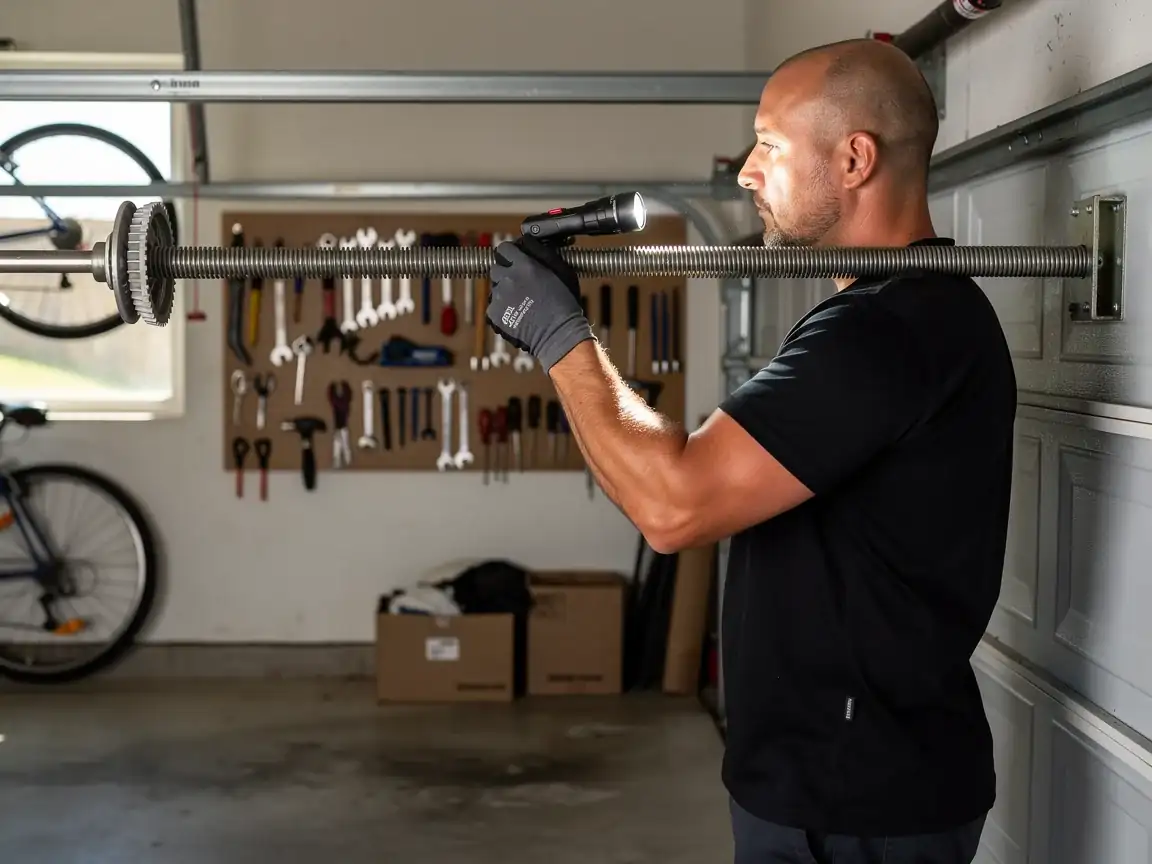
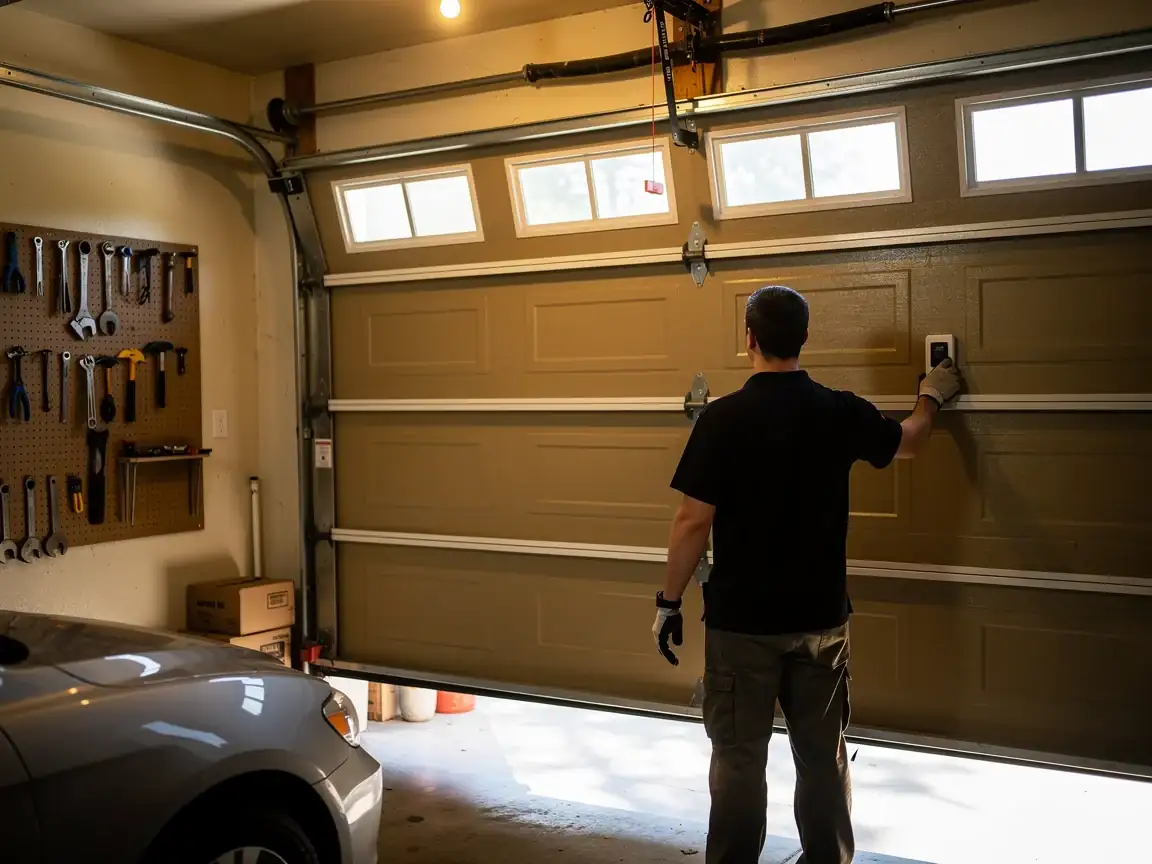
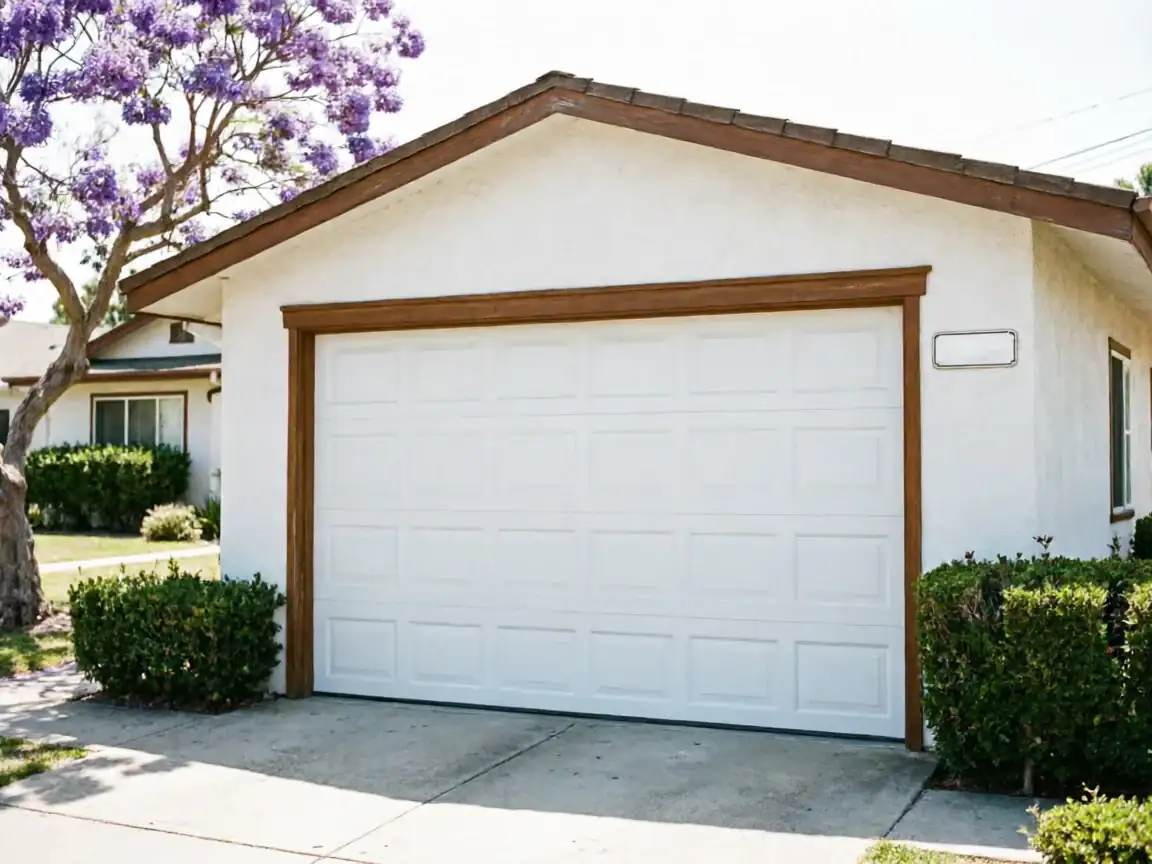
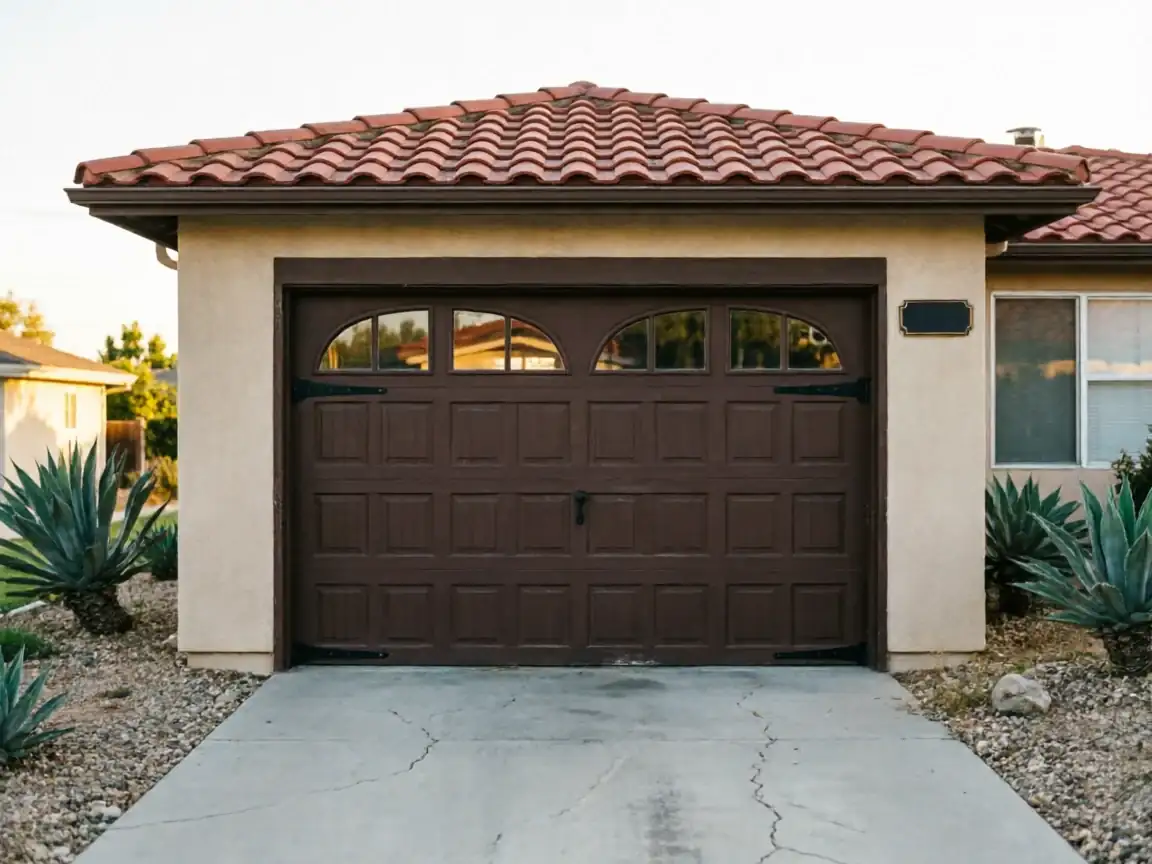
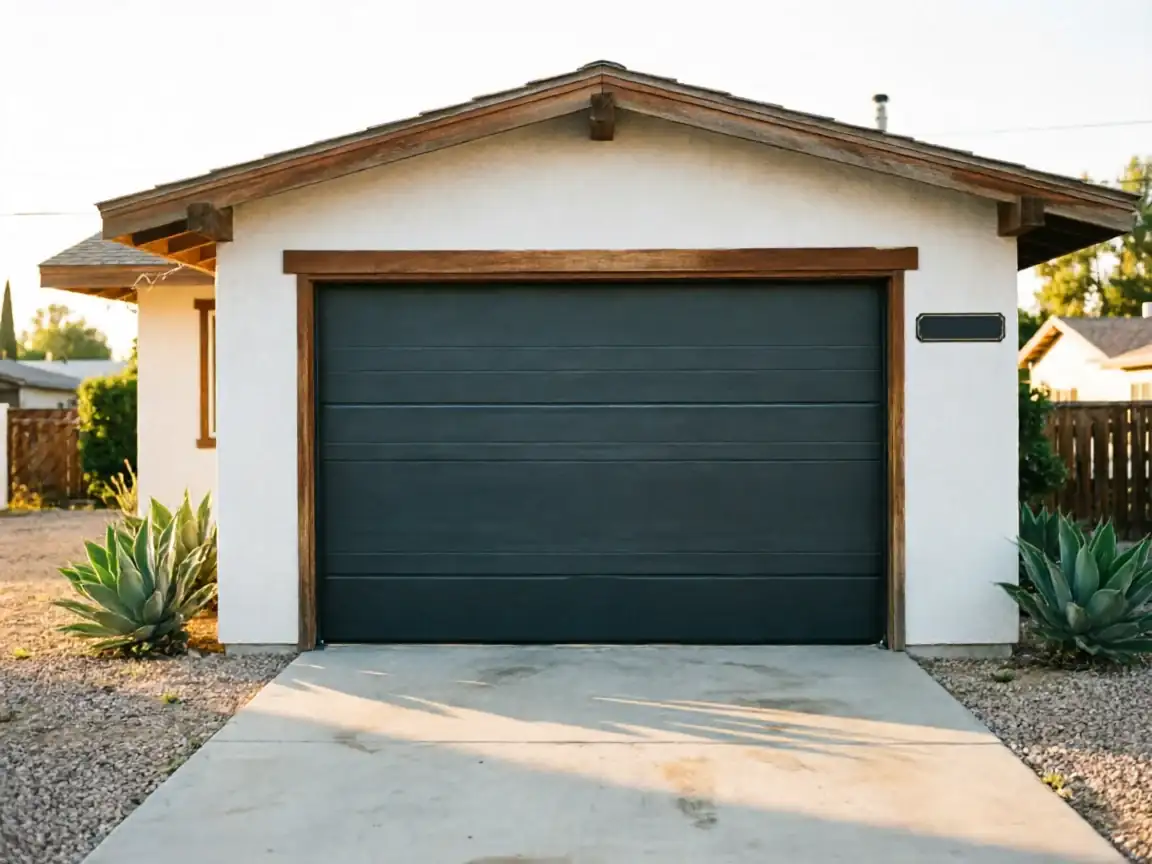
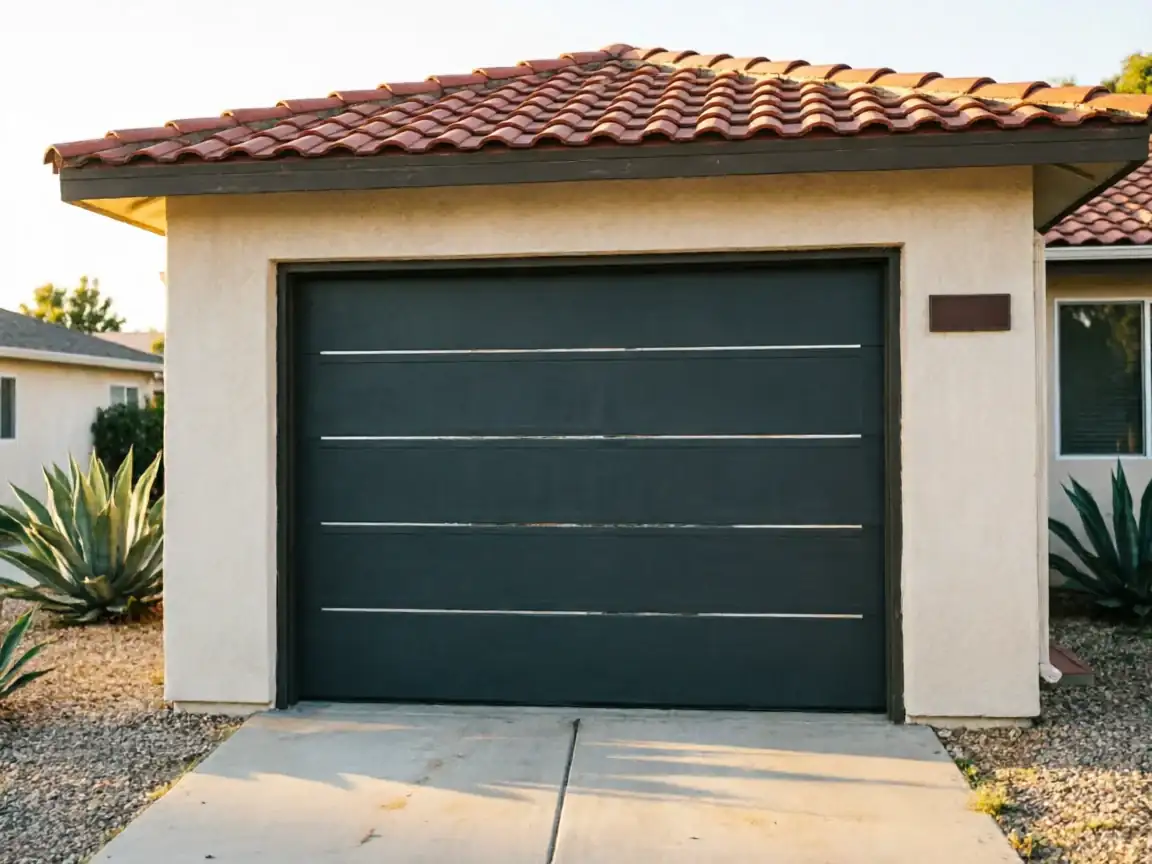
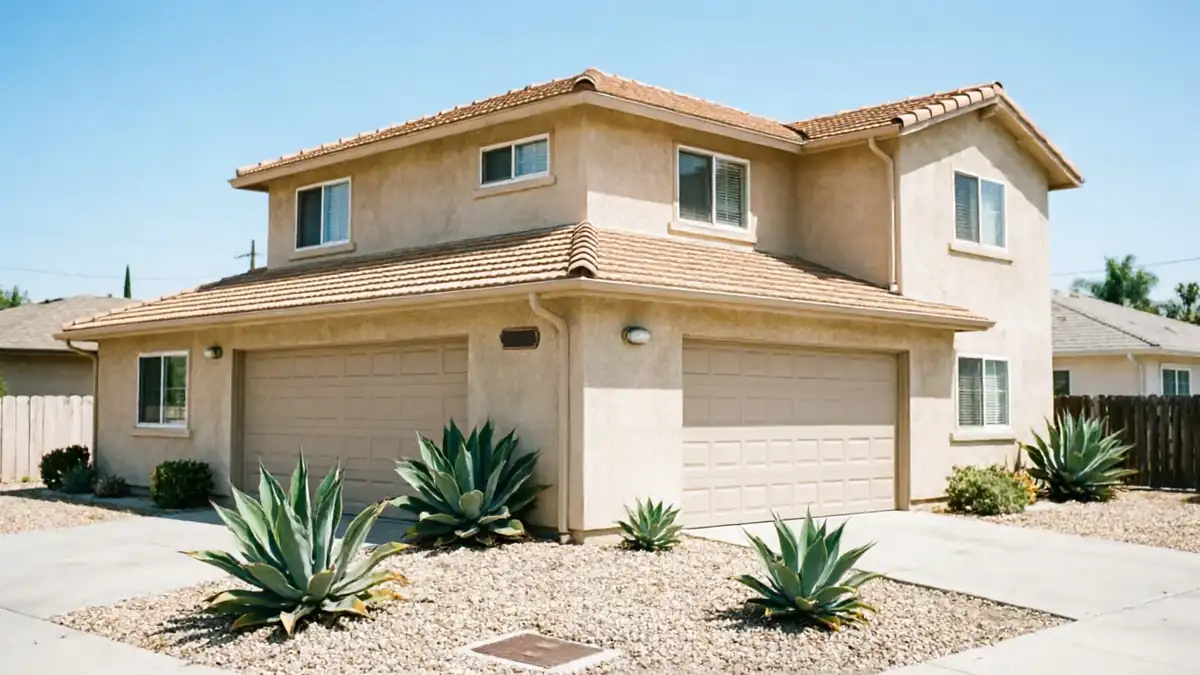
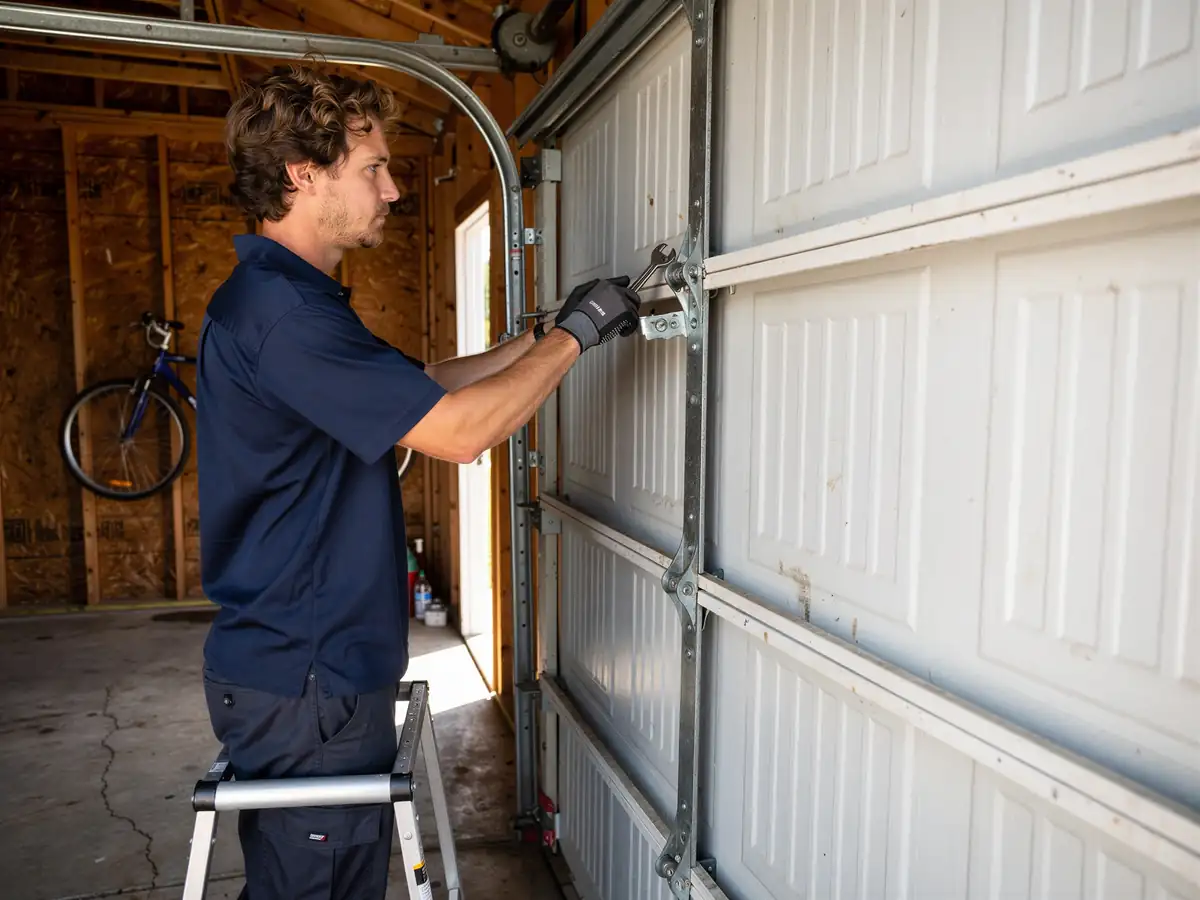
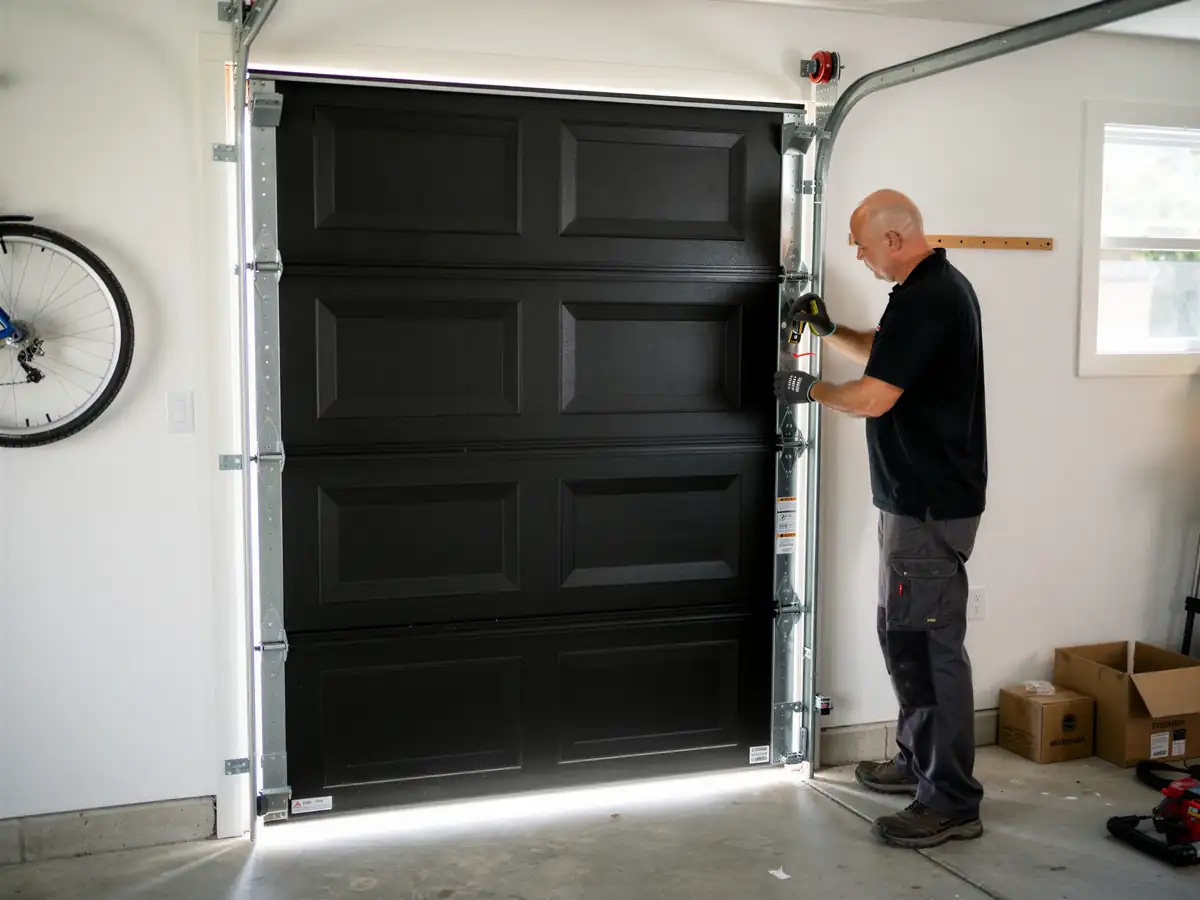
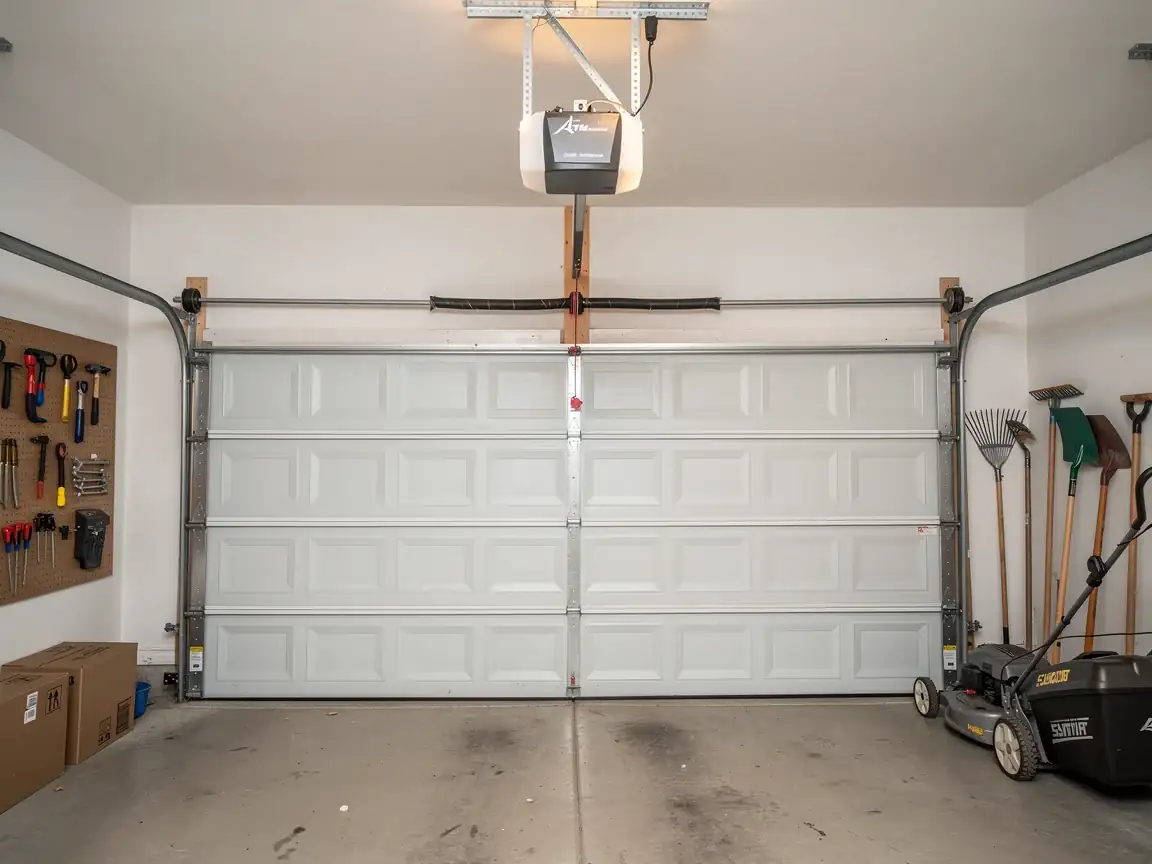
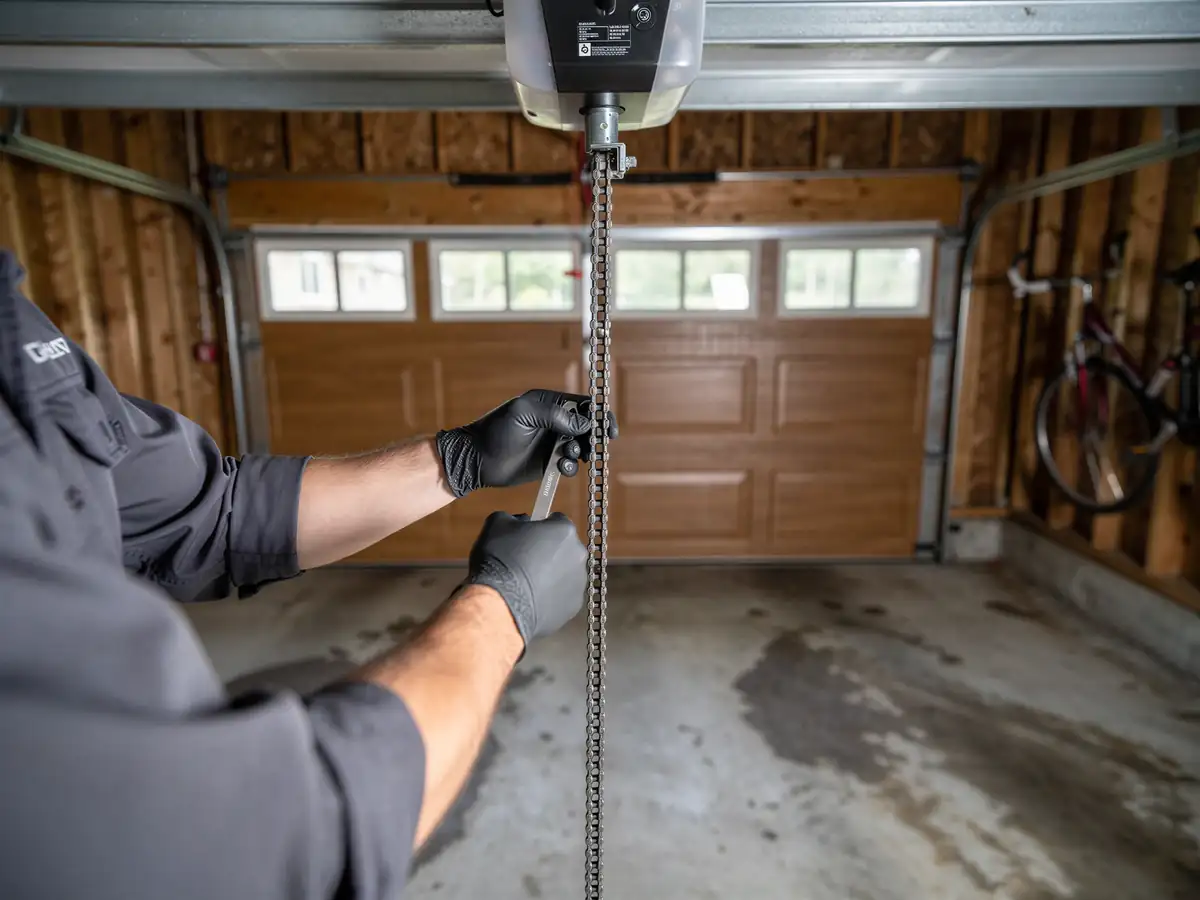
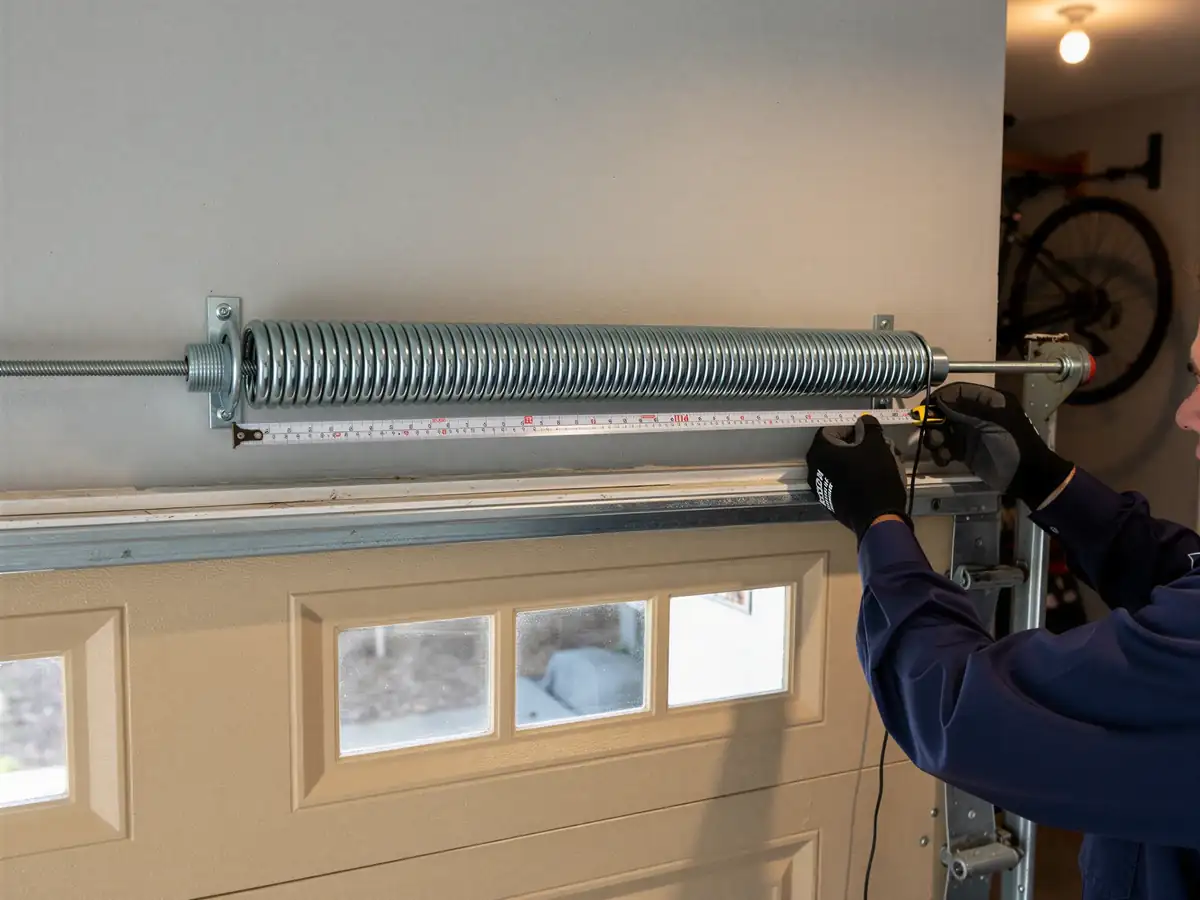
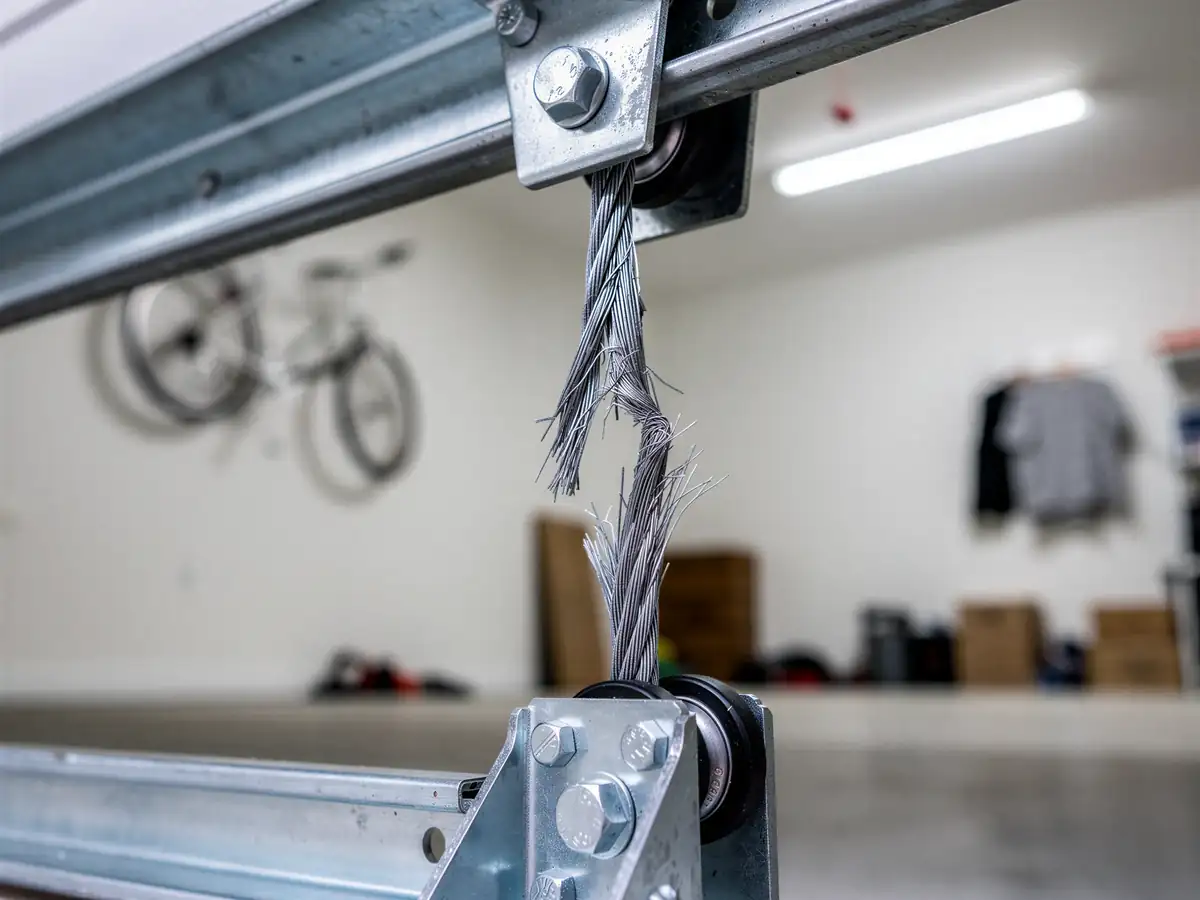
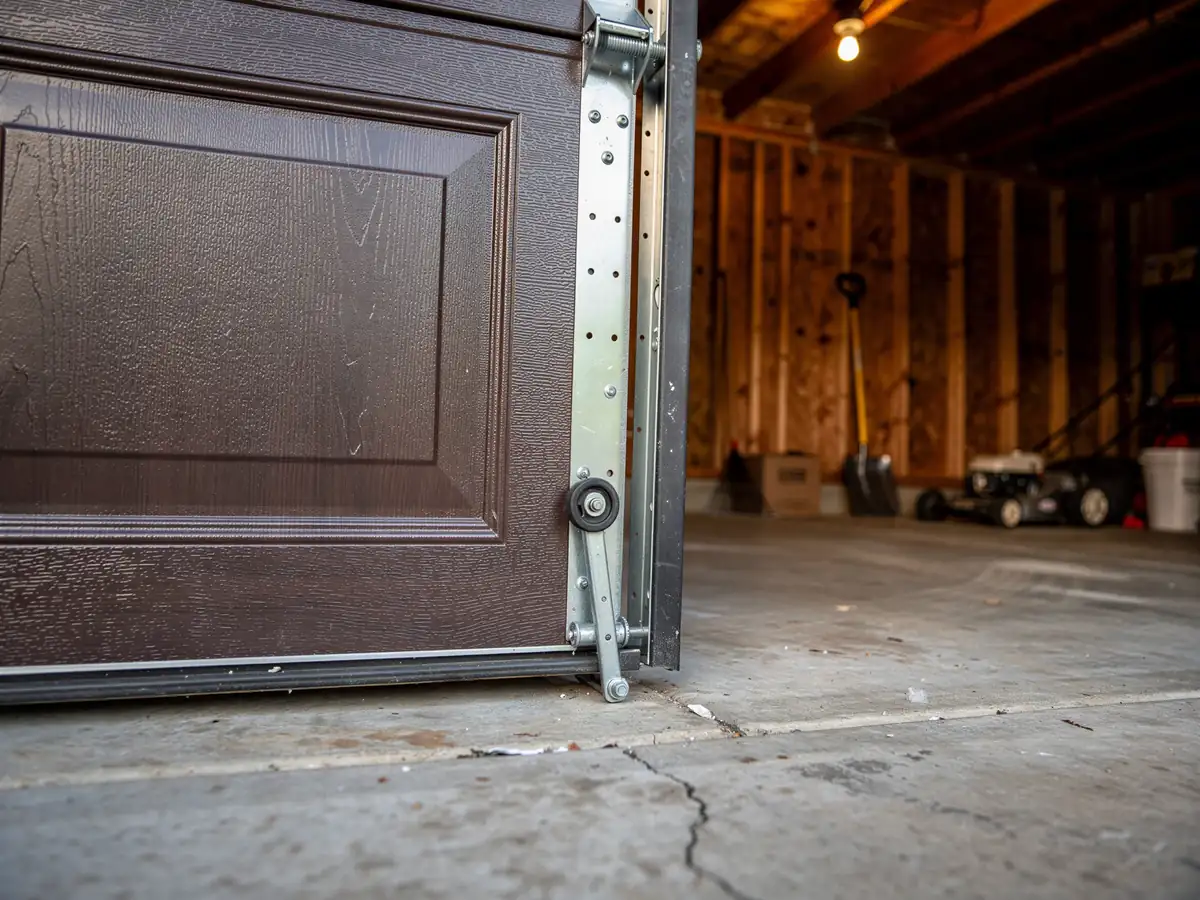
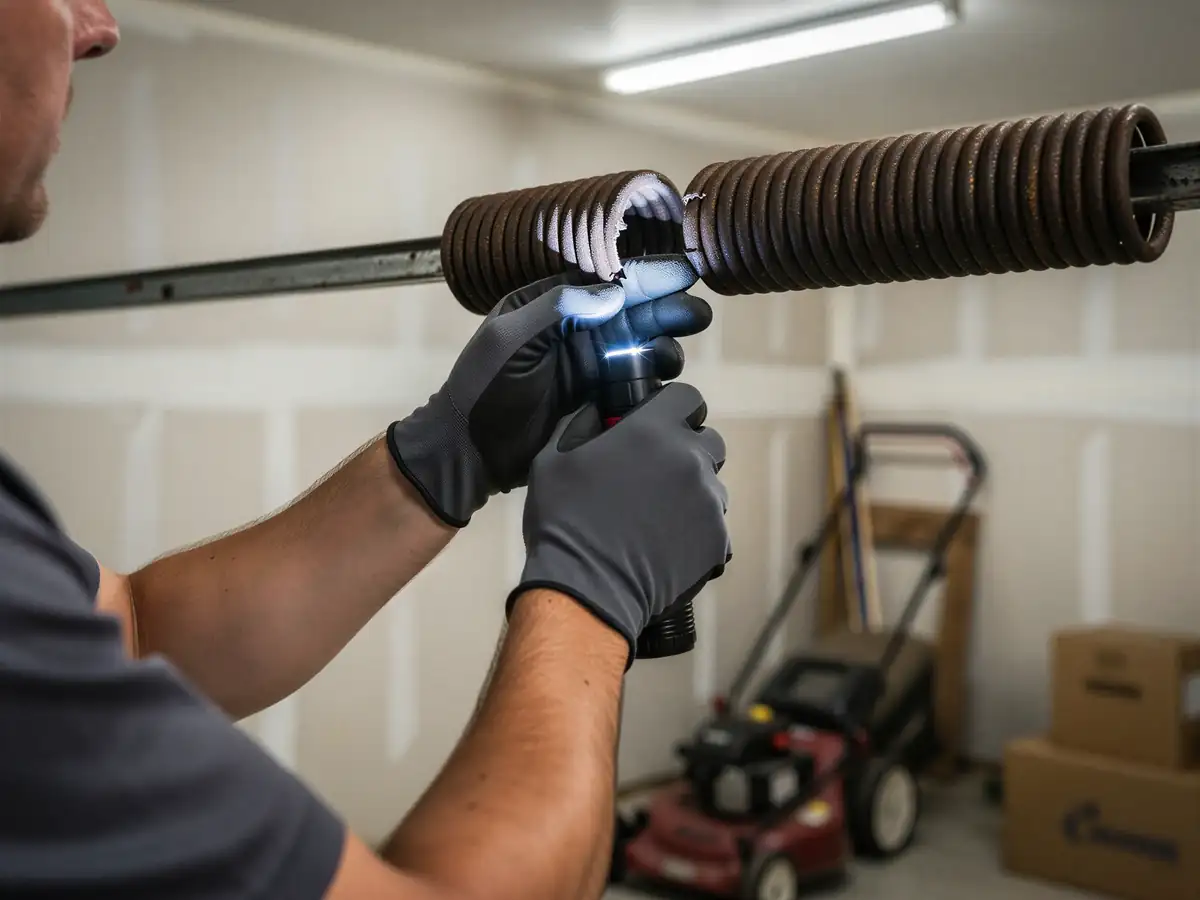
A house built in 1988 came with a garage door and opener that were standard for the time, which usually means a steel sectional door on extension or torsion springs, paired with a chain-drive opener. Thirty-plus years on, the opener motor and logic board are usually the first things to go, not the door itself. We replace a lot of circuit boards and a fair number of full opener units in this area, and we swap aging springs before they snap, since a spring that's original to a late-80s install is well past its rated cycle count. Panels on doors this age are usually still steel, not the composite or insulated steel you see in newer construction, so a dent can often be swapped out section by section instead of replacing the whole door. One limitation worth saying plainly: if your opener model is old enough, we may not be able to get an exact replacement logic board, and a full opener swap ends up being the more practical fix than chasing a discontinued part.
Older vs Newer Streets
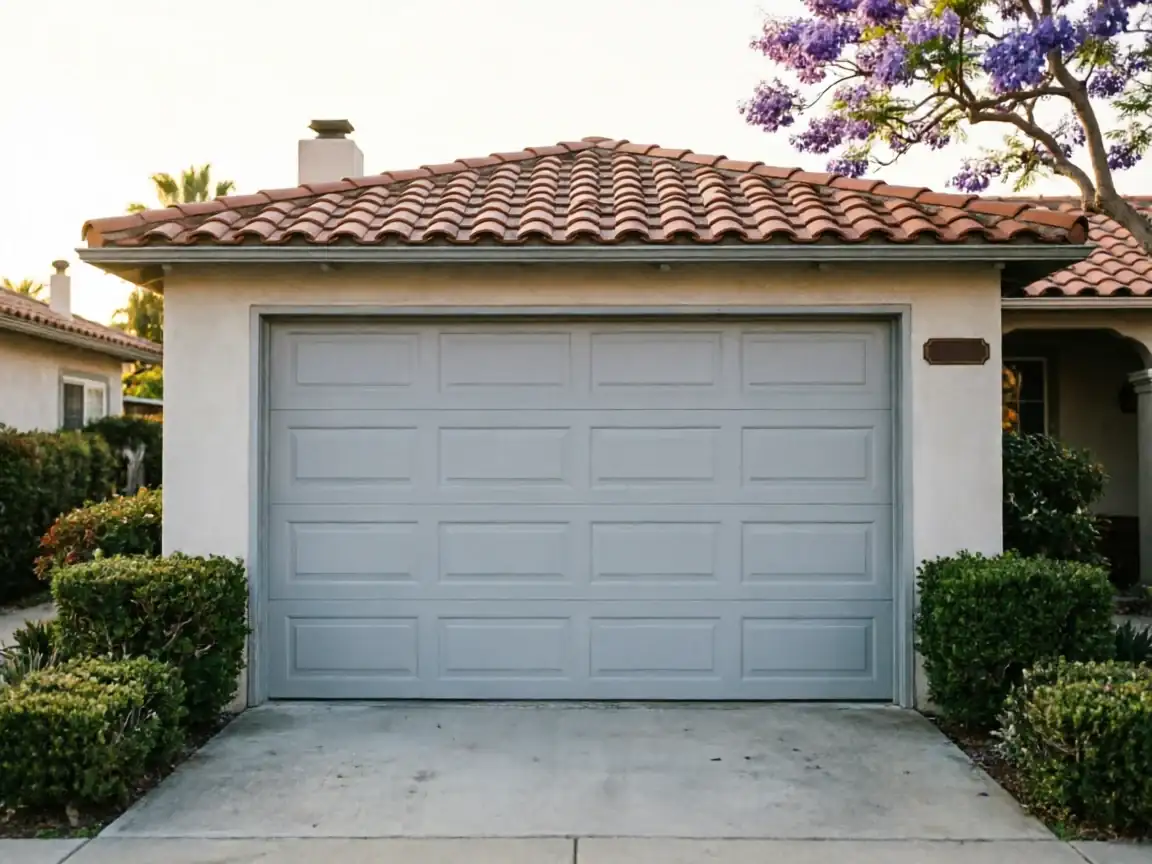
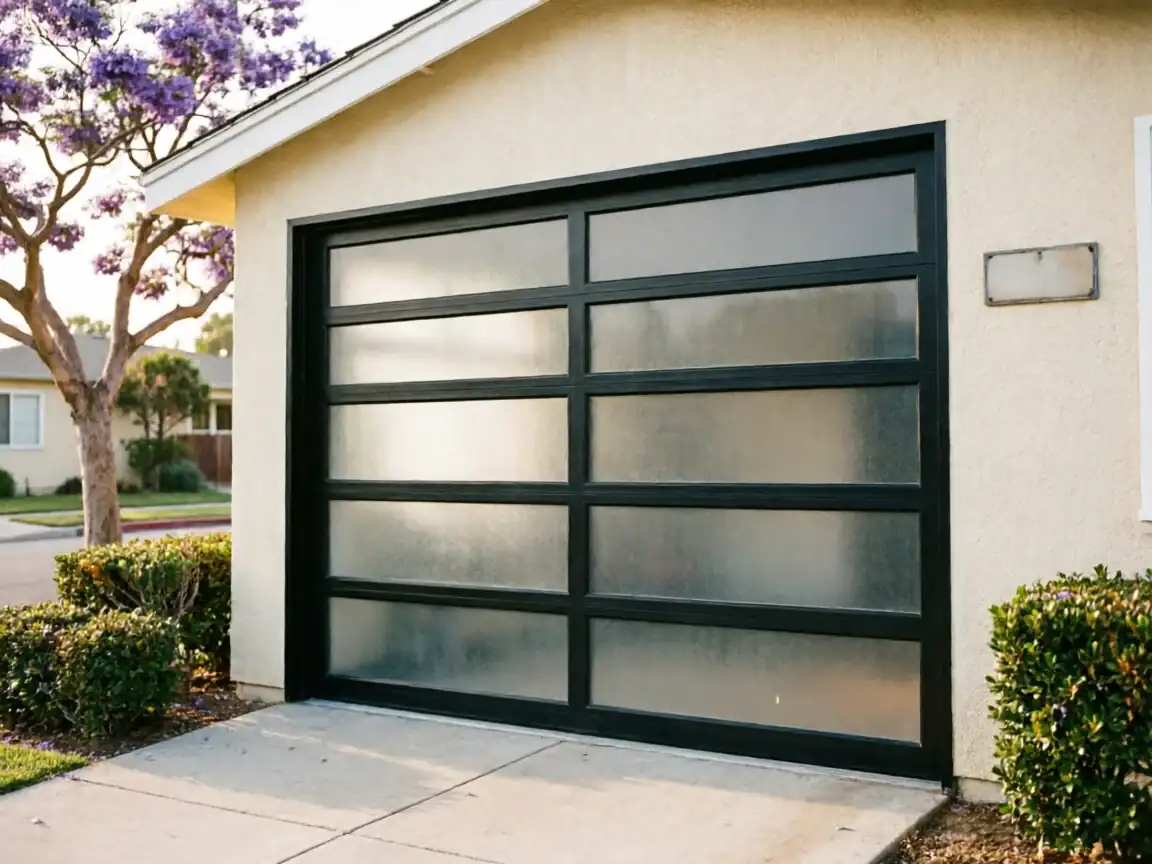
Blackhawk doesn't have the mix of eras you'd find closer to the center of the service area, where houses span 1938 to 2008 and every decade brings a different door style. Here the stock clusters tighter around that 1988 median, so the fixes repeat: similar spring sizes, similar opener mounting, similar track configurations. That's good news for parts availability - we're not hunting down hardware for a door from the 1940s. The climate here falls in the mild band with occasional freeze risk, which is gentler on garage door steel and seals than harsher climates, but it still means weatherstripping and bottom seals dry out and crack over a few decades, letting in more draft and debris than a newer seal would. We don't do much structural header or framing work out here - the openings were built to modern code and standard door sizes from the start, so most jobs are mechanical: springs, openers, cables, rollers, not carpentry.