Can You Do This Yourself
If the door is stuck halfway and the opener is straining against it
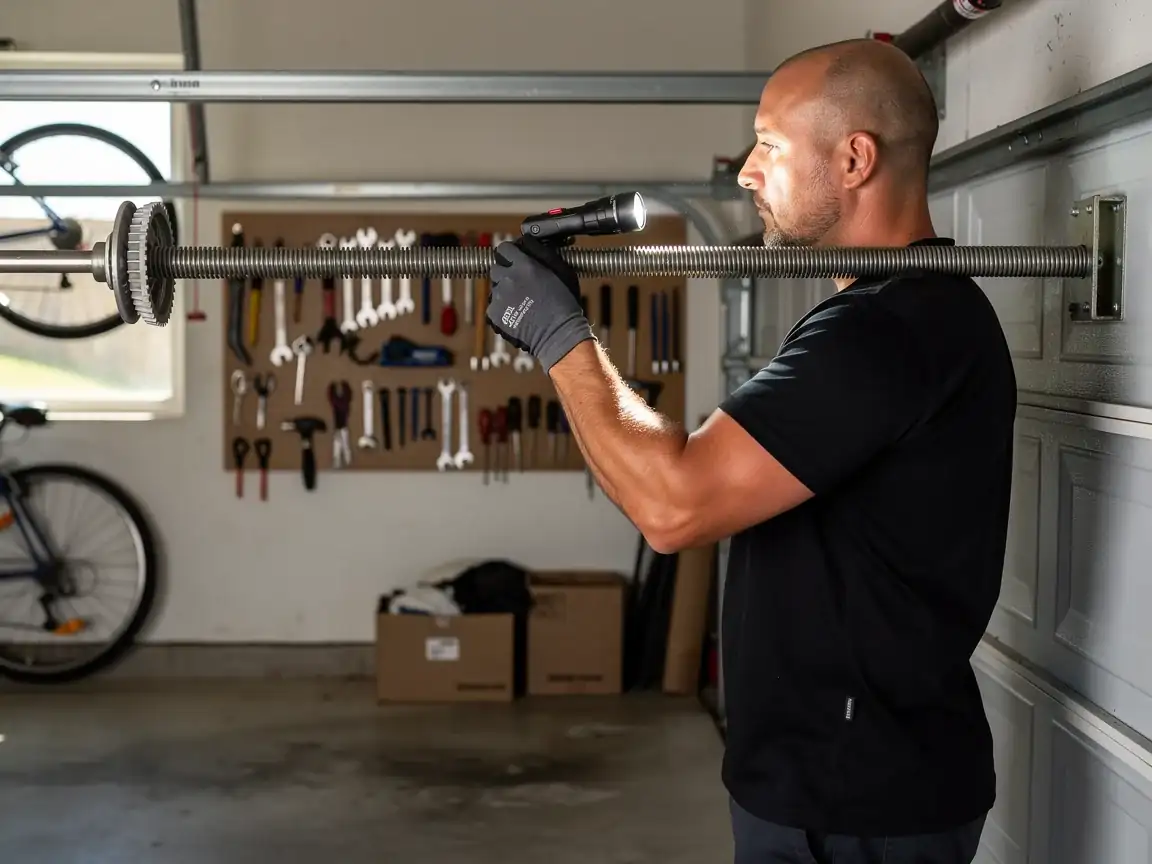
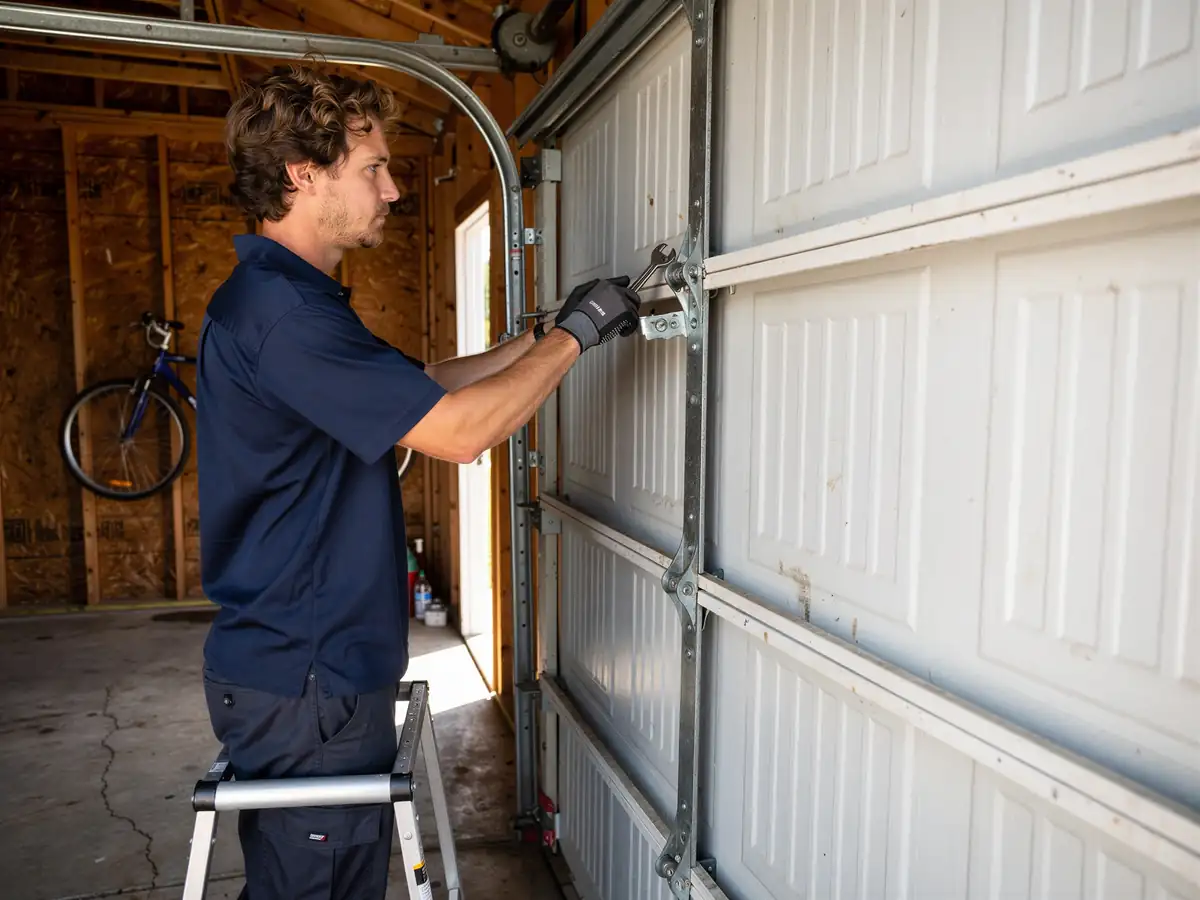
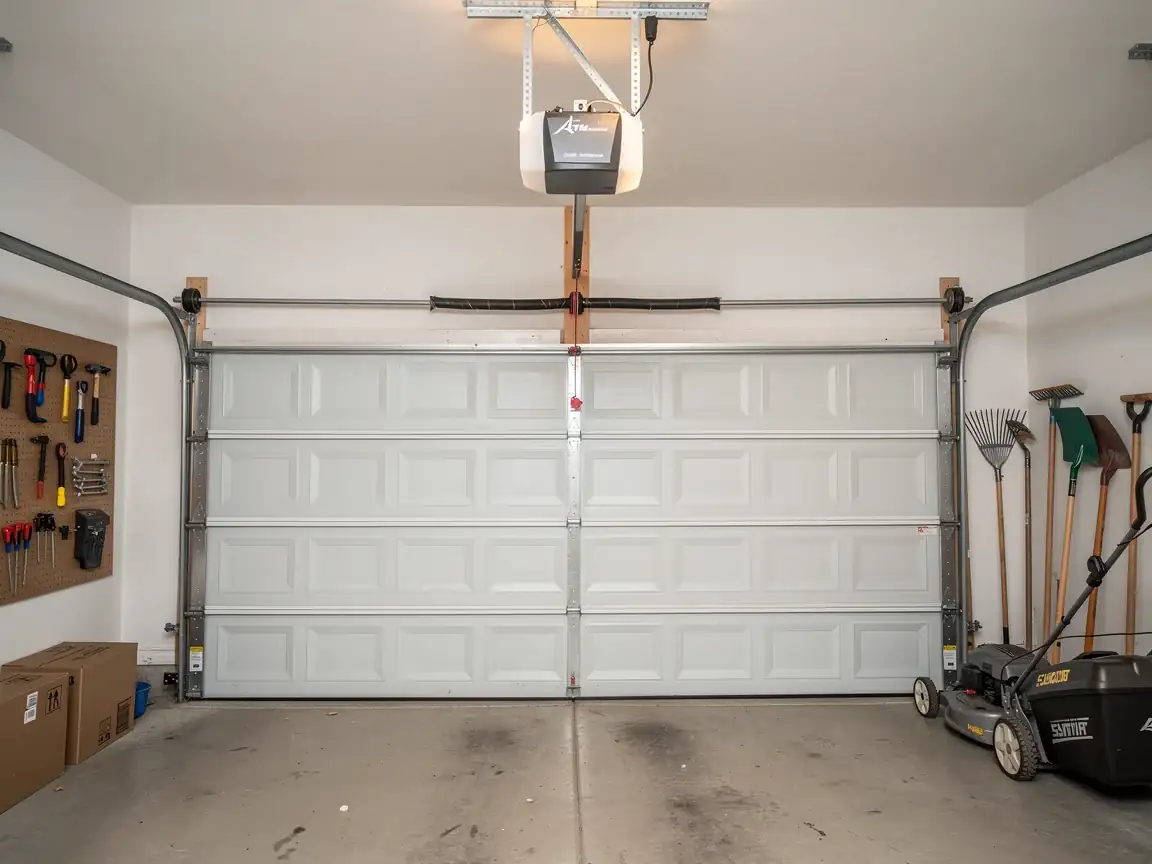
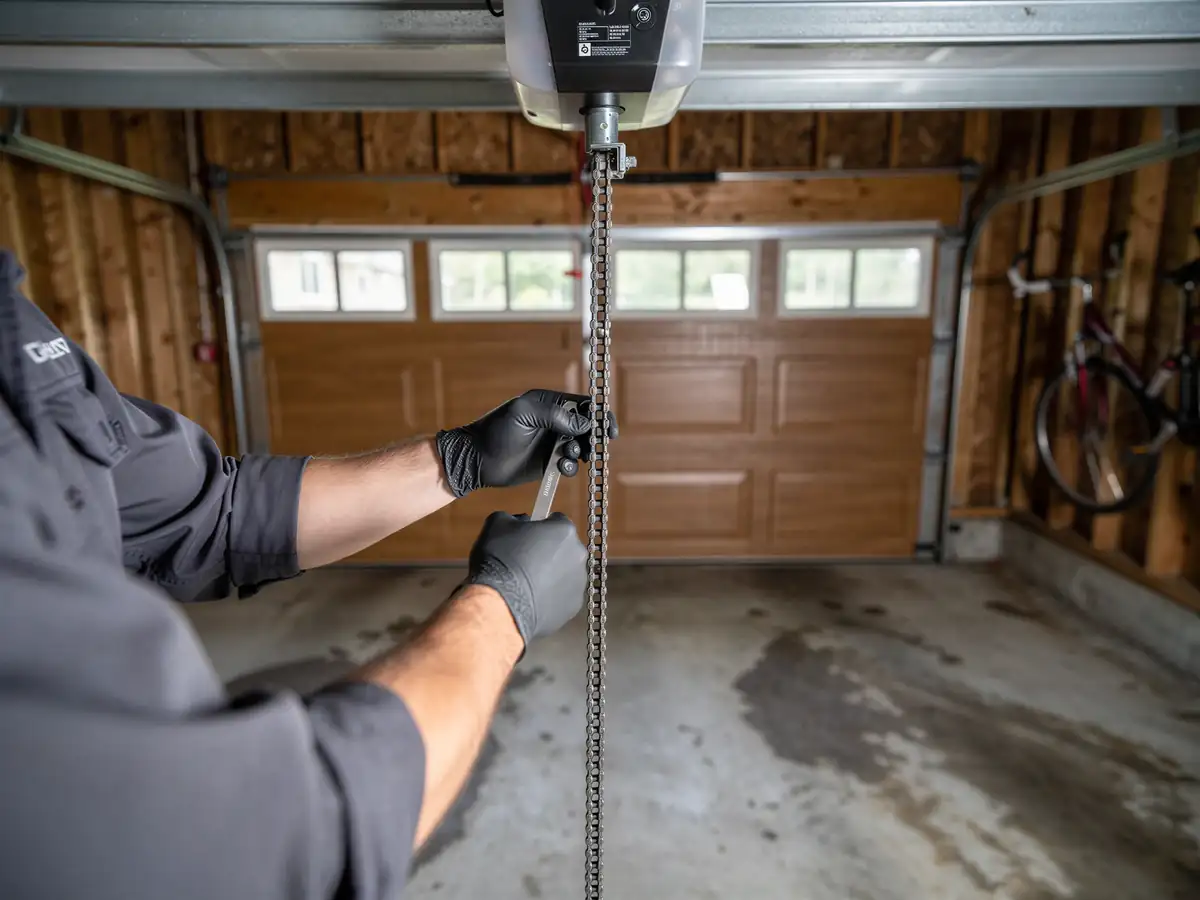
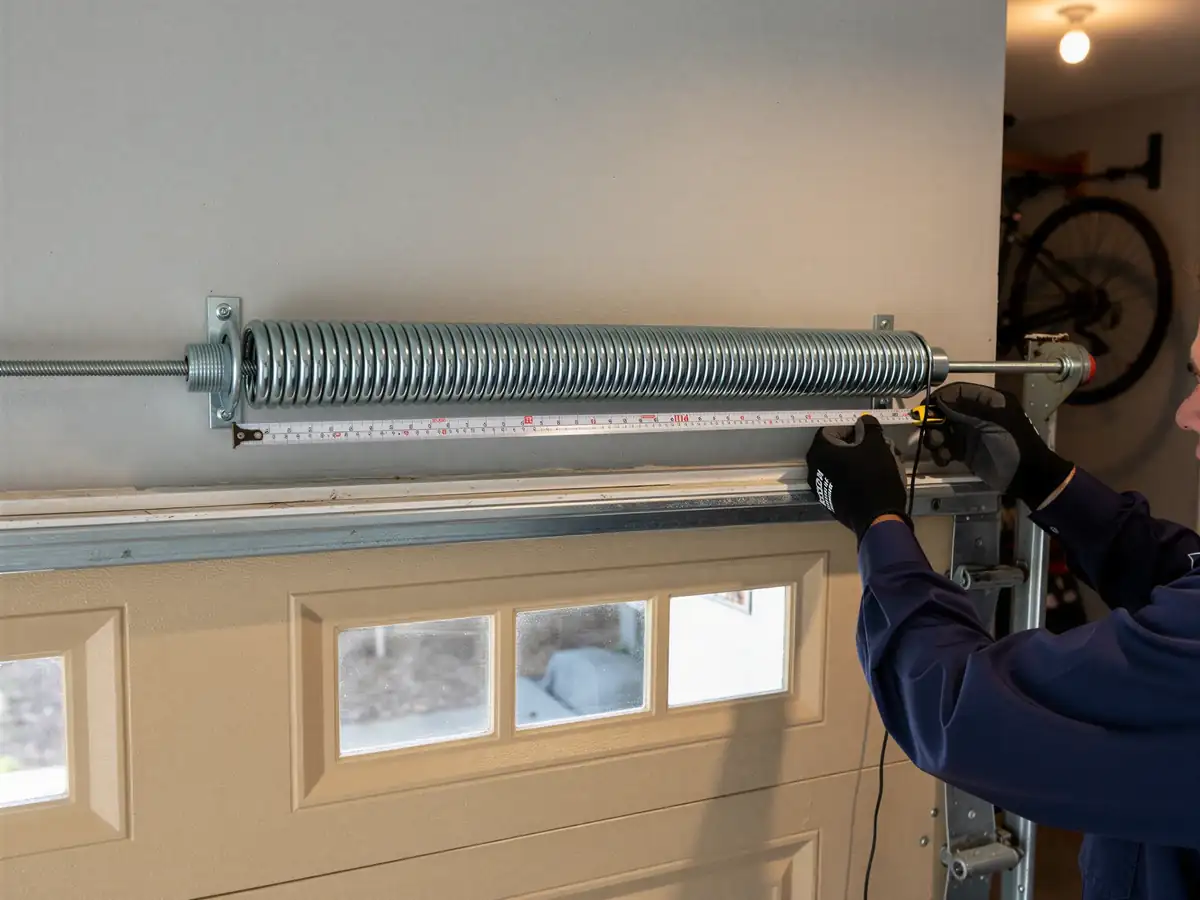
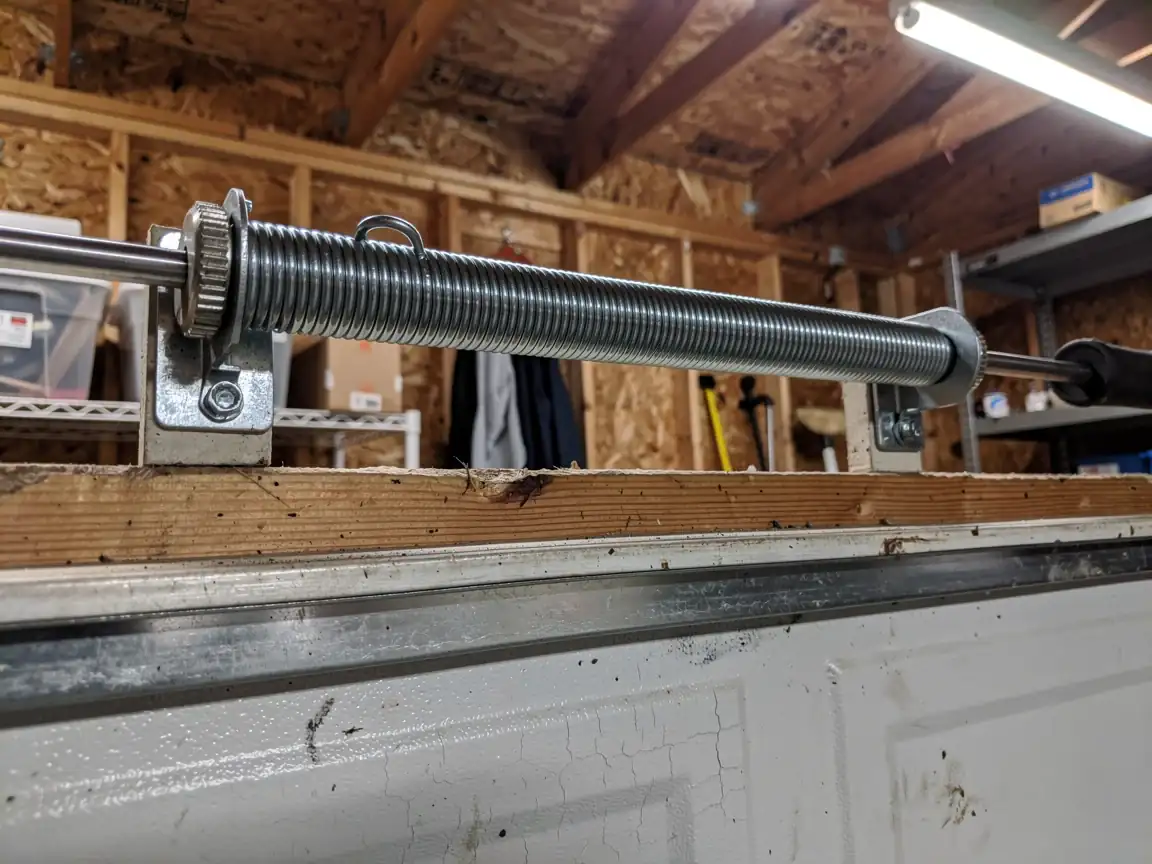
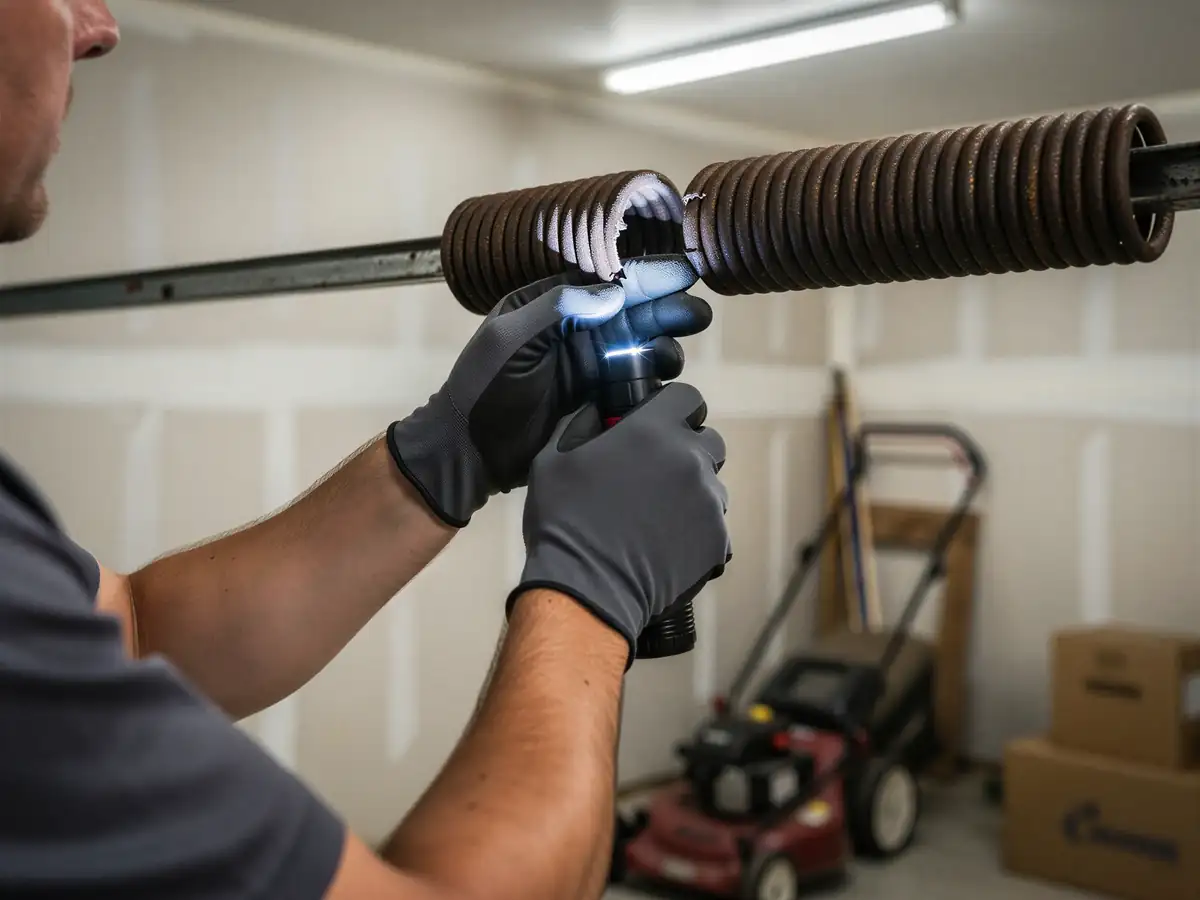
Stop pulling the cord and stop hitting the remote button. A door that won't move usually means a broken spring or a cable off the drum, and both of those are under enough tension to take off a finger if you're not trained on them. Unplugging the opener and manually releasing it to check for an obvious snapped spring is fine. Trying to wind a new torsion spring yourself is not something we recommend, even with a video in front of you.
What you can safely check
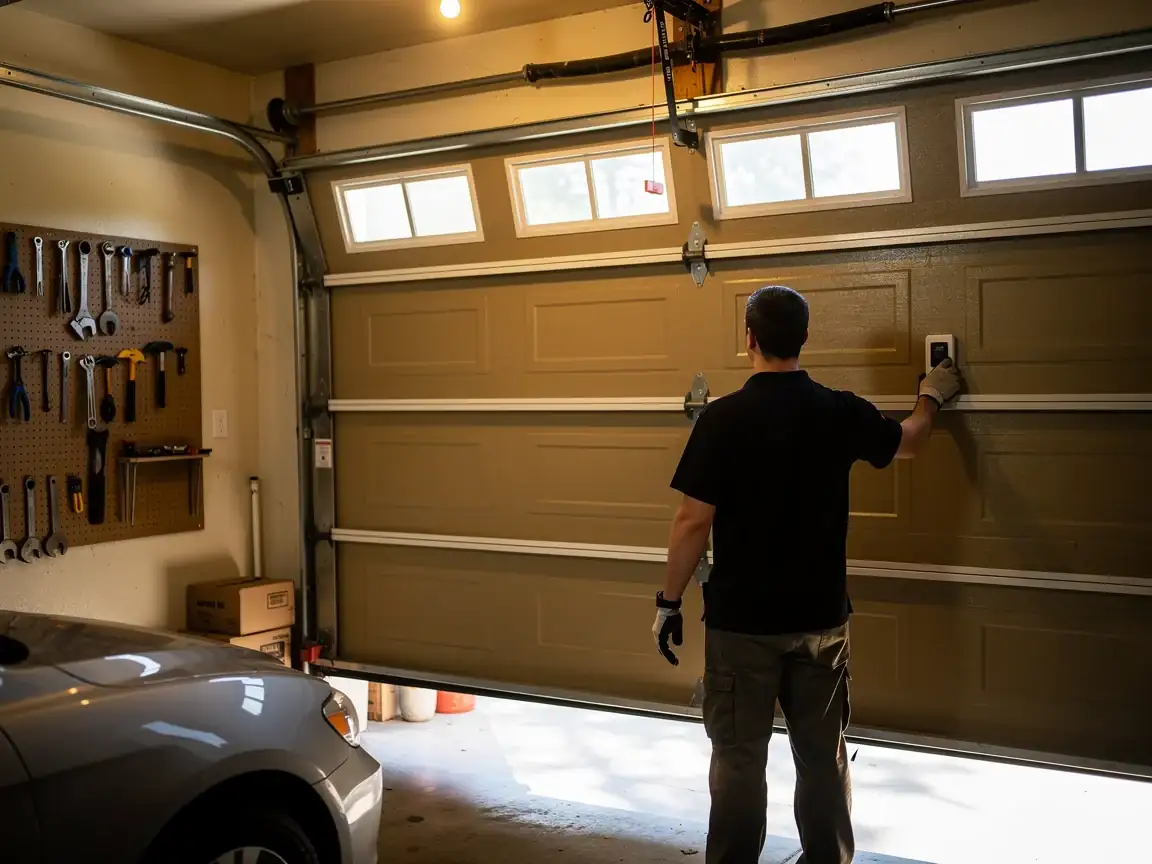
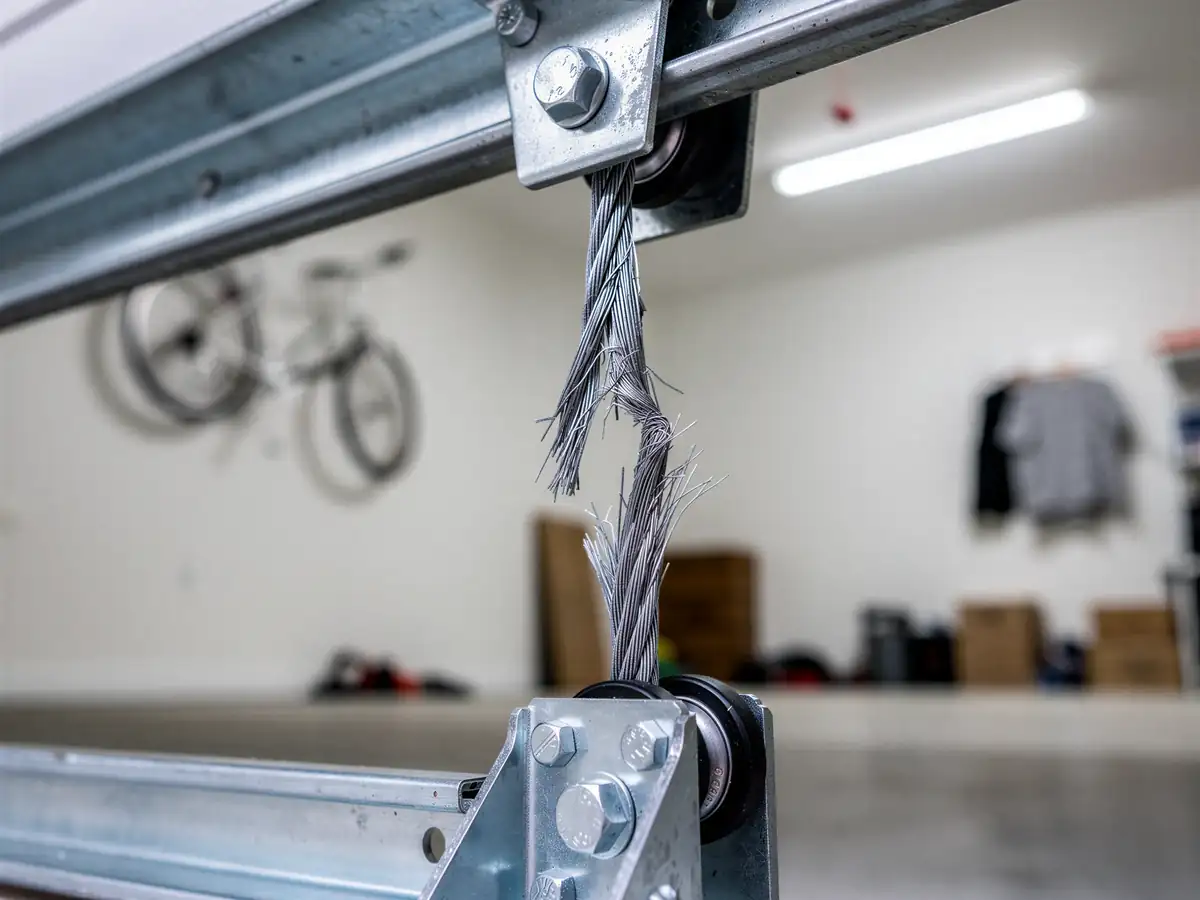
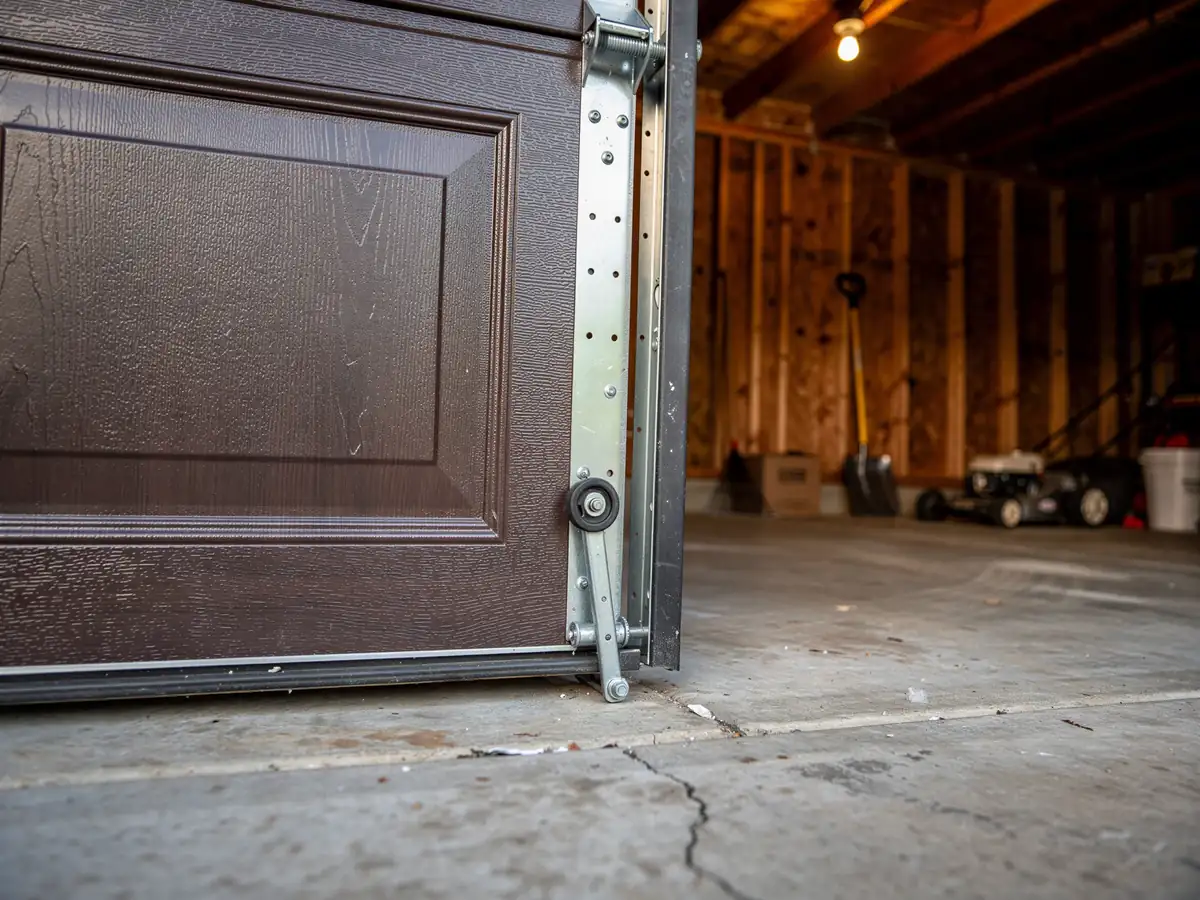
Whether the track is visibly bent, whether a cable has come off the bottom bracket, and whether the door is binding on one side only. That tells a technician what's wrong before a truck even arrives, which speeds up the call. We'll be honest about the limit here too - if your opener is more than a basic chain or belt drive replacement, or the door itself is warped from age, a same-day fix sometimes means a temporary stabilization followed by a return visit once the right panel or spring size is confirmed. We'd rather tell you that up front than promise a fix we can't deliver in one trip.
What Causes It Around Here
Housing across this service area was built mostly between 1938 and 2008, with the bulk of it going up in the 1960s and 70s and a median build year around 1973. That matters for garage doors specifically because torsion springs and the hardware that holds them have a service life measured in cycles, not years, and a 1970s-era door that's still on its original spring has usually gone well past the point where failure is a matter of when, not if.
The climate here is mild with occasional freeze, which doesn't sound like a driver of garage door failure the way snow or heavy humidity would be elsewhere, but it still plays a role. Metal fatigue in springs and rollers accelerates with repeated temperature swings even when those swings are modest, and older steel tracks installed in the 60s and 70s weren't galvanized to the standard used today. Combine 50-plus-year-old hardware with decades of thermal cycling and the failure pattern we see most - a spring giving out without warning, usually on the coldest morning of the week - makes sense. It's not that the weather here is harsh. It's that the hardware is old and the weather still moves it.
The Symptom
The most common emergency call is a door that won't open at all, paired with a loud bang from the garage a moment before it stopped moving - that's almost always a torsion spring letting go. The opener will usually still hum or click because it's trying to lift a door with no spring assist, and if you keep hitting the button it can strip the gear inside the unit, turning a spring job into a spring-and-opener job.
A second common pattern is a door that opens partway then reverses or drops - that's often a cable that's frayed or come off the drum, sometimes combined with a bent track from age or a bump. Less dramatic but still an emergency for a lot of households: a door that's stuck shut overnight with a car trapped inside, which on older 1960s and 70s hardware is usually one worn roller or a snapped cable away from happening. None of these are cosmetic. A door under tension that's failed partway is a safety issue until it's fixed, not a wait-and-see repair.
The Cost of This Job
We don't post a flat number here because spring size, opener type, and whether the track or cable also needs replacing all change the bill
And guessing a price before we've seen the door does nobody a favor. What we can tell you is that across this service area - roughly 210,865 households, with about 114,515 of those owner-occupied - median household income runs around $146,657, and most emergency jobs we do are a spring, cable, or roller repair rather than a full door replacement.
- 210,865 households
- 114,515 owner-occupied
- $146,657 median household income
The honest trade-off
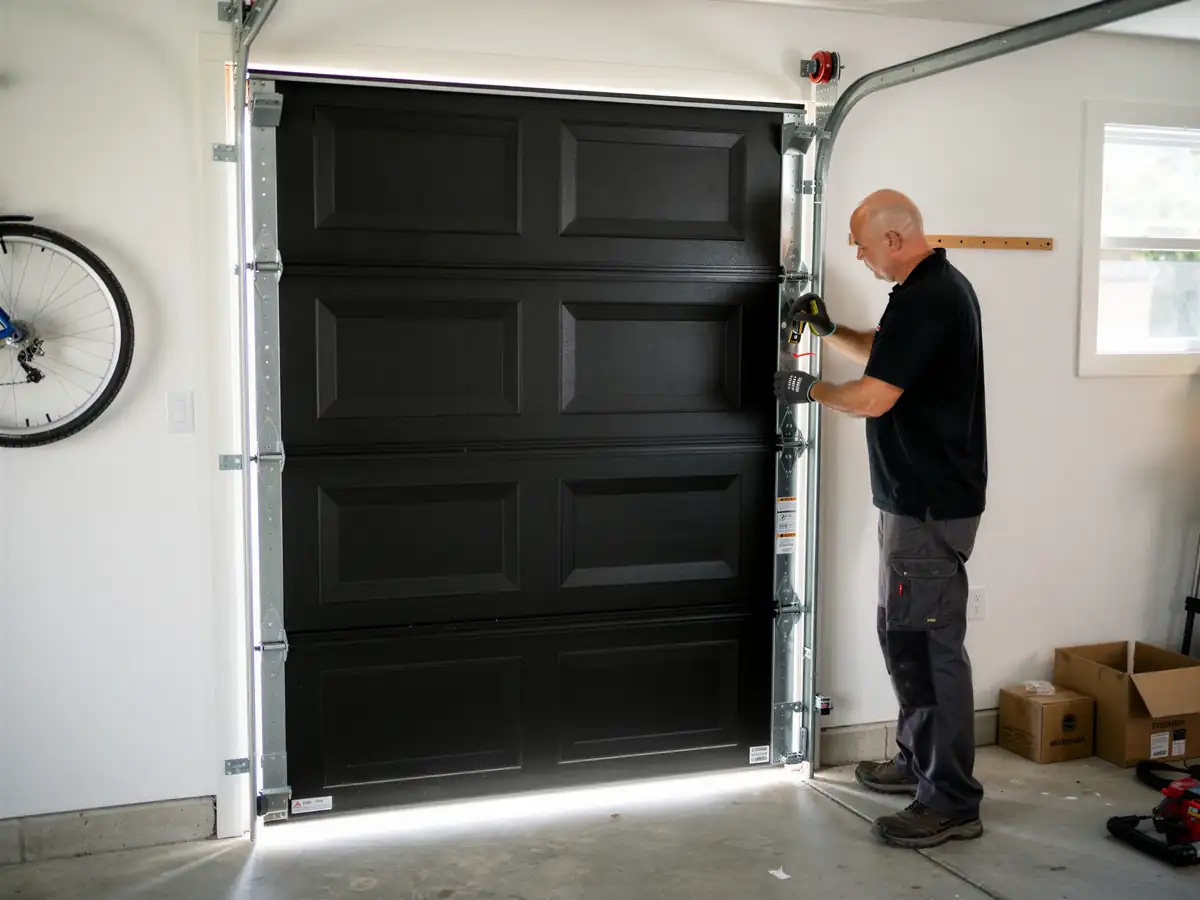
If your door is original to a house built in the 60s or 70s and the spring just went, replacing that spring is almost always the right call over replacing the whole door. If the panels themselves are warped or rusted through, throwing a new spring on a door that's failing structurally just moves the next emergency call a few months down the road. We'll tell you straight which situation you're in before we start any work, not after.