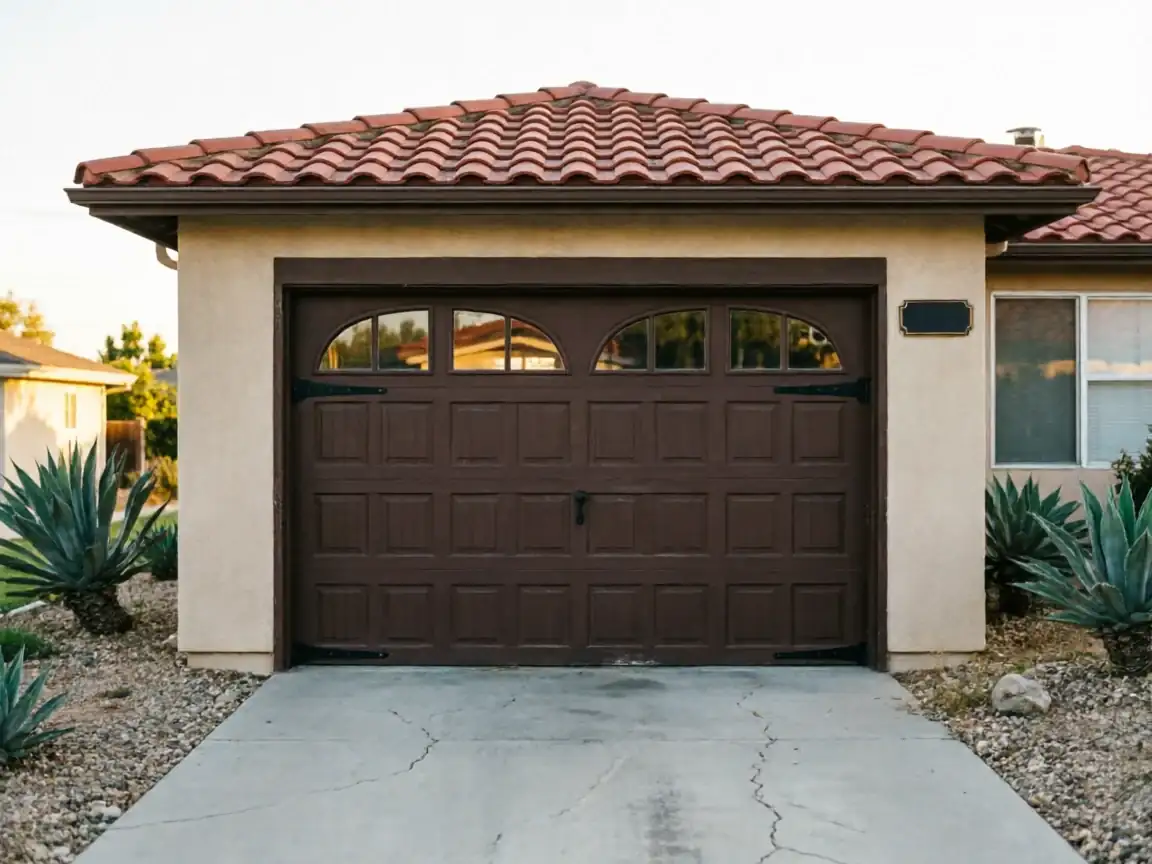
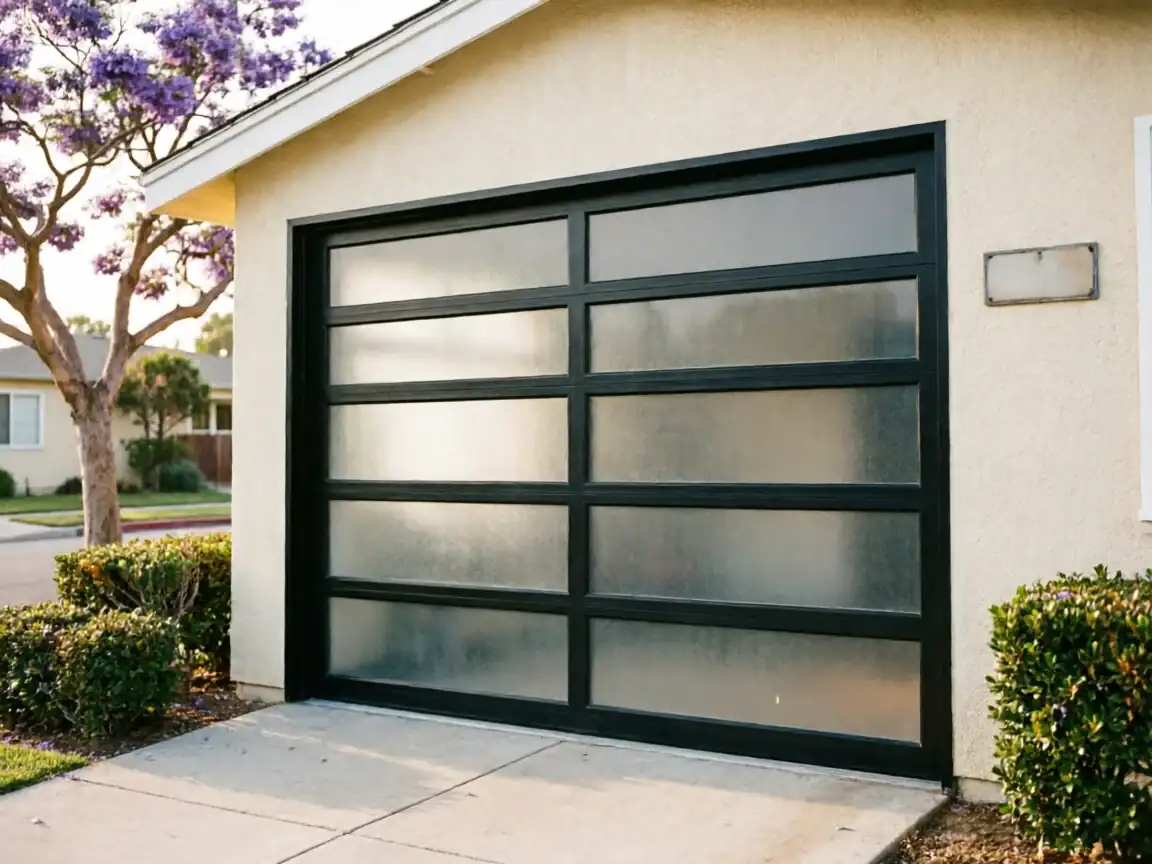
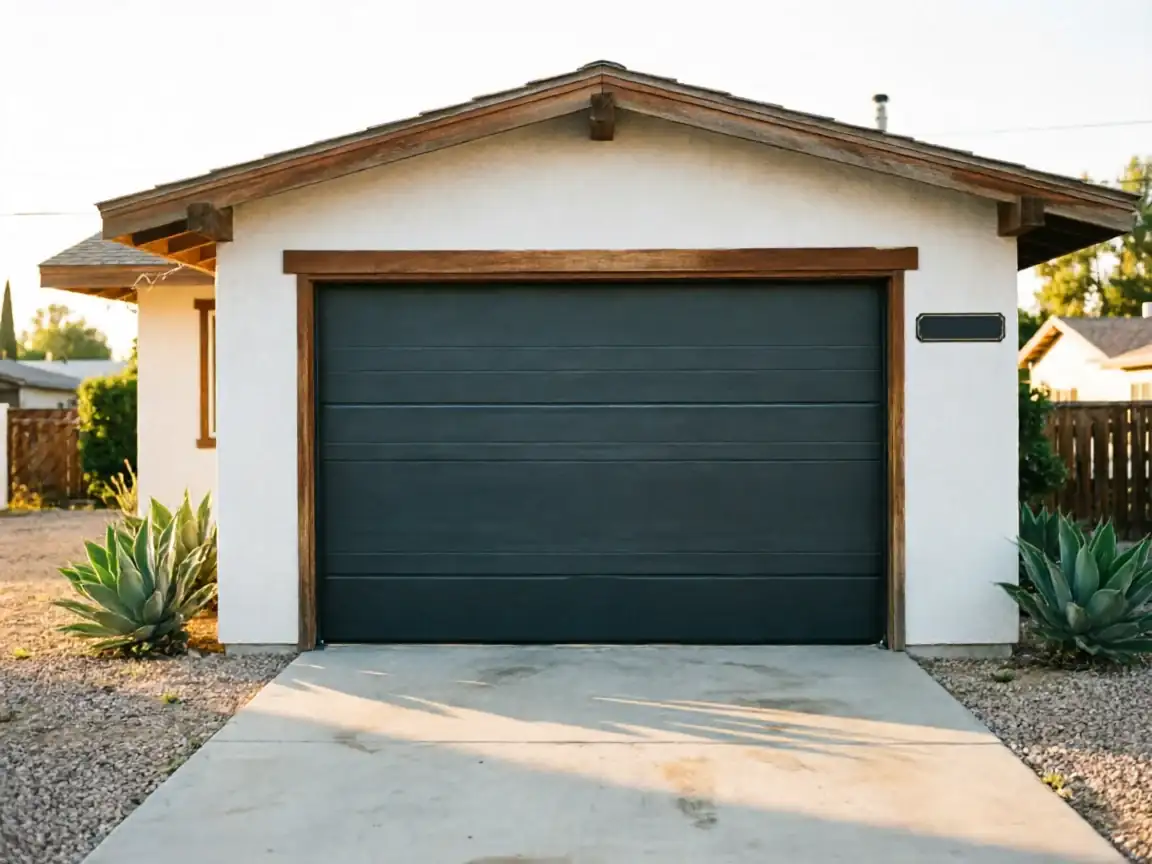
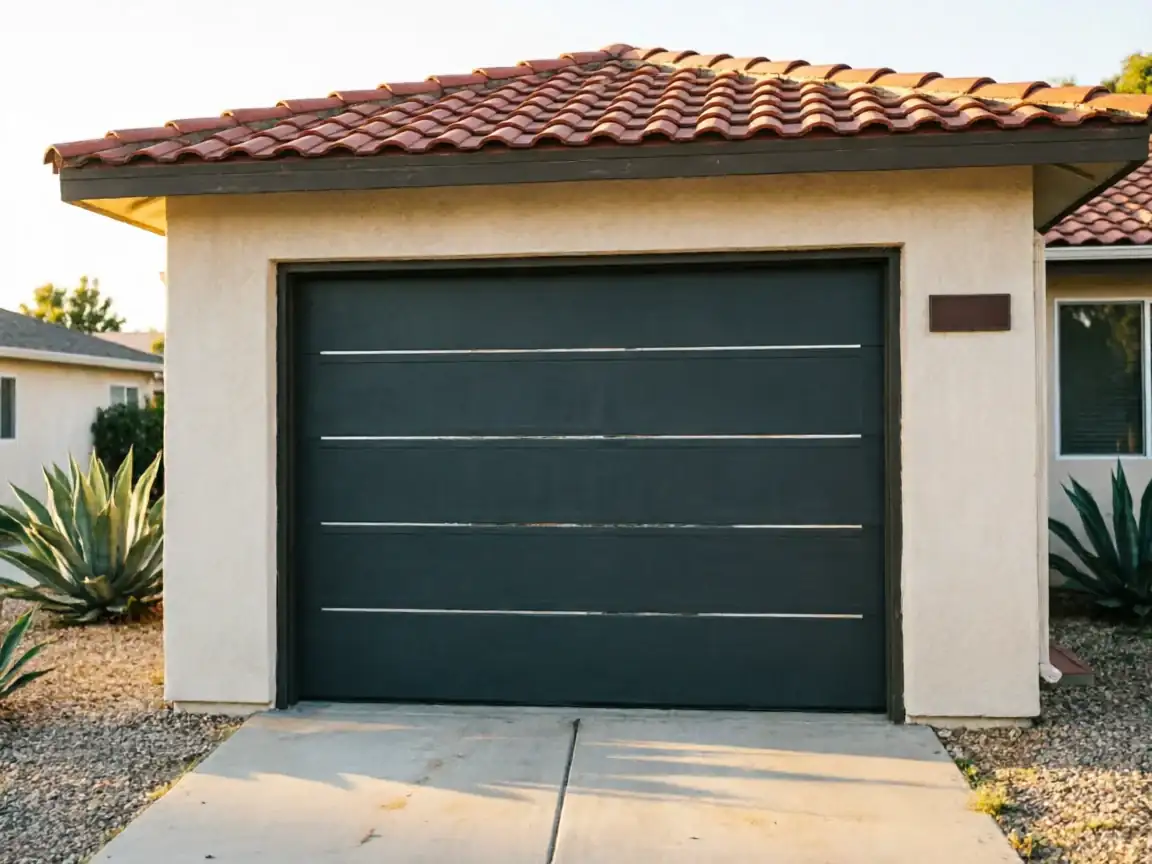
New garage door installation for San Ramon homes built 1938-2008, from older single-car openings to today's wider double-door layouts near Blackhawk and Norris Canyon.
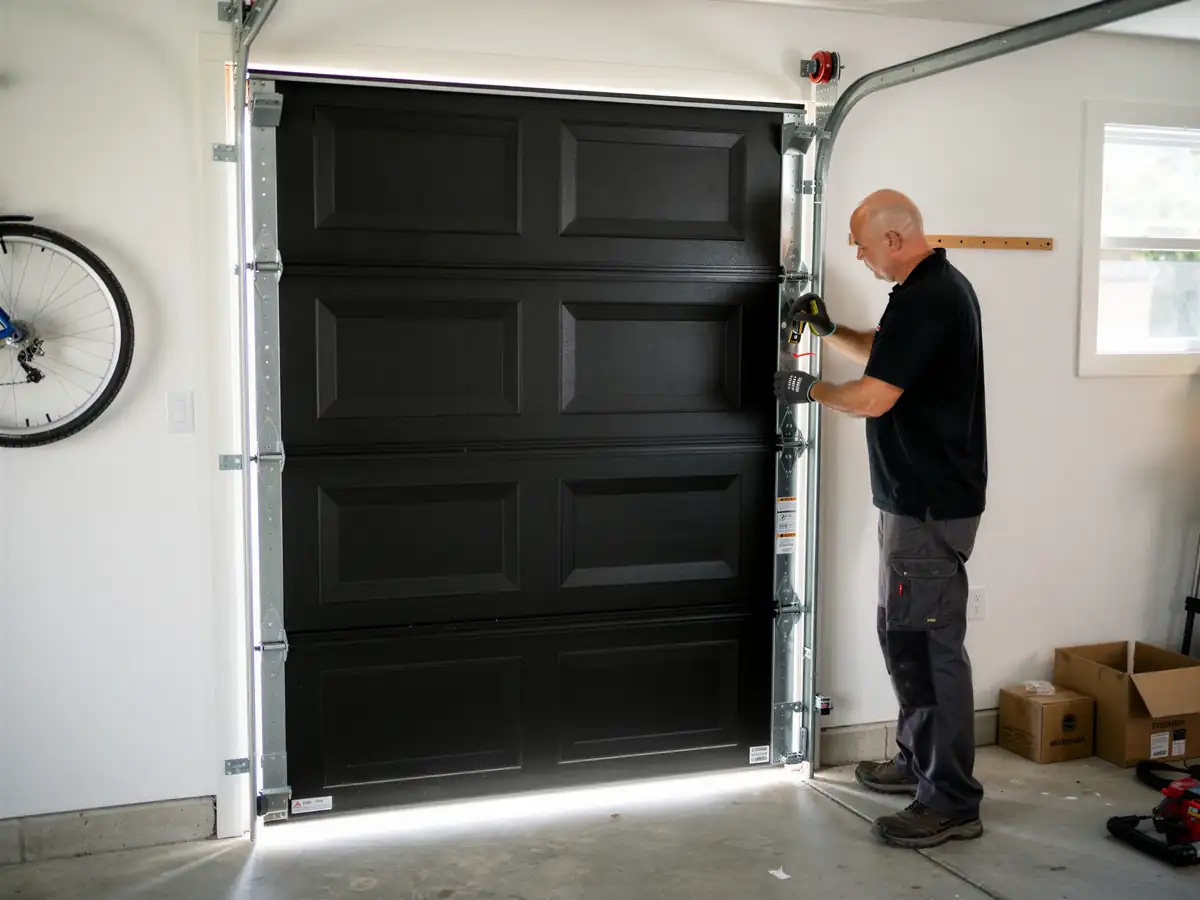
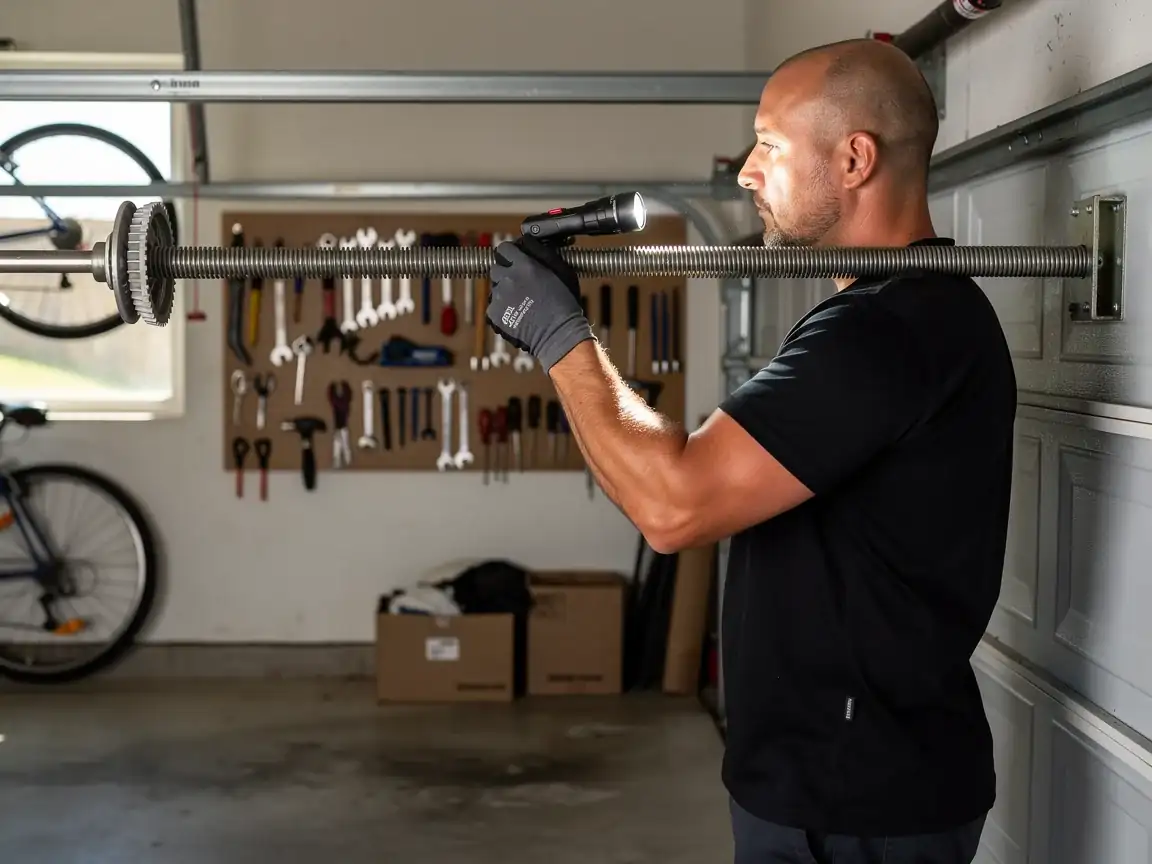
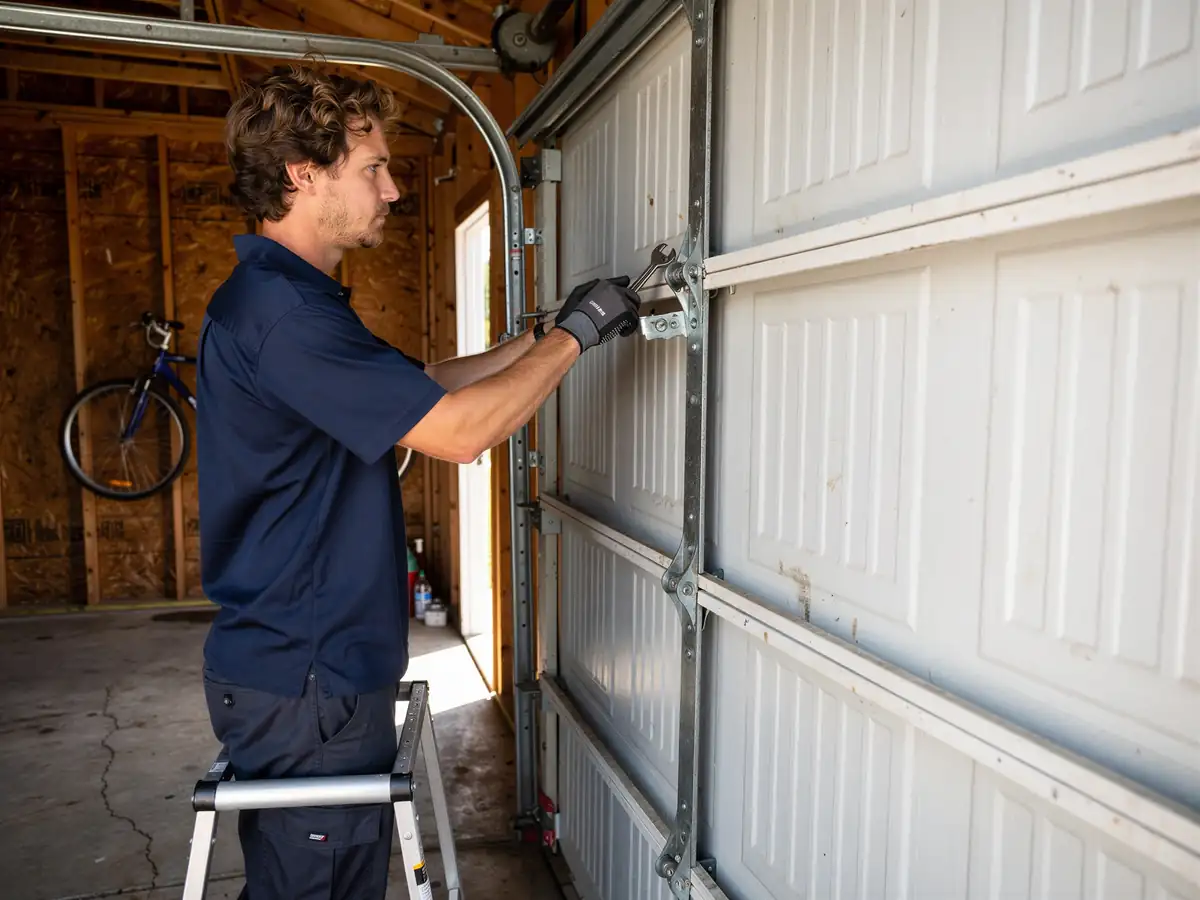
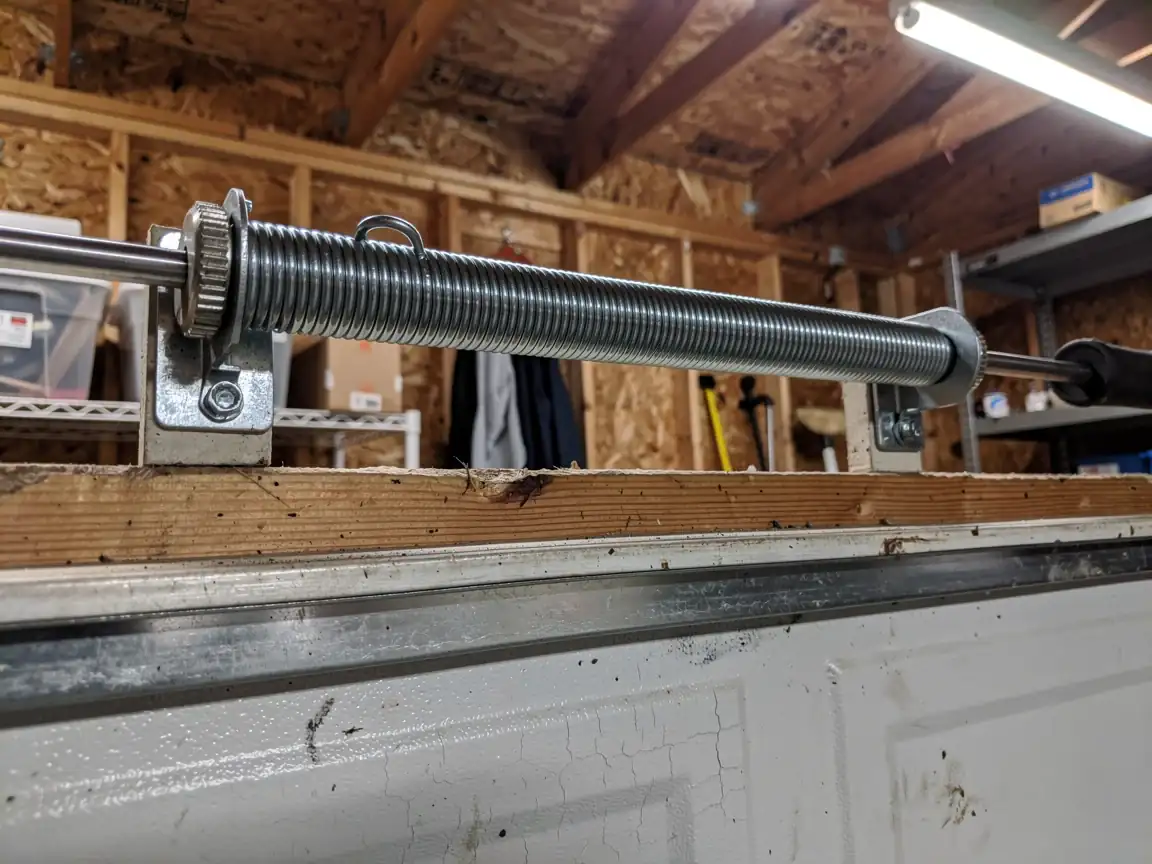
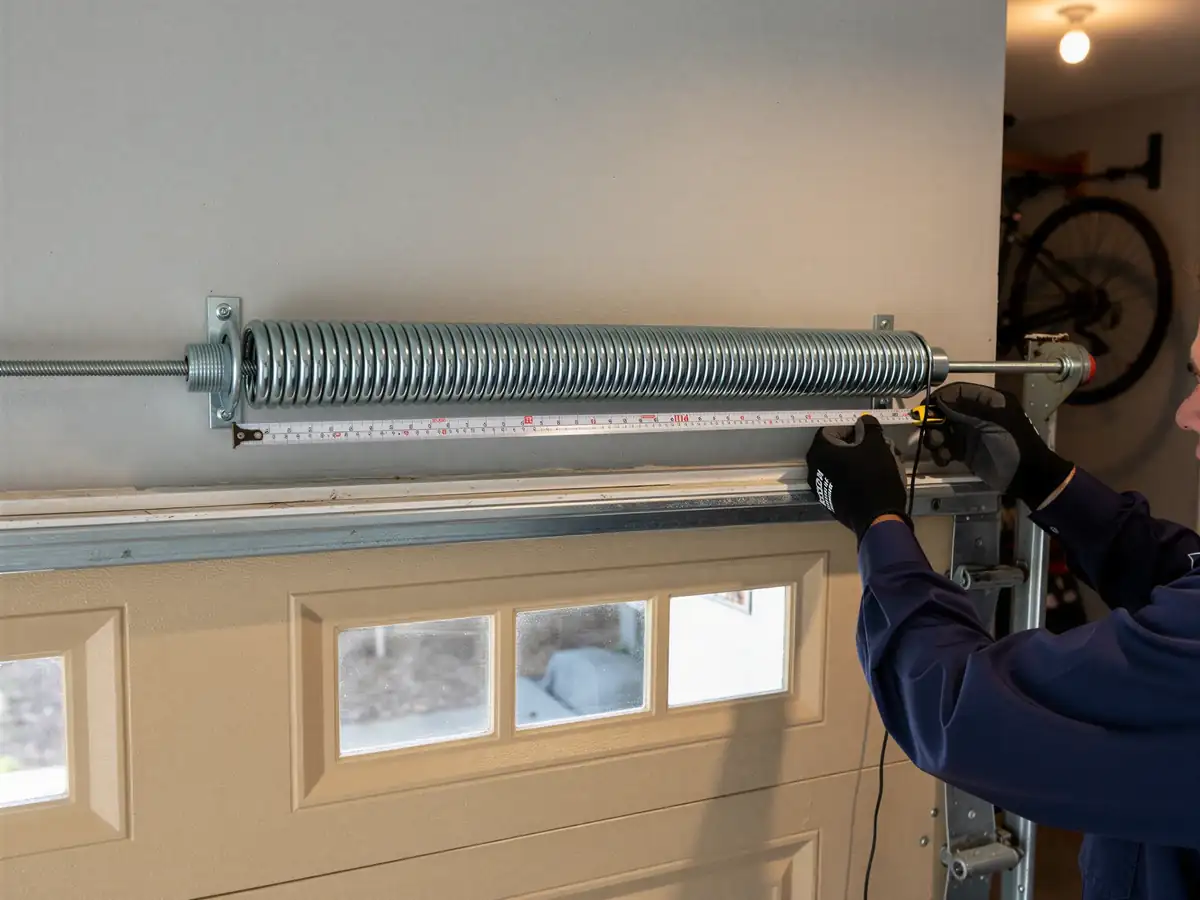
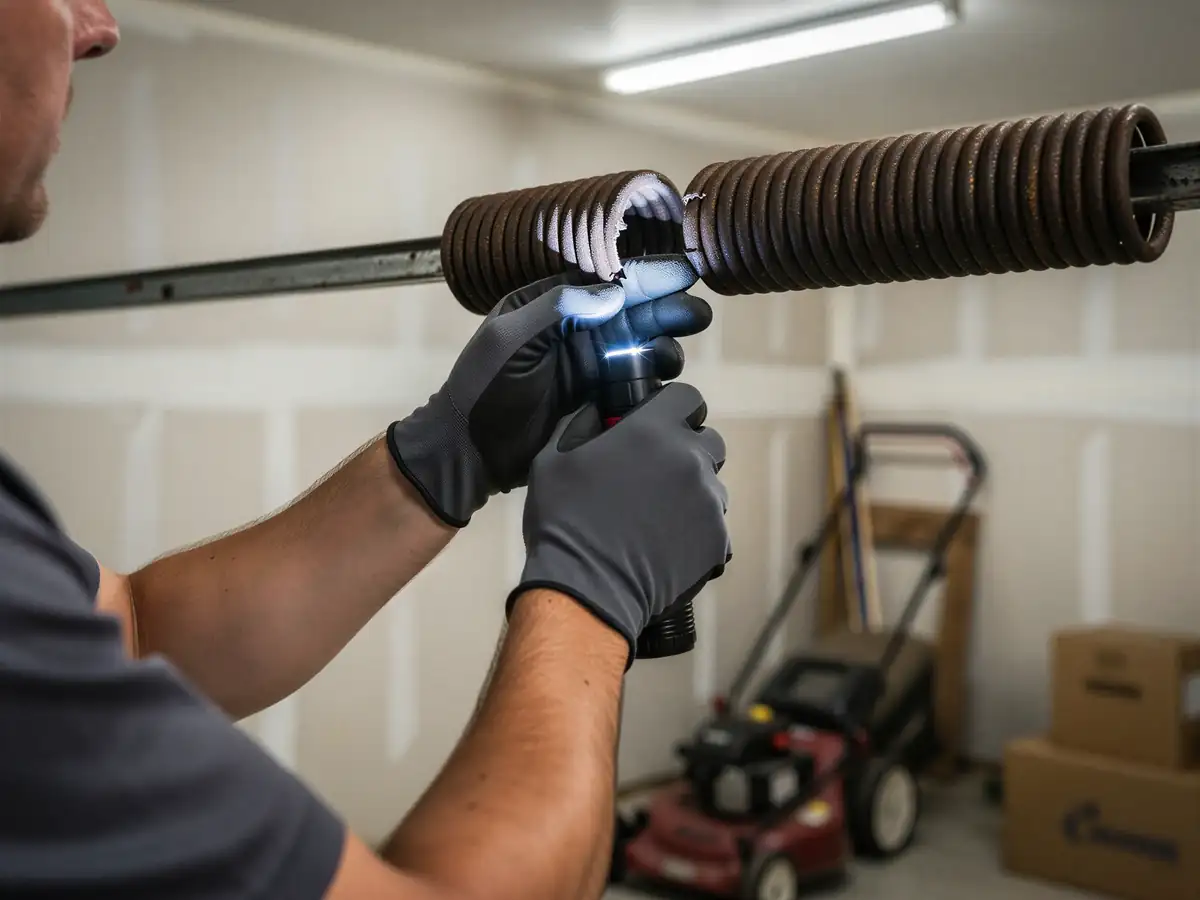
A garage door replacement looks like a weekend project until you're holding a 150-pound section over your head with no second person to help. The panels aren't the hard part - it's the torsion spring system above the door that does the actual lifting work, and that spring is wound under enough tension to break bones if it slips off a winding bar. If you've got a single-car door on an older San Ramon house built before 1973 (the median build year across this area), swapping it for a like-for-like replacement with the same track width is the kind of job a confident DIYer can plan for, provided they rent the right winding bars and don't skip the safety cables. Where it stops being a weekend project is anything involving a wider opening, a new header, or reworking the track to fit a taller door - common when homeowners here upgrade from a single to a double-wide opening. At that point you're into structural framing and opener mounting that needs to be square and level, not just tight. Our honest limitation: we don't do same-day installs on custom or oversized openings - doors built to non-standard widths have to be ordered, and that's a manufacturer lead time we don't control.
What Causes It Around Here
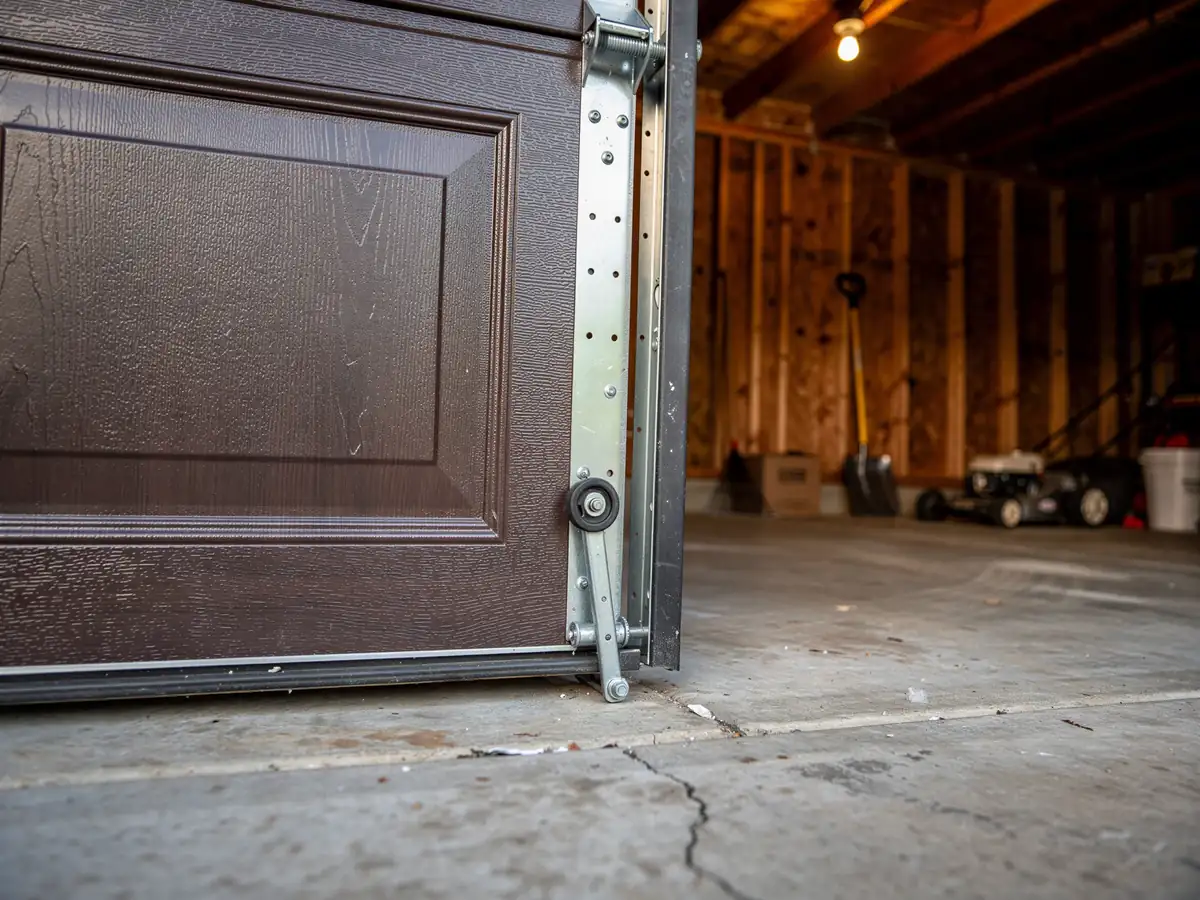
San Ramon's housing stock runs from 1938 up through 2008, but the bulk of it - across the 29 named areas in this part of the East Bay - was built in the 1960s and 70s. That matters for installation because those original openings were sized for the doors of their era: narrower single-car bays, lighter steel, and tracks mounted for openers that have long since been replaced. When a homeowner finally wants a modern insulated door or a wider two-car opening, the existing framing often doesn't match what current doors are built to fit, so it's not a drop-in swap. The climate here is mild with occasional freeze nights, which is gentler on a door than coastal fog or heavy snow load, but it still means older wood jambs and headers from the 1960s-70s builds have had five-plus decades of seasonal expansion and contraction. That's usually what we find once we pull the old door off: a jamb that's shifted slightly out of square, which has to get corrected before a new door goes in true.
The Symptom
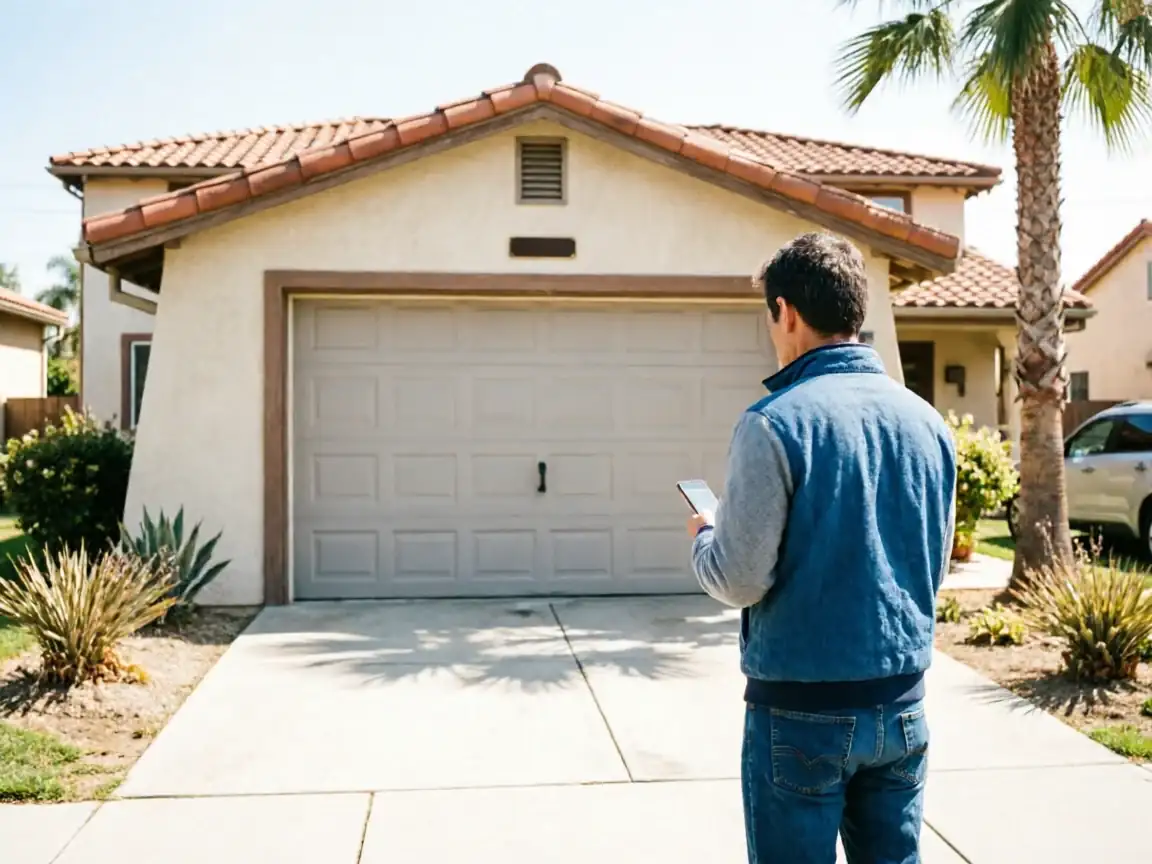
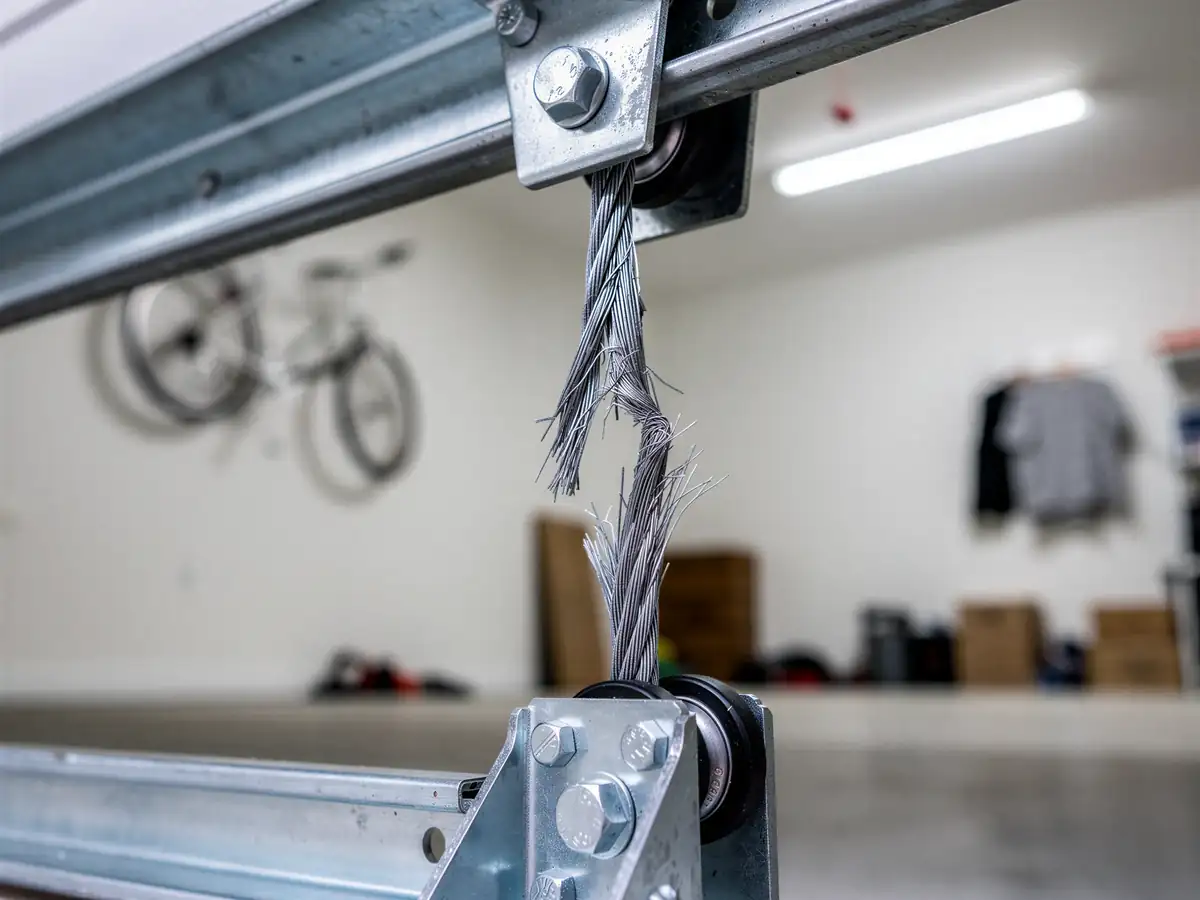
Most installation calls start with one of two things. Either the existing door is failing outright - a cracked panel, a spring that's given out for the second or third time, or hardware that's been patched so many times it's not worth another repair - or the homeowner wants to change what the door does, like going from a single to a double opening, or swapping a flat steel door for an insulated one before a long cold snap. If you're noticing daylight around the edges of an older door, a frame that doesn't sit flush anymore, or an opener that strains to lift a door that feels heavier than it should, those are signs the whole unit - not just a part - needs to come out. We also hear from owners in the Blackhawk and Norris Canyon area dealing with oversized custom doors that were built to match a specific home design; those aren't off-the-shelf replacements and take longer to source.
The Cost of This Job
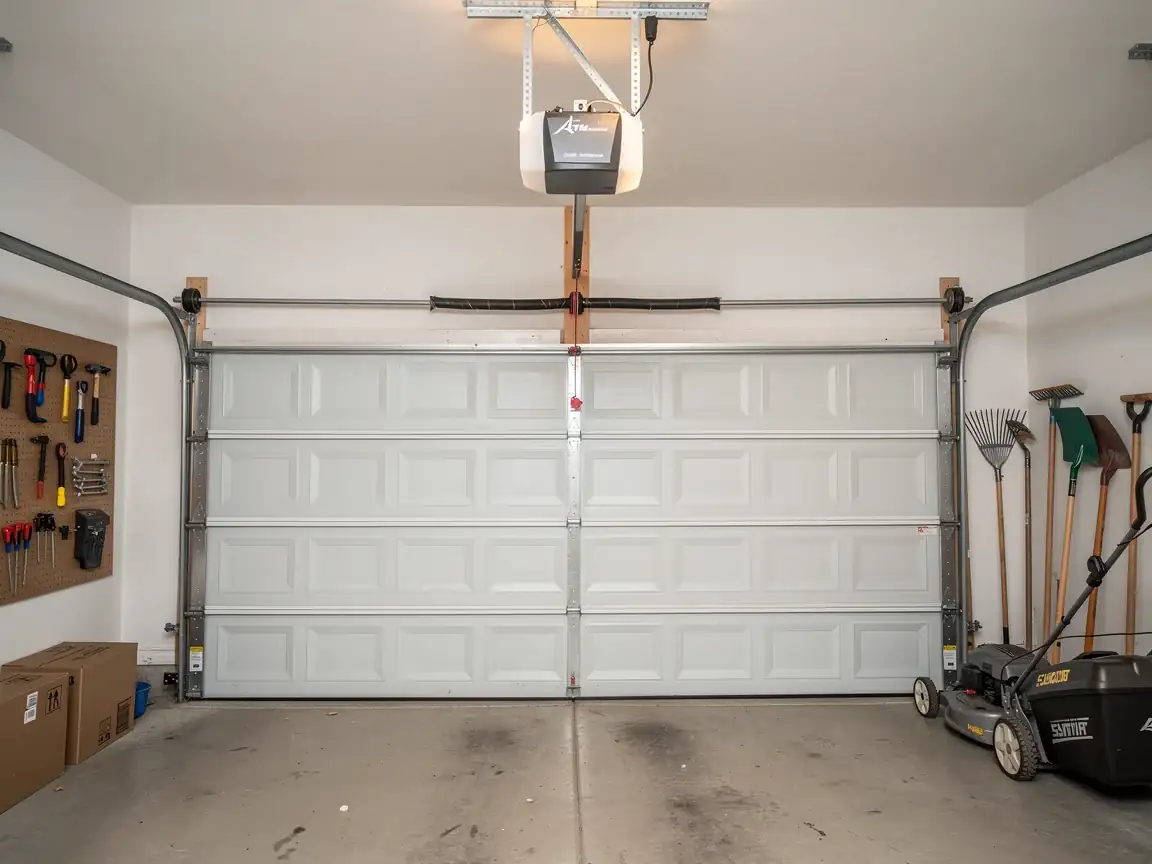
We're not going to quote a number here that doesn't hold up once we see your actual opening, but a few things drive the cost of installation in this area specifically. A standard single or double door replacement that fits an existing 1960s-70s opening without framing changes is the simplest version of this job. Add a wider opening, a new header, or insulation upgrades suited to our mild-with-freeze climate, and the labor and material cost goes up with it. Given the median household income across this service area sits well above $140,000, we see a fair number of owners opting for insulated or custom-panel doors rather than the builder-grade option, which shifts cost toward materials rather than labor. The one number we can tell you for certain: if your project needs a custom-width door, expect the order lead time to be the bulk of your wait, not our install day.
How it works
From “it’s stuck” to “it’s fixed”
01
Tell us what’s wrong
Describe the symptom - won’t open, loud bang, opener runs but the door won’t move.
02
On-site diagnosis
A technician tests the door under power and by hand and finds what actually failed.
03
Clear, up-front plan
You get the fix that’s needed and what drives the cost - before any work starts.
04
Repaired & tested
The repair is done, the door is set true and tested, and the work area left clean.
Not sure which repair your door needs in San Ramon, CA? Describe what it’s doing - every job starts with a diagnosis.
01Can I replace just the door and keep my old opener?
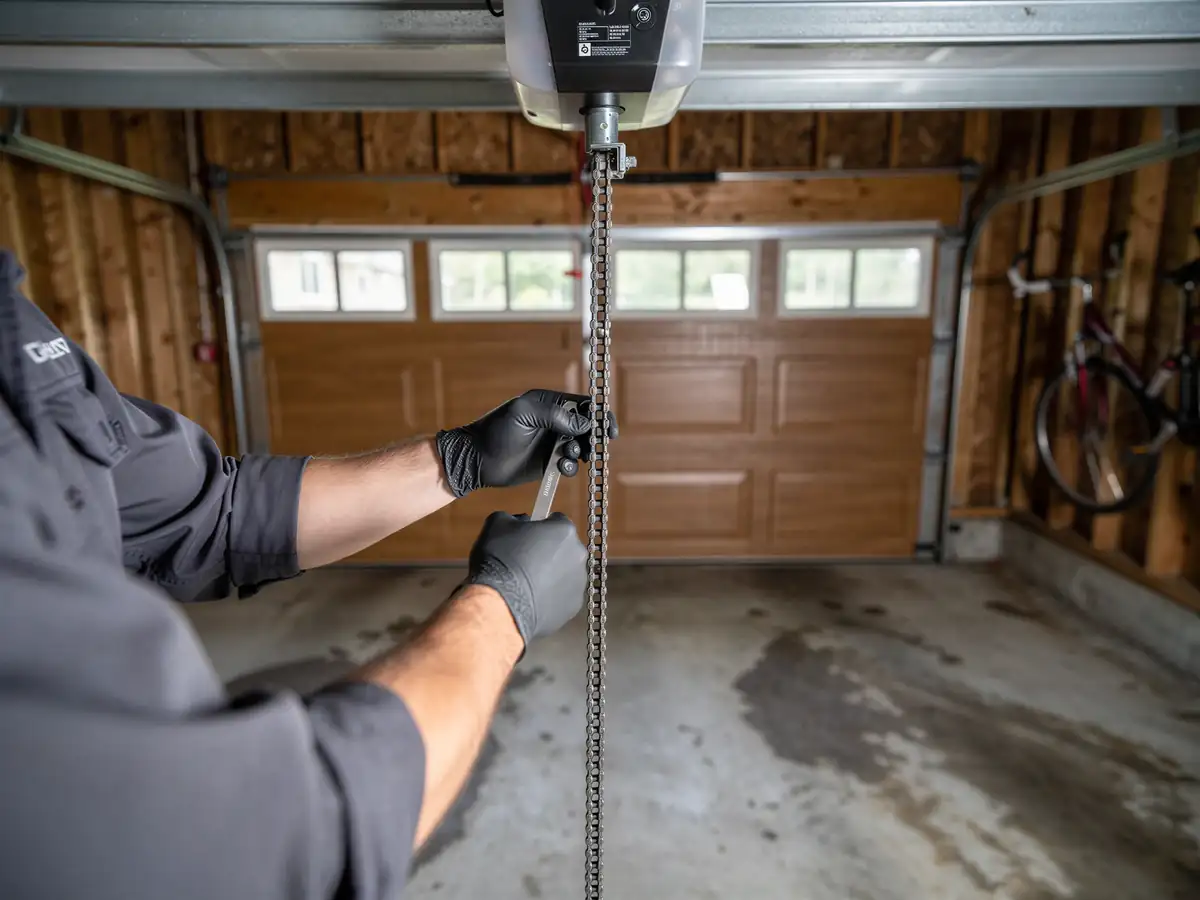
Often yes, if the opener is in good shape and the new door isn't significantly heavier. We check the opener's lift capacity against the new door's weight before reusing it - mismatched weight is one of the more common reasons a newly installed door won't open smoothly.
02Do older San Ramon homes need special framing work for a new door?
Sometimes. Houses from the 1960s-70s building boom here often have jambs that have shifted slightly over the decades. We check square and plumb before setting a new door, and if the framing's off, that gets corrected first rather than forcing a new door into an old opening.
03How long does a full installation take?
A standard swap on an existing opening is usually a single-day job. Custom-width doors or anything requiring new framing takes longer, mostly because of manufacturer lead time on the door itself, not the install work.
Ready to get your garage door sorted?
Tell us what it’s doing and where you are in San Ramon - we’ll take it from there.