What That Means for Doors
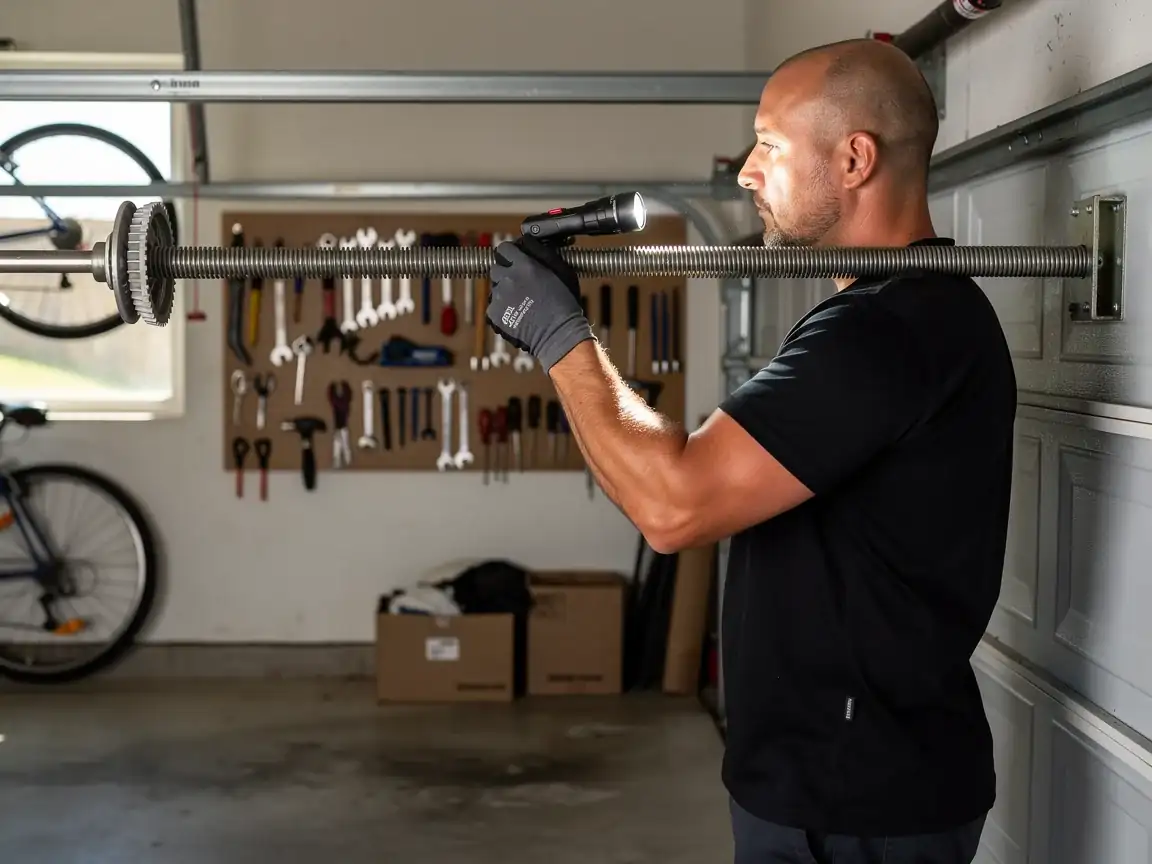
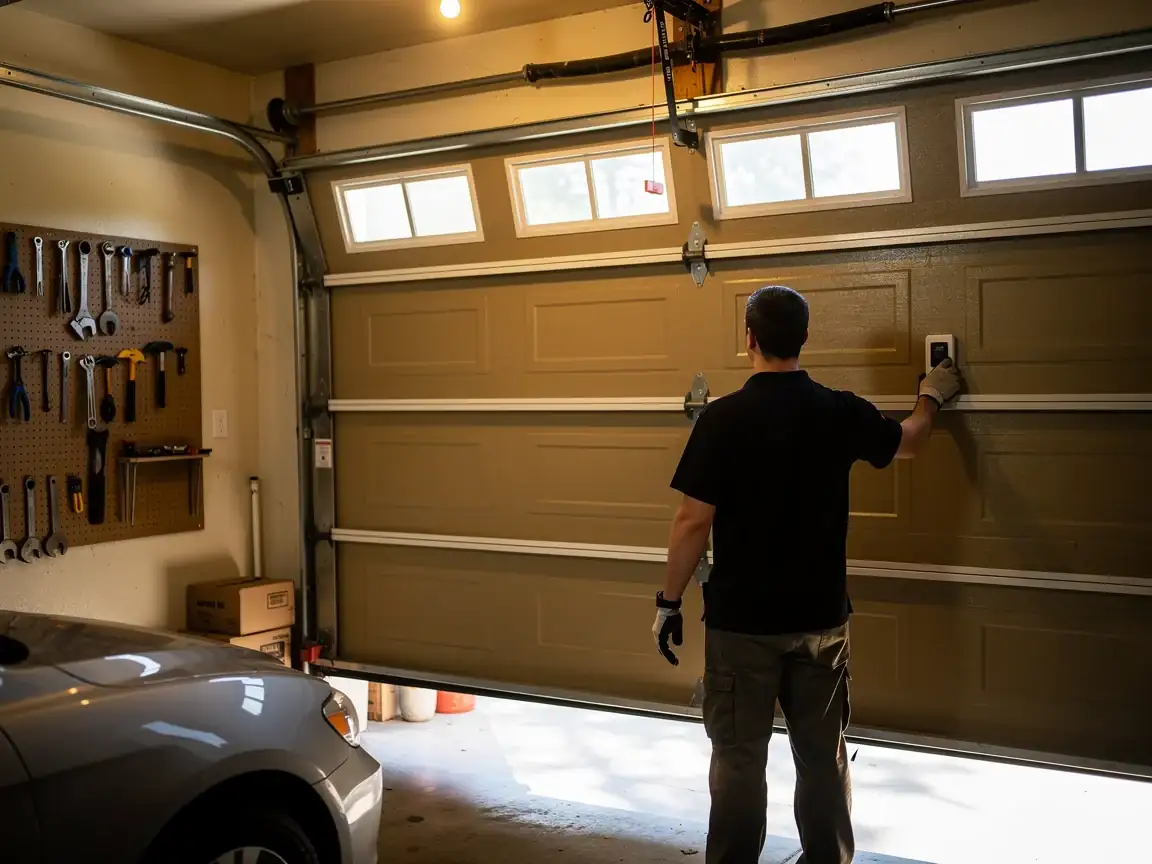
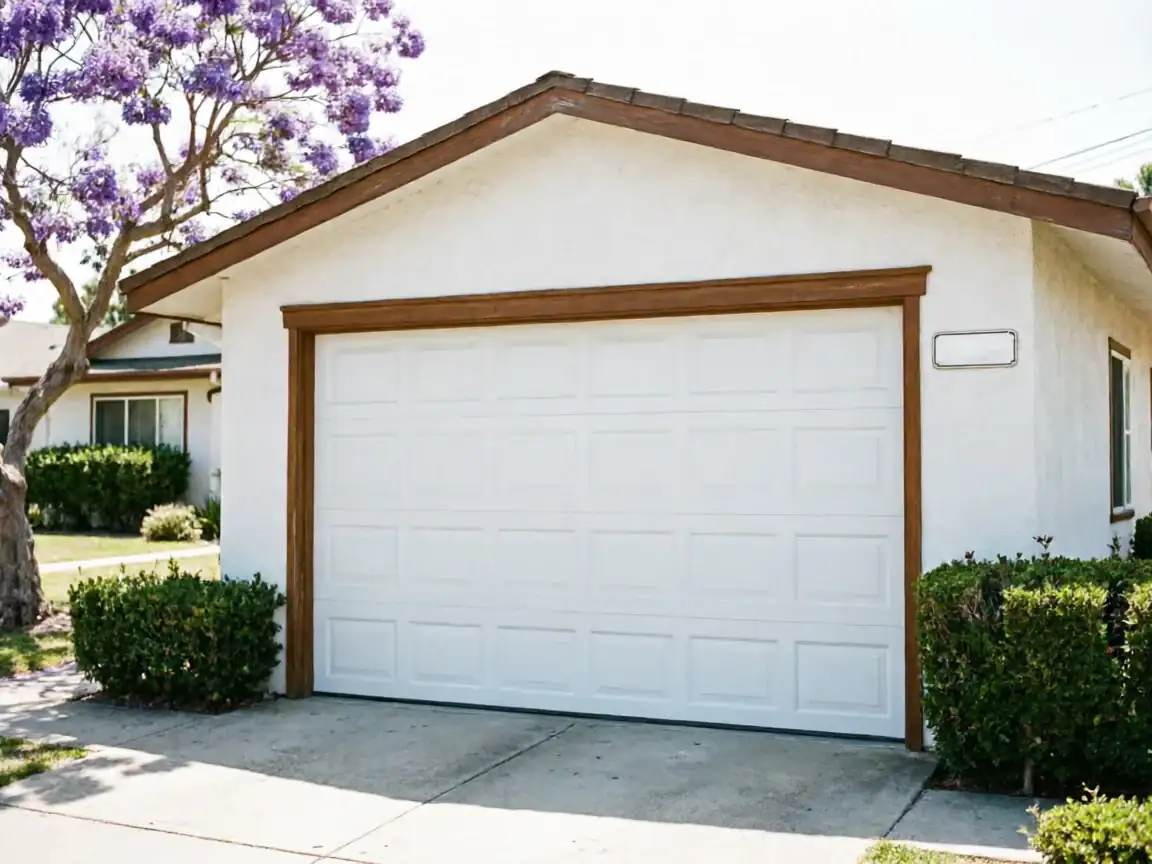
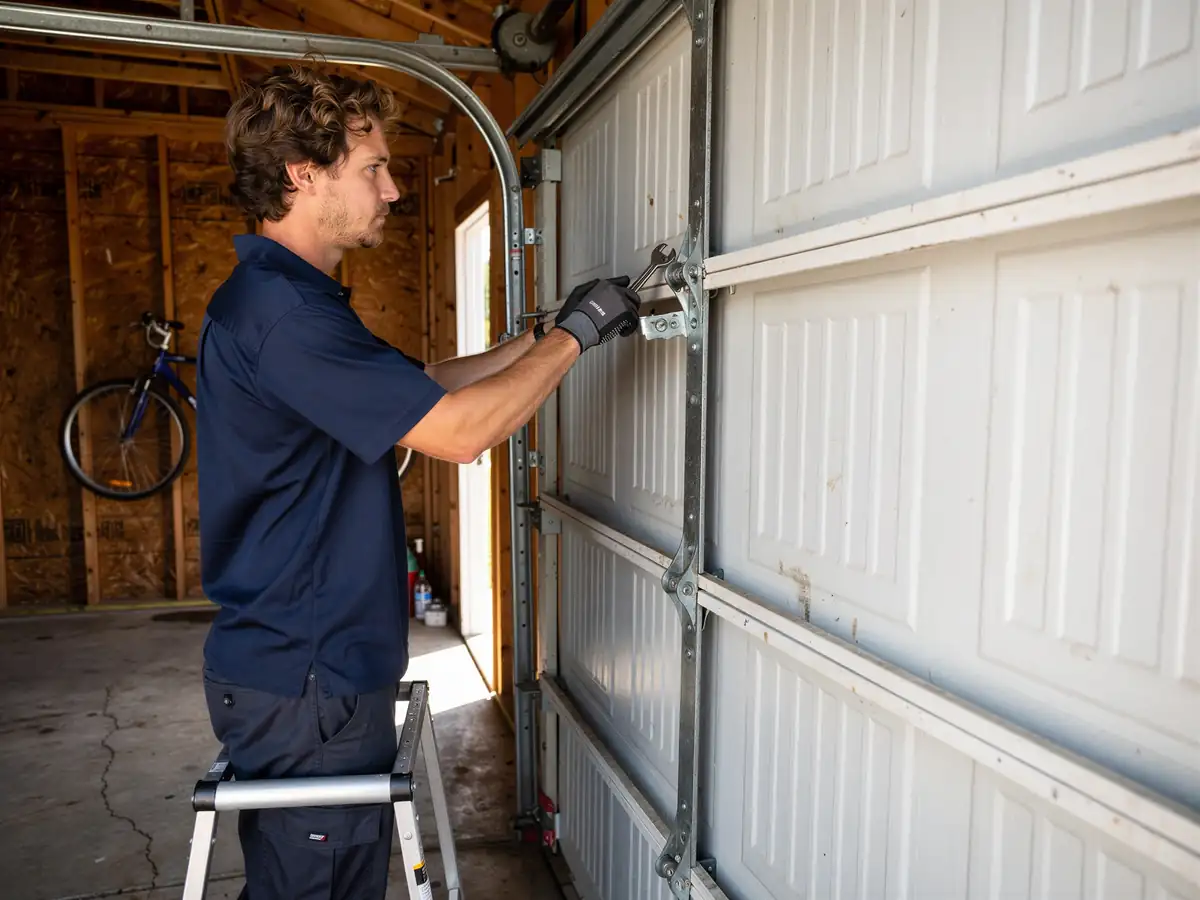
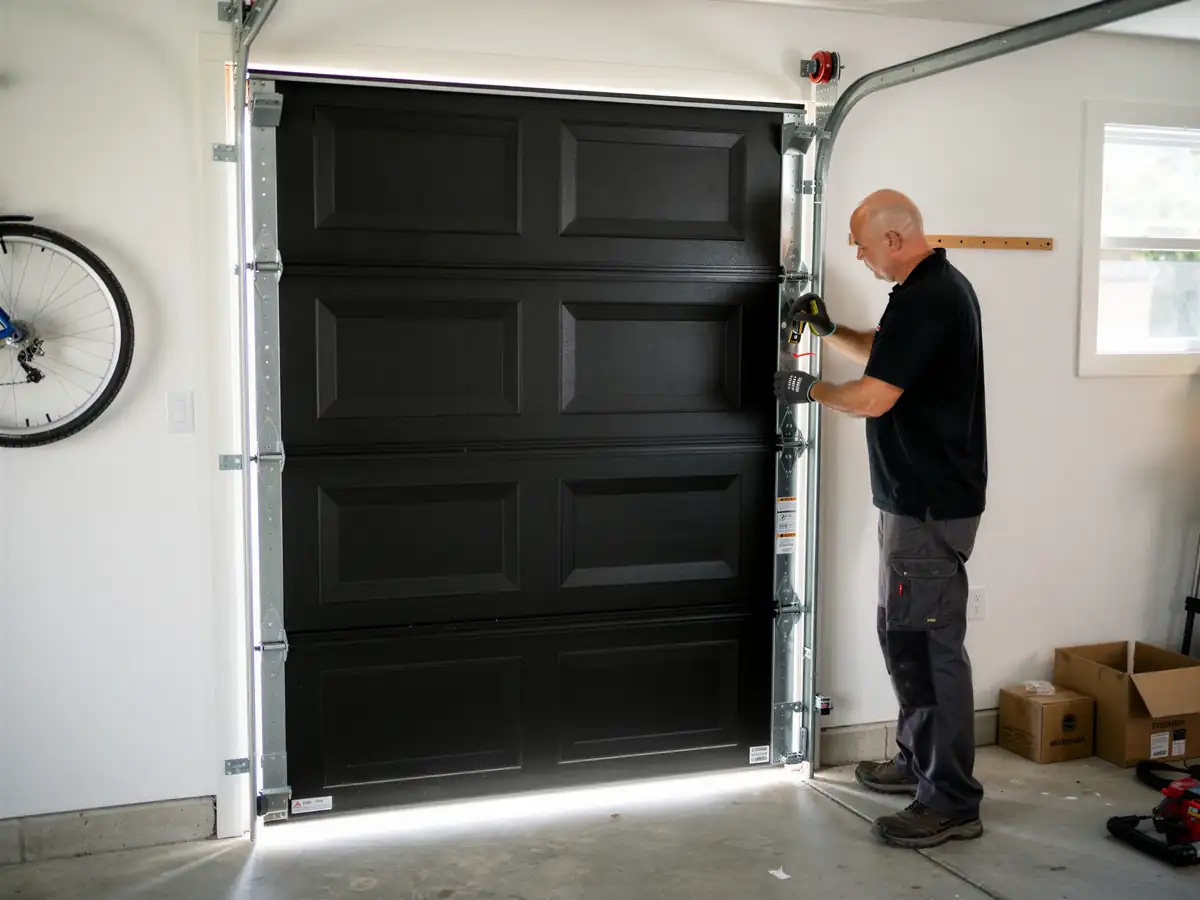
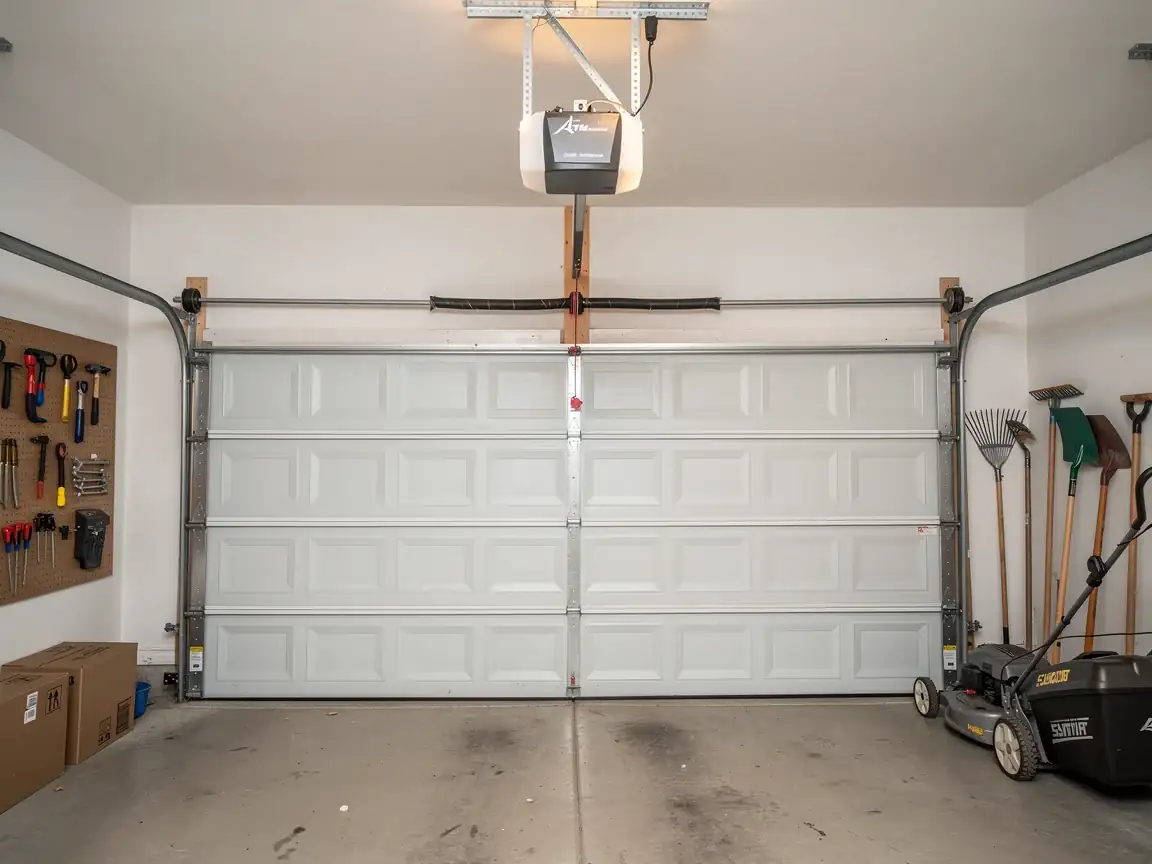
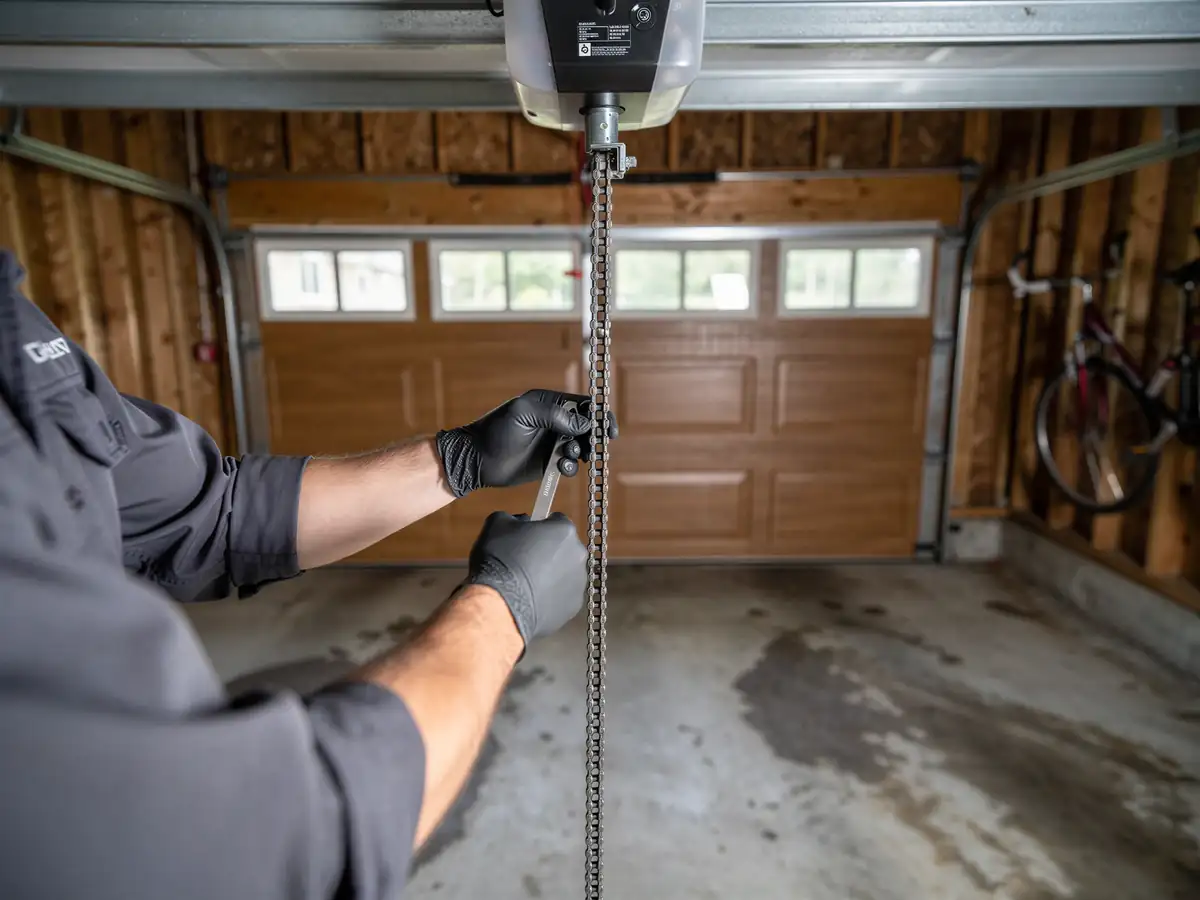
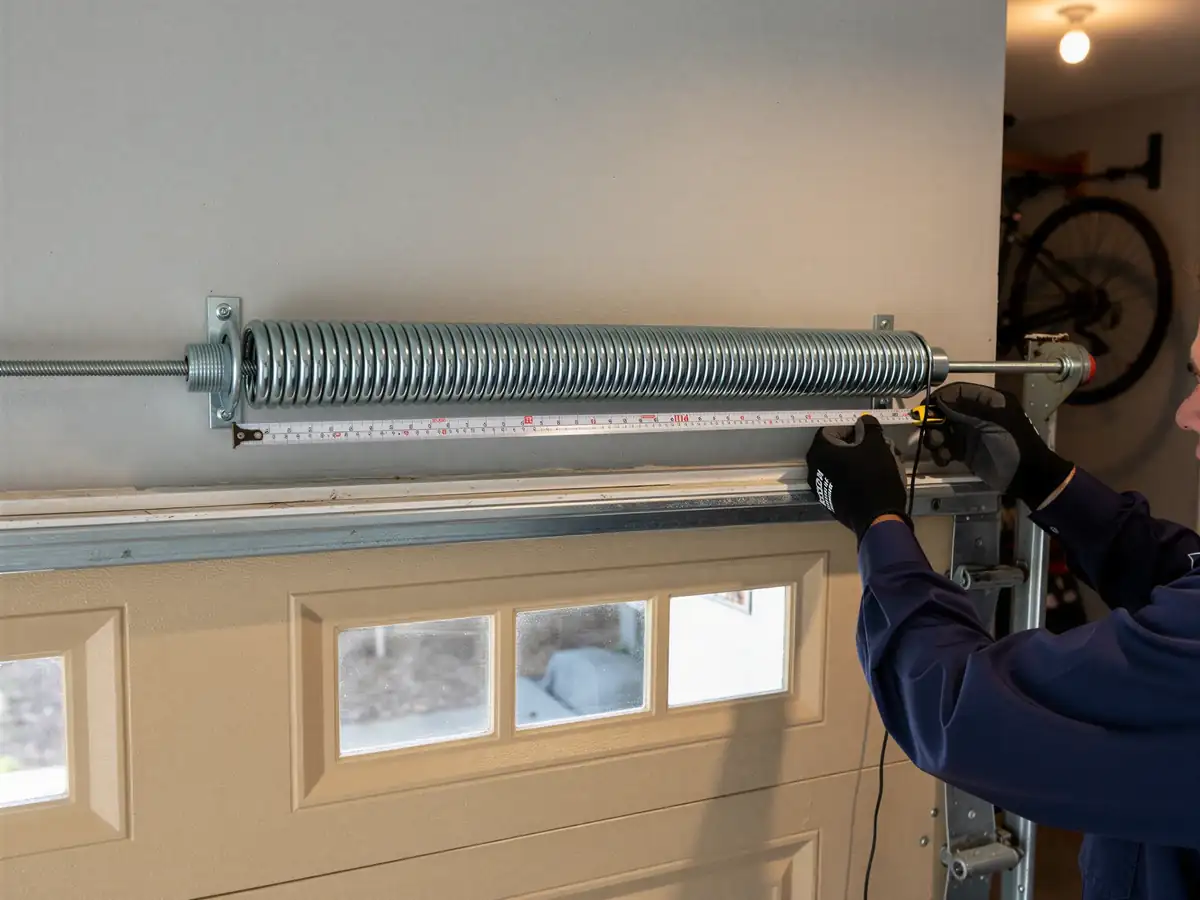
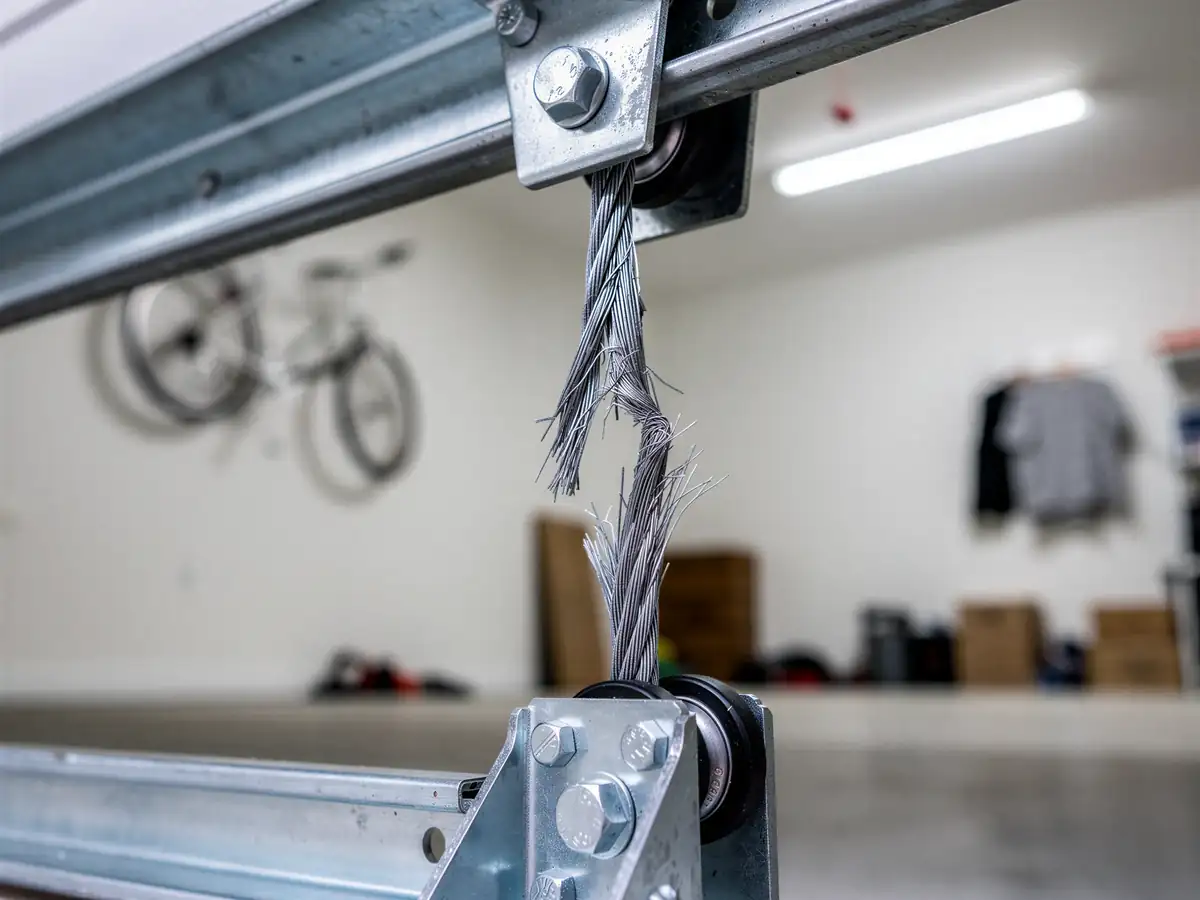
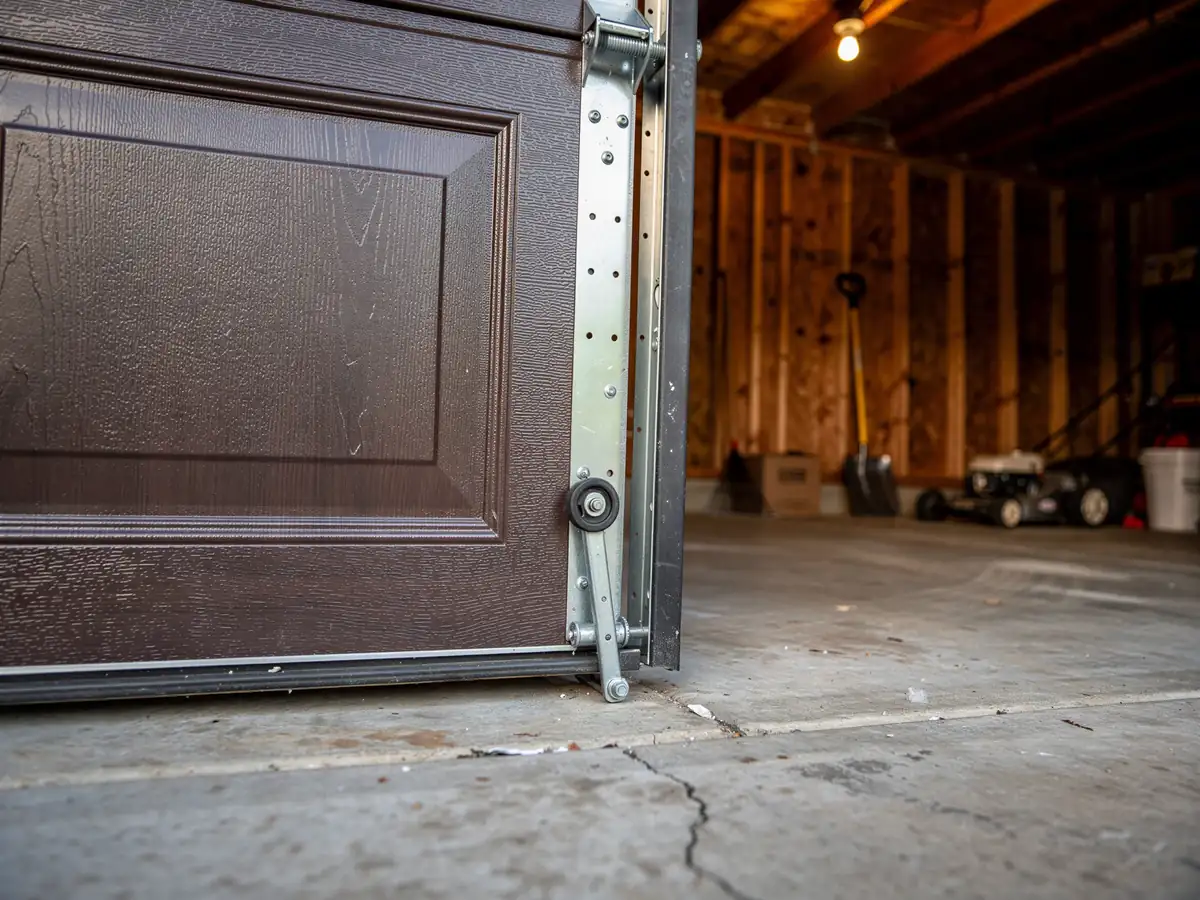
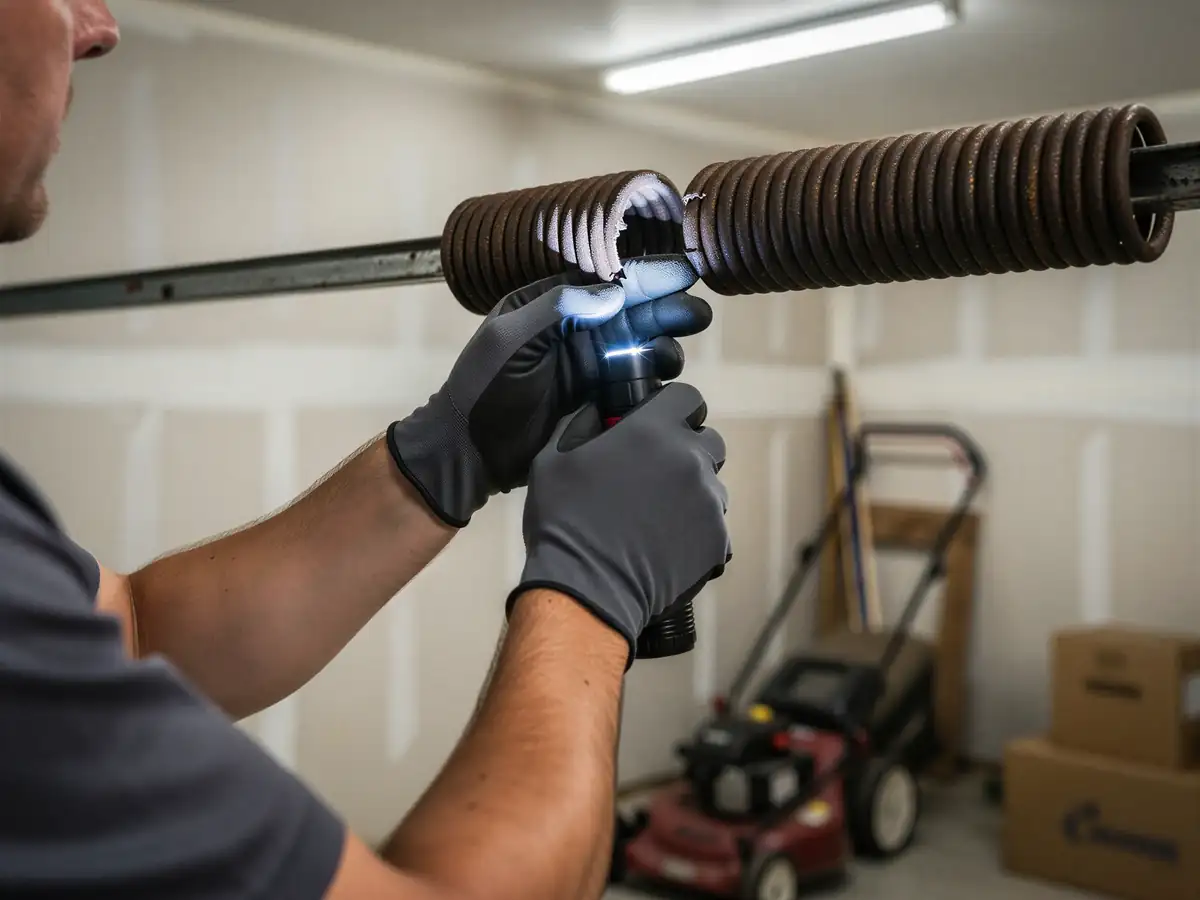
A door installed when Lyndon Johnson was president doesn't use the same hardware as something put in during a 2000s remodel. The older doors in Castro Valley tend to run on side-mounted torsion springs with a stamped-steel track that's narrower than current stock, and the drums and cables sized for them aren't something every supplier keeps on the shelf. When a spring snaps on one of these, we're matching wire diameter and wind direction to a door that may have been rebuilt once already with mismatched parts, which happens more than you'd think. Openers are the other half of it. A lot of these garages have had the opener replaced at least once without anyone touching the actual door hardware underneath, so you get a newer chain-drive bolted to a 1960s track and header bracket that's starting to work loose. That combination is where we spend a fair amount of time just squaring up the mounting before the opener itself gets touched. It's slower work than a straight swap, but skipping it means the new opener fights old, flexing hardware from day one.
Older vs Newer Streets
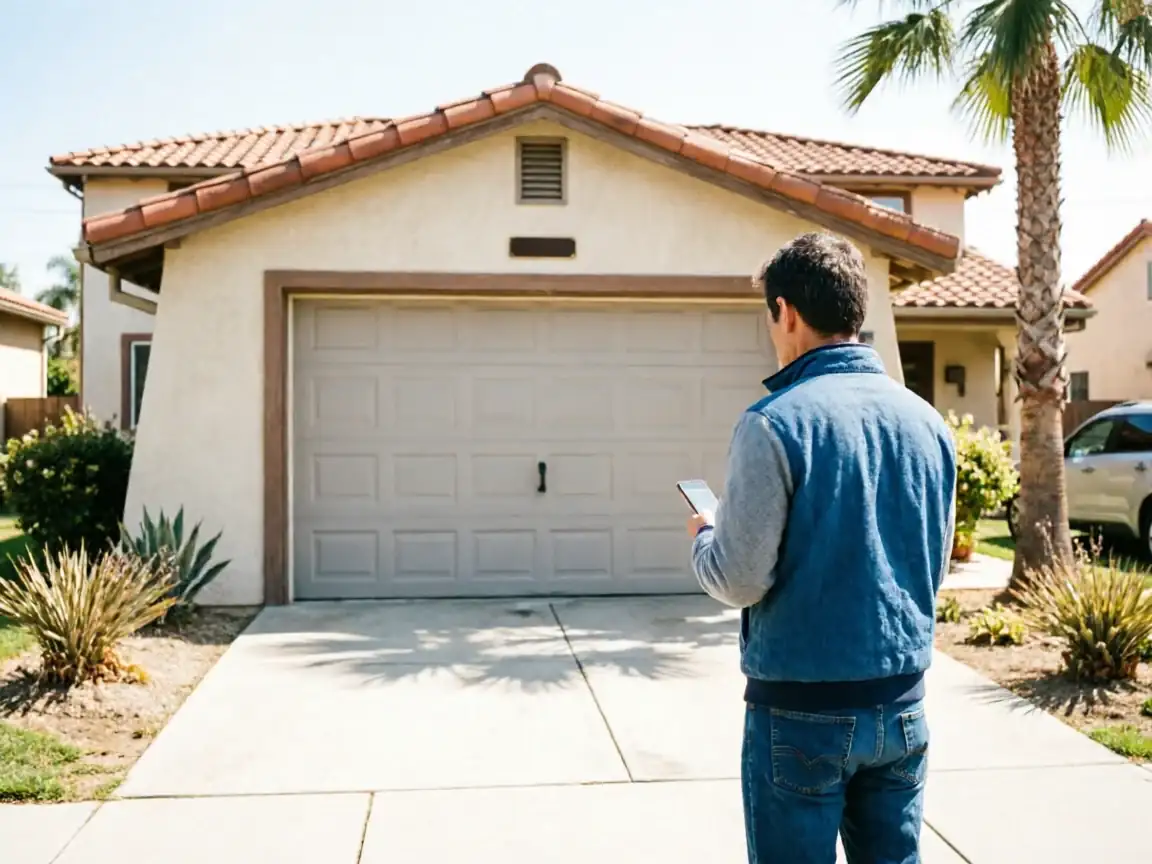
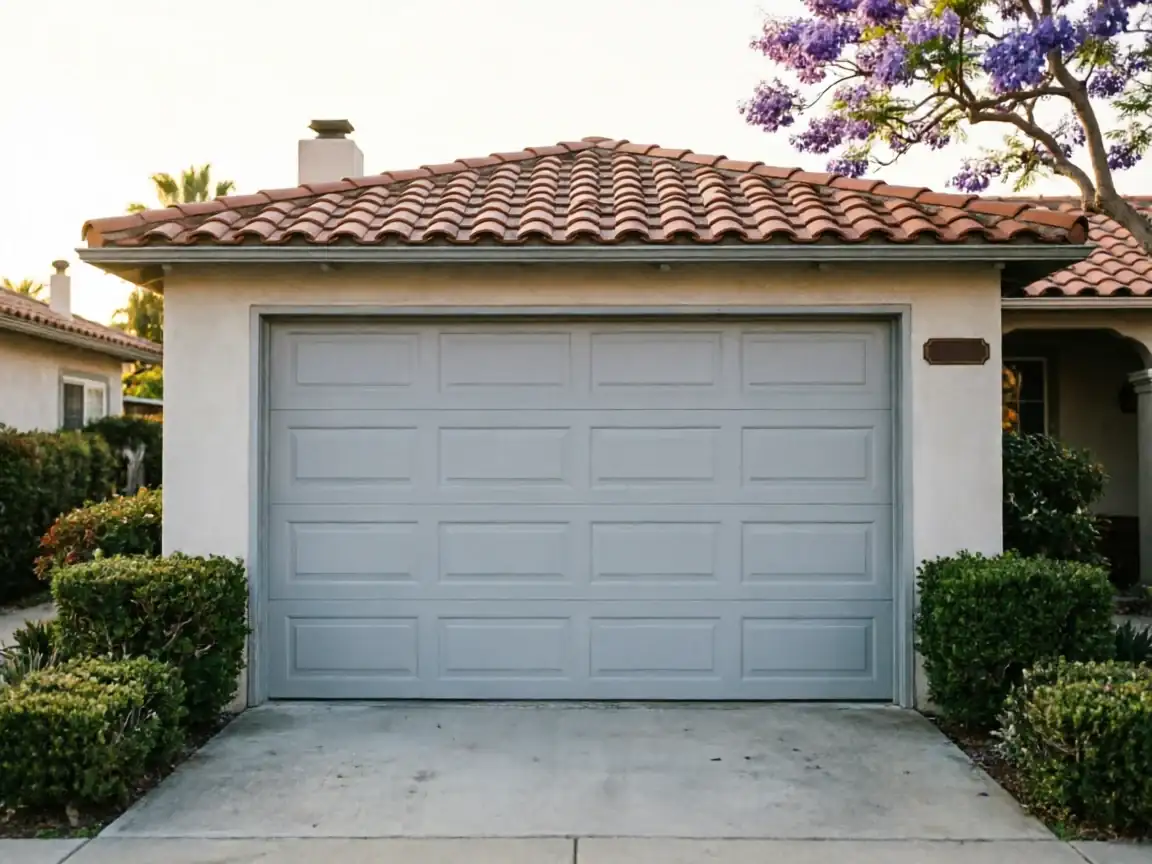
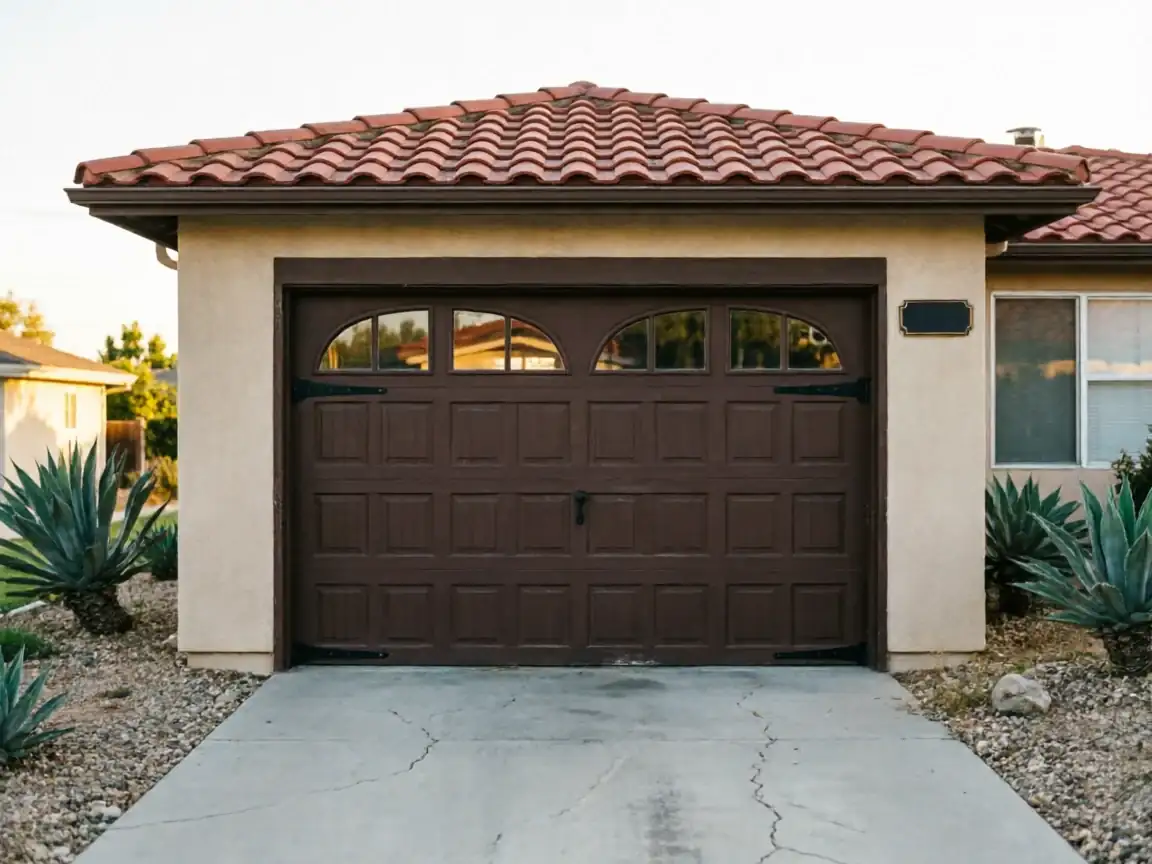
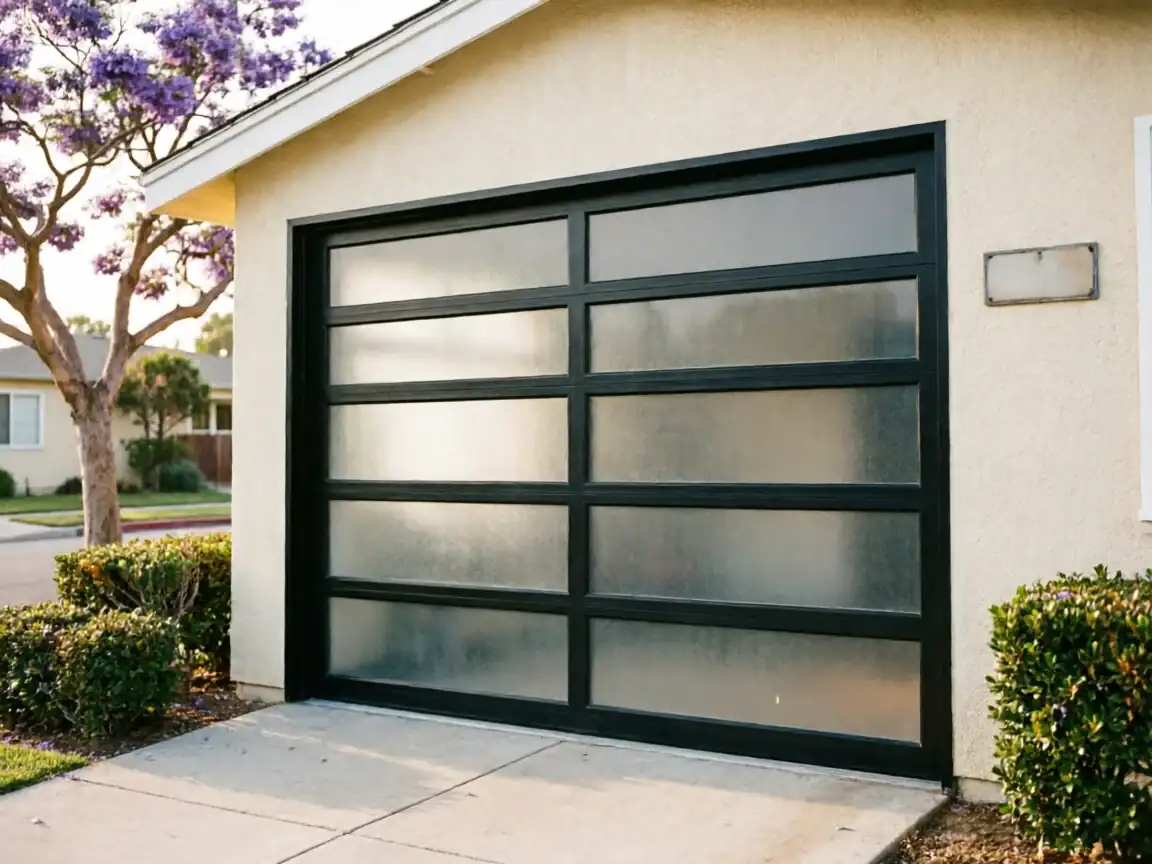
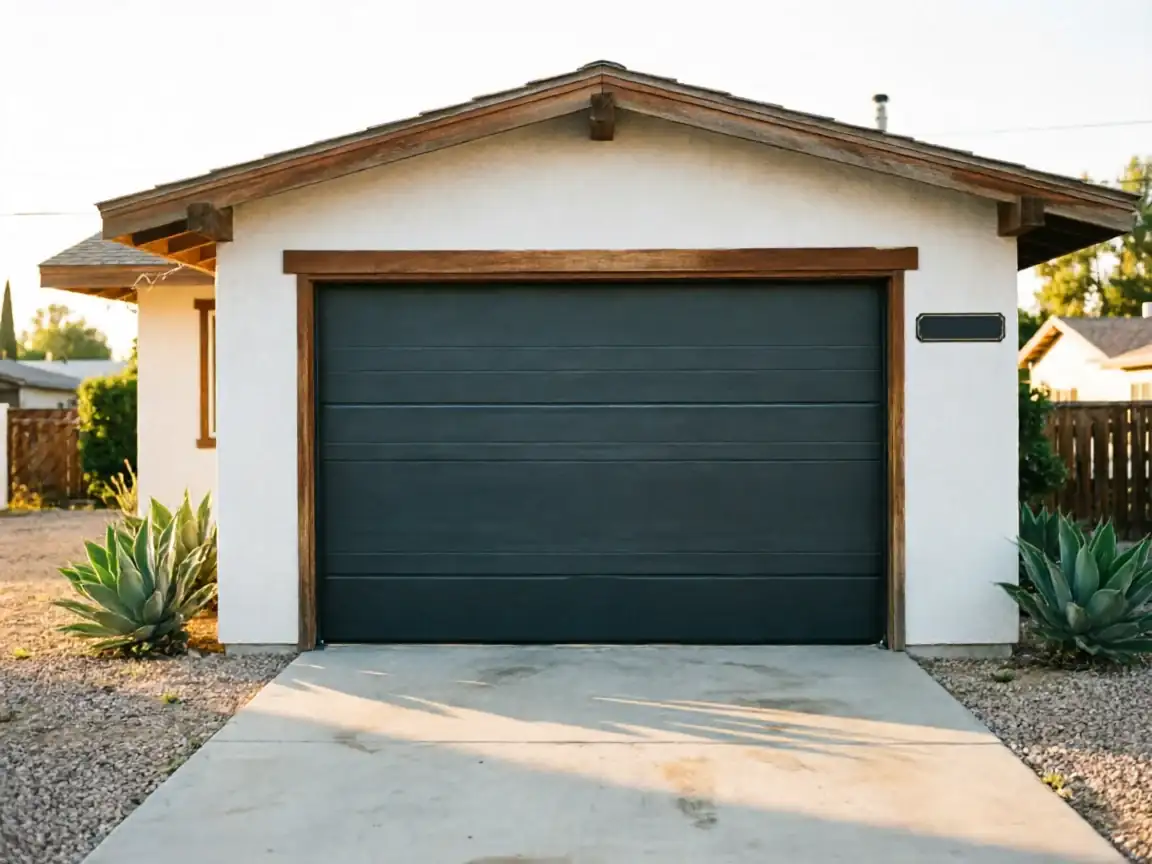
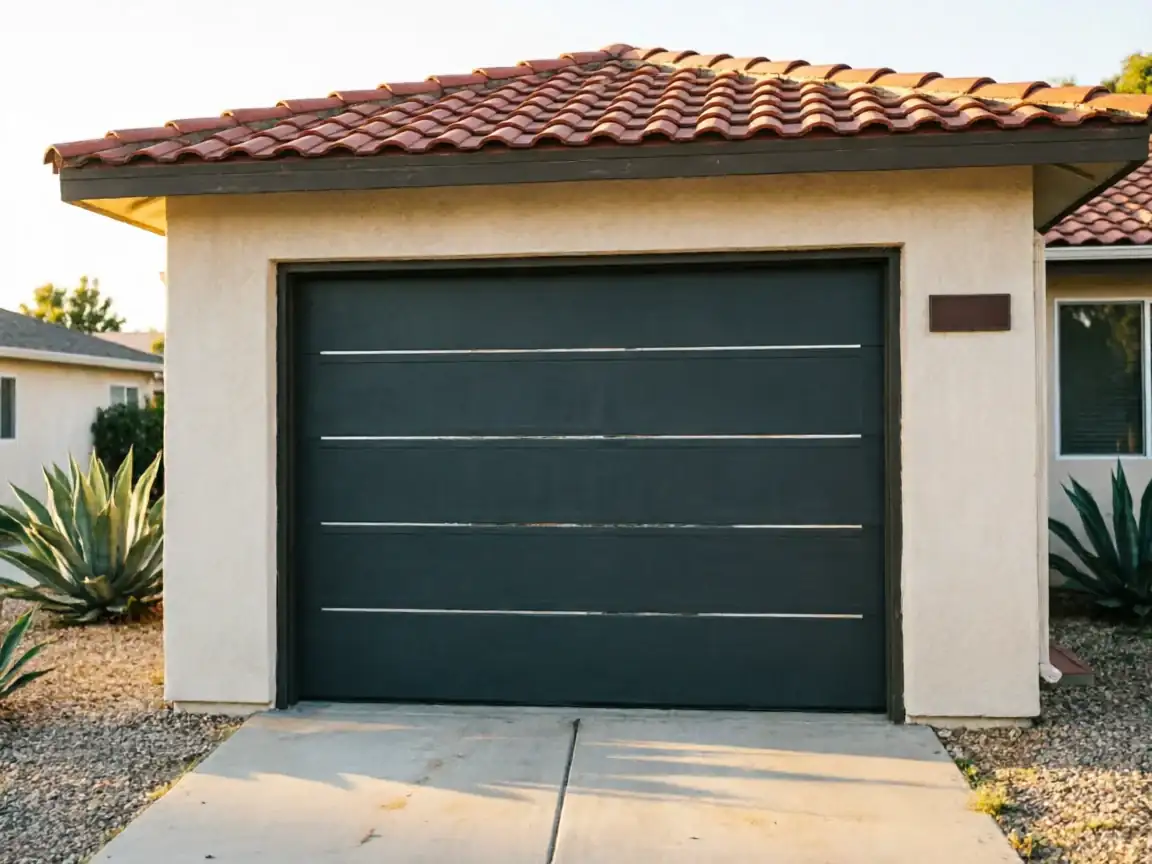
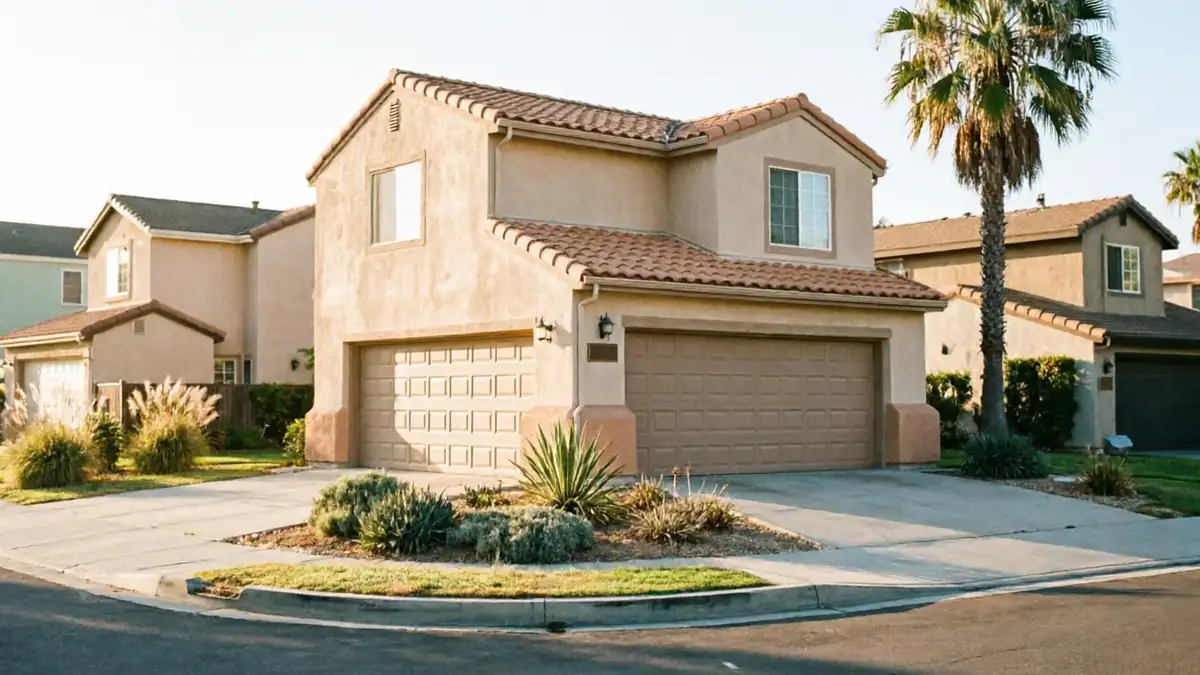
Not every block in Castro Valley is the same age, and that matters more than people assume. On the older streets, built closer to that 1966 median, you're mostly looking at single doors or narrow double doors on torsion springs, steel tracks, and openers that have been swapped out independently of the door itself over the decades. These are the calls where original parts are the issue - finding a spring or a roller bracket that still matches what's there. On newer construction scattered through later infill and remodels, the doors run wider, often insulated steel or composite panels, and the springs and openers are more standardized to current sizing, so parts are easier to source and the common complaints shift toward opener logic boards, sensor alignment, and belt wear rather than hardware fatigue. Knowing which kind of street a call is coming from before we load the truck saves a second trip for the right spring or bracket, which matters when we're driving in from San Ramon rather than working out of a depot in town.