Booking a Visit
We run out of San Ramon, about 8 miles from Castro Valley, so a visit here gets scheduled as a trip, not a drop-in. That's a short drive by Bay Area standards, but it means we ask a few questions up front - door size, whether it's moving at all, what you hear when it tries - so the truck that shows up has the right spring size and roller stock for a house this age. Tell us if the door won't budge at all versus just grinding; that changes what goes on the truck before we leave San Ramon. We'd rather ask twice on the phone than make you wait for a second trip because we guessed wrong on the hardware.
How Long You Are Without the Door
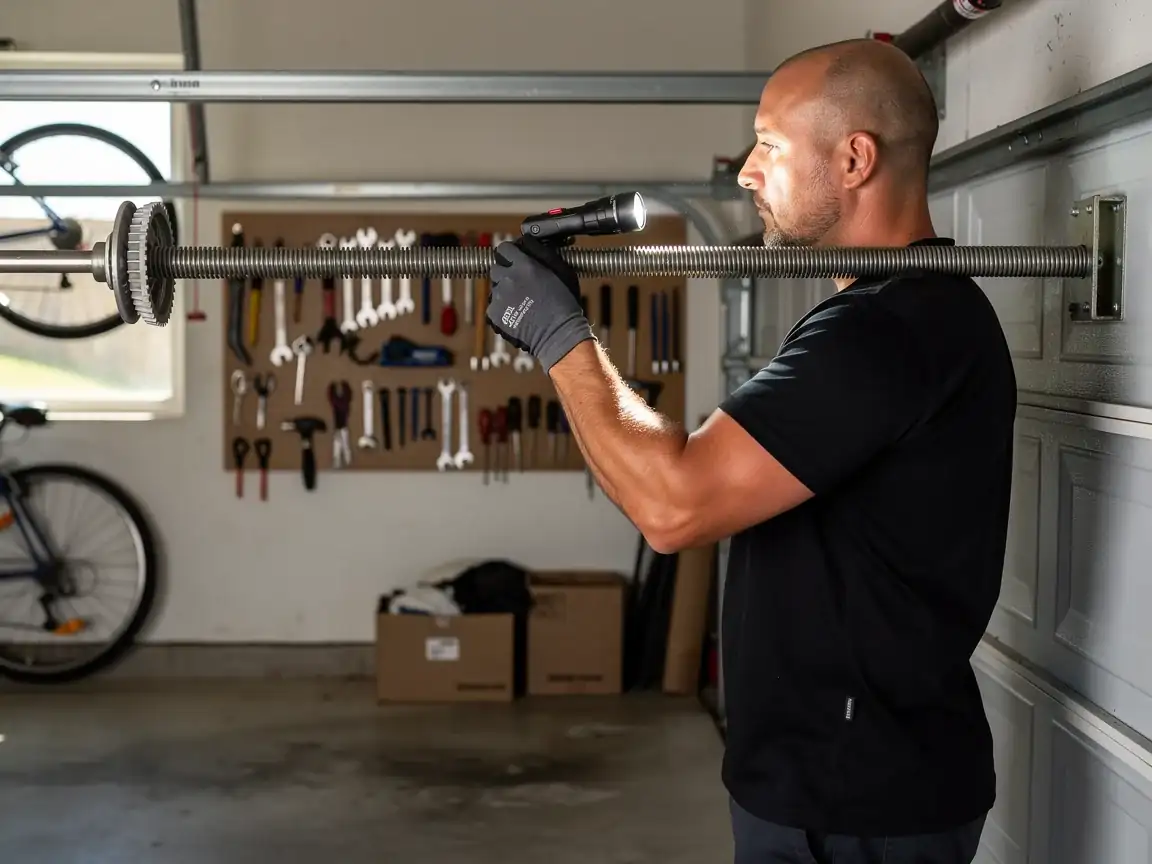
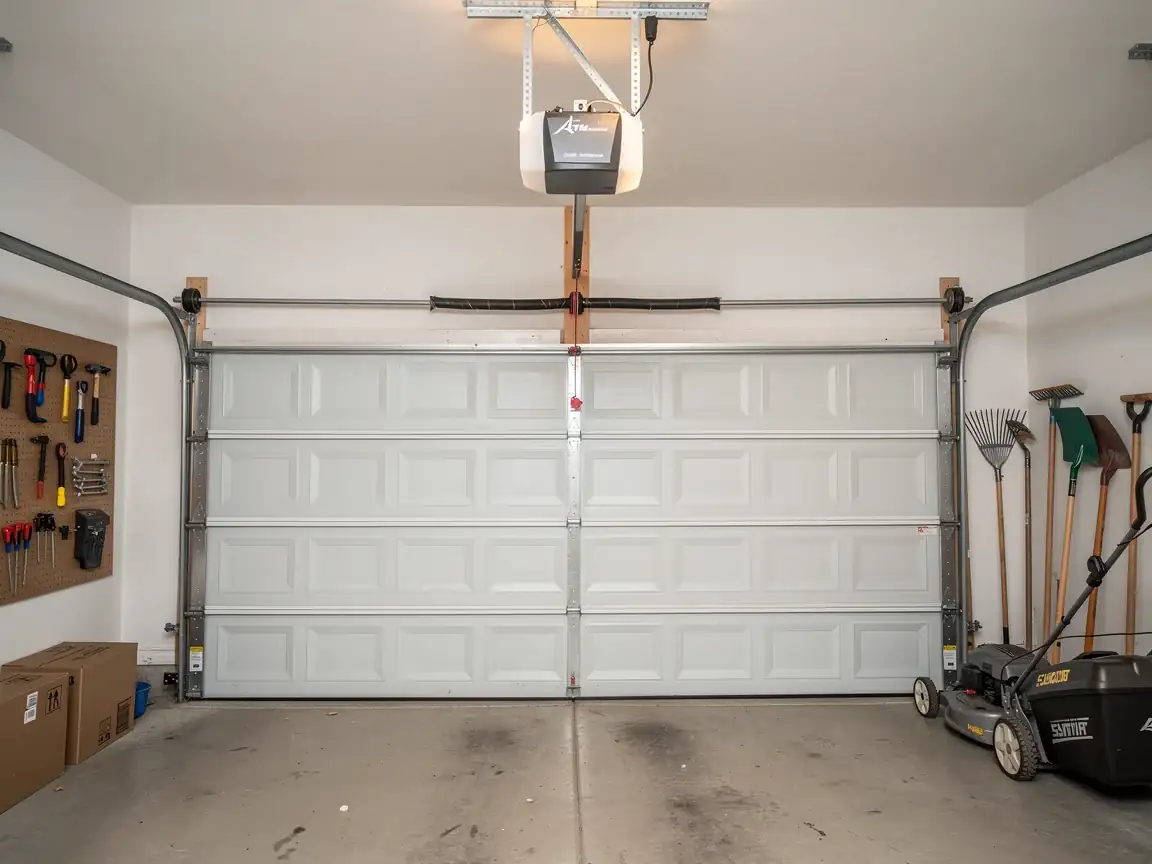
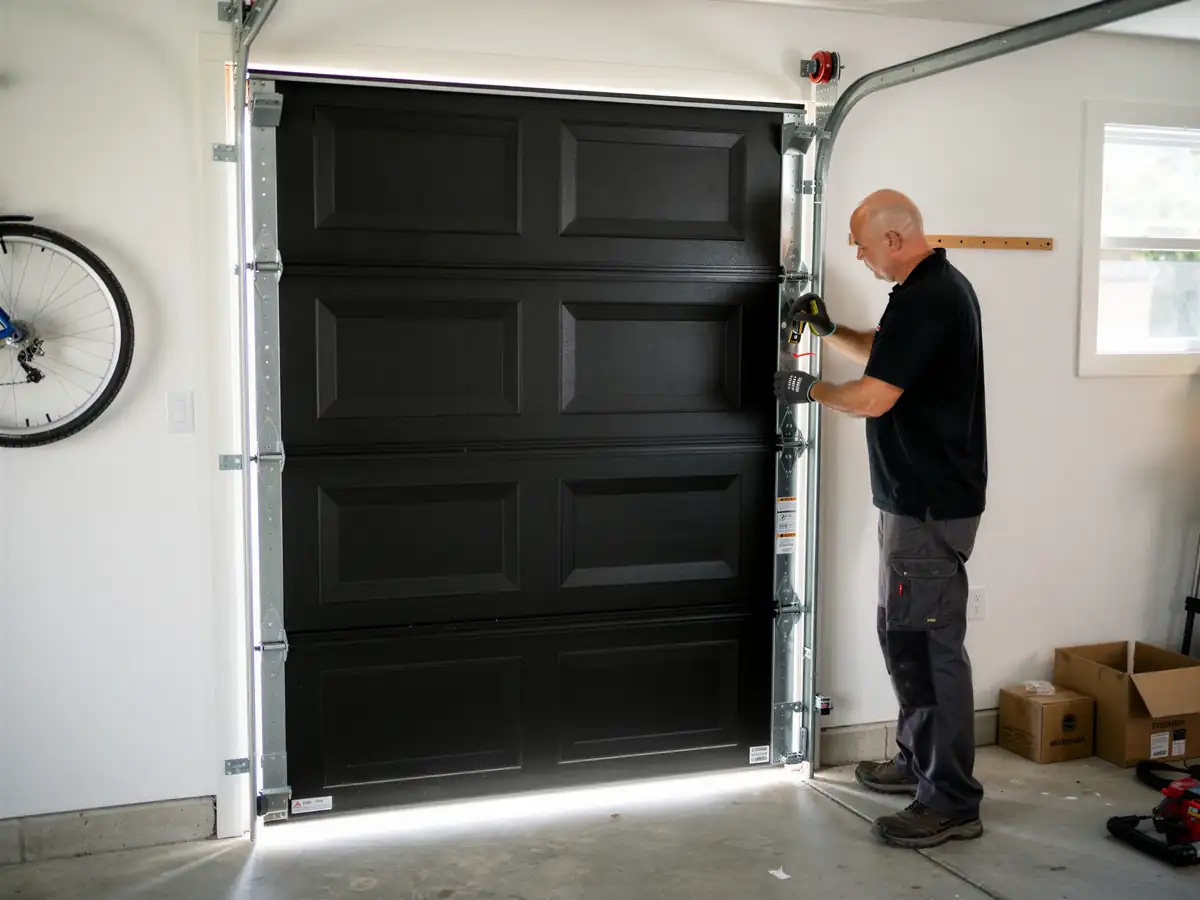
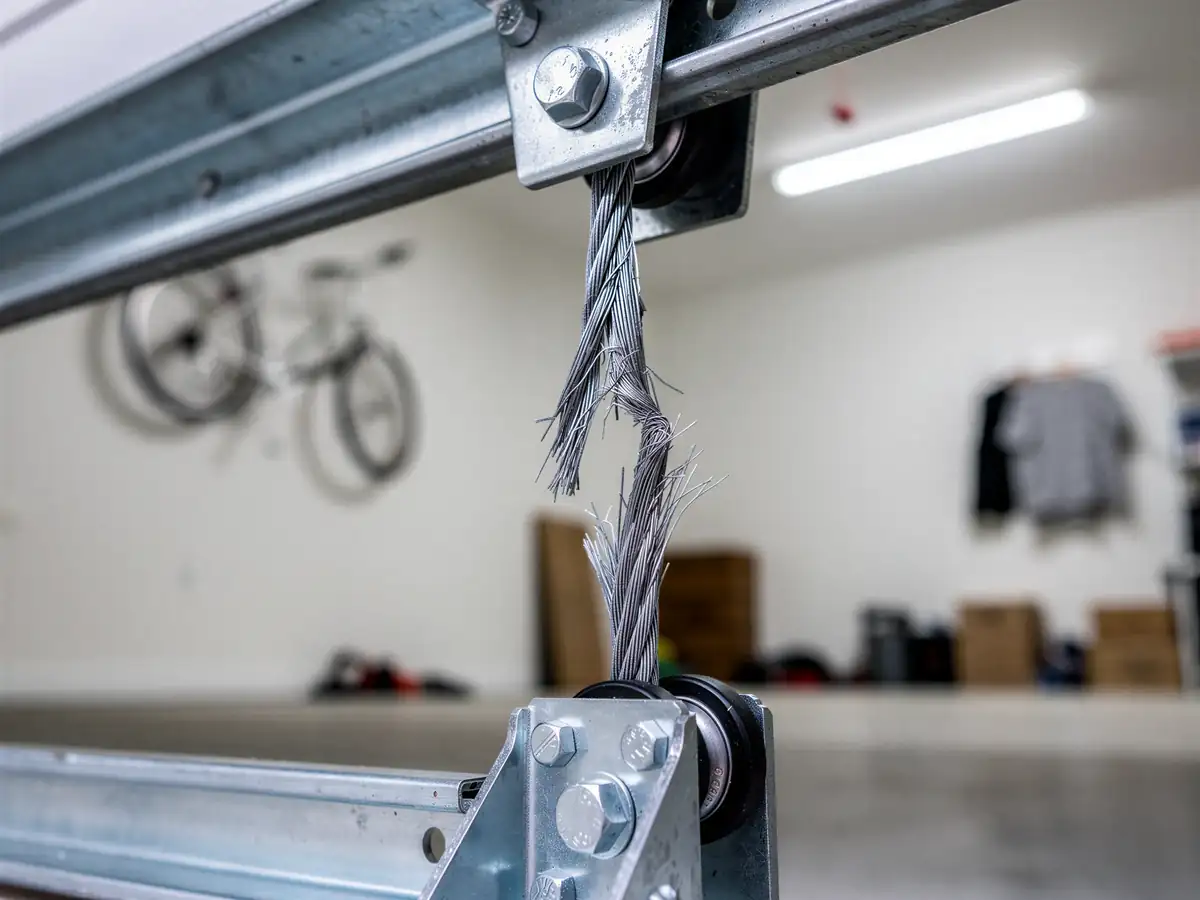
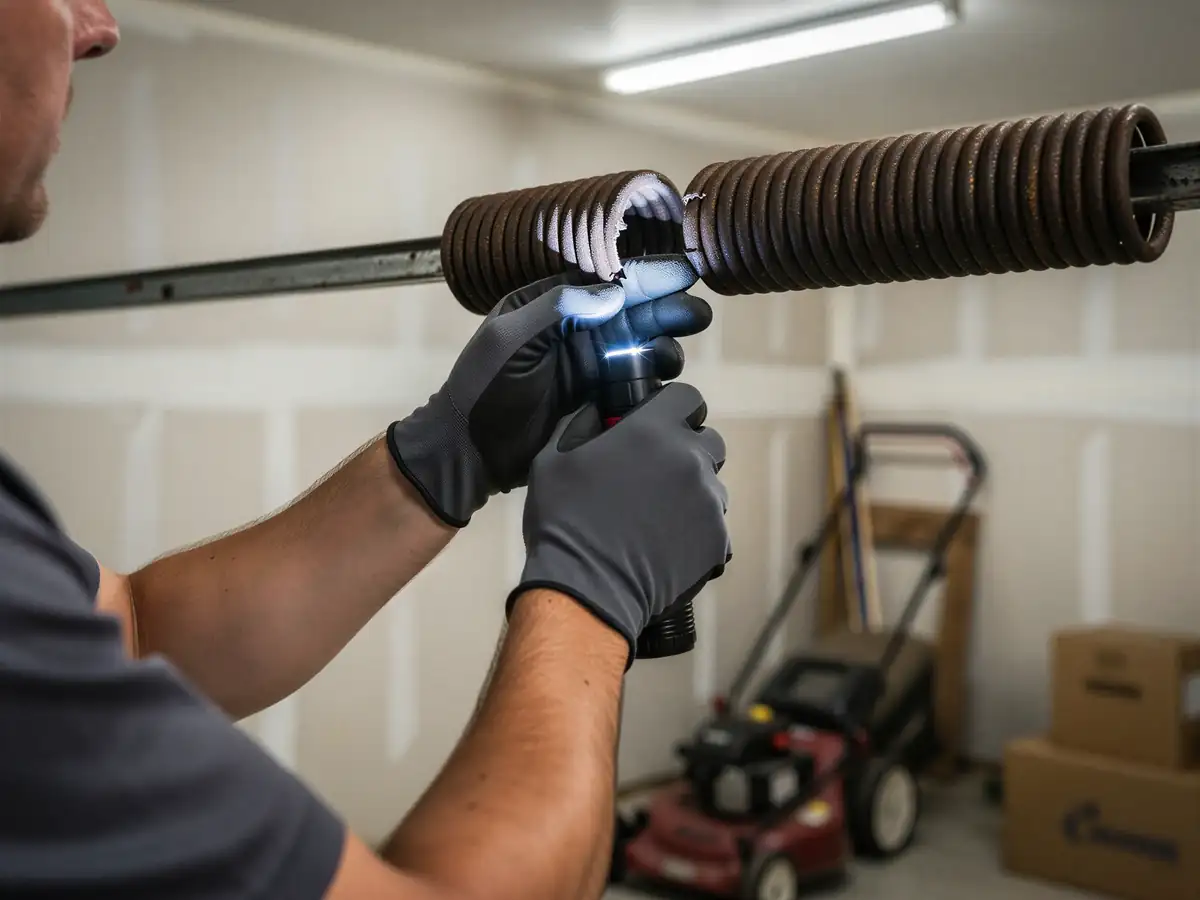
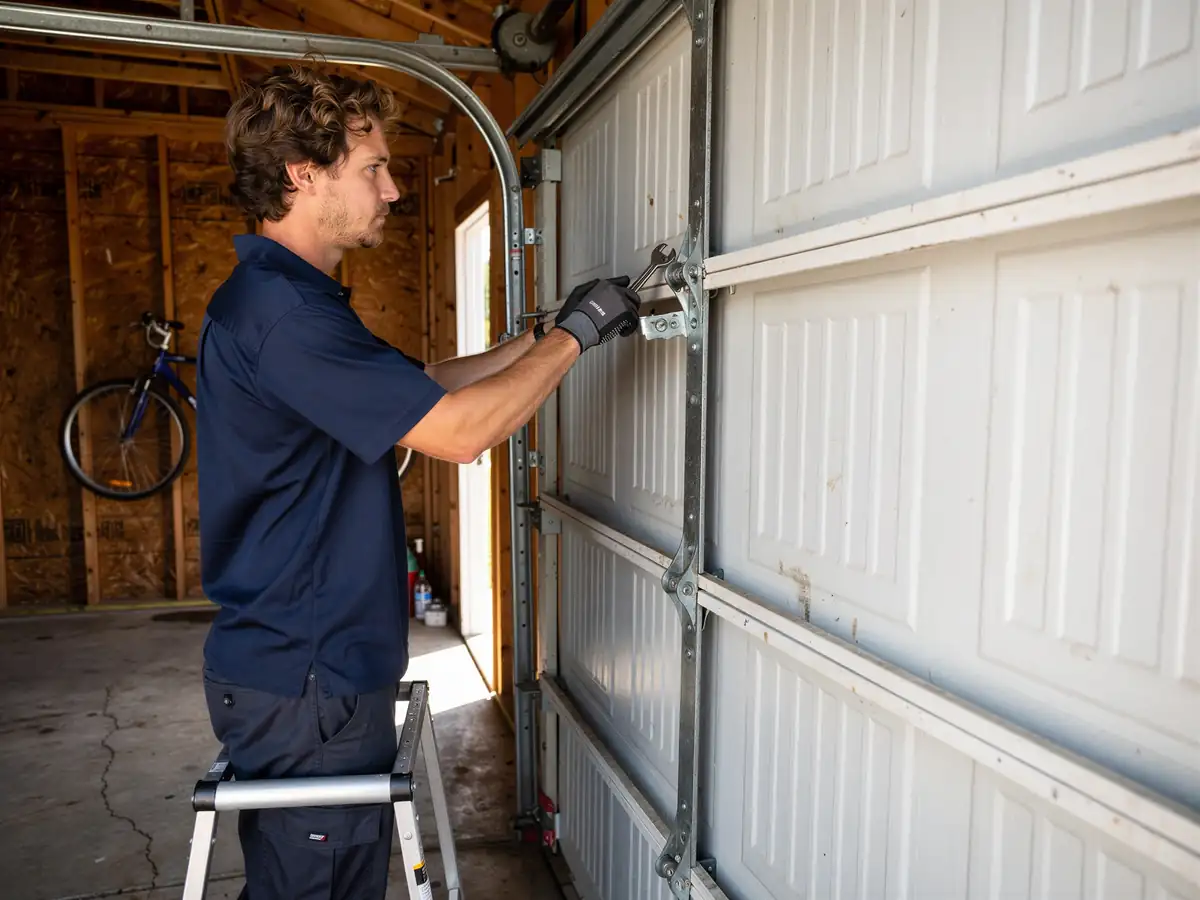
A single broken spring or a snapped cable on a 1960s-era door is usually a same-visit fix once we're on site - an hour or two of work once the right part is on the truck. What stretches that timeline is parts that aren't common stock: some original hardware on doors built around 1966 used mounting patterns that newer openers and track kits don't match cleanly, and if that's what we find, we may need to order a part rather than adapt one on the spot. We'll tell you on site which situation you're in before we start, not after.
Stocked Parts
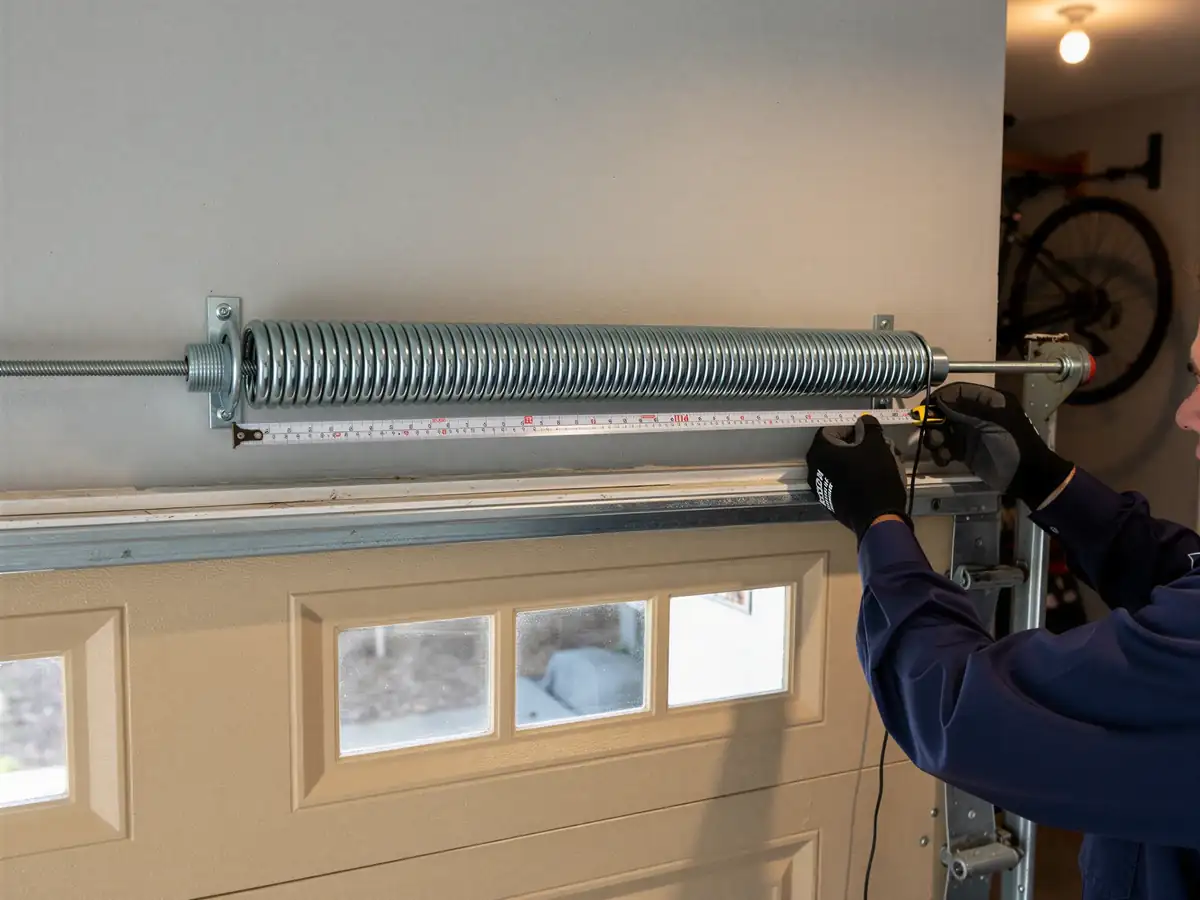
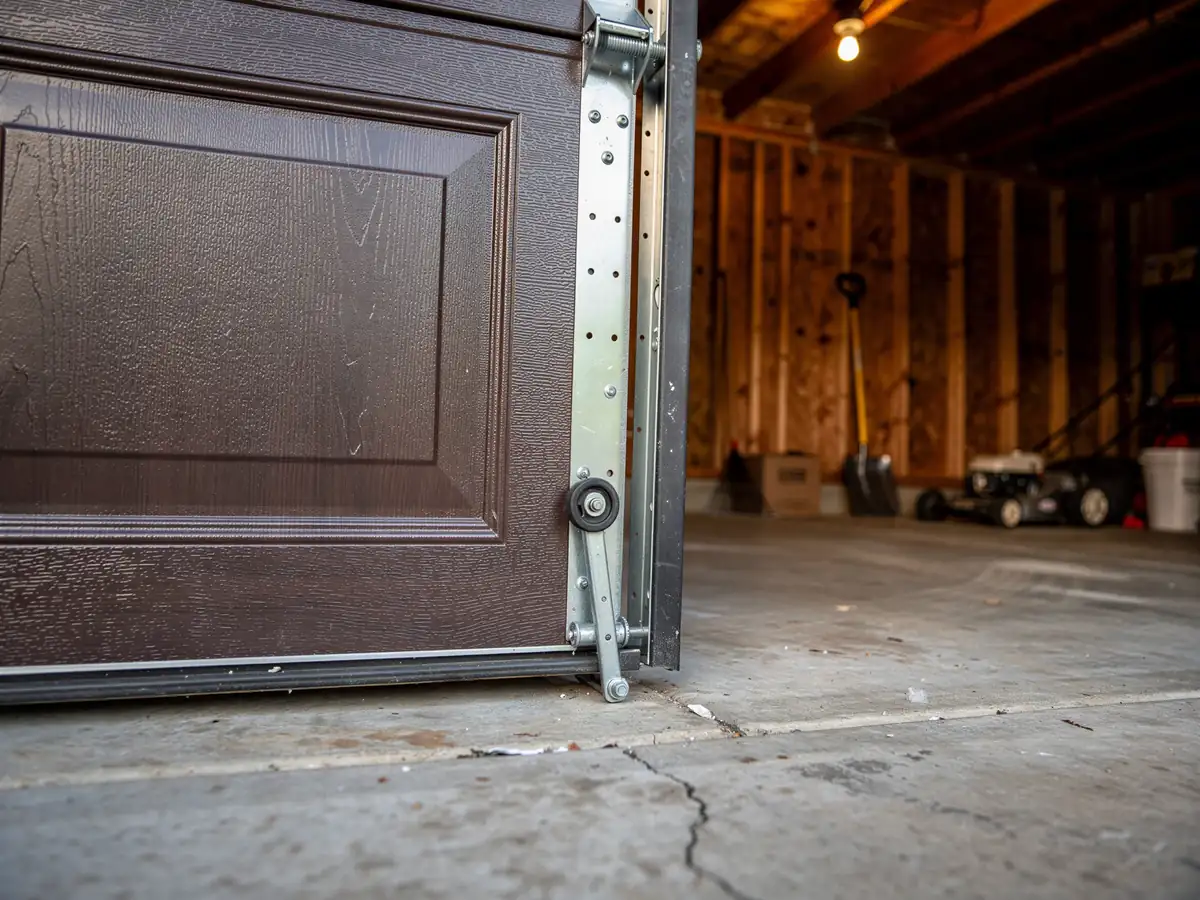
Given that most of the service area, Castro Valley included, falls into that 1960s-70s build window, we carry spring sizes and roller types that match that era, not just current production doors. The region sits in a mild climate with occasional freeze risk, which is easier on steel hardware than a harsher climate would be - rust from standing moisture is a more common failure here than cracked seals from deep cold. That doesn't mean parts never seize or corrode; it means when they do, it's usually a specific spot - the bottom bracket or a cable near ground level - rather than the whole track system failing at once.