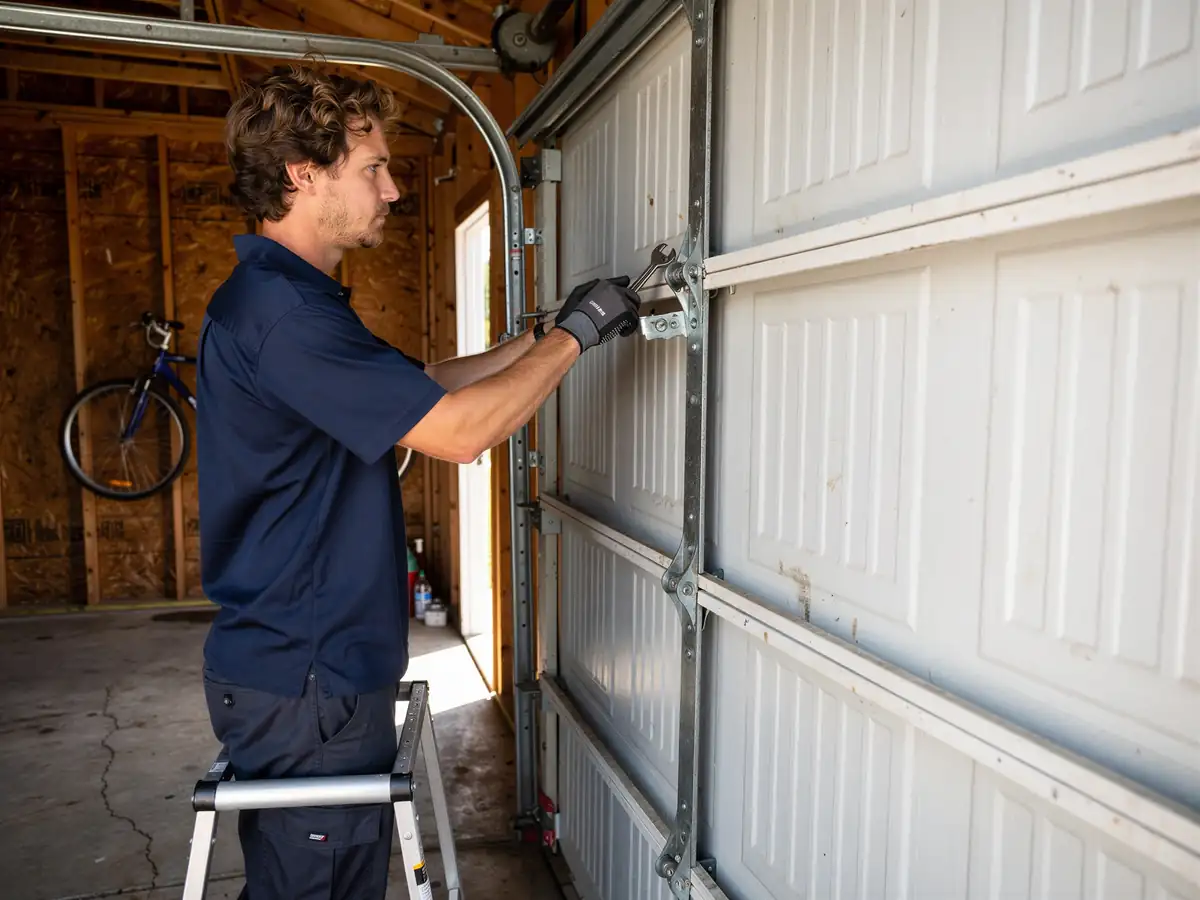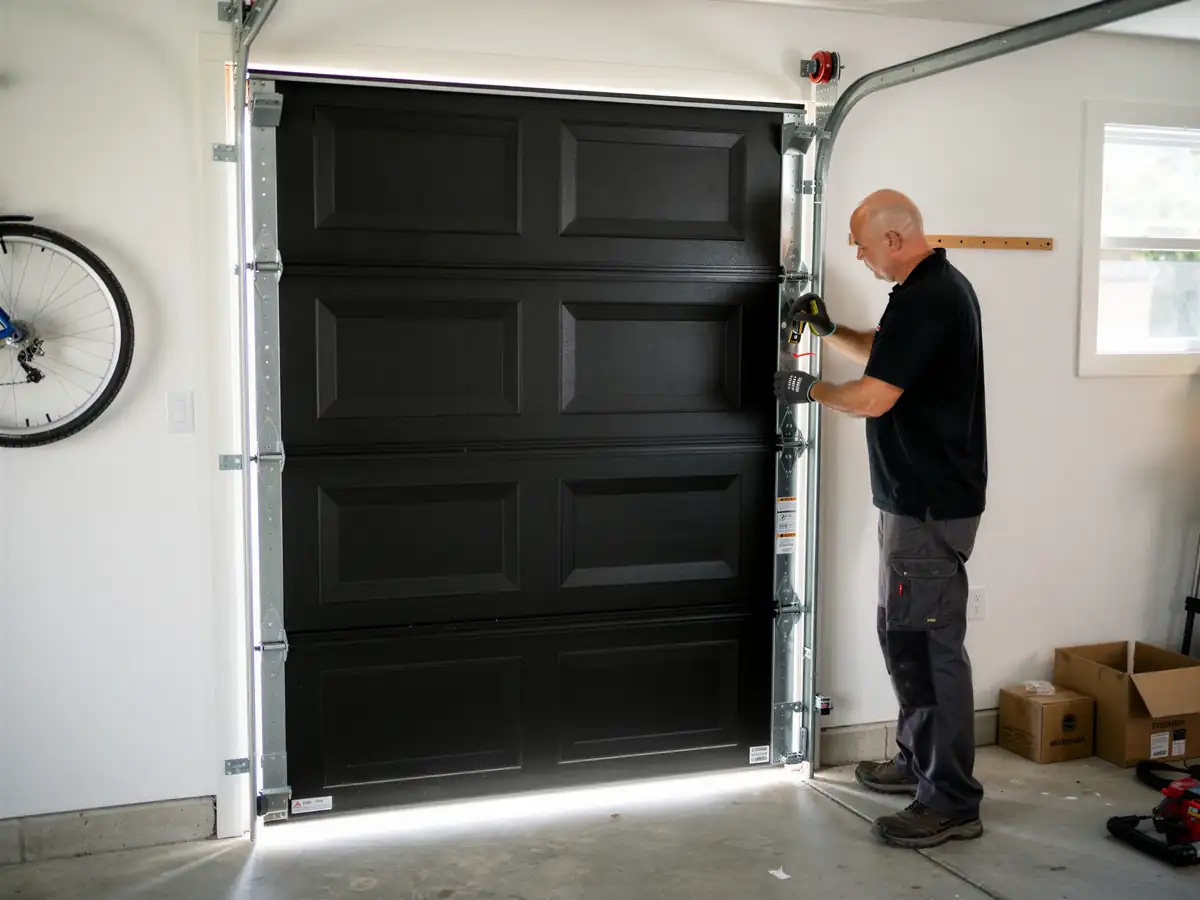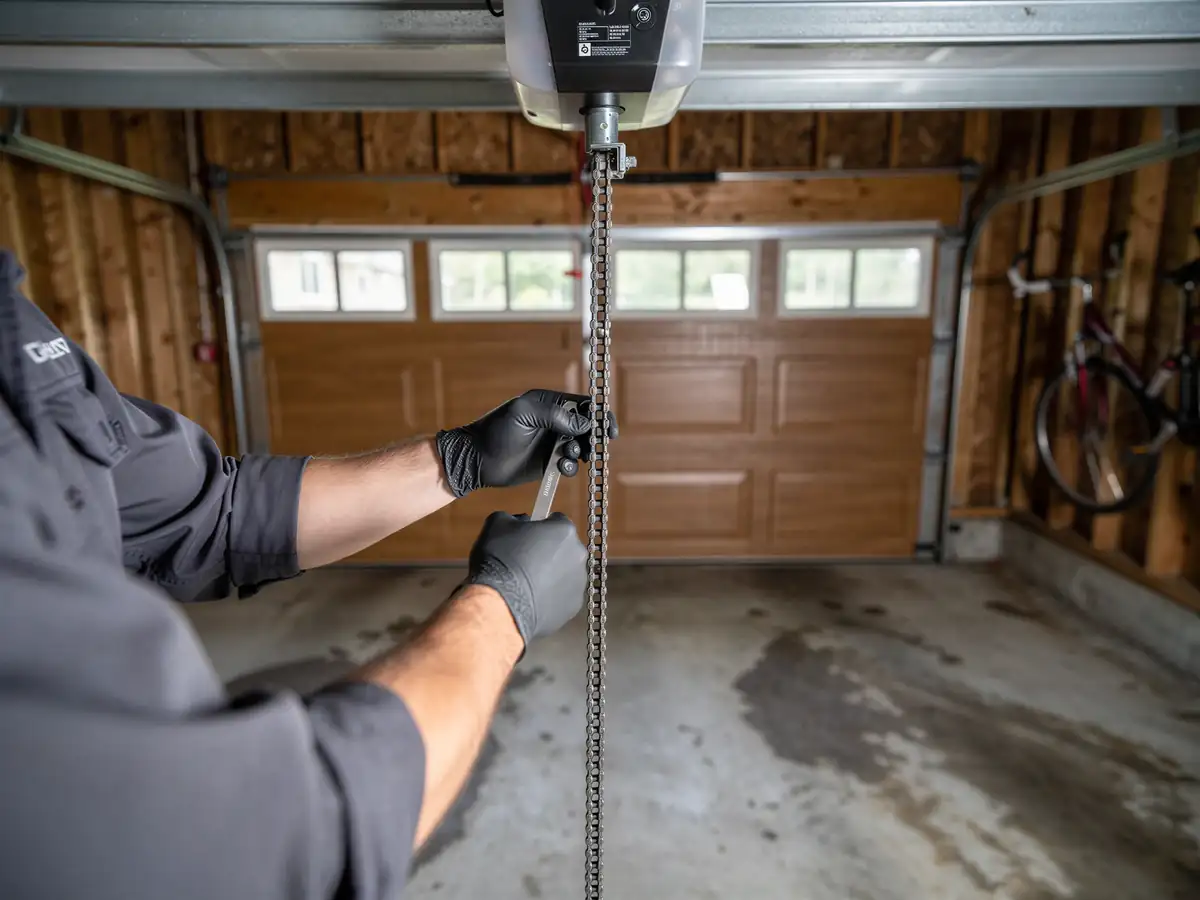
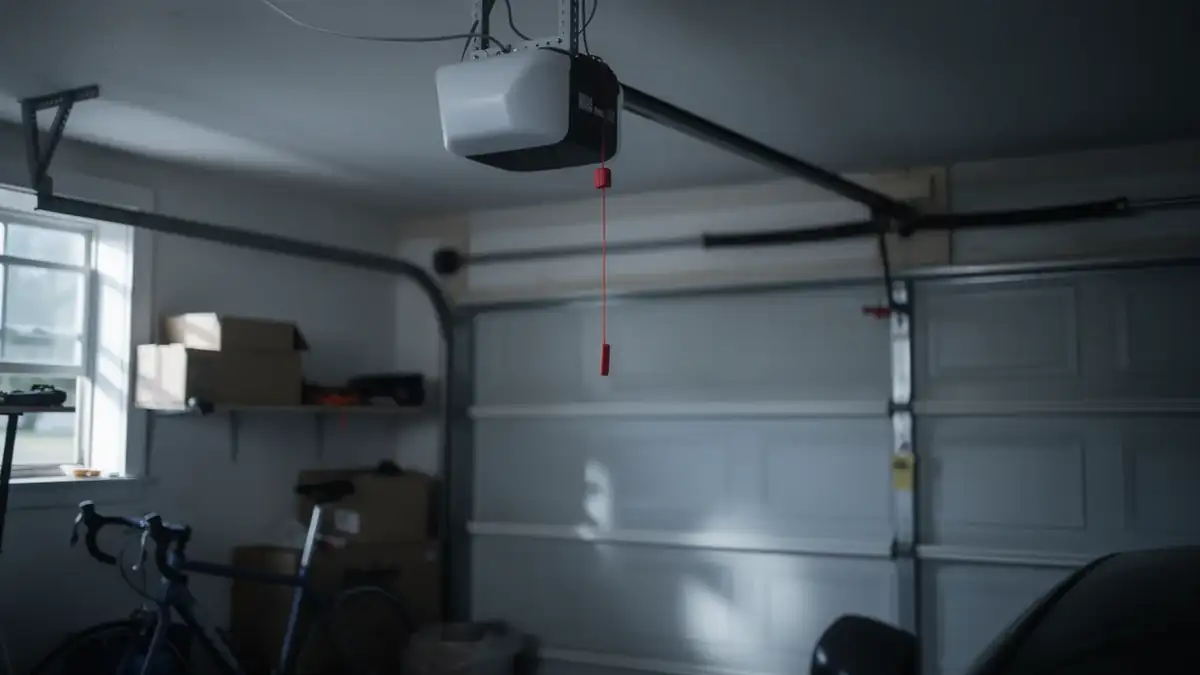
What Is Going On
Most garage doors in San Ramon don't fail because the door itself gives out
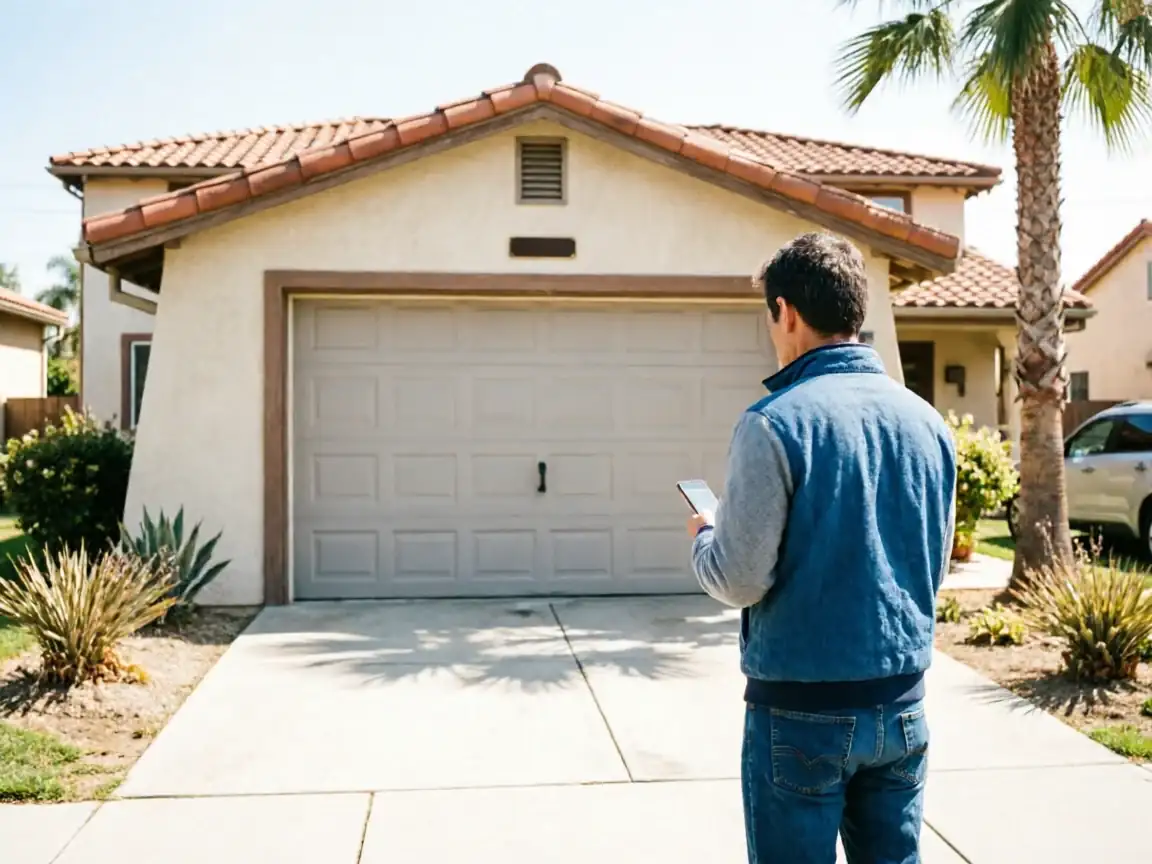
They fail because the opener loses power, loses its memory, or loses its mind about where the door actually is. Housing in this service area went up mostly between 1938 and 2008, with the median build year landing around 1973, and a lot of that stock clusters in the 1960s and 70s wave across the named areas nearby. That matters because a house built in that window usually has an opener that's been swapped at least once, sometimes twice, and the replacement units rarely matched the original garage wiring or the original door hardware exactly.
When the power cuts, a chain-drive or belt-drive opener from that era without a battery backup just stops
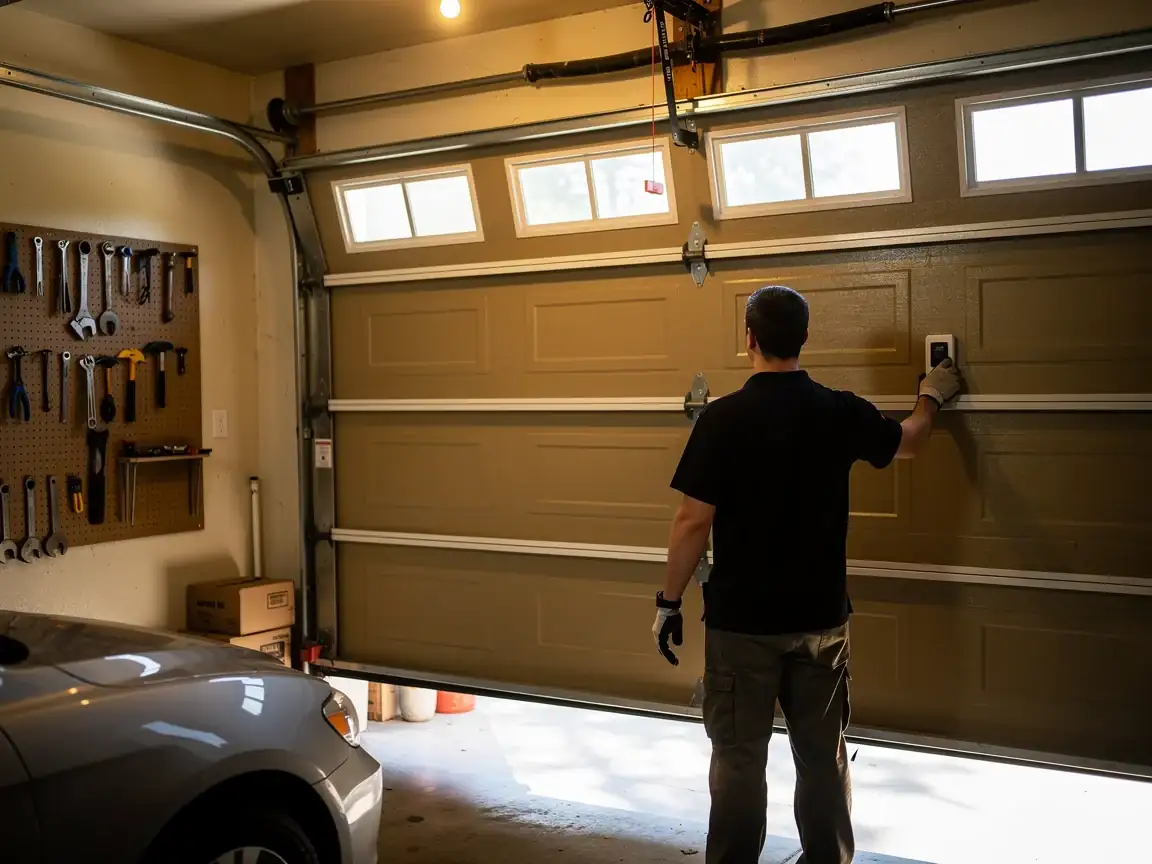
The door sits wherever it was when the lights went out - up, down, or half-travel. Newer openers log their position and can recover a clean cycle once power returns. Older units, especially ones carried over from a prior remodel, sometimes lose their limit settings entirely and need to be reset by hand. That's a five-minute fix for someone who knows the unit, and a frustrating guessing game for someone who doesn't.
When to Call Someone
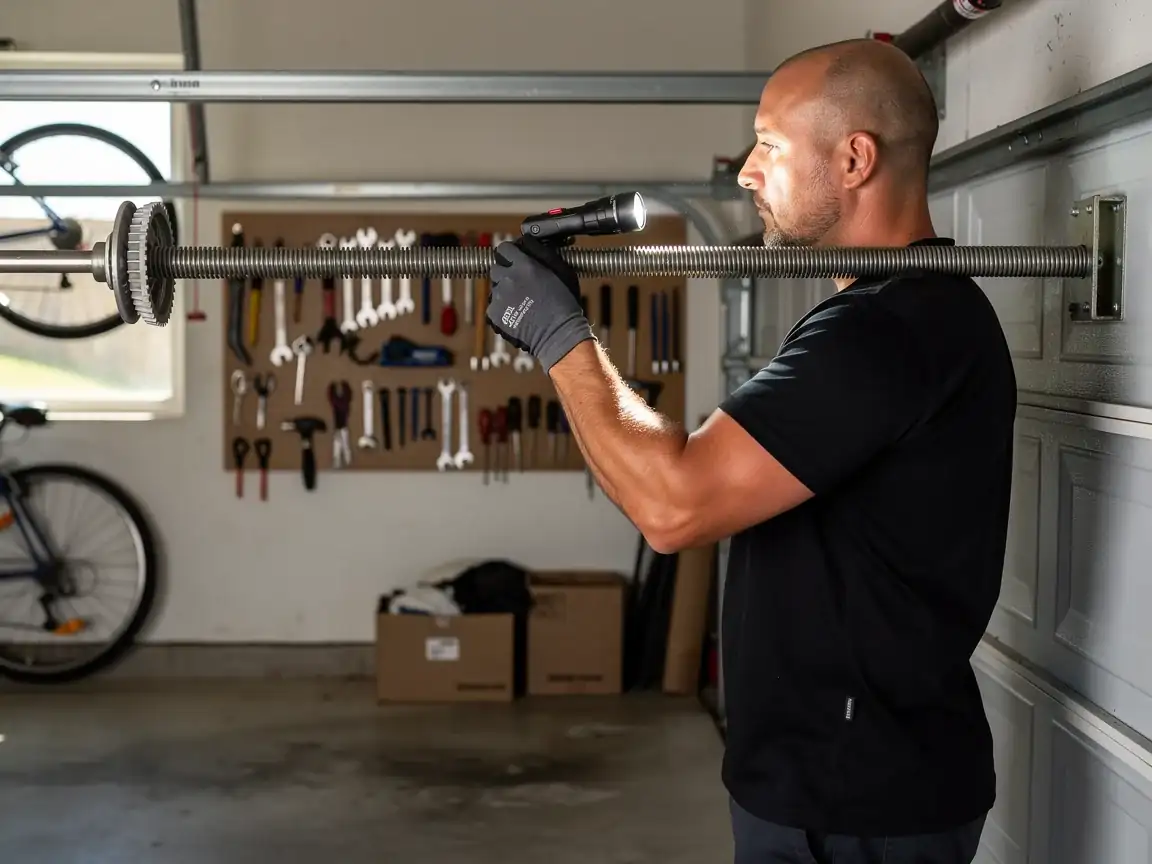
Call if the door won't respond at all after power comes back - no light, no hum, nothing. That's usually a tripped circuit or a dead capacitor in the opener head, not the door. Call if the door moves but stops short or reverses on its own; that's the opener's travel limits lost their place, which happens often in homes with older openers that were never reset after the last outage.
Don't call, and don't worry, if the door just needs the remote reprogrammed. That's something most owners can do themselves with the manual that came with the unit, assuming it's still in a kitchen drawer somewhere. We won't charge a truck visit for a five-minute fix you can do with a ladder and the owner's manual. If you can't find the manual and the opener is clearly original to a 1960s or 70s build, that's a different conversation - those units are old enough that parts are getting hard to source, and a reset might not hold.
How Local Conditions Play In
San Ramon sits in a mild climate band with occasional freeze, not the kind of weather that cracks concrete or warps steel track the way a harder freeze-thaw cycle does elsewhere. That's good news for the door and the track. It's less good news for the opener's sensors. The photo-eye safety sensors mounted low on the track rails are the part most sensitive to a cold, damp morning after an overnight temperature drop - condensation on the lens reads as an obstruction, and the opener refuses to close.
This isn't a storm problem. It's a quiet, early-morning problem, and it shows up more in houses where the sensors are original to a 1970s-era opener swap and have never been replaced. Wipe the lenses, check the alignment, and most of these resolve without a call. If it keeps happening on the same cold mornings, the sensor housing itself may have shifted, which is a five-minute adjustment, not a new opener.
The Cost of This Job
We don't post a flat price for opener or power-related calls because the fix ranges from a $0 reset to a full opener swap
And the housing stock here makes both common. A reset or sensor cleaning on a visit is the cheap end. A full opener replacement, which is the right call when the unit is original to a 1960s or 70s build and the circuit board has already failed once, costs more and is worth discussing before you commit.
Across the service area, median household income runs higher than a lot of neighboring markets
And most households here own rather than rent, which tends to mean owners want the job done right once rather than patched twice. We'll tell you straight when a $150 reset will hold for years and when it's throwing money at a unit that's already on its second life.