Can You Do This Yourself
Some of it, yes
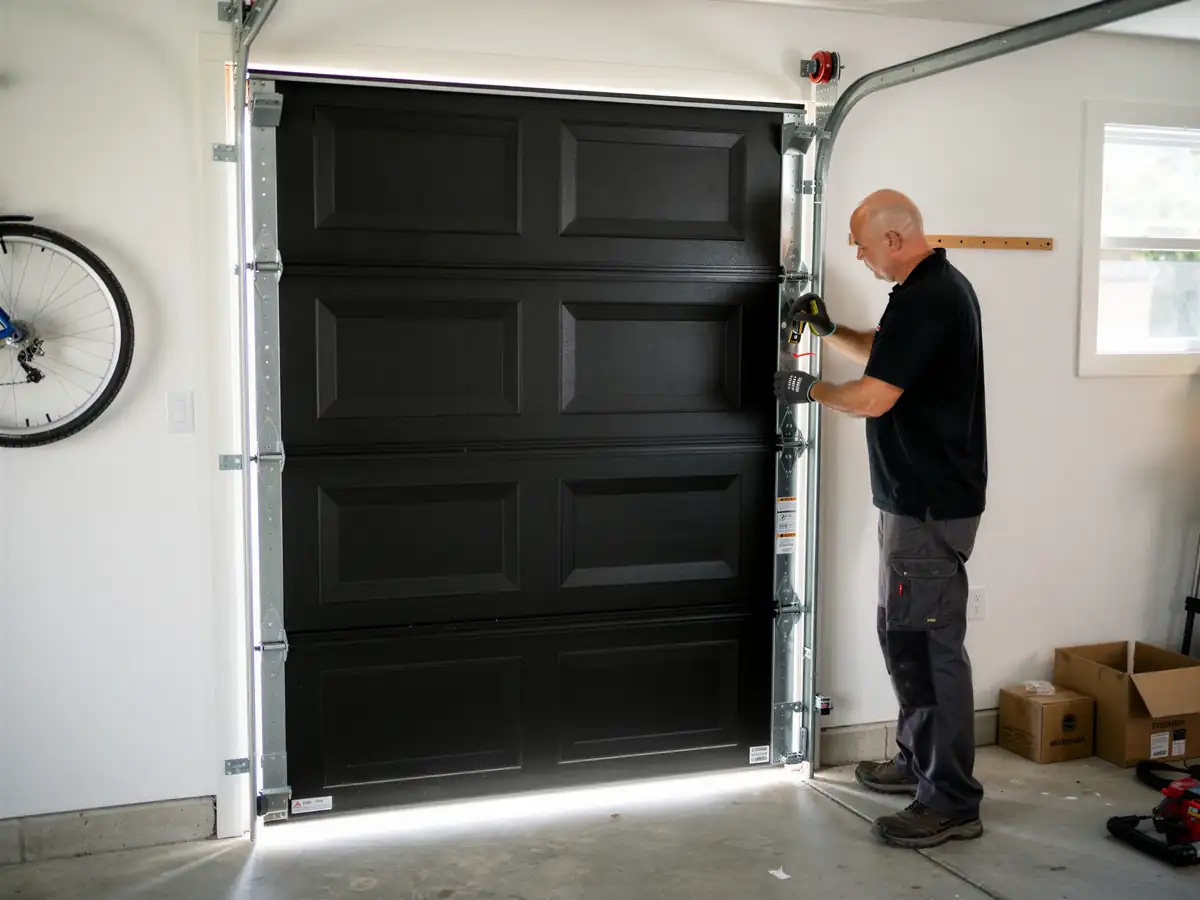
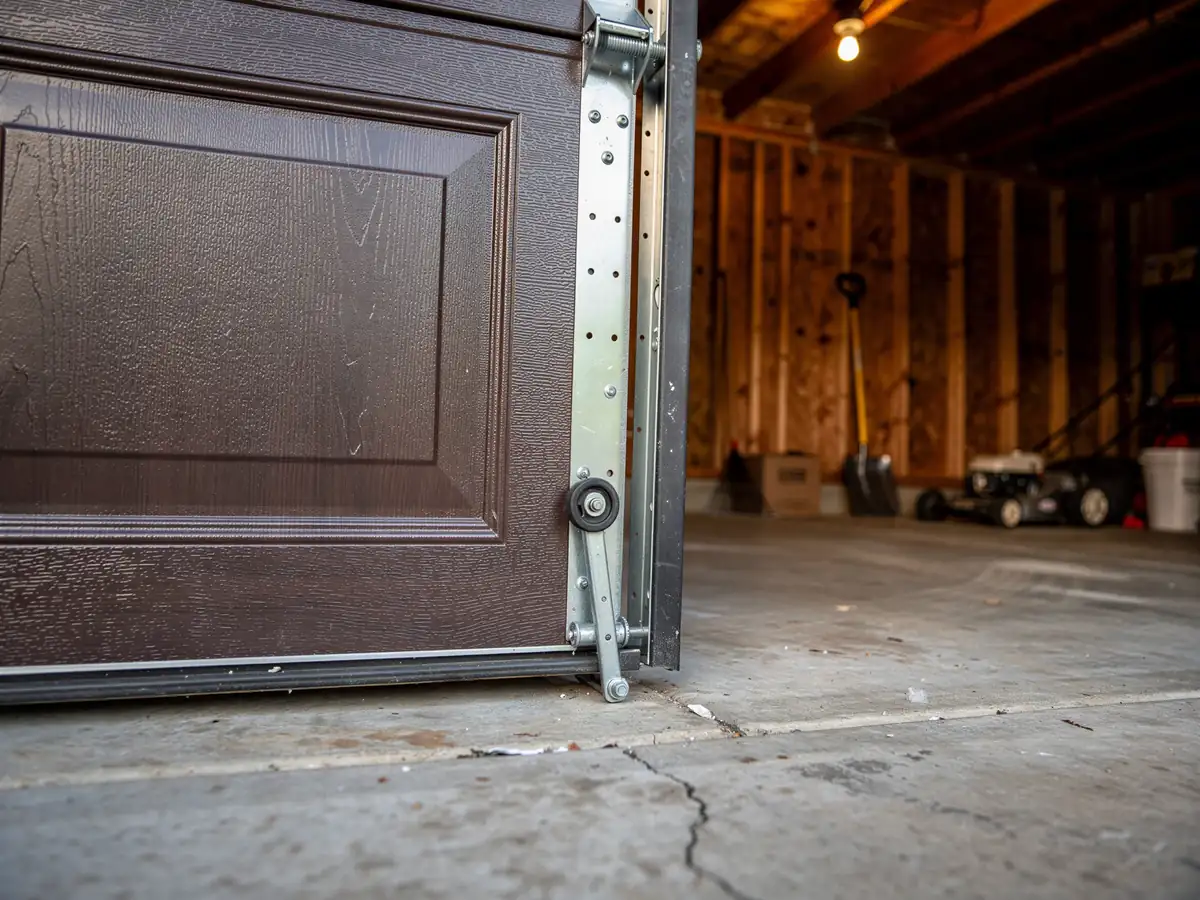
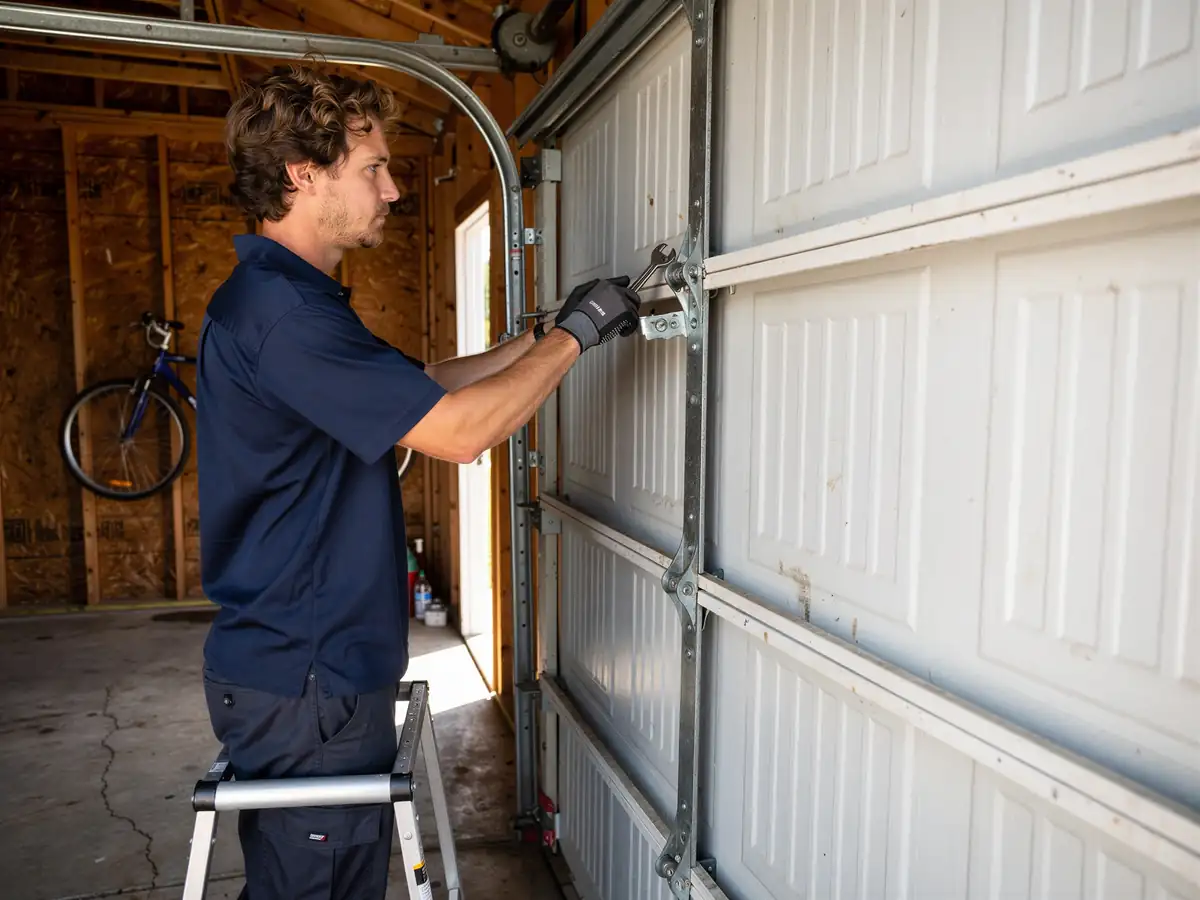
If a panel is dented but the door still rolls true, or a sensor eye has shifted an inch and the door won't close, you can usually fix that with a screwdriver and twenty minutes. Lubricating rollers and hinges twice a year is homeowner work, not a call-out.
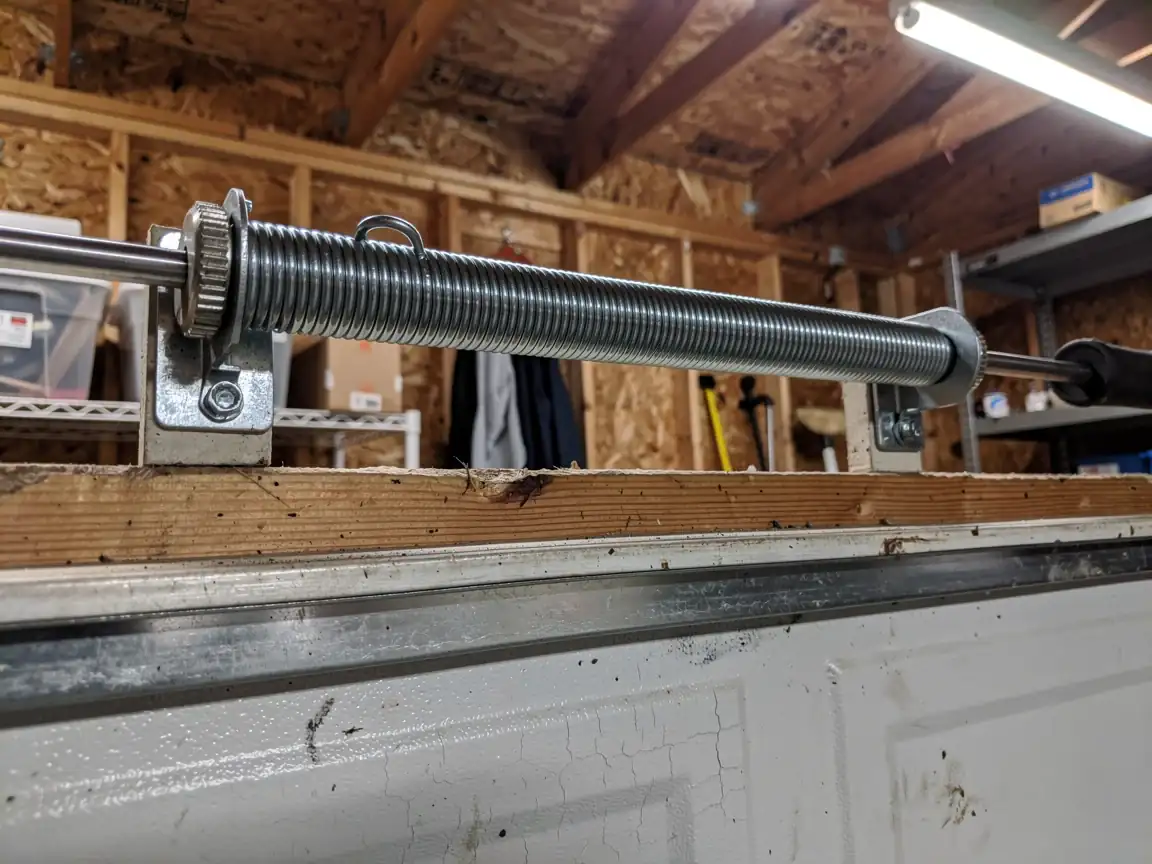
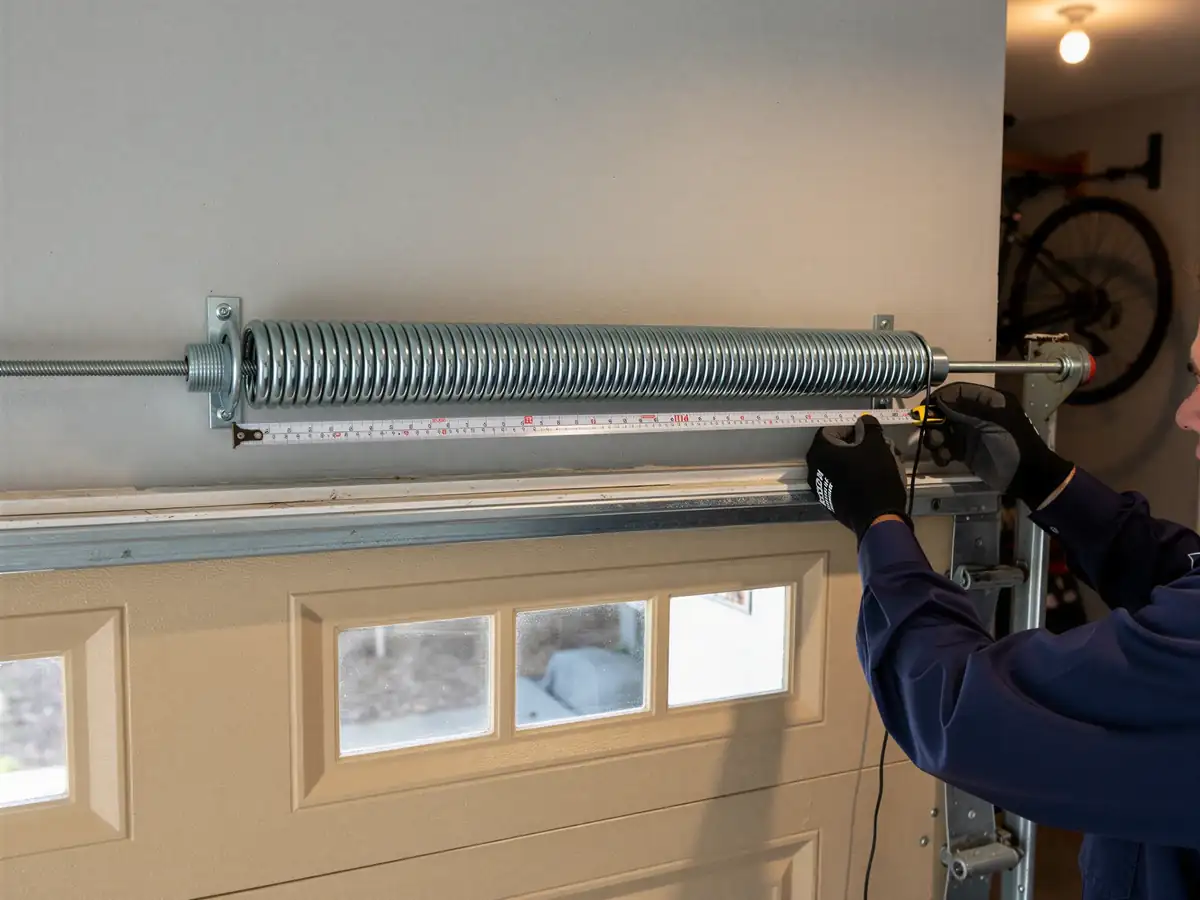
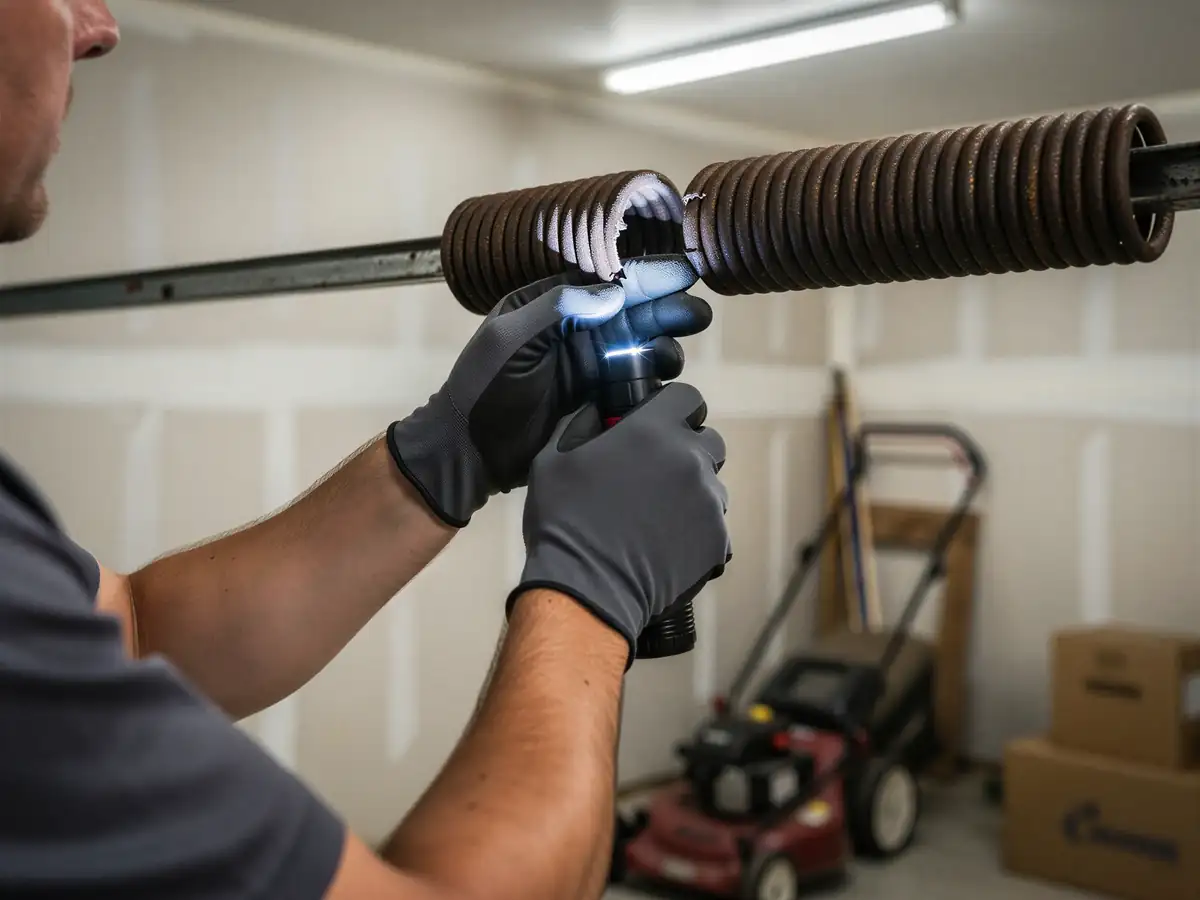
What you shouldn't touch is the torsion spring
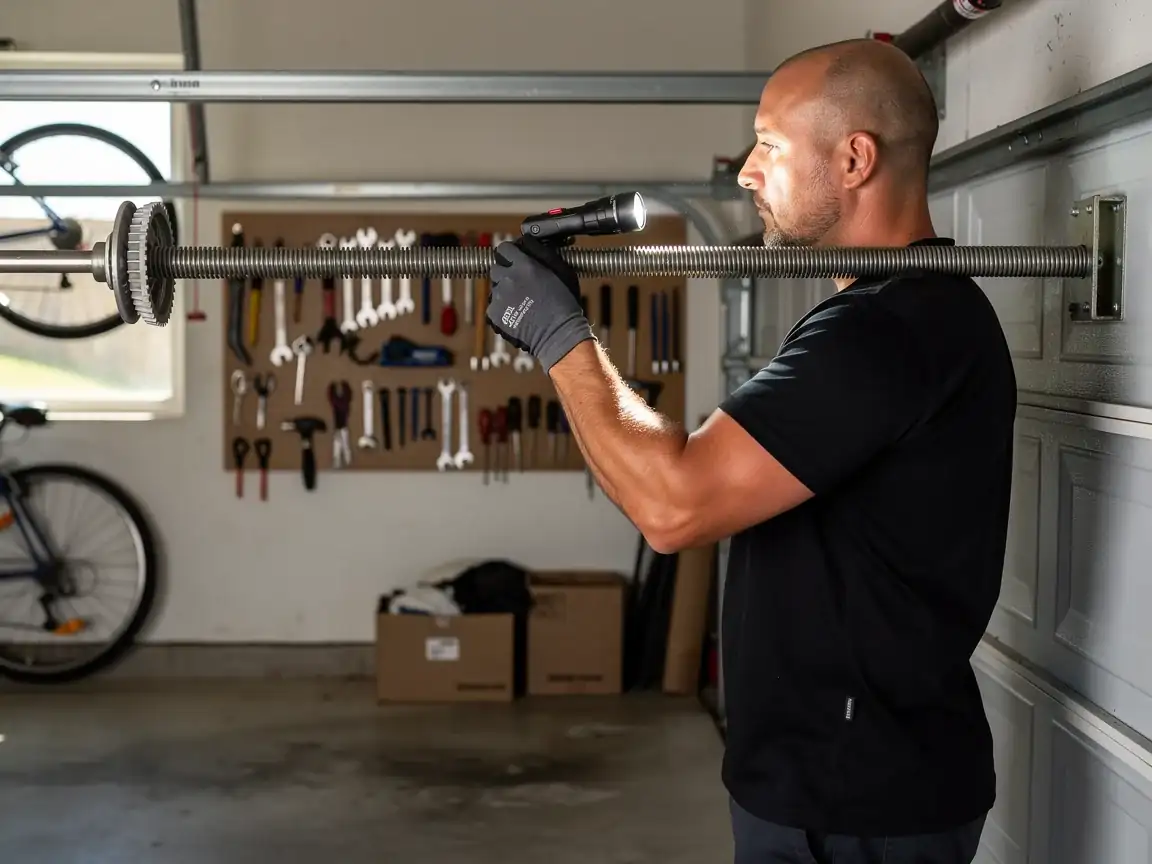
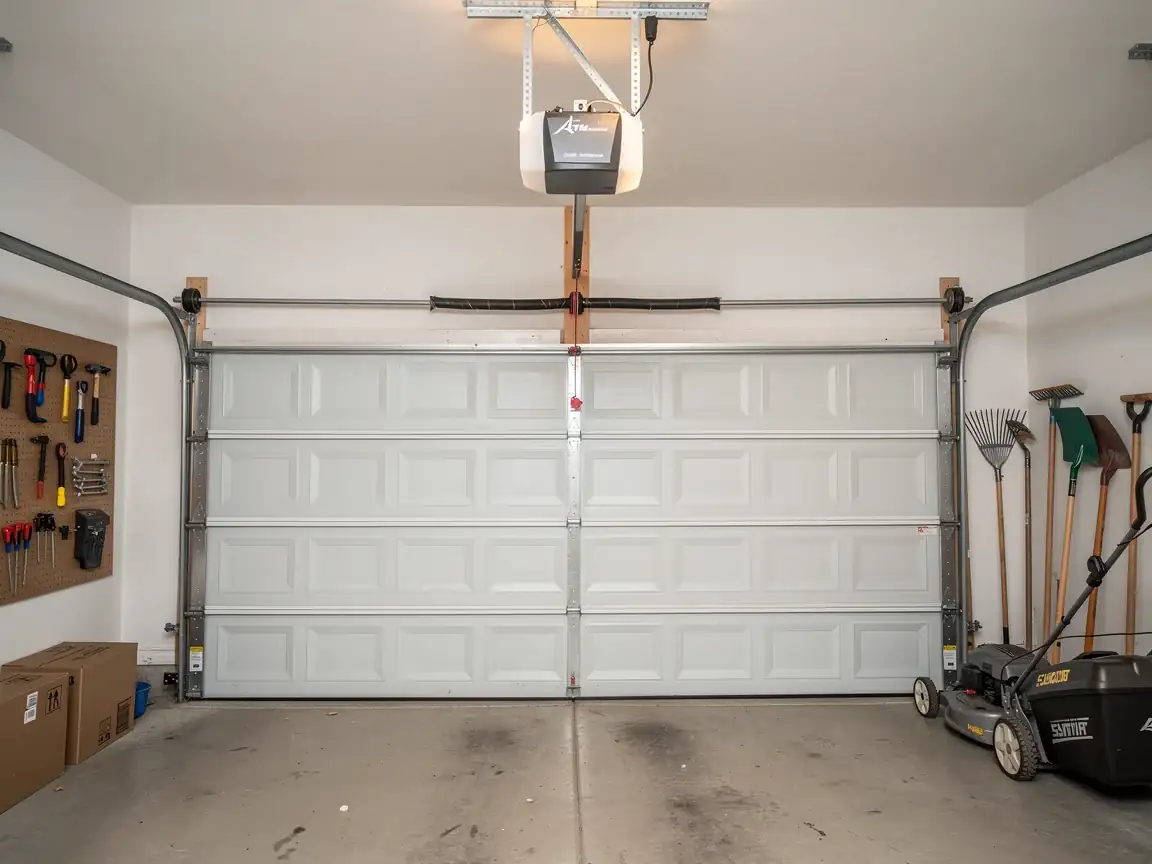
A door built on the standard residential torsion system stores enough force in that wound spring to break a wrist or worse if the winding bar slips. We get calls from people who started the job and stopped halfway, which is actually a worse spot to be in than not starting at all - a half-wound spring under partial tension is unpredictable.
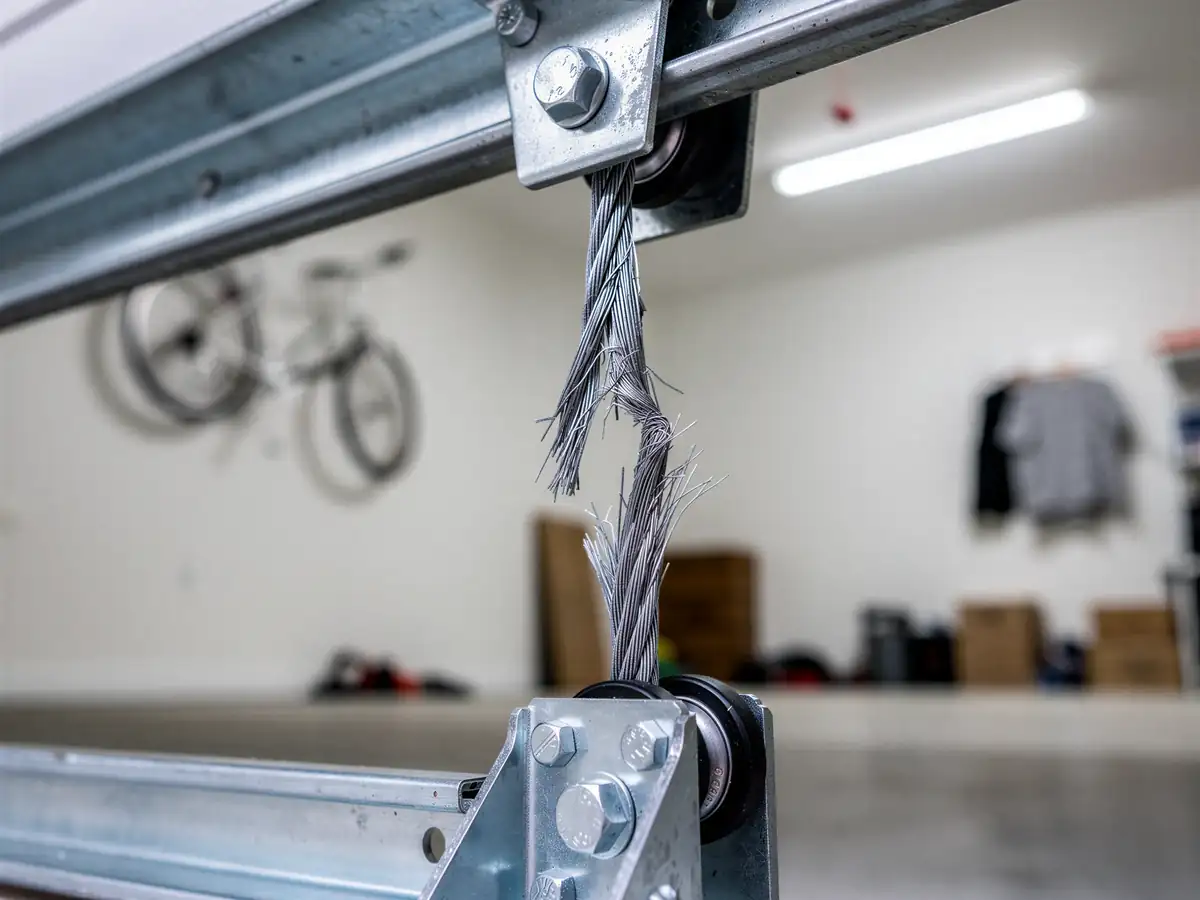
Cable work is the same story
If a cable has frayed or popped off the drum, the door is now held by one side instead of two, and it can drop without warning. Diagnosing why a door is suddenly heavy to lift by hand - is it the spring losing tension, or a bent track binding the rollers - takes some experience to get right the first time. If you're not sure which one it is, that's the call to make, not the repair to attempt.
What Causes It Around Here
San Ramon's housing stock runs from 1938 up through 2008, with the median build year at 1973 and most of the 29 named areas in this service territory dominated by 1960s and '70s construction. That matters for garage doors because a house built in that window was almost certainly fitted with the torsion spring hardware standard for its era - and if it hasn't been replaced since, that spring is now well past its rated cycle count.
The climate here is mild with some freeze risk, not the extreme heat-and-cold swings that crack steel doors elsewhere. That's good news for the door panels themselves, but it means the springs and openers in this area fail from age and use, not from weather stress. A 50-year-old torsion spring doesn't announce itself with rust or visible wear - it just lets go on an ordinary Tuesday morning, usually on the lift after the door's been sitting closed overnight and the steel is at its stiffest.
Older openers from that same 1970s-through-1990s window also tend to lack modern safety reversal and force-sensing, which is a separate problem from the spring but shows up in the same houses for the same reason: nobody's touched the system since it went in.
The Symptom
The door that won't lift, or lifts a few inches and stops, is almost always a spring problem - either one of a pair has snapped, or both have simply lost tension over the decades. You'll often hear it before you see it: a loud bang from the garage, usually when no one's near the door, which is the spring letting go.
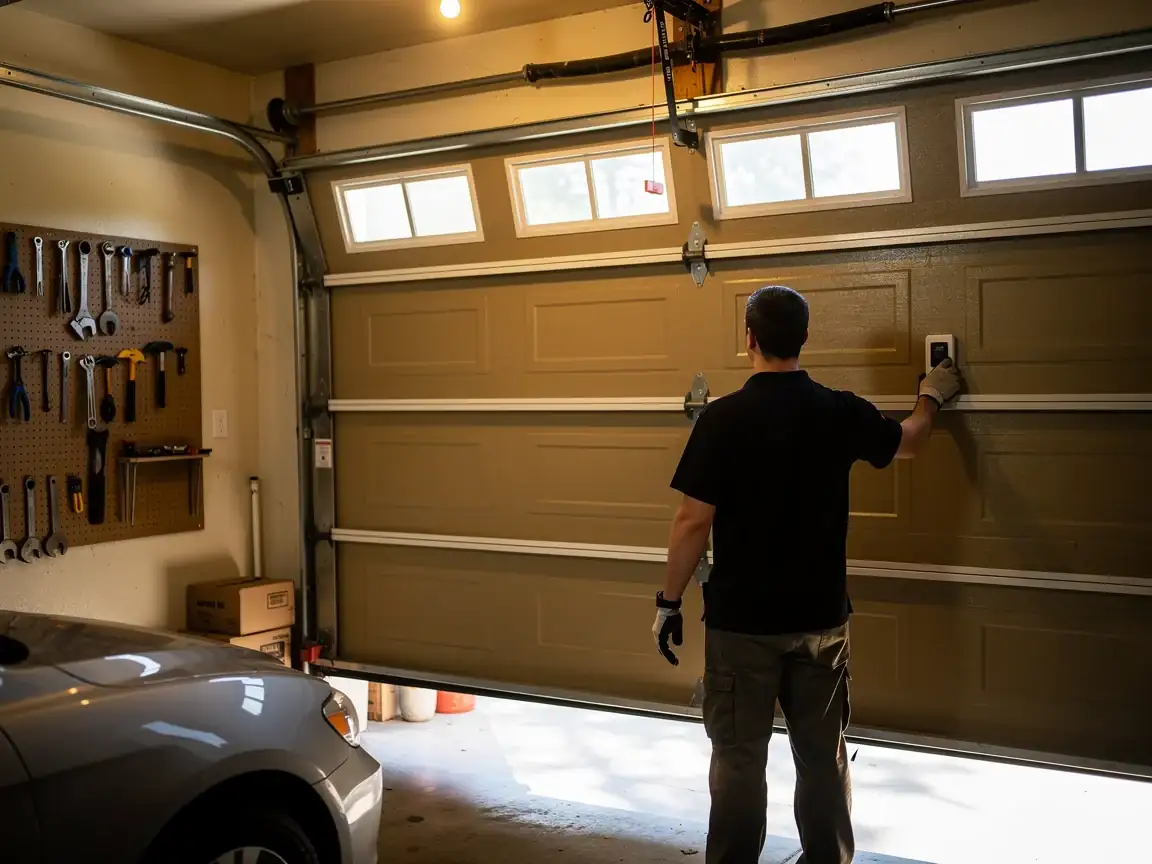
A door that drifts down on its own after you open it, or one that feels unusually heavy to lift by hand with the opener disconnected, is a spring losing its wind gradually rather than snapping outright - more common in houses with the older torsion setups typical of this area's 1960s and '70s stock.
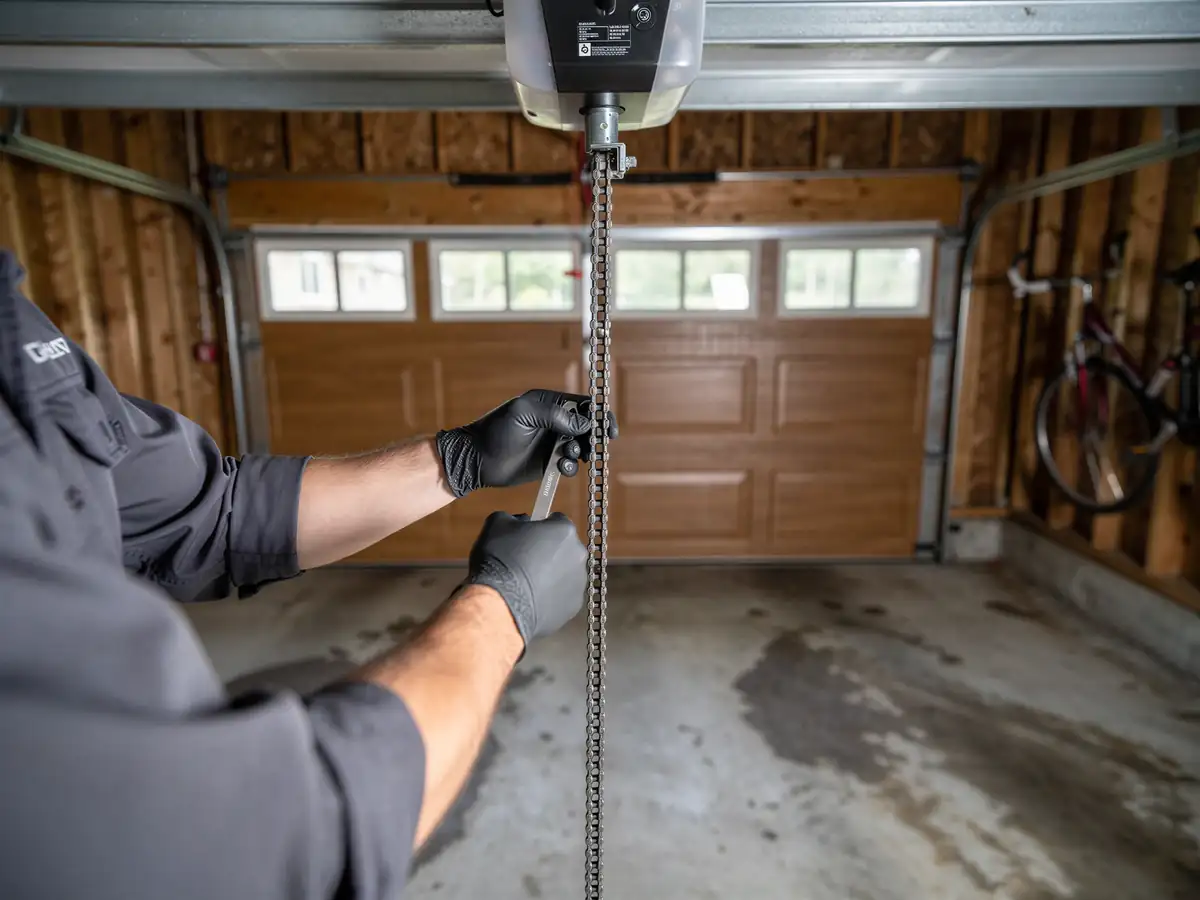
Grinding or slow travel from the opener, as opposed to the door itself, points to a different fault - worn gears or a failing capacitor in an aging unit - and is worth separating from a spring issue before you call, since it changes what we bring on the truck.
The Cost of This Job
We don't have a flat number to quote you here
Because what the job costs depends on which part failed and how old the rest of the system is - a single spring swap on a door that's otherwise sound is a different job from replacing springs, cables, and a worn opener on a house that's had the original 1970s-era hardware running the whole time.
One honest limitation
If your door is original to a house built in that early part of San Ramon's 1938-2008 range and several components are failing at once, patching one part at a time usually costs more over a year than doing the spring, cables, and rollers together in a single visit. We'll tell you straight if that's where you are instead of selling you a series of small fixes.