What That Means for Doors
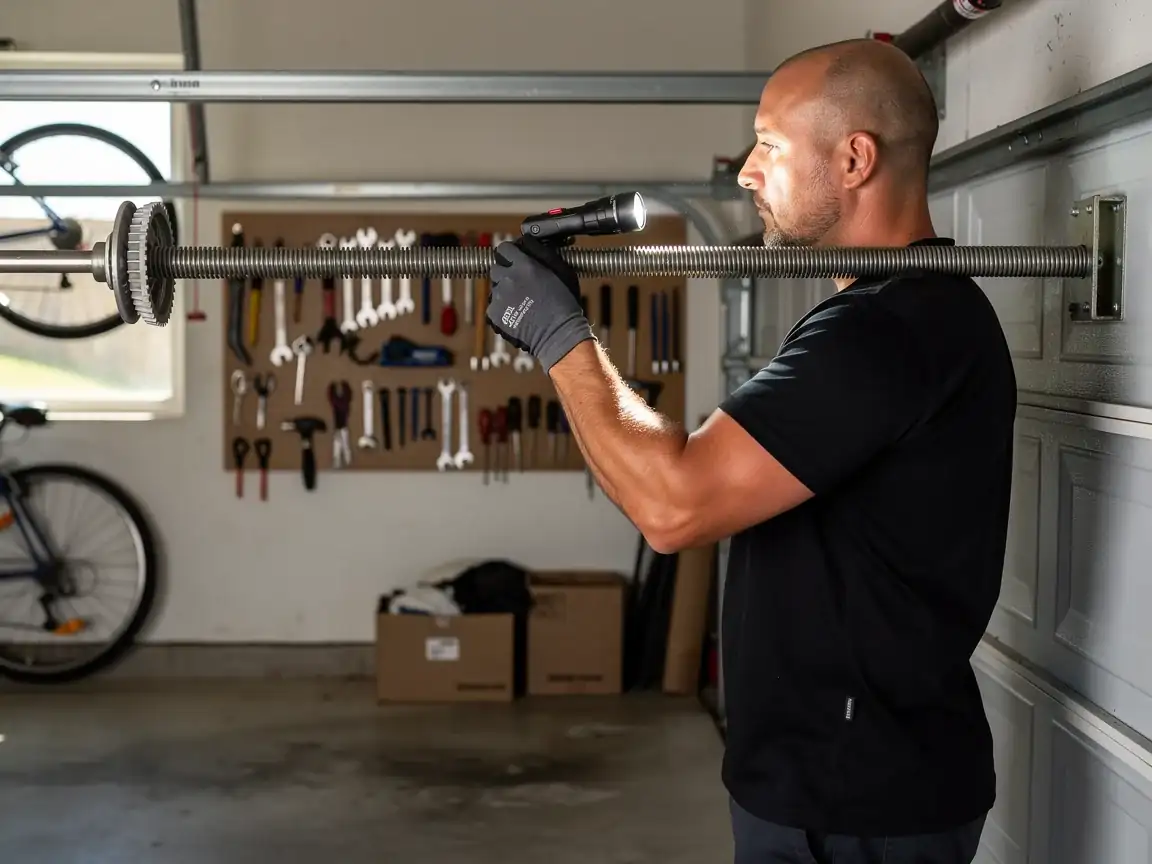
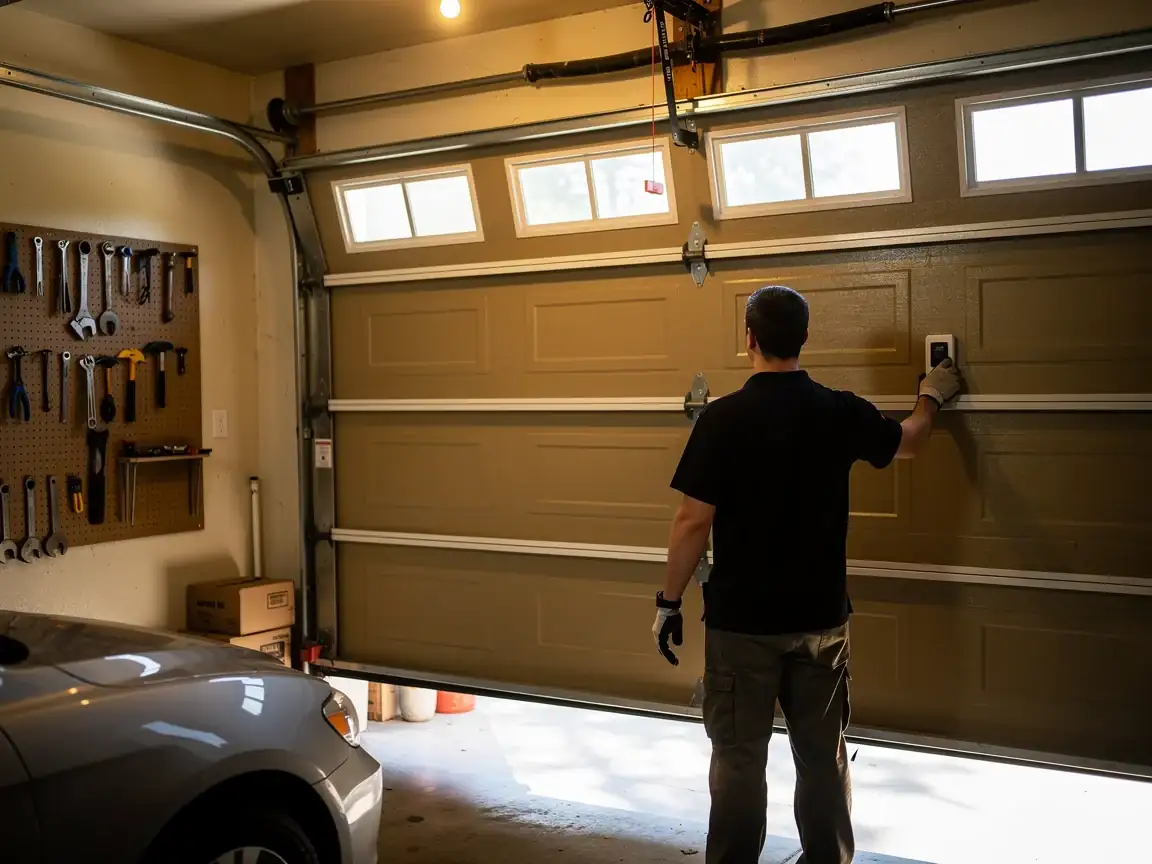
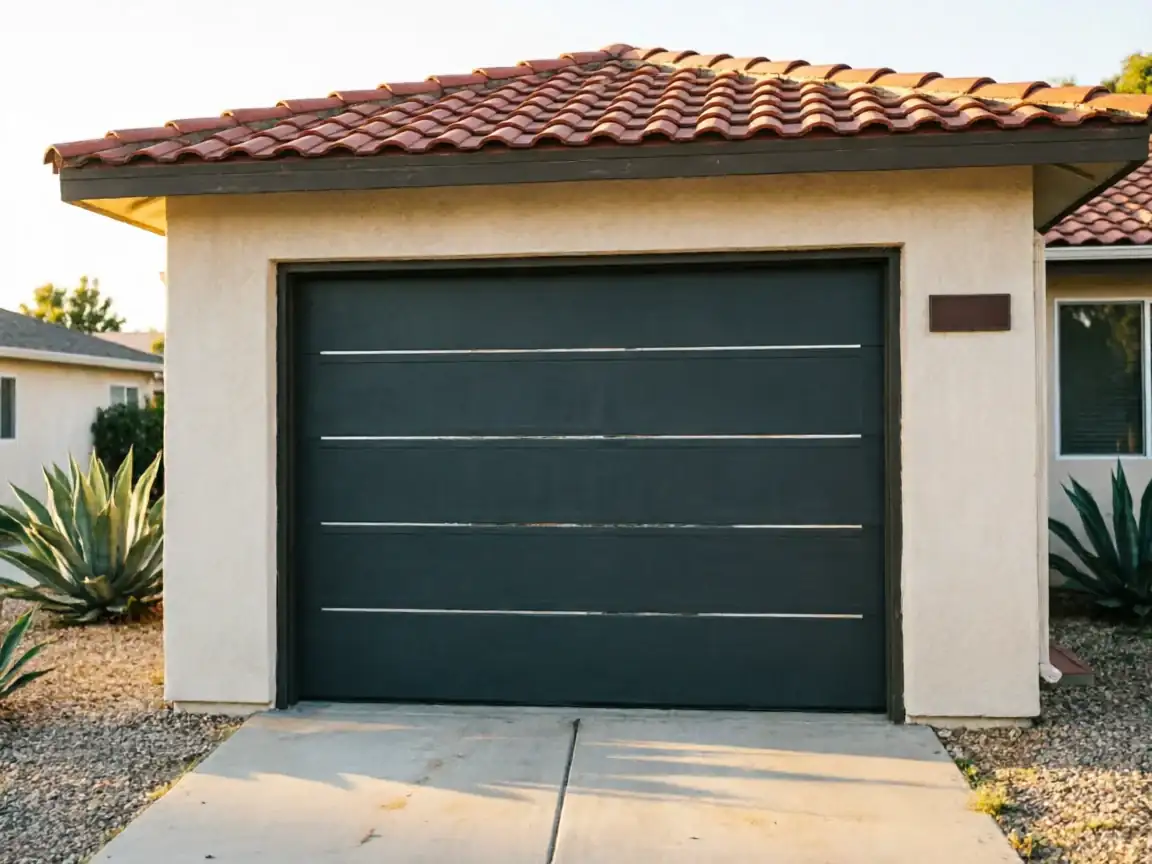
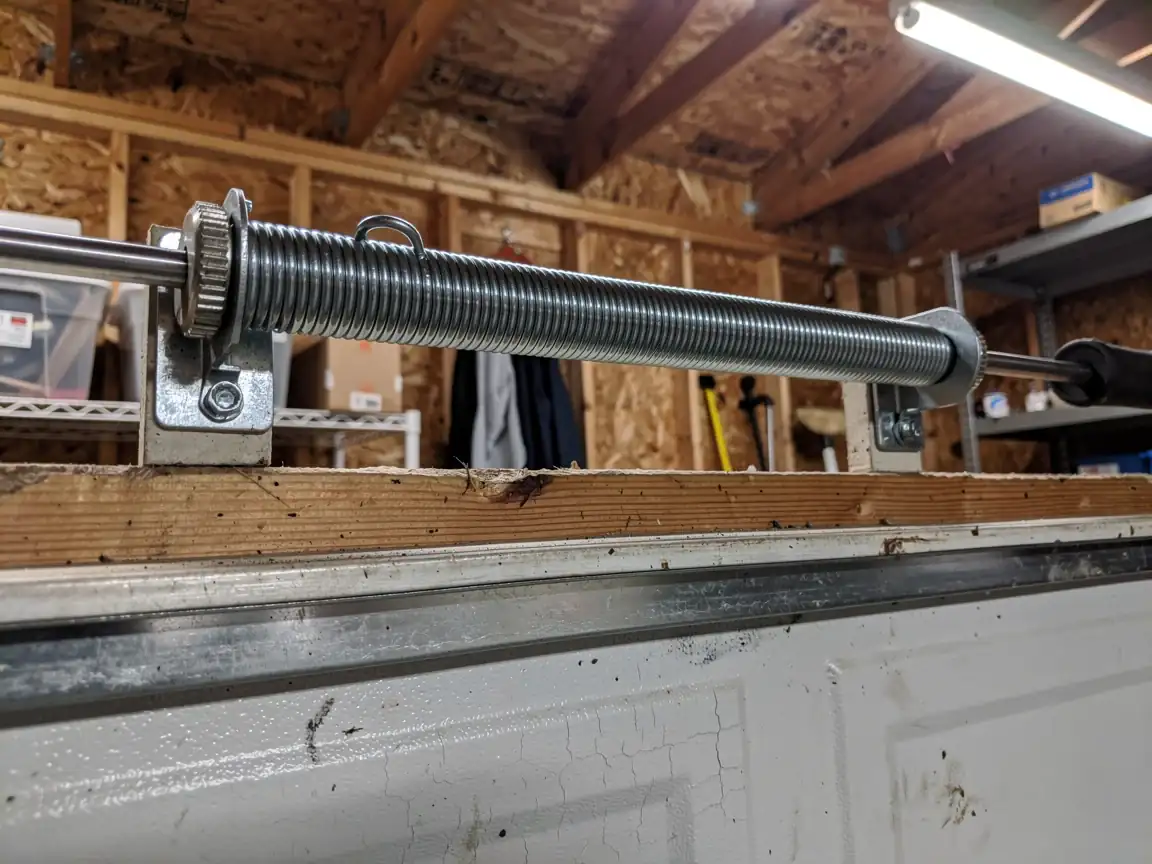
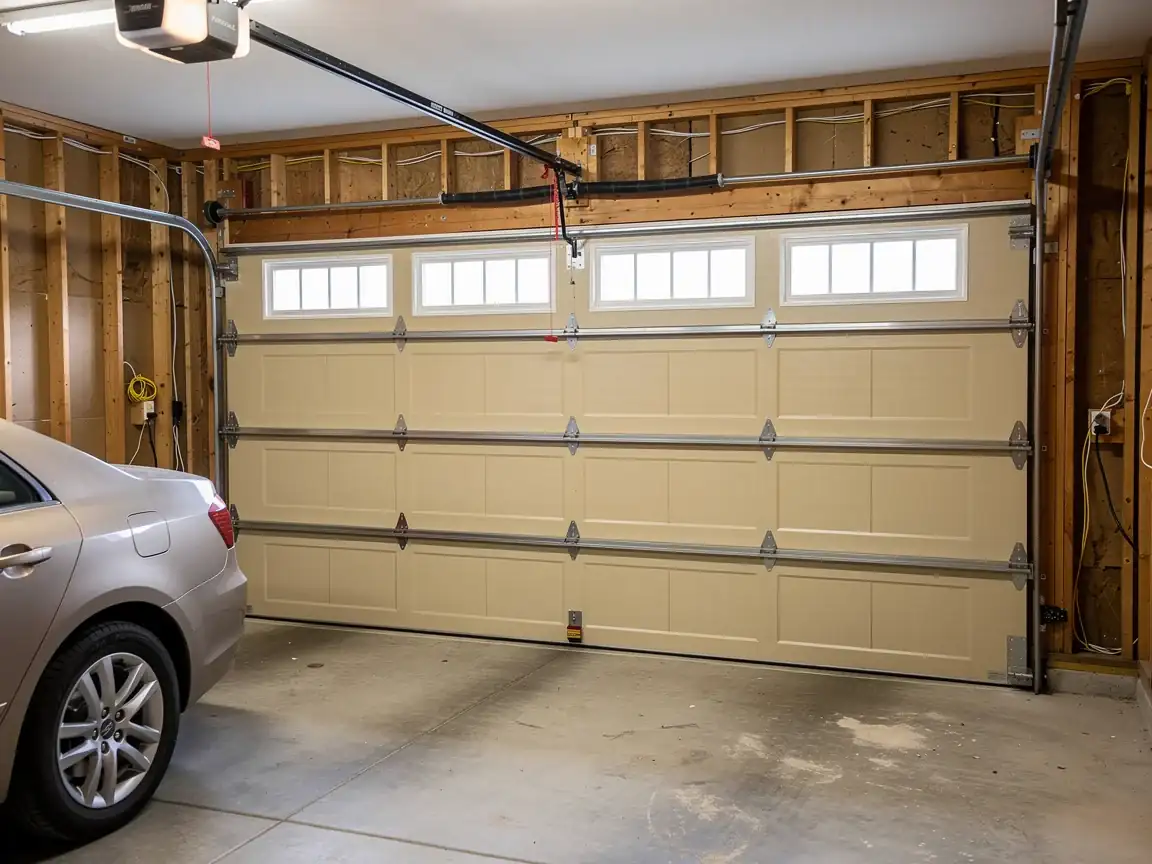
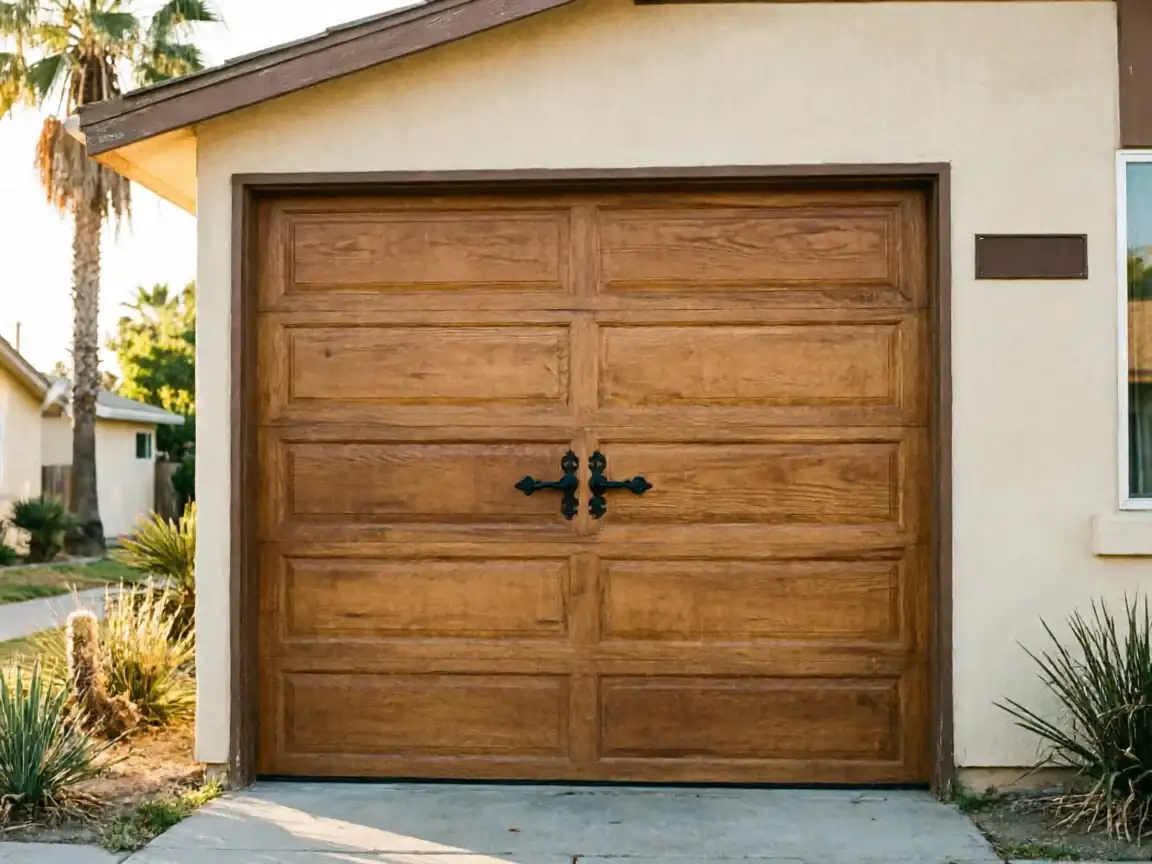
A 1976-era door in this part of the service area typically means steel panels on a torsion spring system, often still running the opener that came with the house or a direct one-for-one replacement from the 80s or 90s. These openers use chain drives more often than belt, which means more noise and more chances for a worn chain to jump the sprocket. The springs on these doors have usually been replaced at least once by now, but the original tracks and hinges are frequently still in place, and after close to fifty years of cycling they develop play that shows up as a door that shudders on the way up. We see a fair number of doors in Martinez where the track brackets have loosened from the framing rather than the hardware itself failing - a fix that's cheap if caught early and expensive if the door comes off the rail.
Older vs Newer Streets
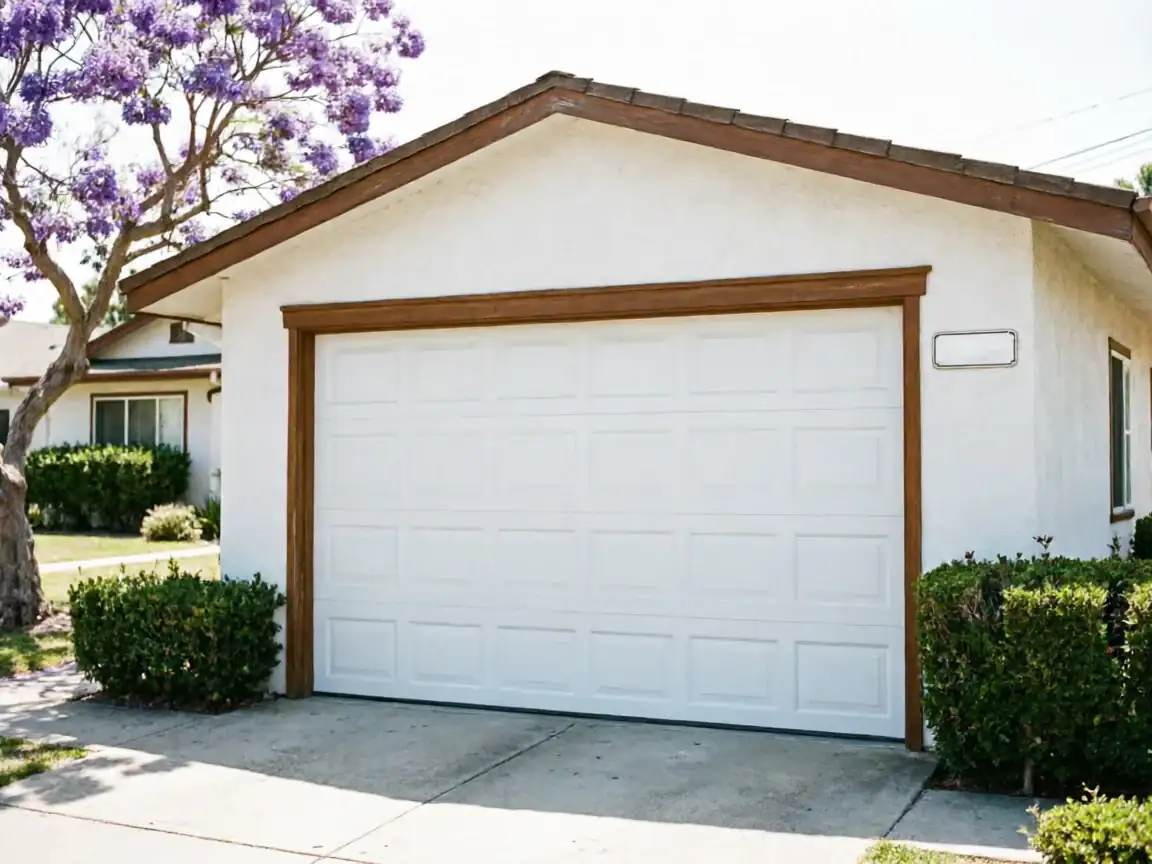
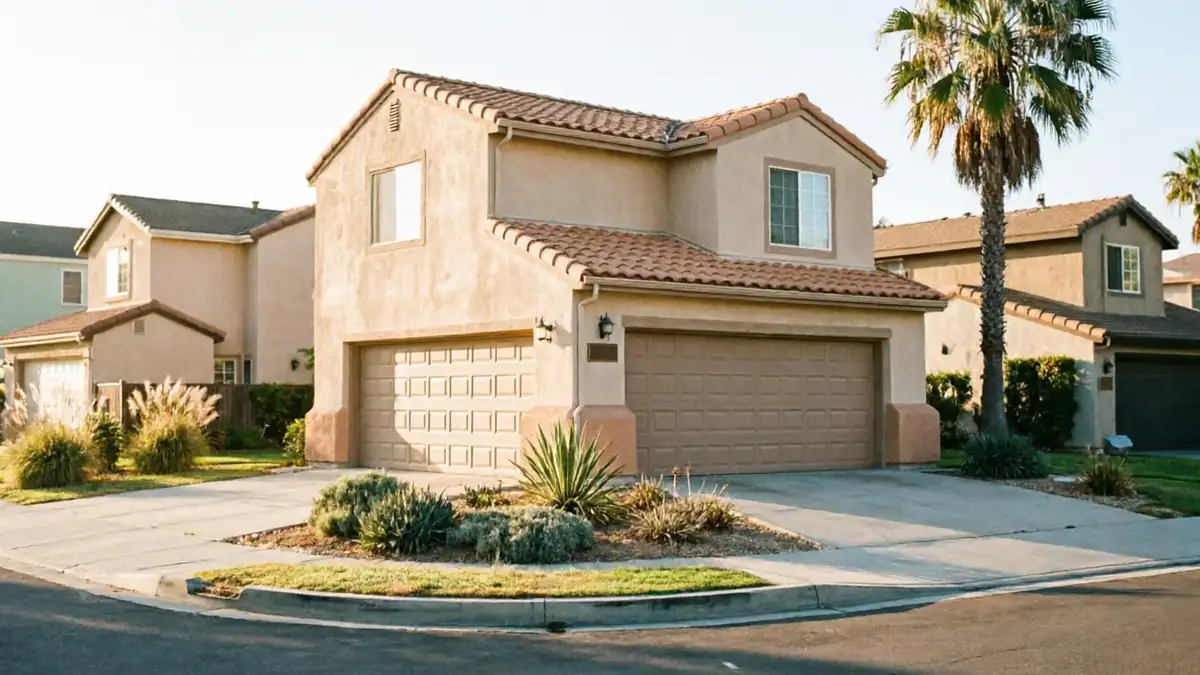
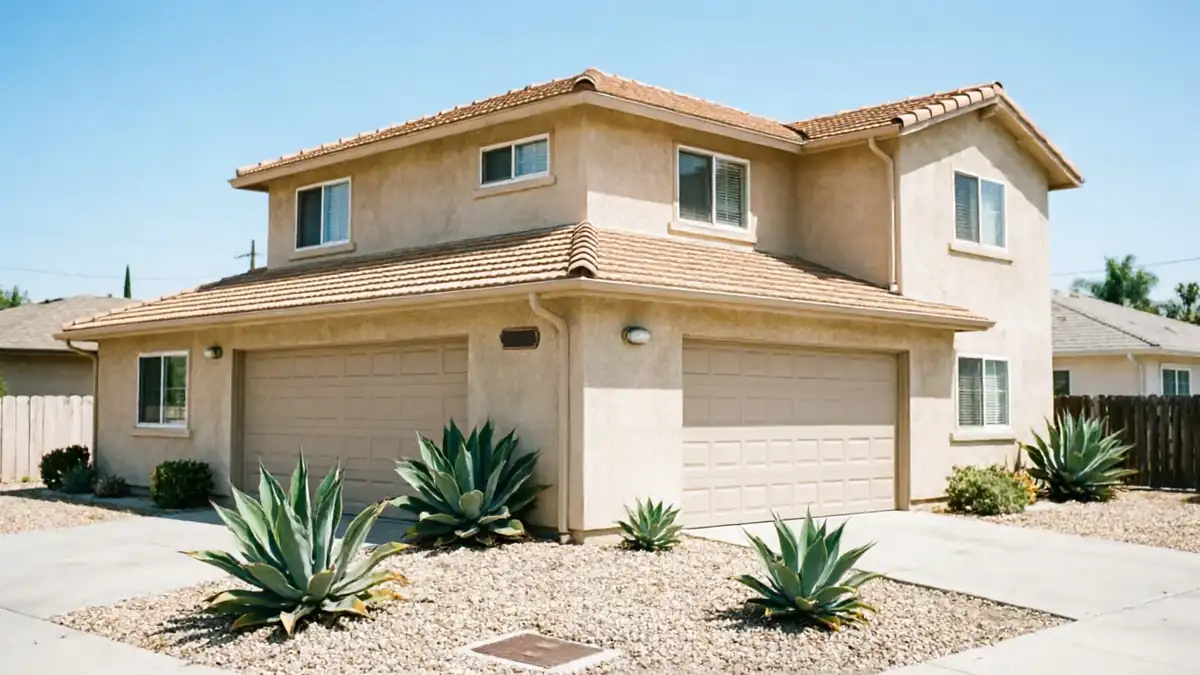
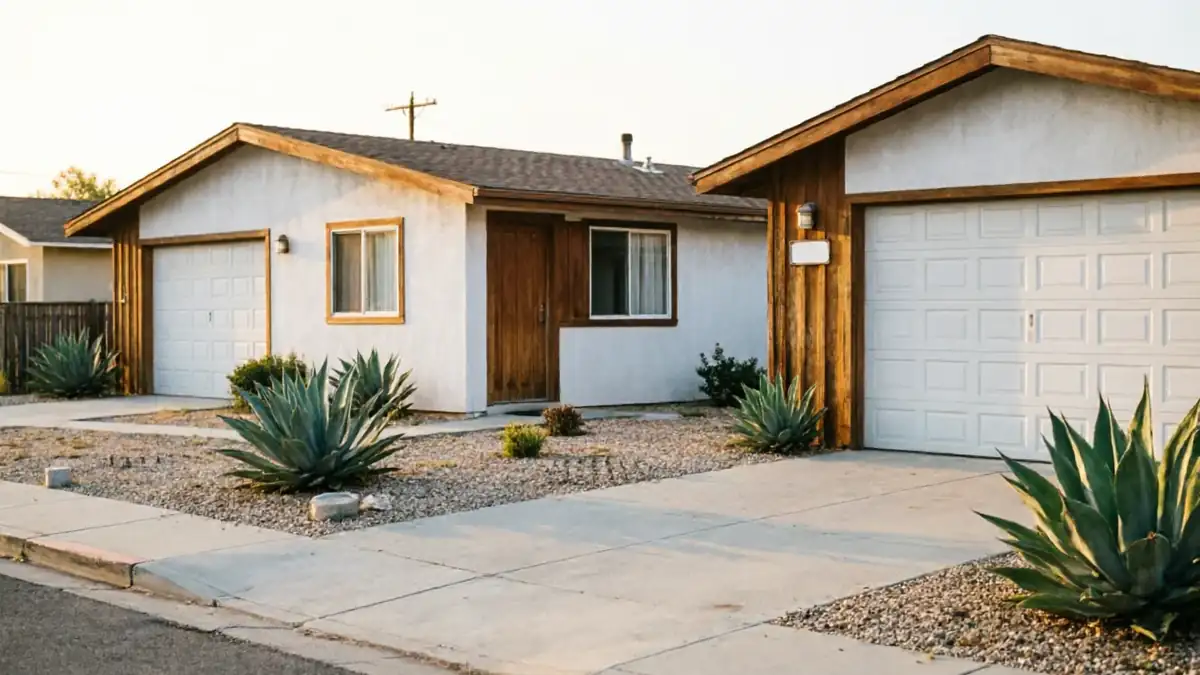
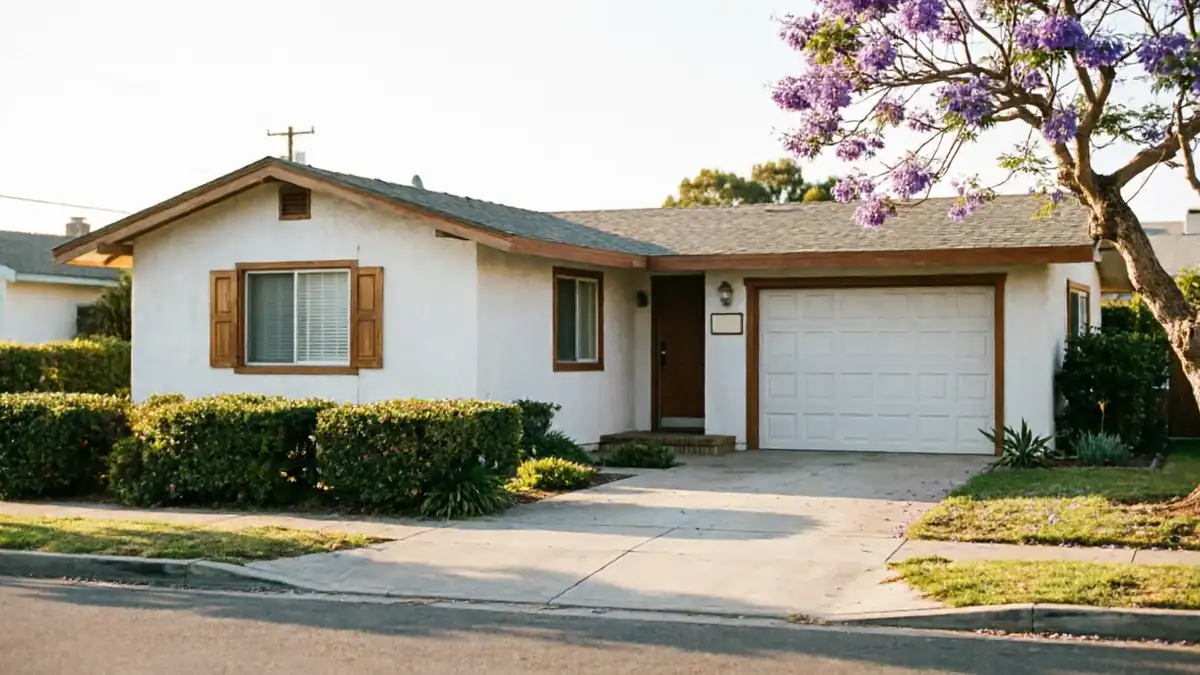
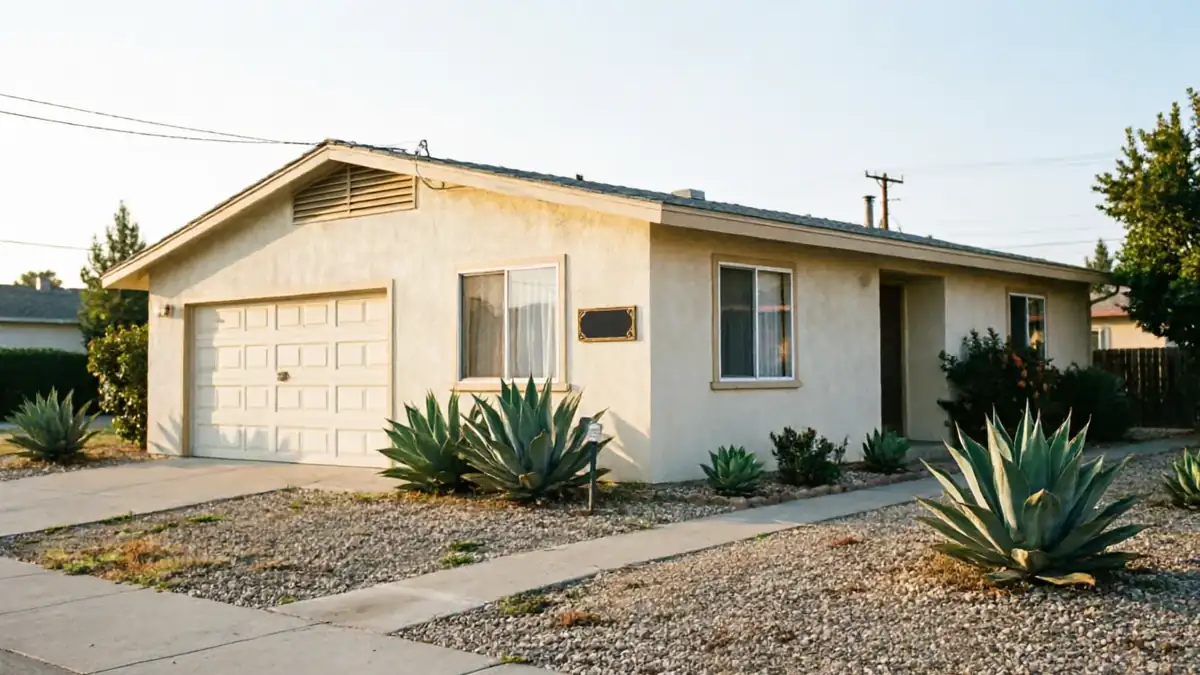
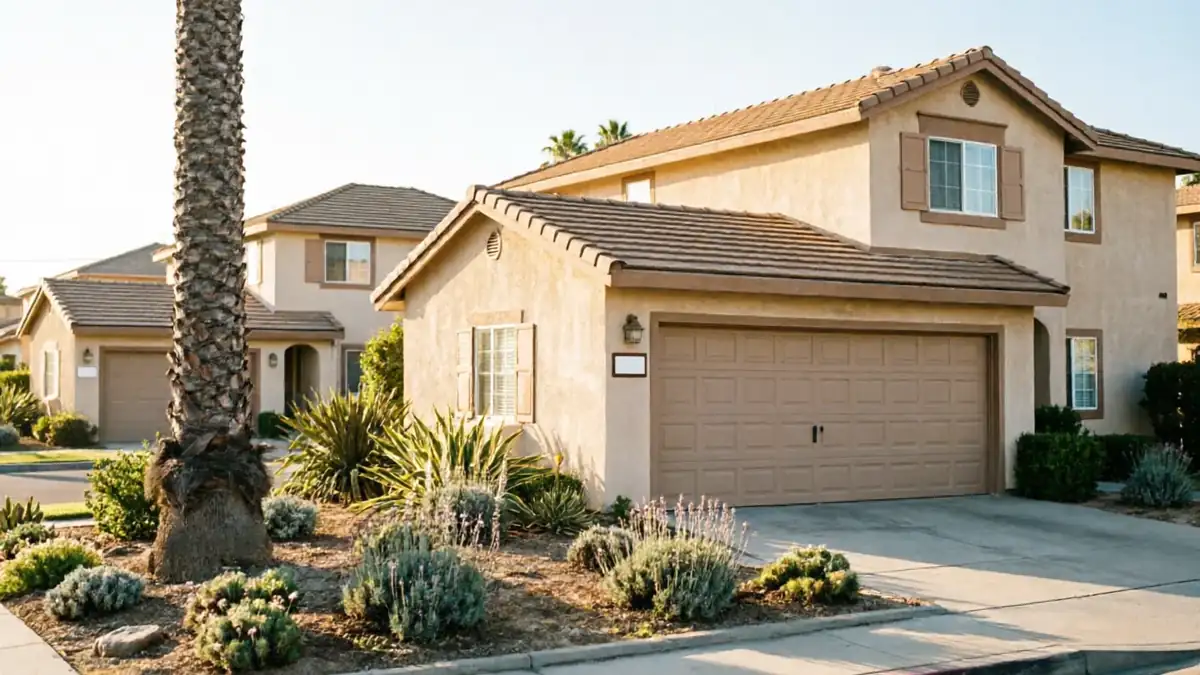
Martinez isn't uniform. Streets built closer to the 1976 median carry steel sectional doors with torsion springs mounted overhead, the standard setup for that era. Where you find older construction mixed in, you'll sometimes still find one-piece swing-up doors or early sectional doors on extension springs mounted along the horizontal track instead of torsion springs over the header - a setup that behaves very differently when it fails and needs different parts. Newer infill houses, less common here but present, are more likely to already have a belt-drive opener and a door with better weatherstripping. Knowing which generation you're on before we quote a job saves a wasted trip, so we ask for the approximate build year or a photo of the spring setup when you call.