Can You Do This Yourself
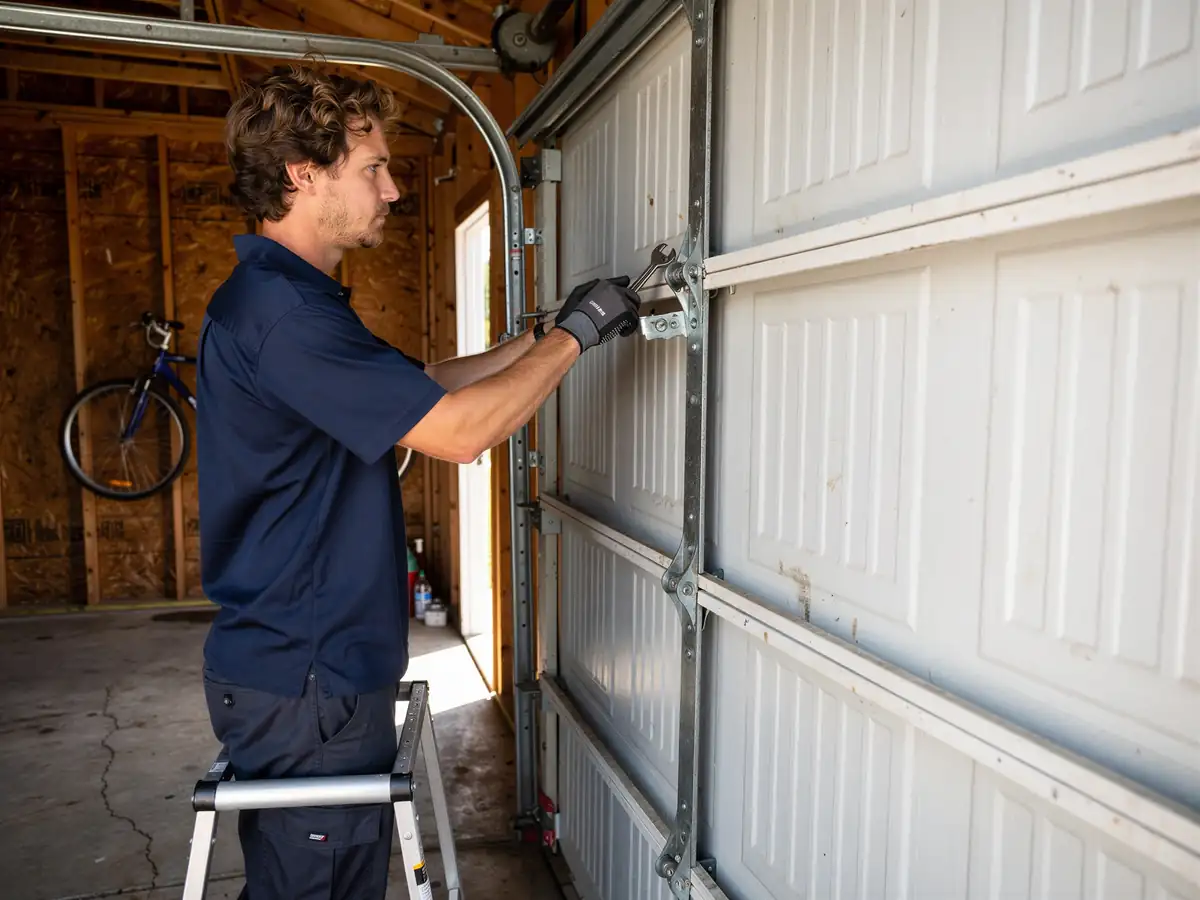
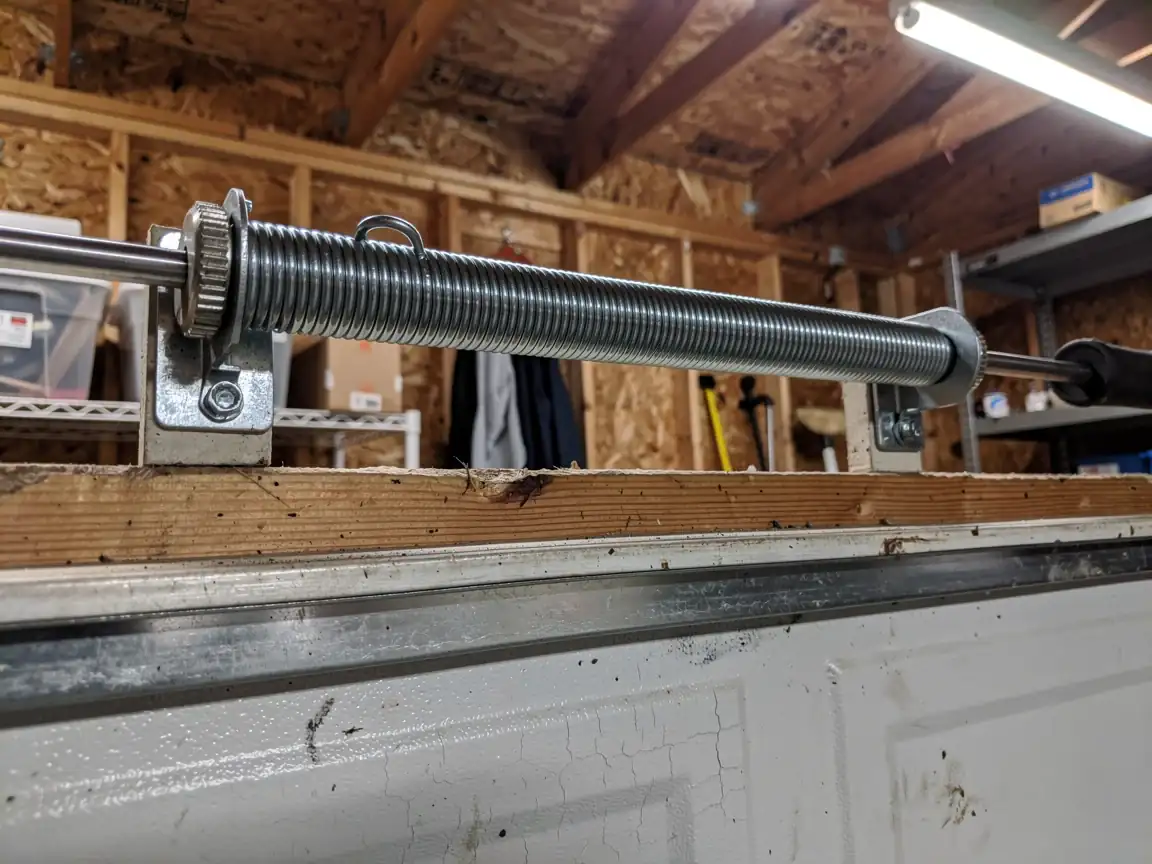
A torsion spring sits above the door under tension strong enough to break a hand or worse
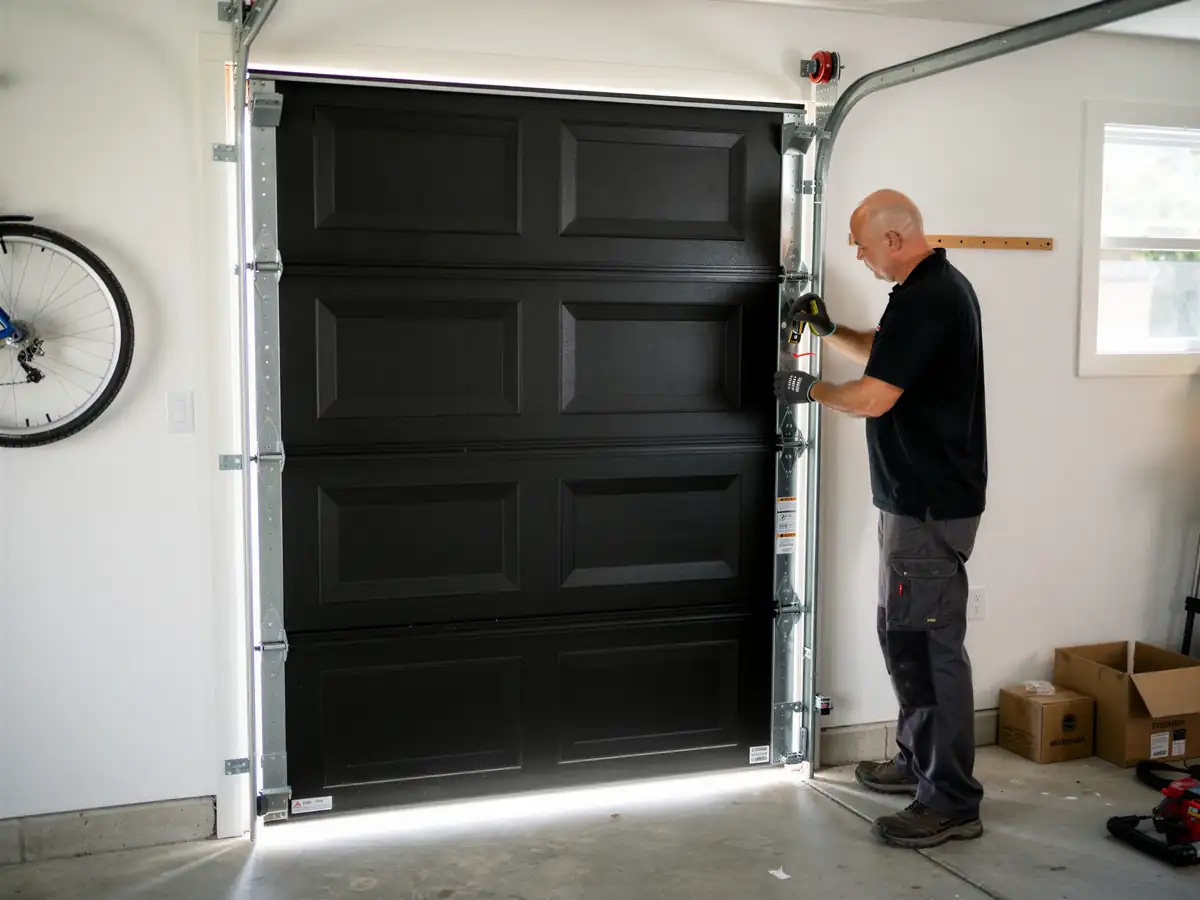
And that's true whether it's a single-car door or a double. We're not going to tell you it's impossible to swap one out, but we will tell you most of the tools for doing it safely - winding bars, a vice grip set up right, a way to clamp the shaft - aren't sitting in a typical garage, and the first time you do this isn't a good time to learn.
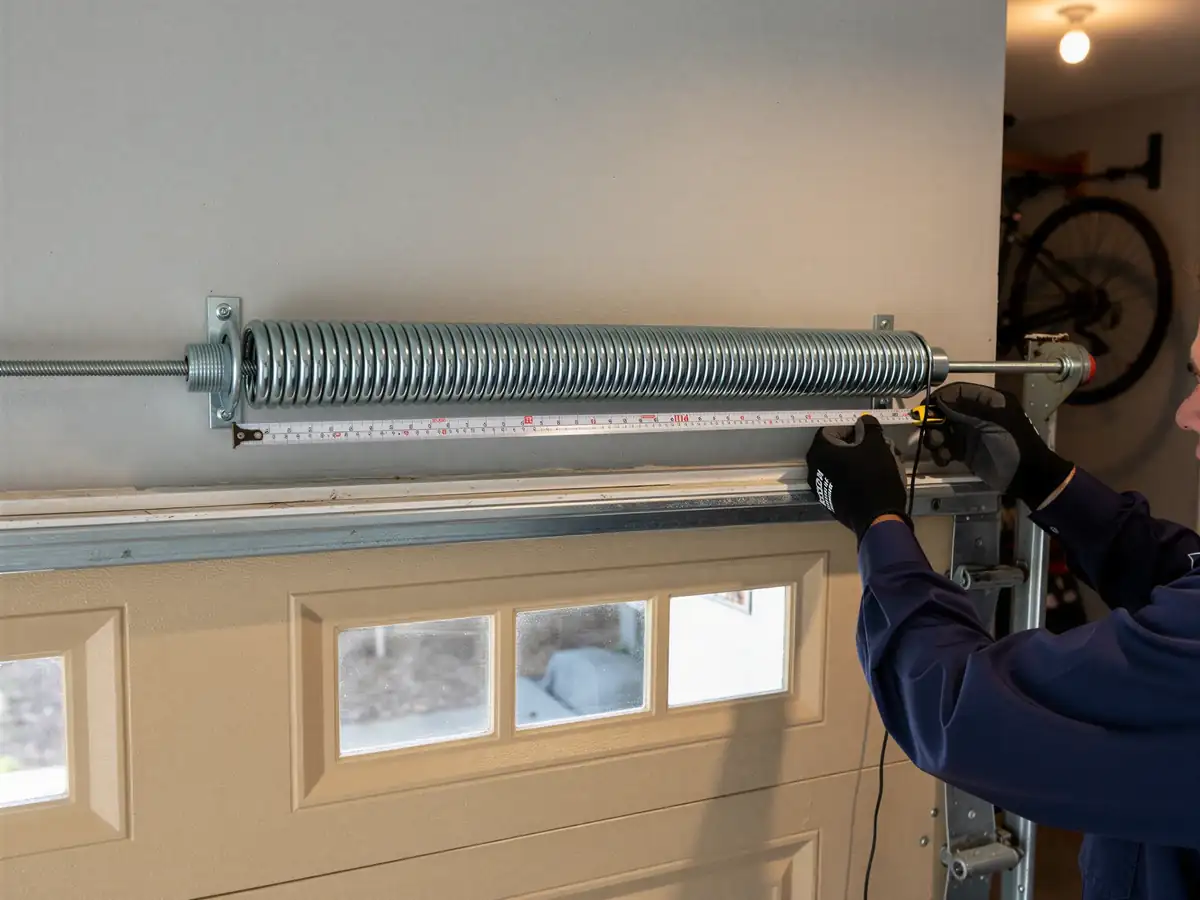
Extension springs on older setups are a little more forgivable
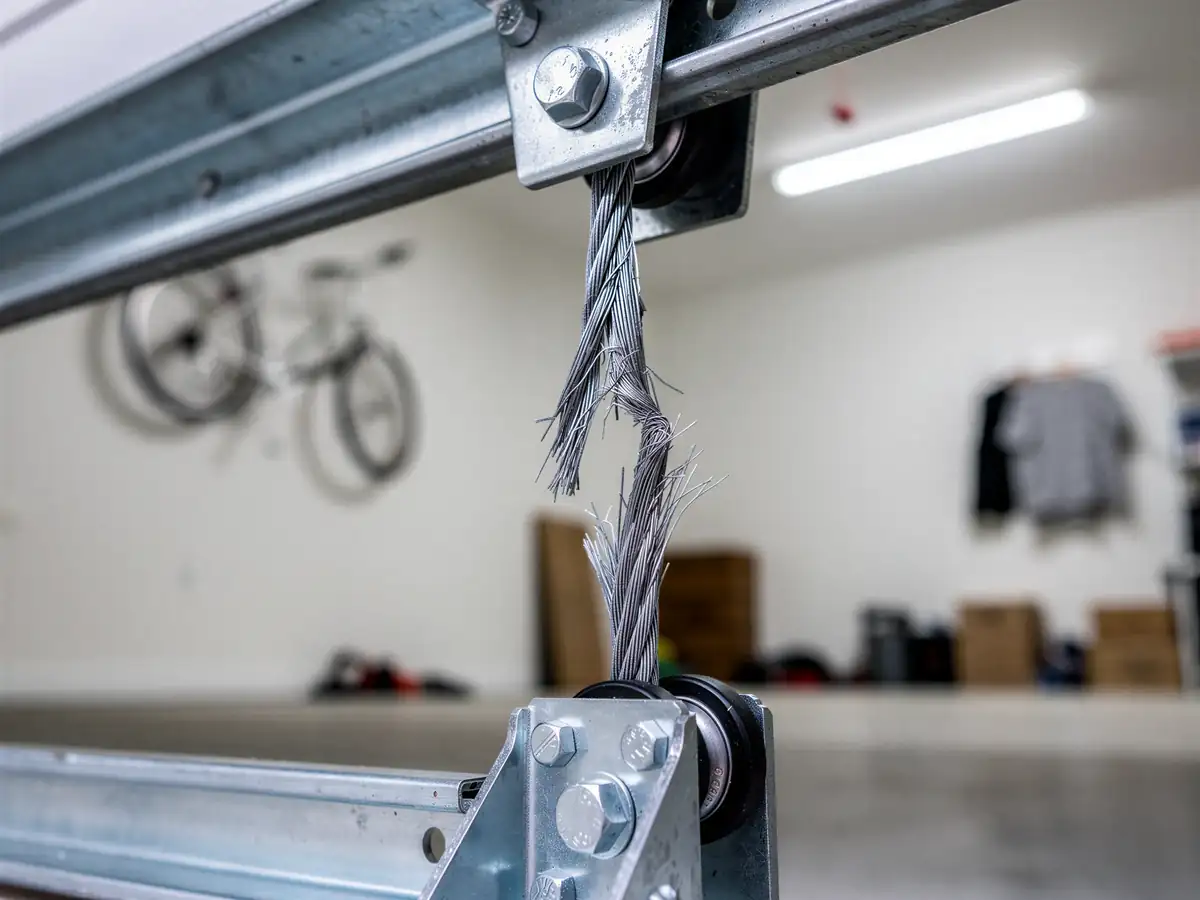
But the cable and pulley system around them still carries real force. If a cable snaps while you're standing under it, that's a trip to urgent care, not a repair.
What you can do yourself: check whether it's actually the spring
If the door won't lift and you see a gap in the coil, or the door looks lopsided on one side, that's your spring. You can also check the easy stuff first - a disconnected opener, a bent track, a sensor out of alignment - before assuming it's the spring at all. If it is the spring, that's a call, not a weekend project.
What Causes It Around Here
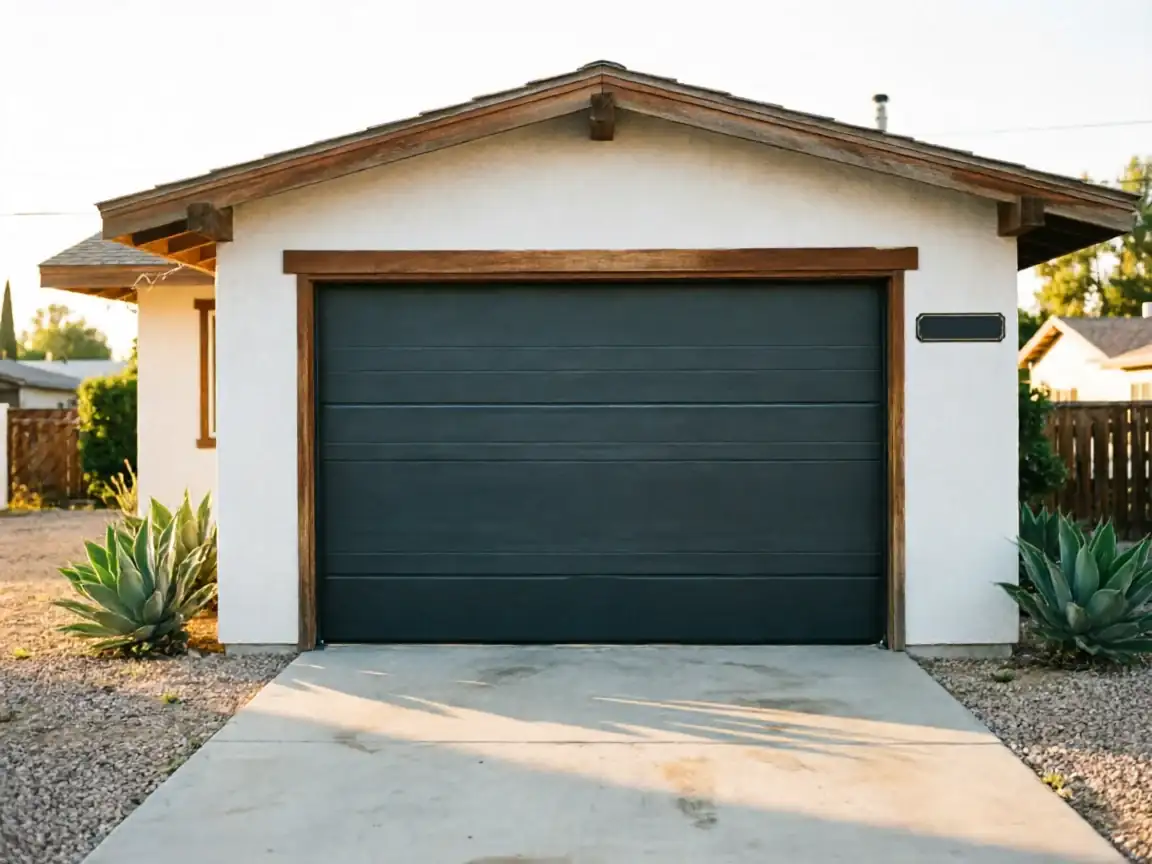
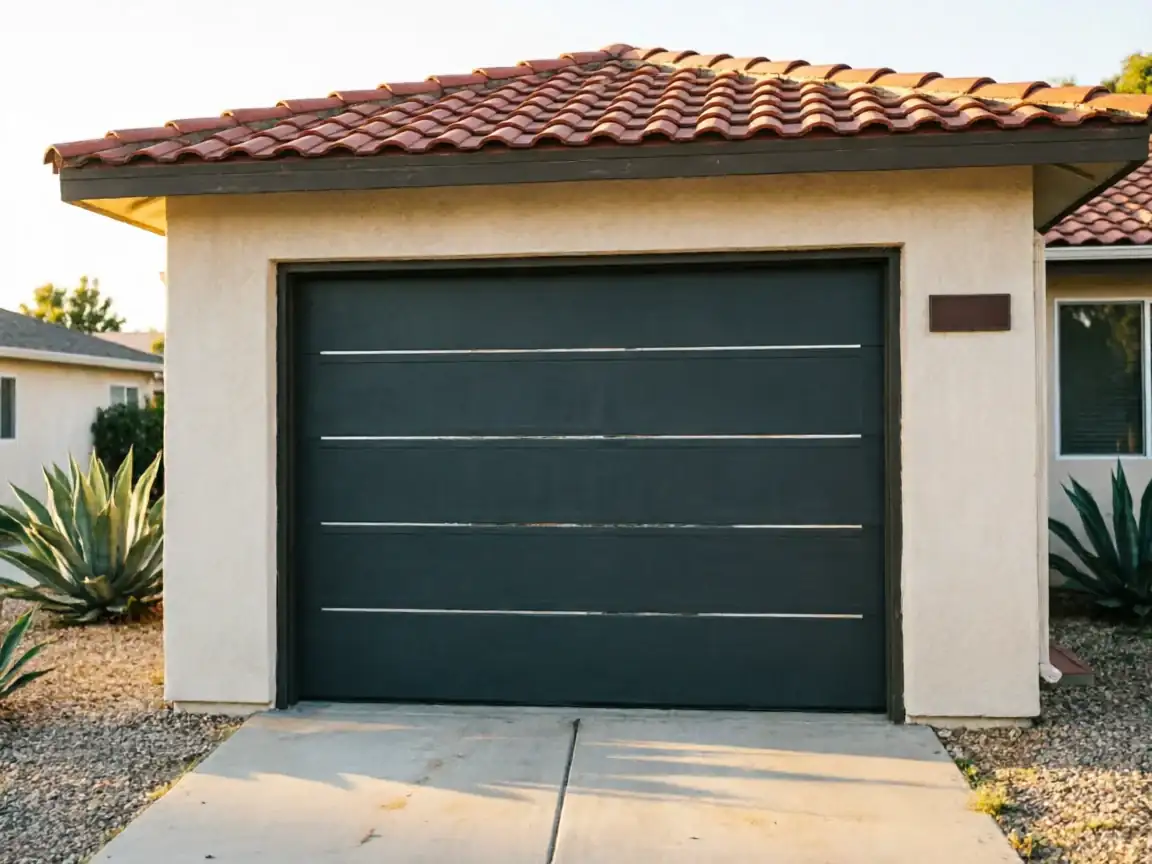
Housing in this service area was mostly built between 1938 and 2008, with the bulk of it going up in the 1960s and 70s, and that era matters for springs specifically. A torsion spring is rated for a cycle count - open-close cycles, not years - and a door installed when a house was built in the 70s has had five decades to run through that count. We see a lot of original or first-replacement springs finally giving out simply because the math caught up with them, not because anything dramatic happened.
The climate here stays mild with only occasional freeze, which takes one failure mode off the table - we don't get the ice-cracking or extreme cold-contraction failures you'd see in a harsher climate. What we get instead is straightforward fatigue: steel that's been wound and unwound tens of thousands of times finally losing its temper.
This pattern holds across the whole area - the 29 named communities within a few miles of each other share roughly the same construction era, so the same springs are reaching end-of-life at the same time in a lot of garages, not just one street.
The Symptom
The door feels heavy all of a sudden, or the opener strains and groans where it used to lift smooth. Sometimes you'll hear a bang from the garage - that's the spring letting go, usually with the door down, which is the safer time for it to happen. After that, the door won't budge on the opener, or it'll crawl up a few inches and stop.
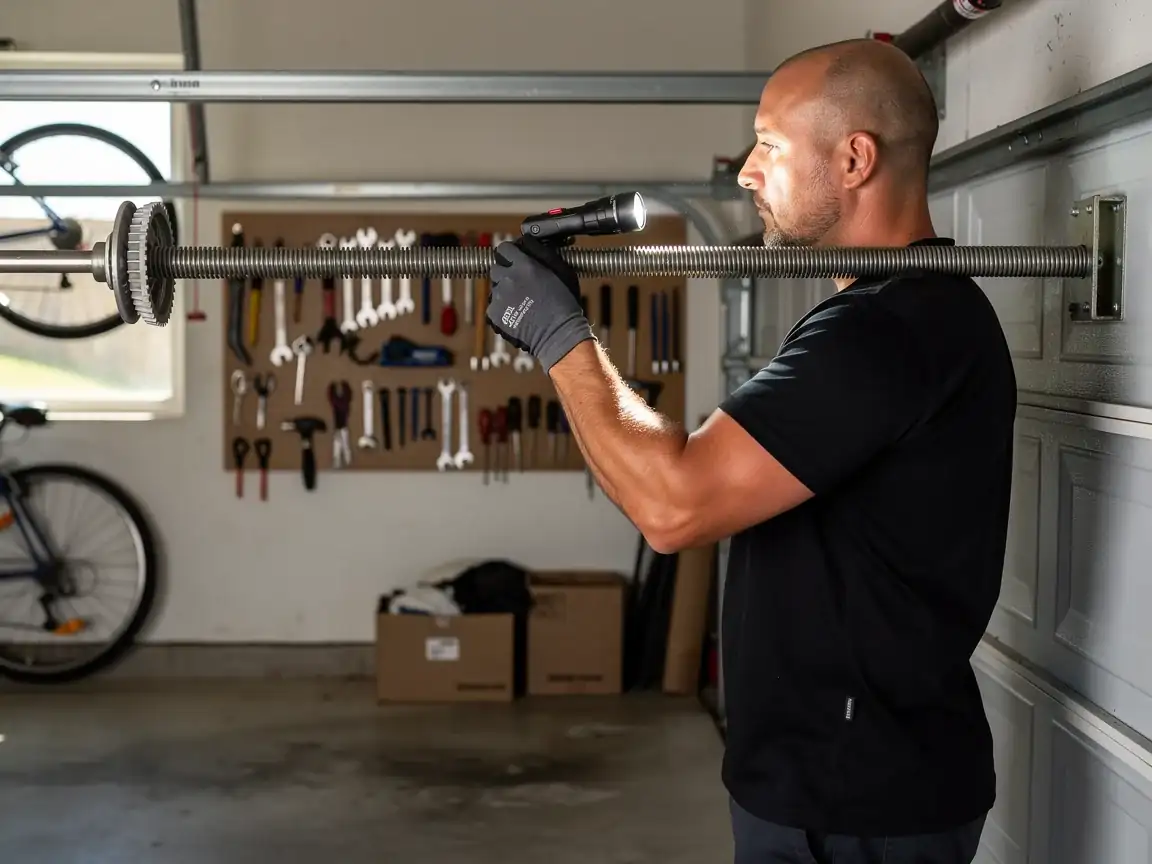
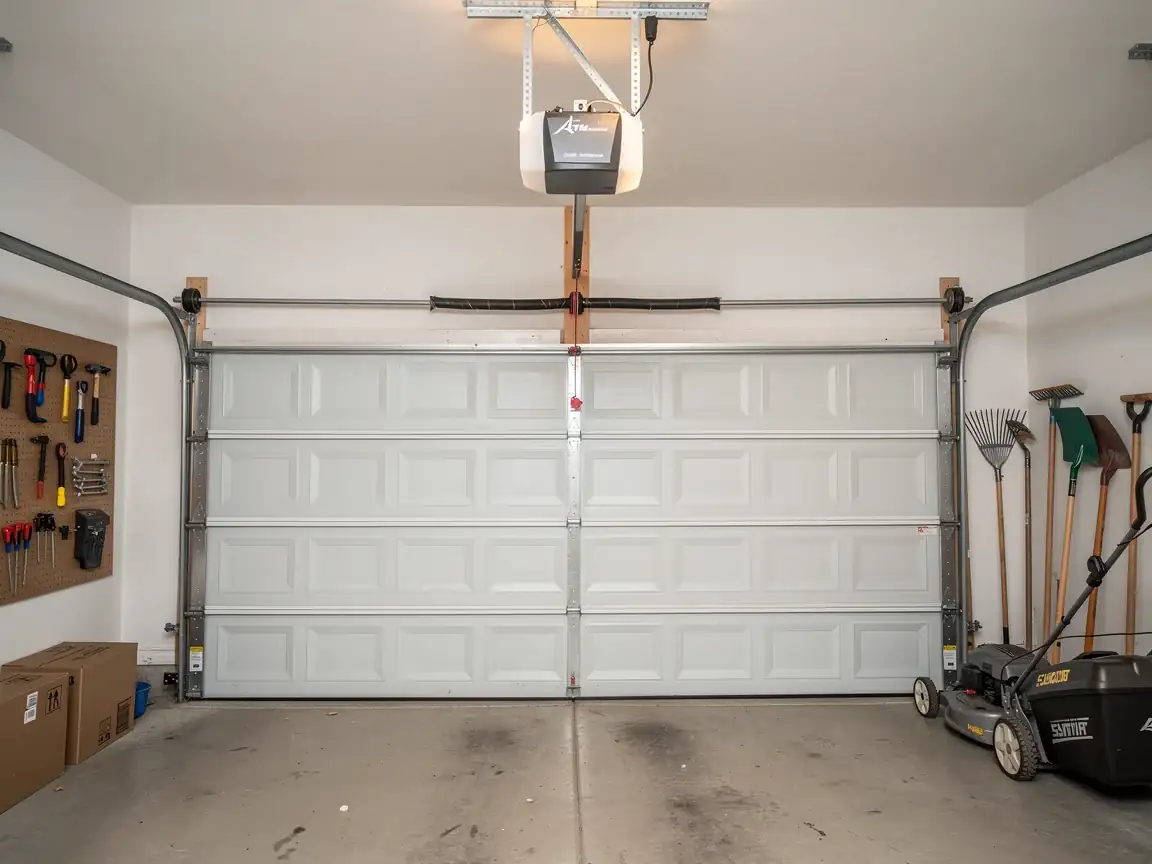
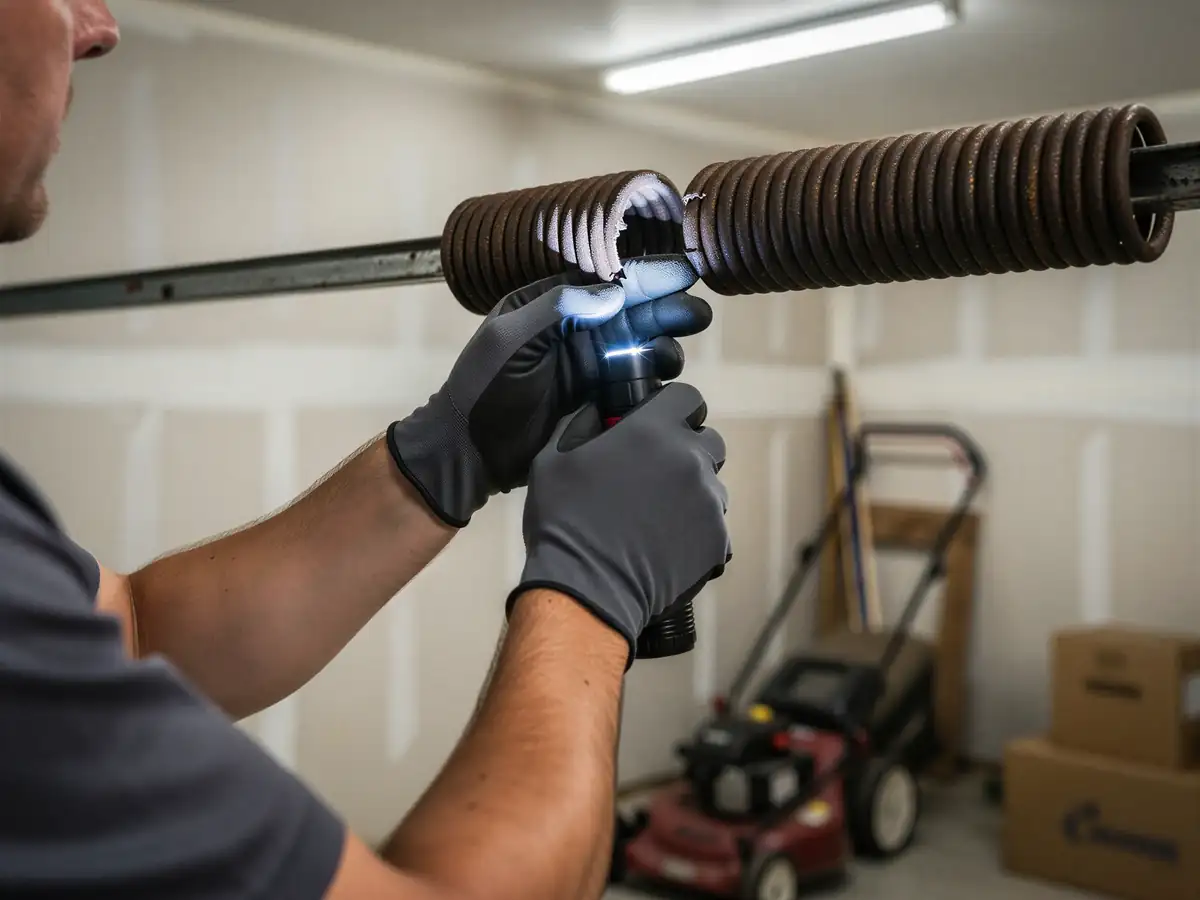
Look at the spring itself if you can see it safely from a distance: a broken torsion spring shows a visible gap in the coil. On a double door with two springs, sometimes only one goes, and the door will tilt or drag to one side as you lift it, because the remaining spring is doing all the work.
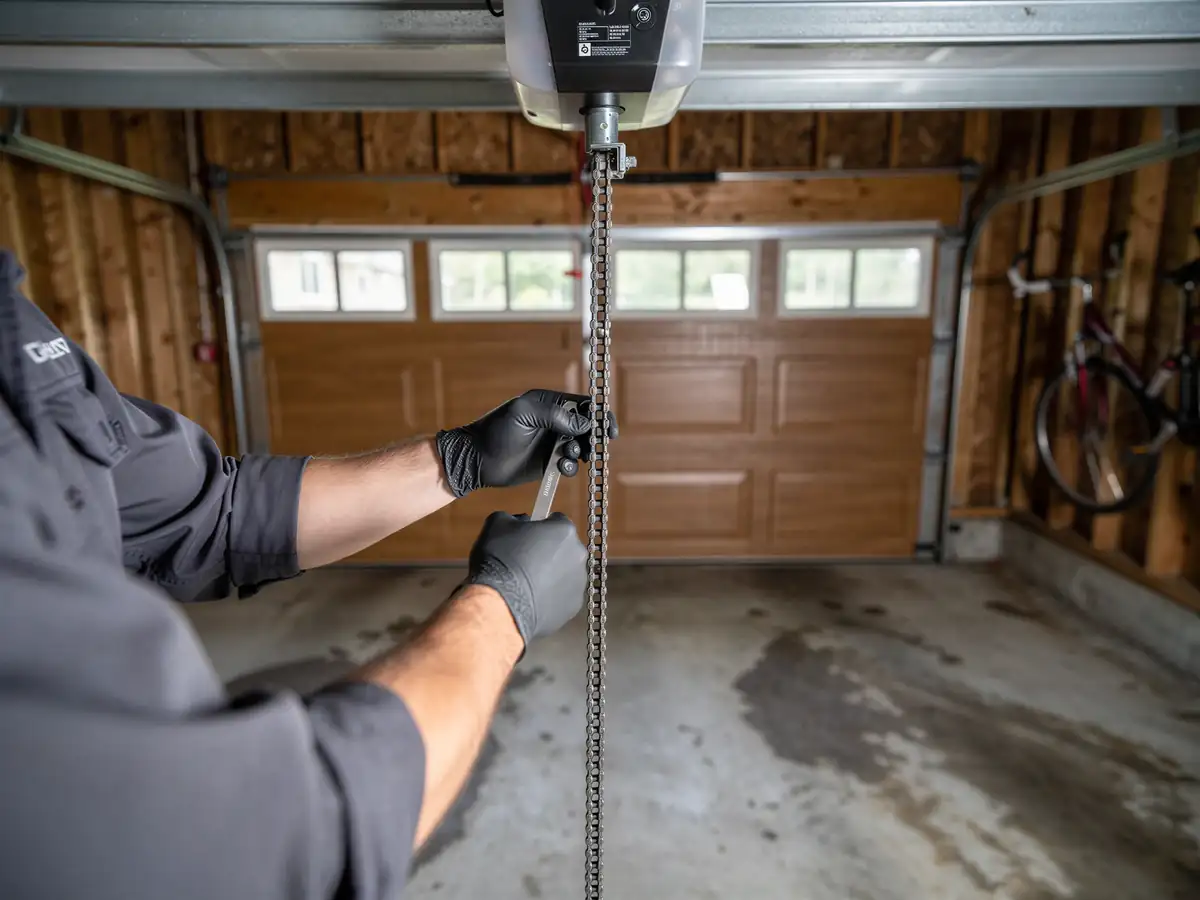
If the door comes down fast and hard instead of easing shut, that's also spring-related - the spring's job is to control the descent, and a weak or broken one can't do it. Don't keep running the opener against a broken spring. That shifts the load onto gears and the drive mechanism that weren't built to lift the door on their own, and now you're paying for two repairs instead of one.
The Cost of This Job
We're not going to put a number here that isn't tied to the actual door in front of us
Spring size, whether it's one spring or two, torsion versus extension, and the door's weight all change the job. What we can tell you honestly: a single broken spring is usually a same-visit fix once the right spring is identified, and replacing both springs on a double door at once, even if only one has broken, is often the better call rather than waiting for the second one to go in a few months.
One limitation worth knowing up front
Some older or less common spring sizes aren't something we carry on the truck, and if your door has a nonstandard shaft diameter or an unusual wind, that can mean a short wait on the part. We'd rather tell you that before the appointment than surprise you at the door.
Households across this service area
Over 210,000 of them, the large majority owner-occupied houses with attached garages - are the exact housing type where this job comes up. It's common work, not a rare specialty, which keeps the job itself straightforward even when the part takes a day to land.