What We Do Most in This Area
Pittsburg sits about 18 miles from our San Ramon base
And the calls we get from this area skew toward a specific decade of construction. The service area as a whole runs from houses built in 1938 up through 2008, but Pittsburg's own housing stock centers on 1982 - a full decade later than the service area median of 1973. That gap matters more than it sounds like it should.
- 18 miles
Houses built in the early 1980s came with a different generation of garage door hardware than the 1960s and 70s builds that dominate a lot of our other coverage
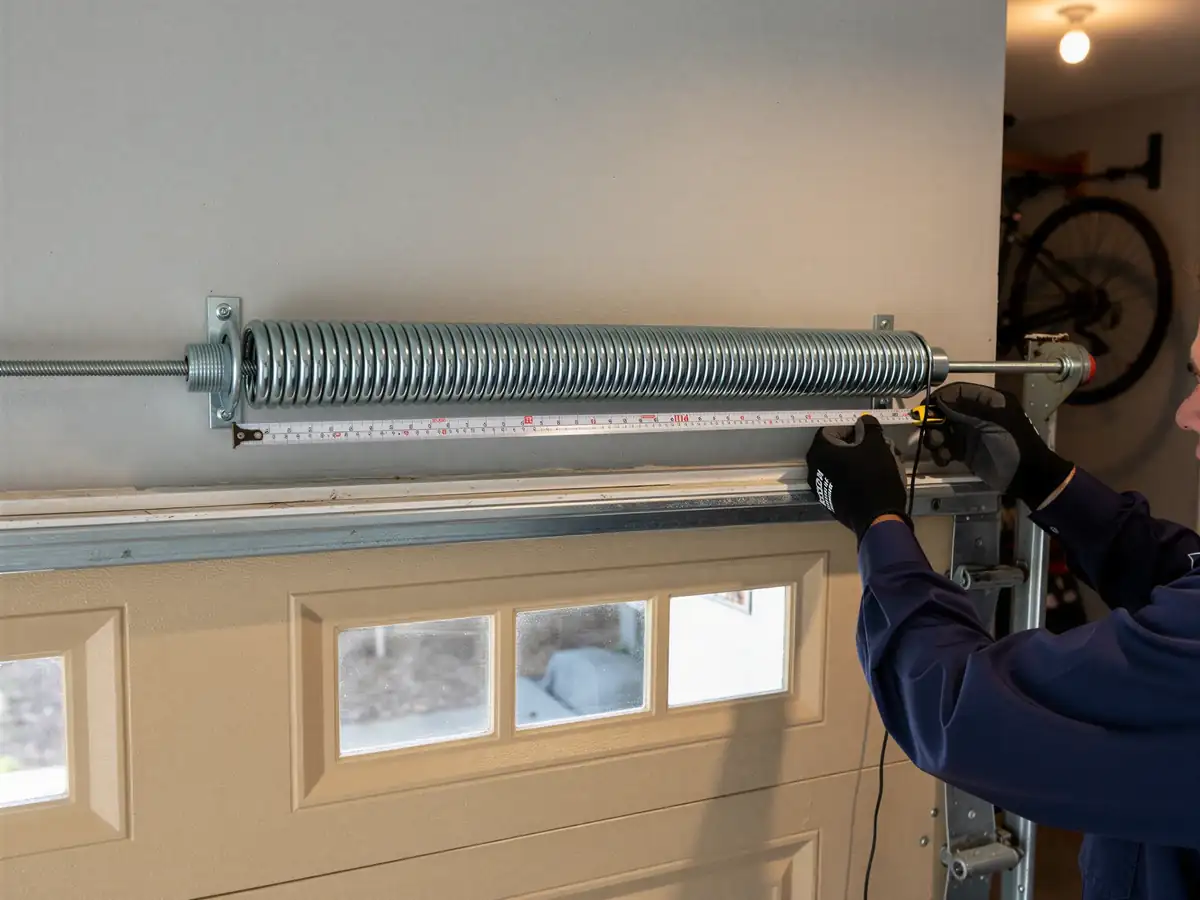
By 1982 builders had mostly moved to extension springs or lighter torsion setups paired with the first wave of chain-drive openers, rather than the heavier, older torsion systems common on earlier tract housing. So the most common Pittsburg calls we see are extension spring replacement, opener logic board failures on units that are now well past their expected service life, and worn nylon rollers on doors that have had three or four decades of daily use.
We don't keep a crew stationed in Pittsburg
Every job here is a dispatch from San Ramon - but the repair profile is consistent enough that we know generally what we're bringing on the truck before we arrive.
What That Means for Doors
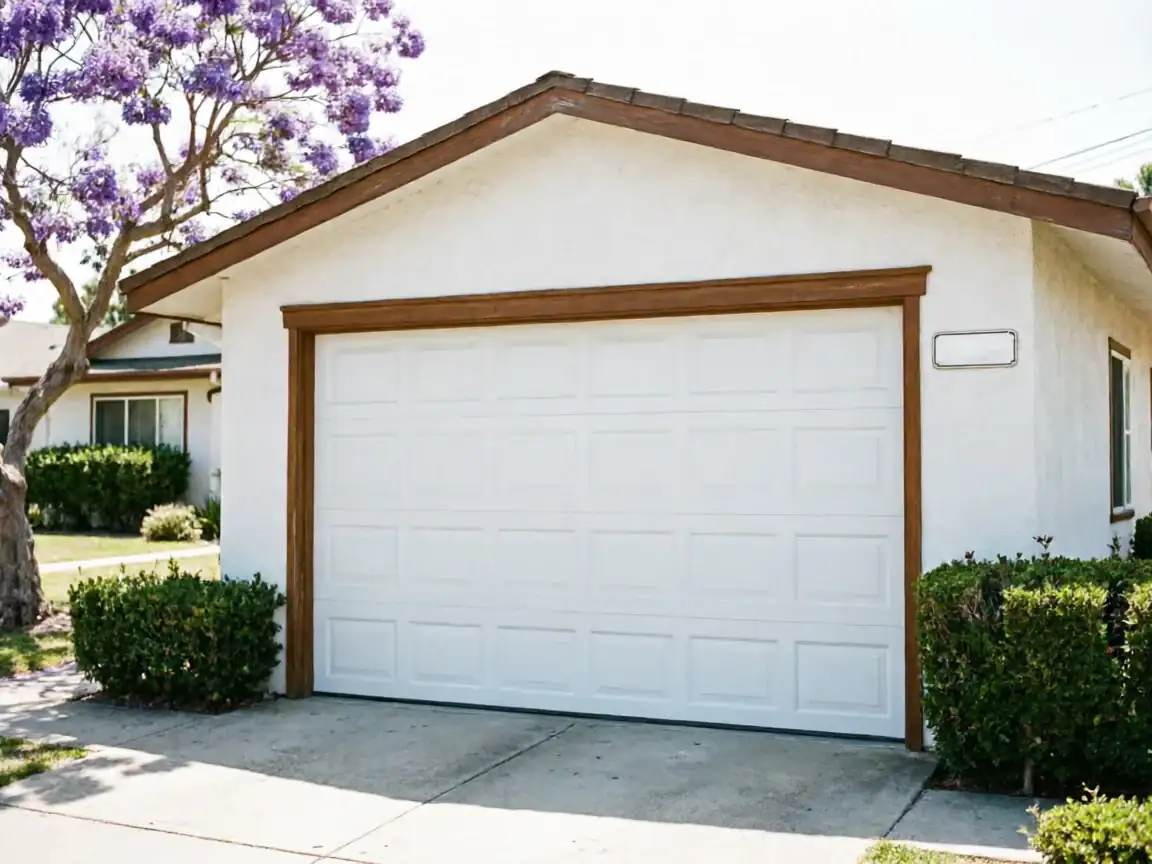
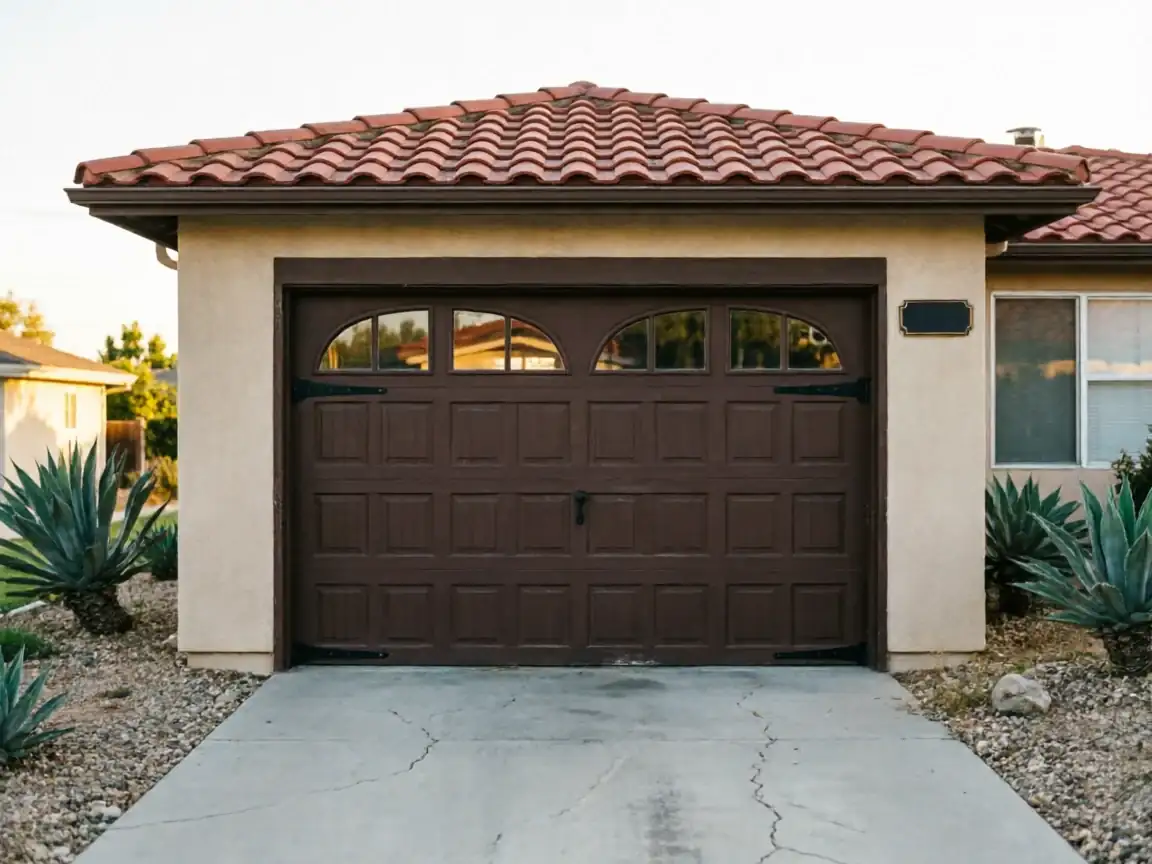
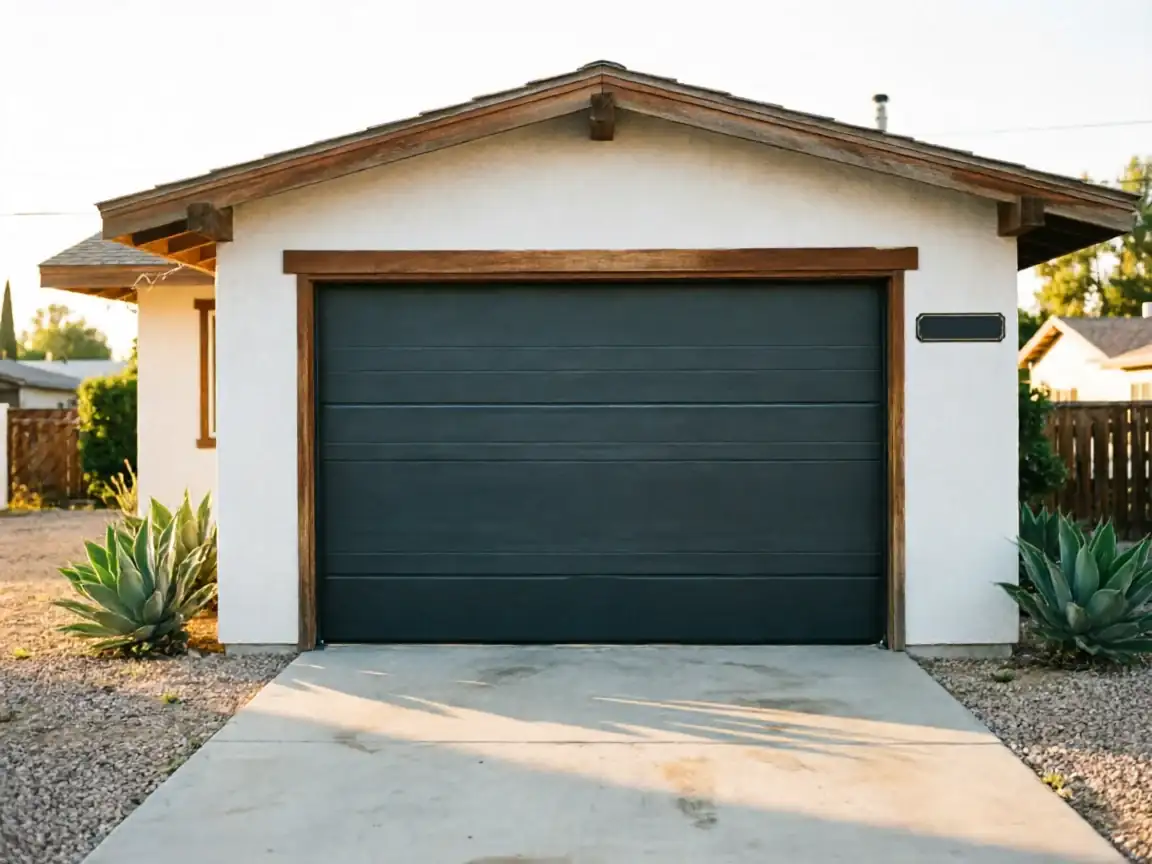
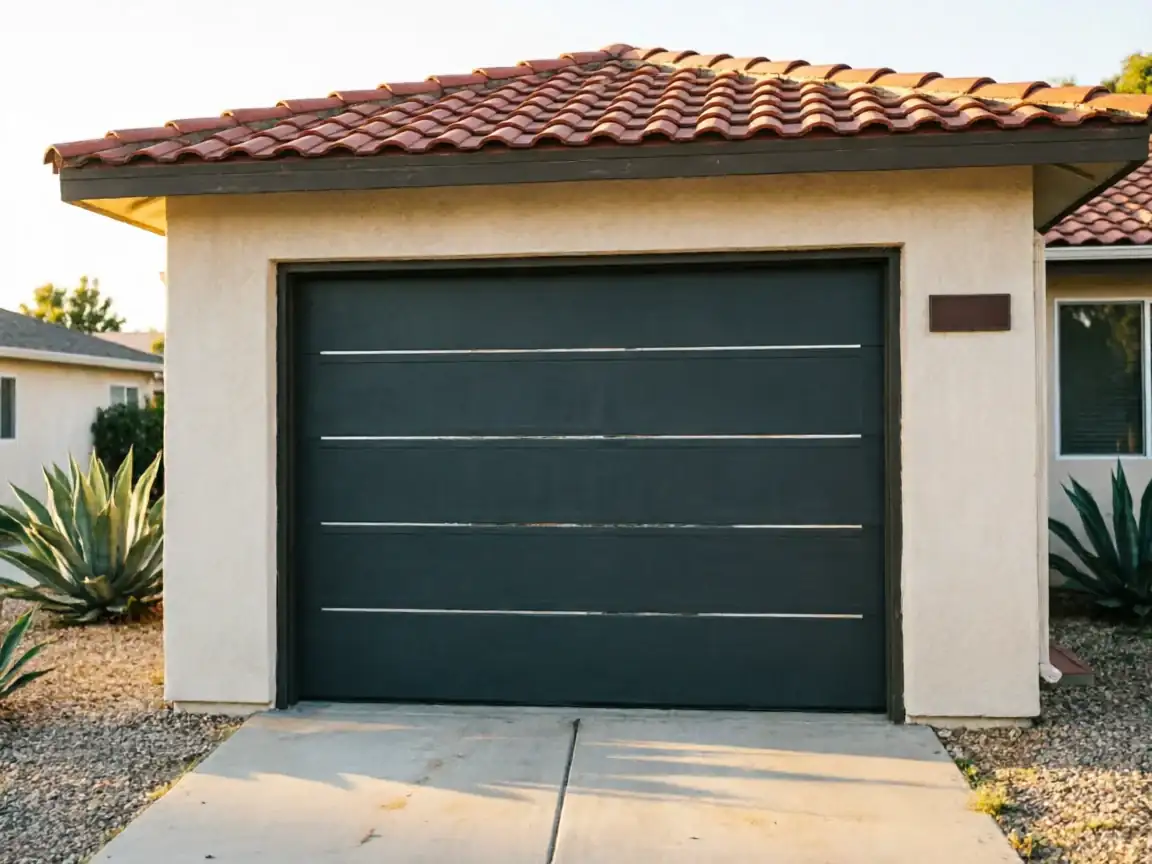
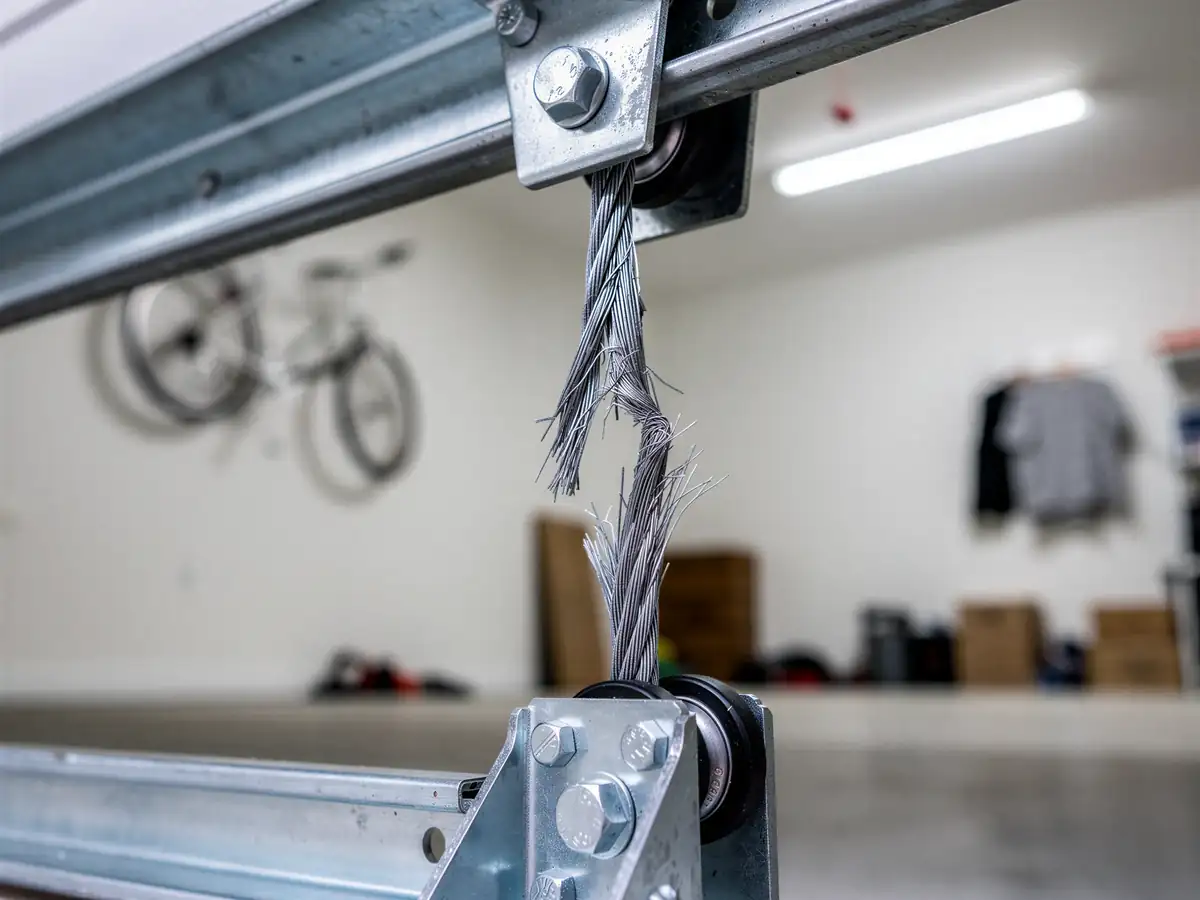
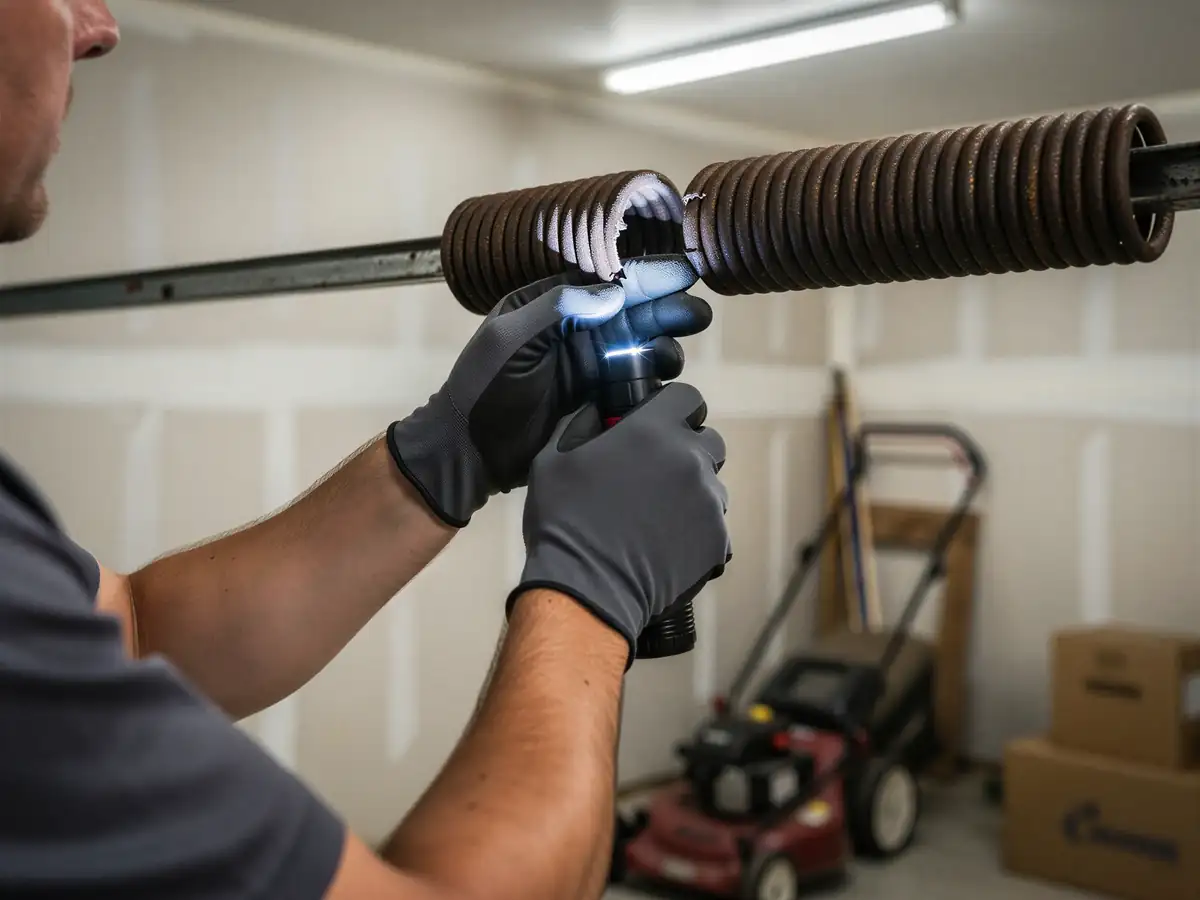
A door installed around 1982 is not the same animal as a door installed in 1965. Early-80s doors were more likely to ship with steel panels instead of the heavier wood composite common in earlier decades, which is lighter on the springs but also dents and rusts differently. Extension springs from this era wear out on a predictable cycle and, when they let go, they can do it without warning since most installs from that period lack a containment cable - something building codes caught up to later.
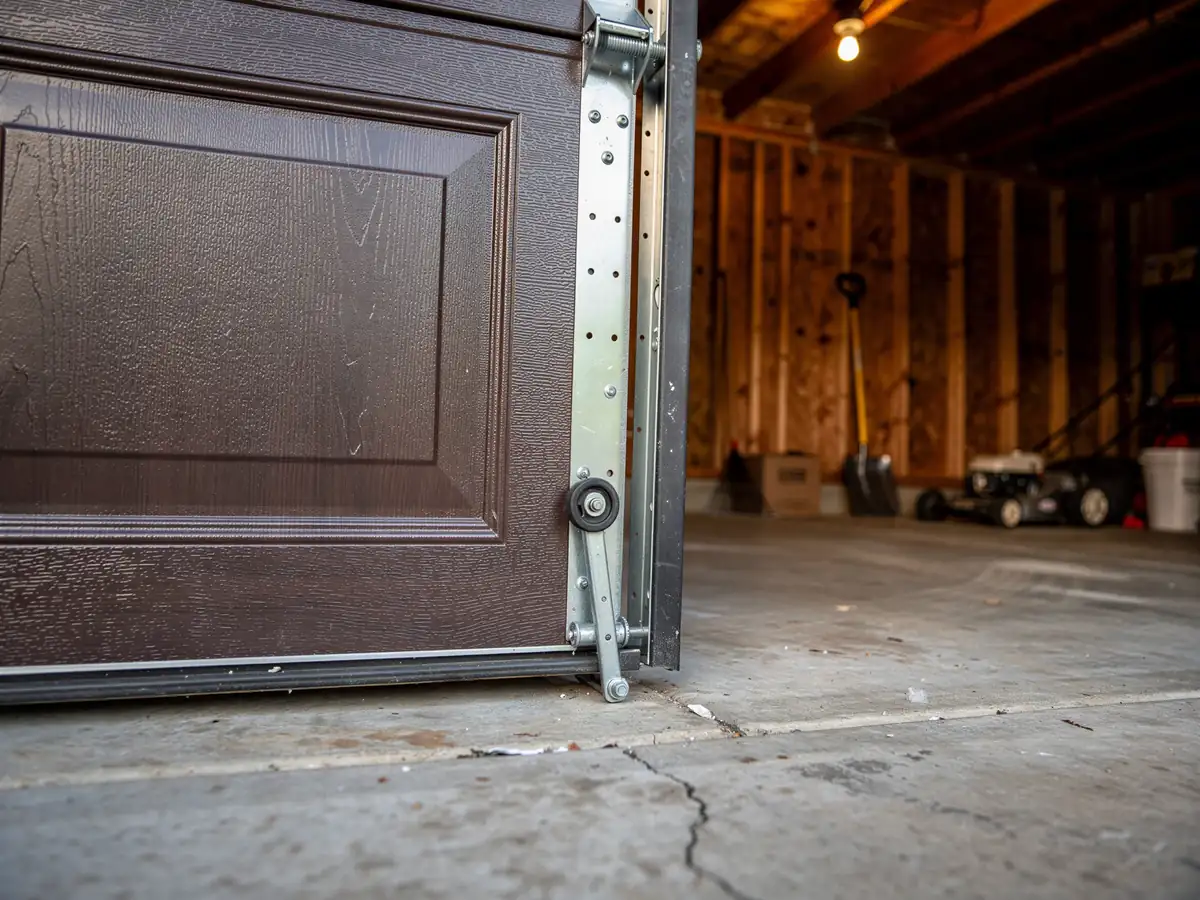
Openers from houses built in the early-to-mid 80s are mostly on their second or third replacement unit by now, so what we're actually servicing is rarely original equipment. The track and roller wear we see tends to come from houses that have had the same door system since a remodel in the 1990s or 2000s rather than since original construction.
One honest limitation: if a part is original to an early-80s build and still in the door, we often can't get a matching replacement bracket or roller track off the shelf. In those cases we're swapping the whole assembly rather than patching one piece, which costs more than homeowners expect going in.
Older vs Newer Streets
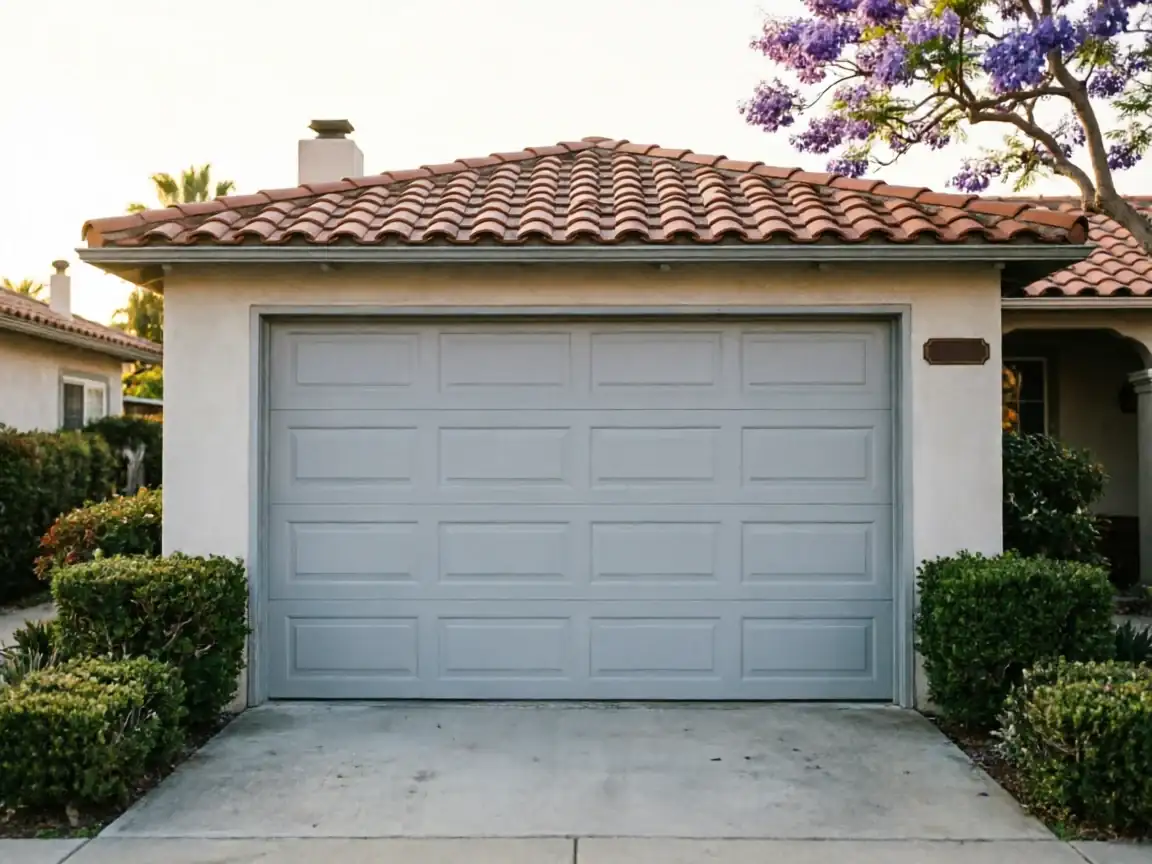
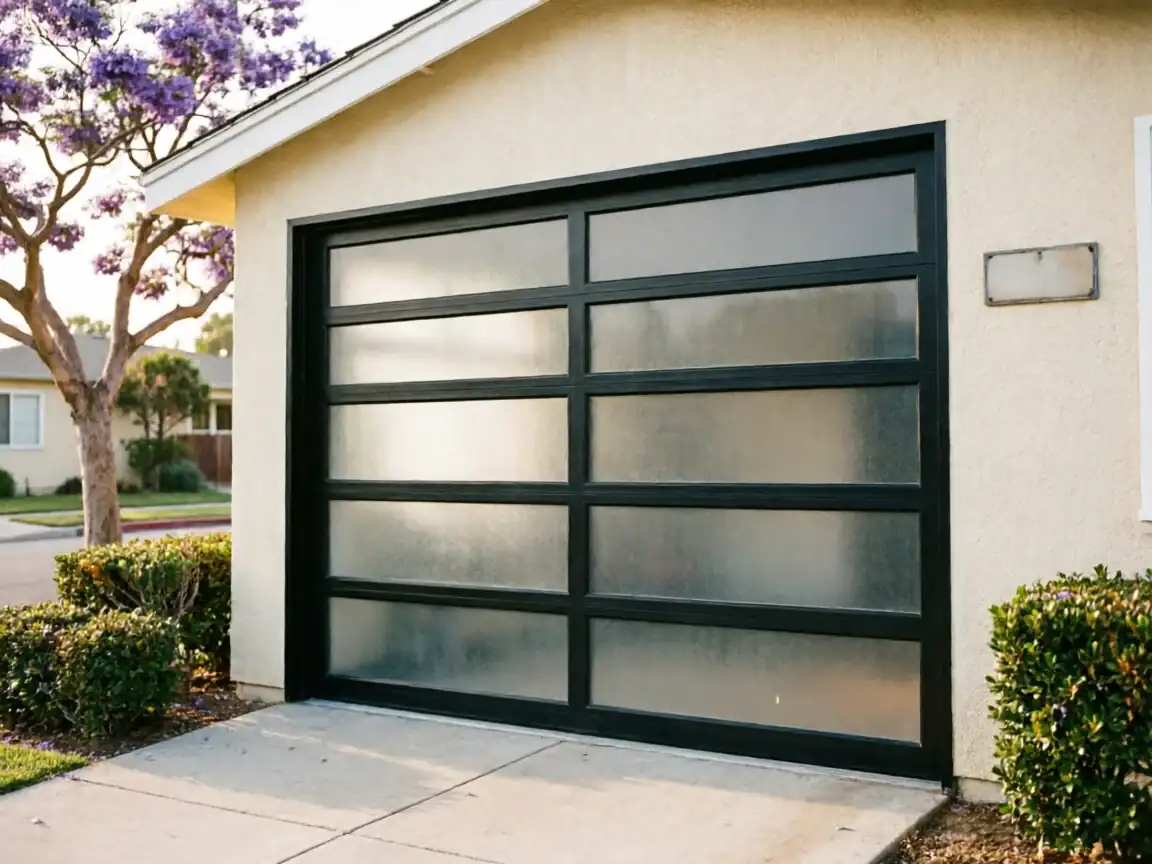
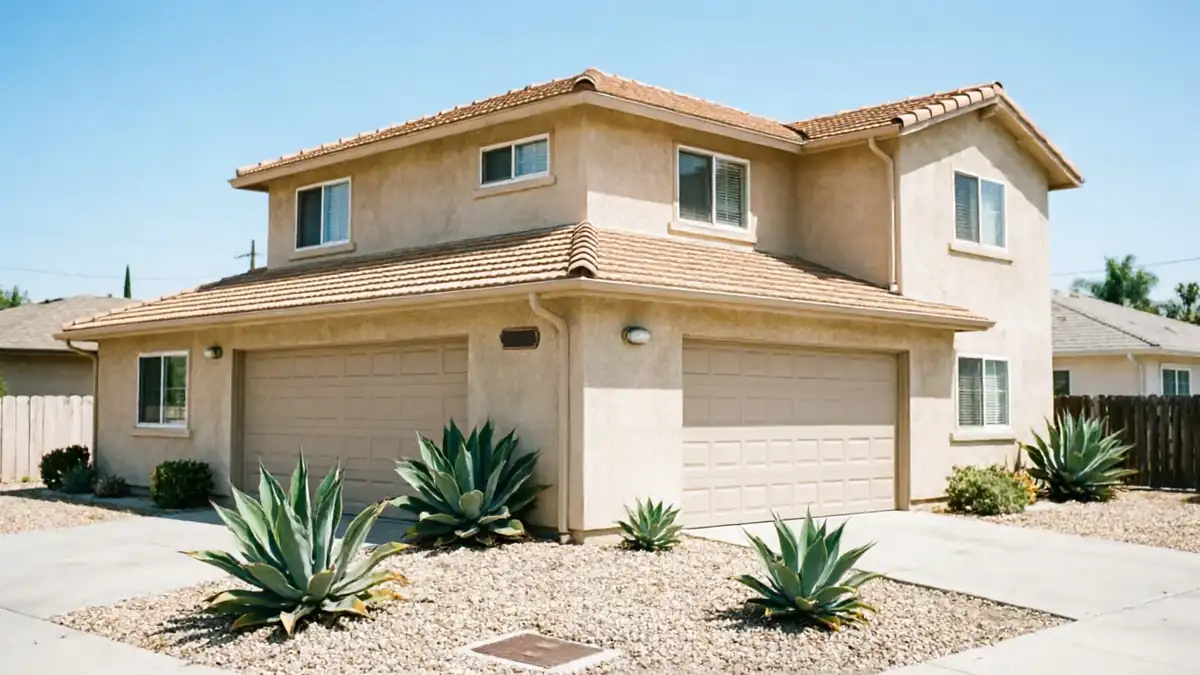
Even within a median build year of 1982, Pittsburg has a spread. The housing stock across the broader service area runs from 1938 to 2008, and Pittsburg's streets reflect both ends of that range rather than sitting neatly in the middle. Older sections built closer to the service area's early range still have the heavier, original torsion hardware and wood-look panel doors that are harder to source parts for. Newer sections built nearer the 2008 end of the range came with insulated steel doors and early safety-sensor openers that fail in a different, more electronic way - bad sensor alignment and failed circuit boards rather than snapped springs.
We don't have a street-by-street map of which pockets fall where, so when we take a call we ask the age of the house directly rather than guessing from the neighborhood. That one question tells us more about what's likely wrong than anything else we could ask over the phone.
This Area's Housing
Pittsburg has roughly 23,503 households, smaller than the 210,865-household footprint we cover across the full service area
Median household income here runs $101,099, noticeably below the $146,657 median for the broader area - a gap that shows up in the kind of repair work we get asked to do. We see more spring and roller repairs aimed at extending a door's life and fewer full-door replacements than in higher-income pockets of our coverage.
- 23,503 households
Climate-wise, Pittsburg sits in the same mild band with occasional freeze risk as the rest of our territory
So garage door hardware here isn't fighting extreme heat or hard freeze cycles the way it would elsewhere. That keeps most failures mechanical - springs, rollers, cables, openers - rather than weather-driven warping or seal failure. For a homeowner, that's good news: it usually means the door itself is salvageable, and the question is just which part gave out first.