What Is Going On
When you call us, you're not just booking a repair - you're booking a diagnosis first
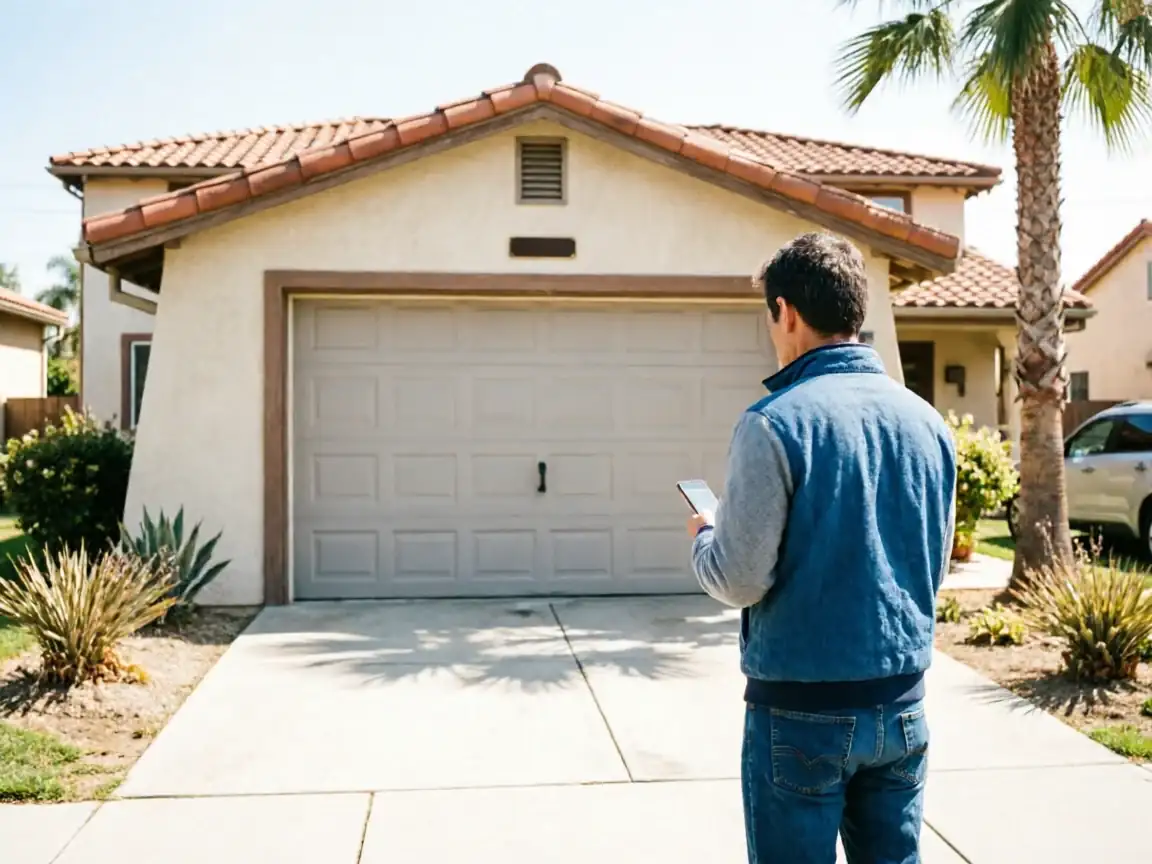
Most of San Ramon's housing stock went up between 1938 and 2008, with the median build year sitting at 1973, and the bulk of it concentrated in 1960s and 70s construction across the area's named neighborhoods. That matters because a door built in that window almost always came with a specific generation of hardware: extension or torsion springs sized for the original door weight, steel tracks mounted to framing that's had 50-plus years to settle, and openers that have likely been swapped out once or twice already. A service call starts with us figuring out which era of your house we're actually working on, because the fix for a 1965 track bracket is not the fix for a 2005 one.
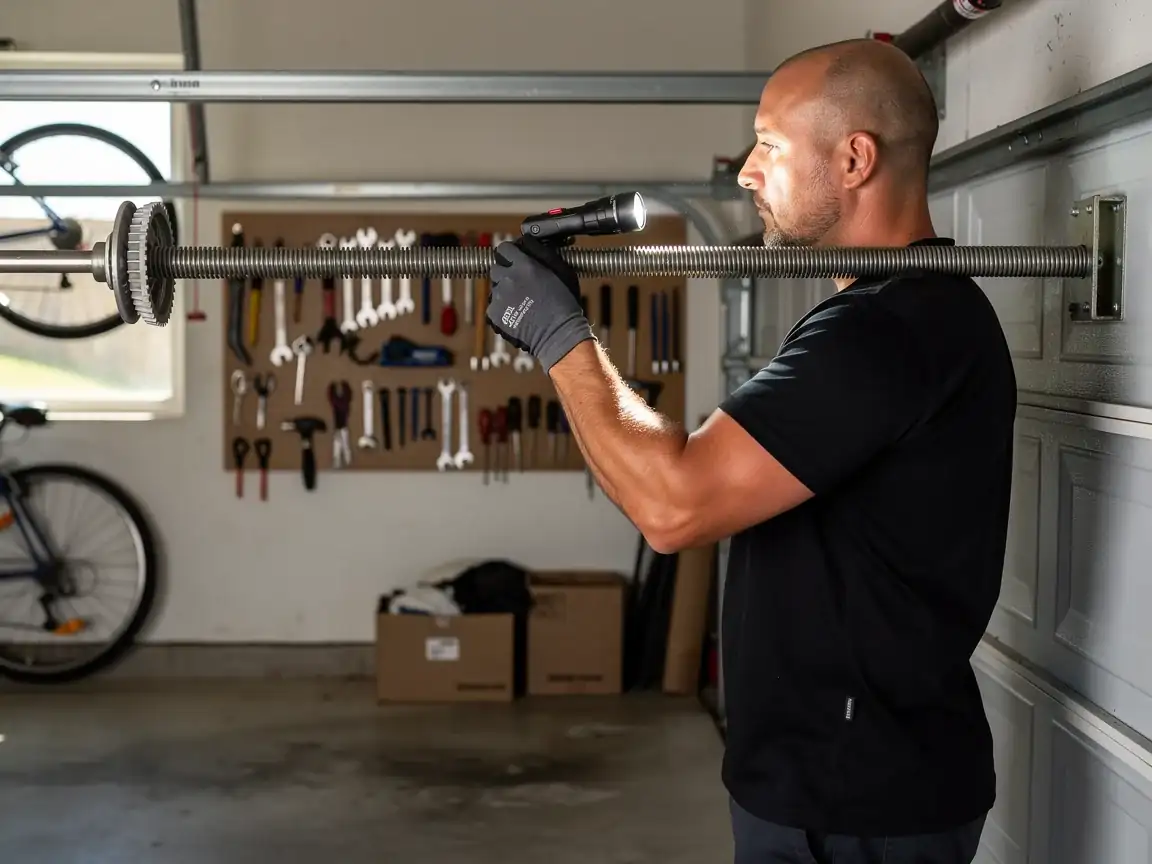
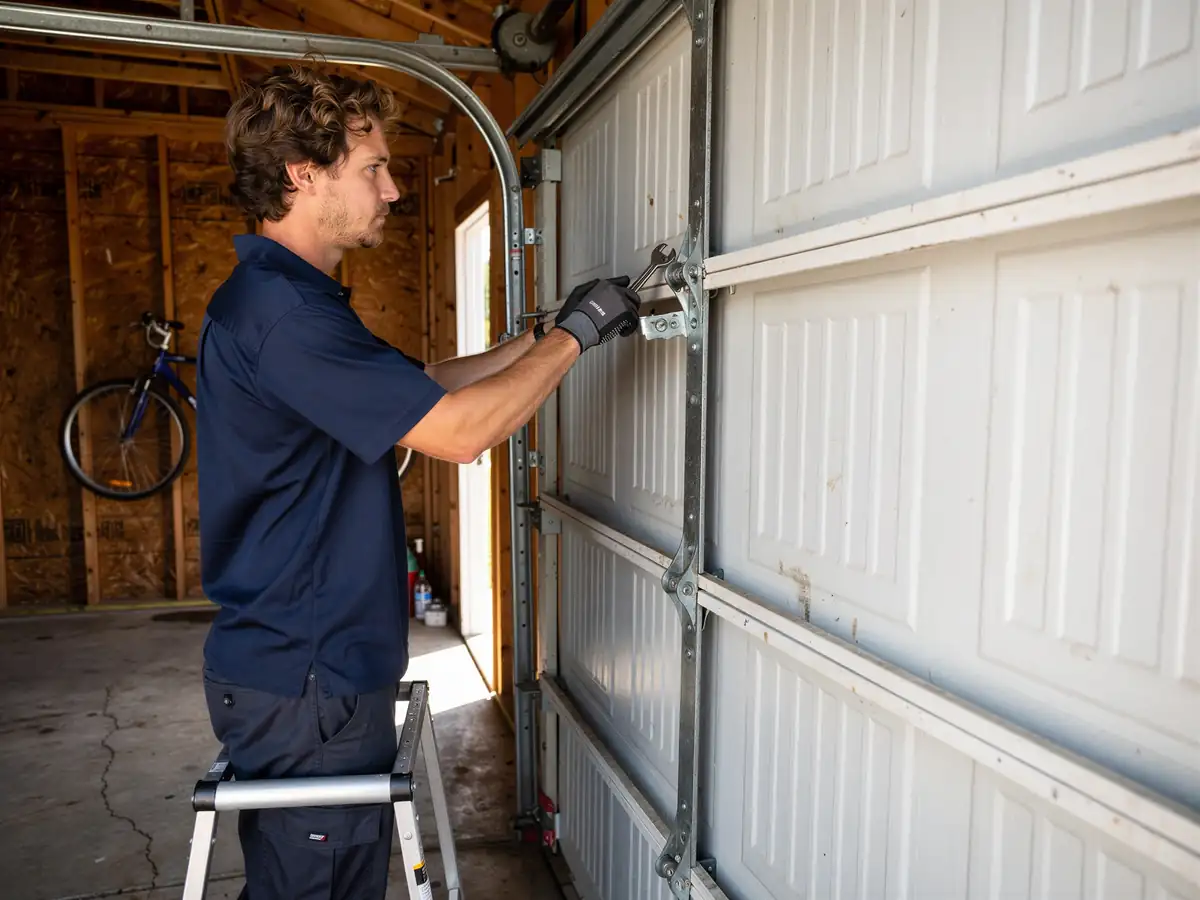
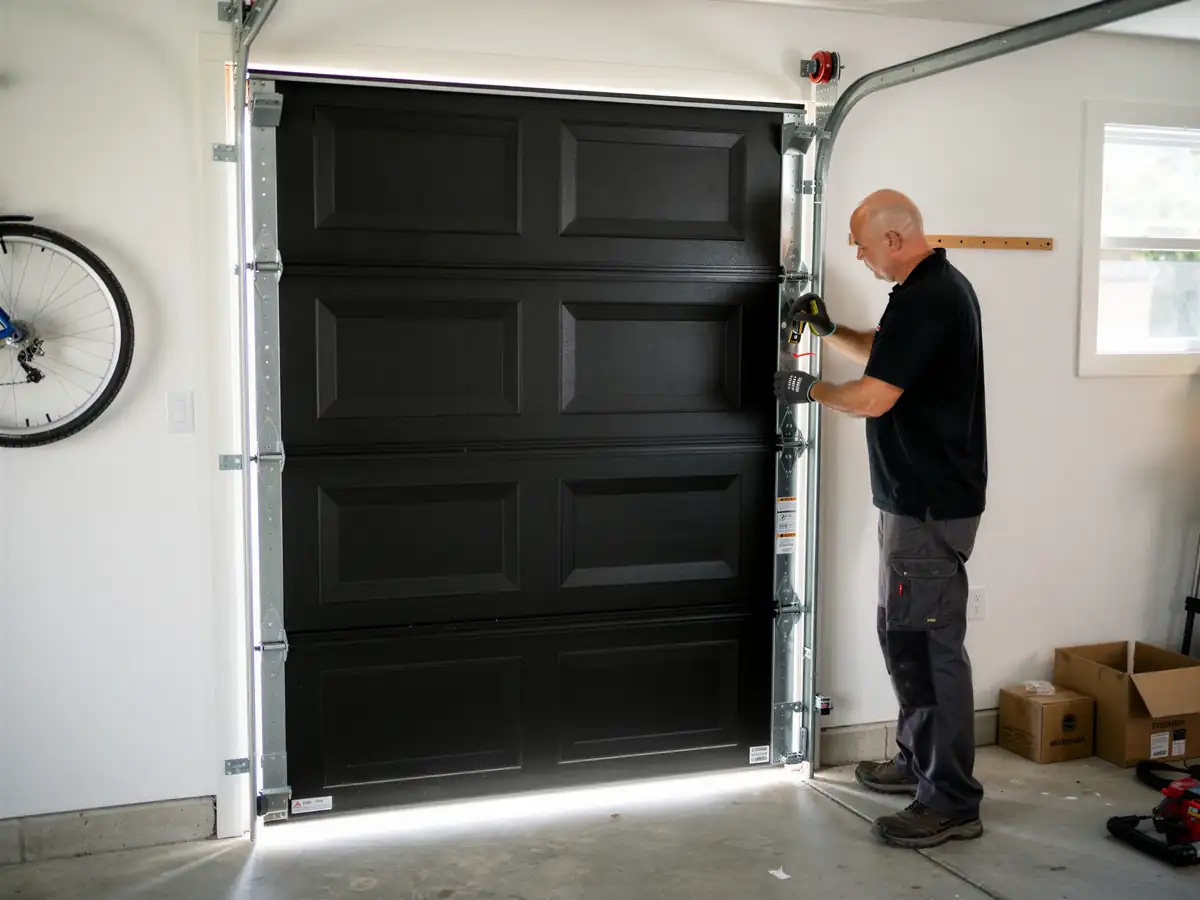
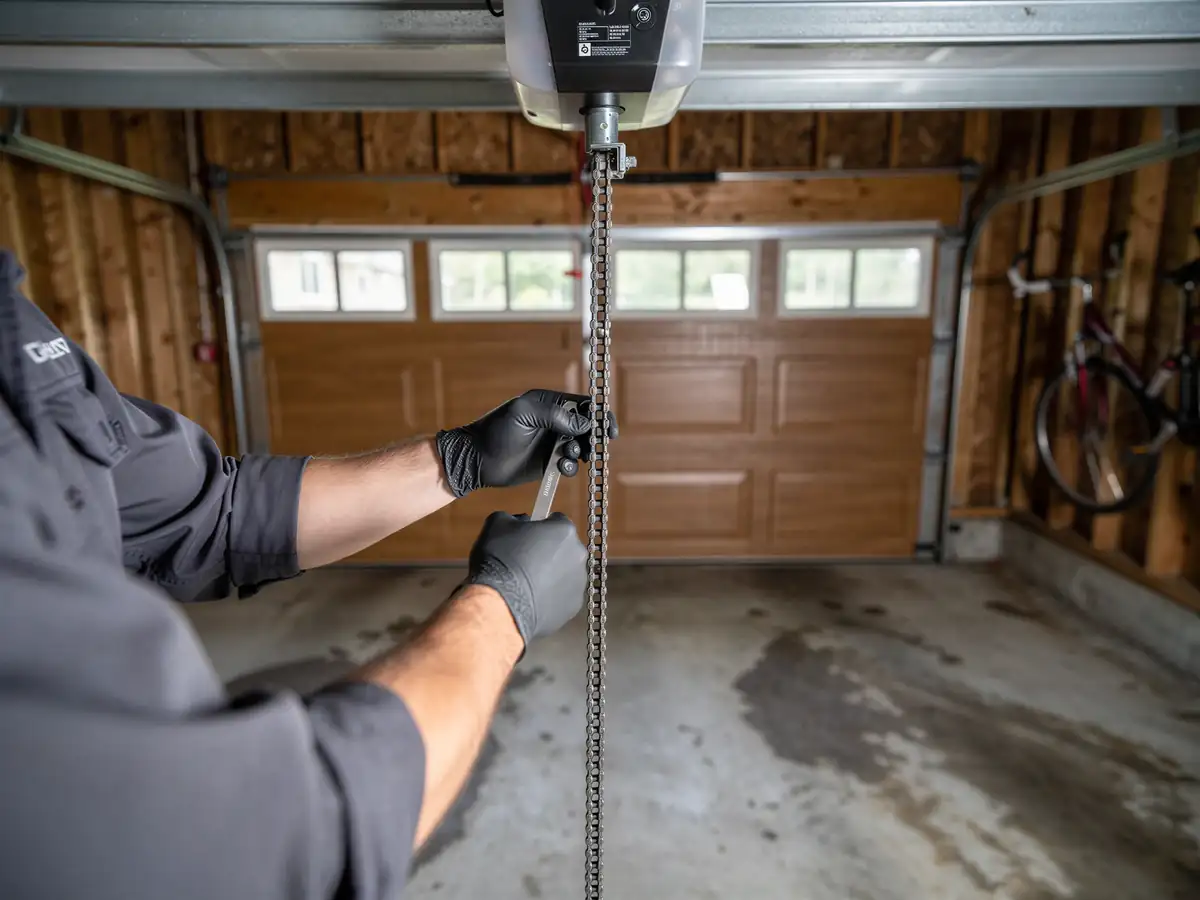
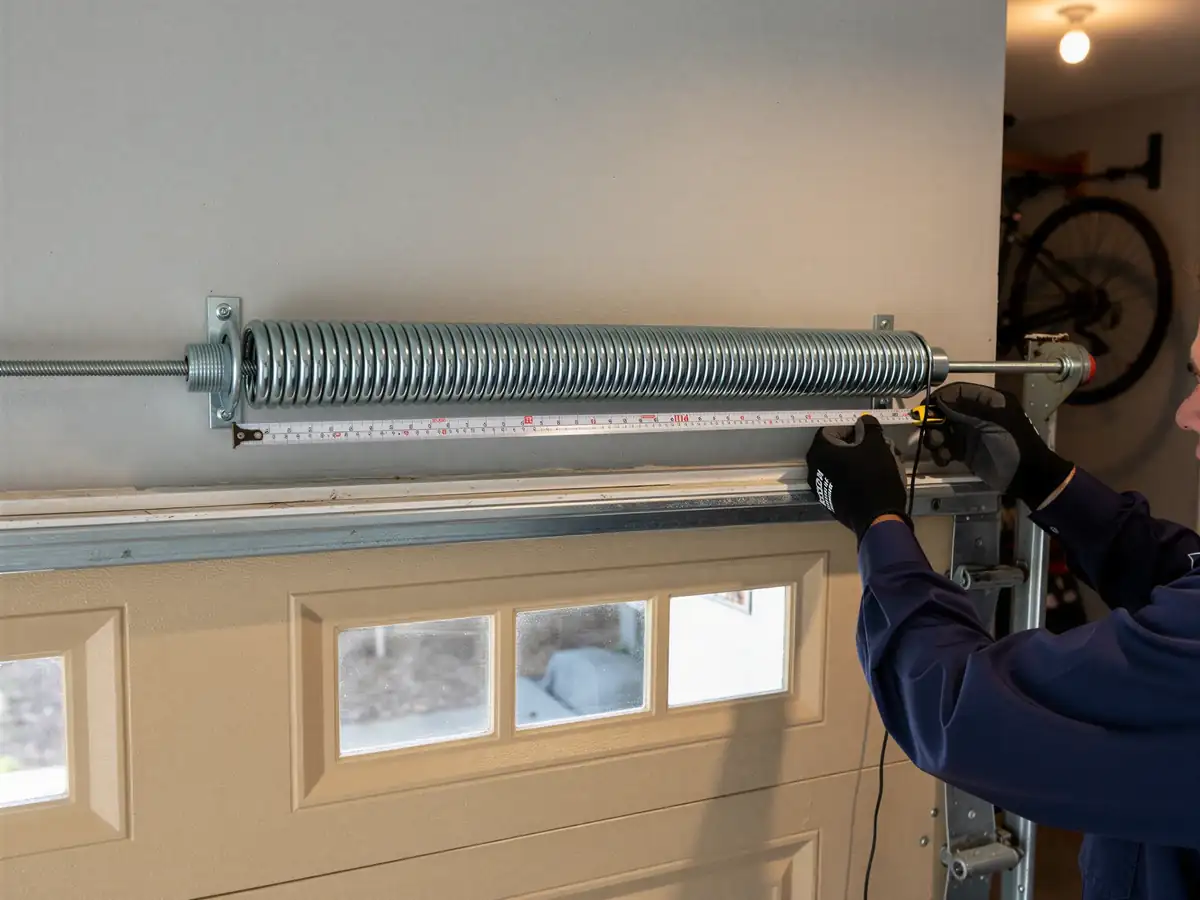
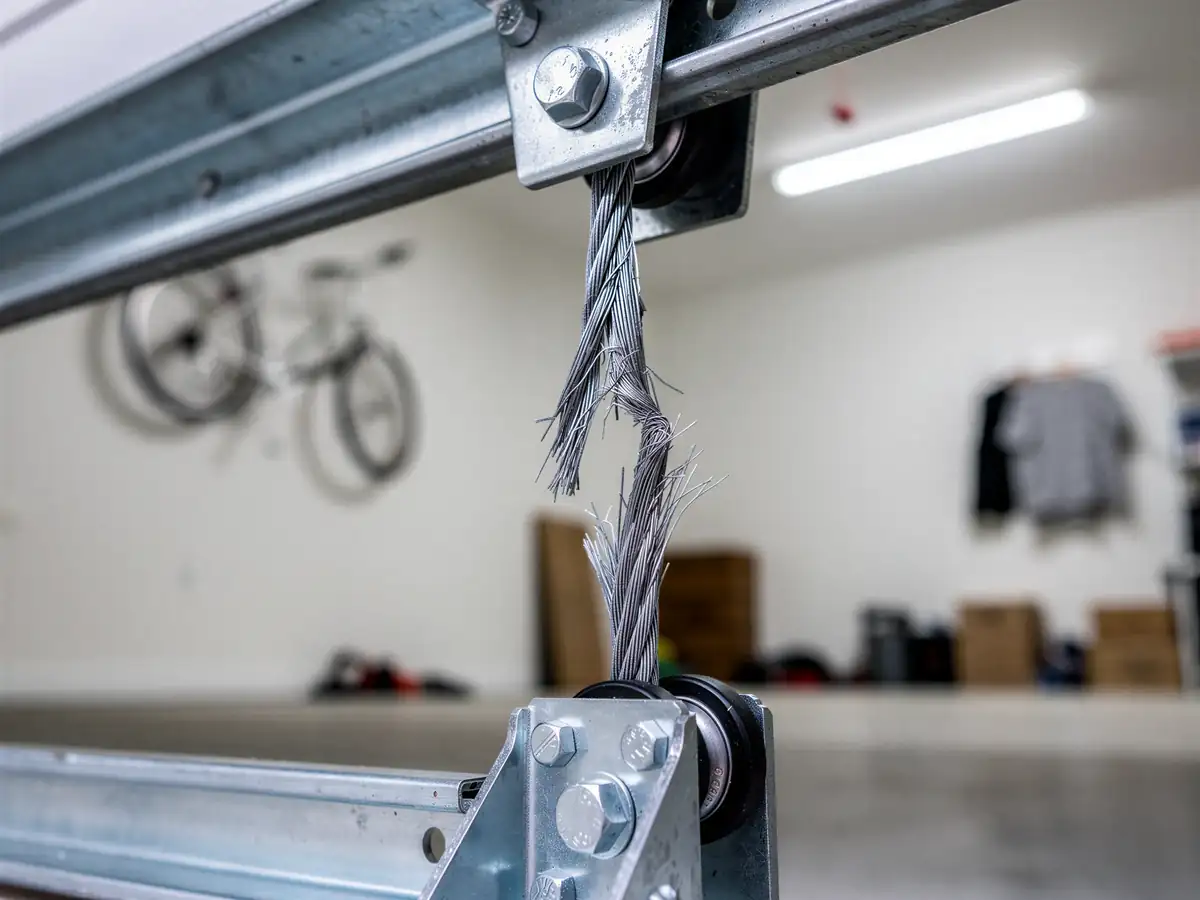
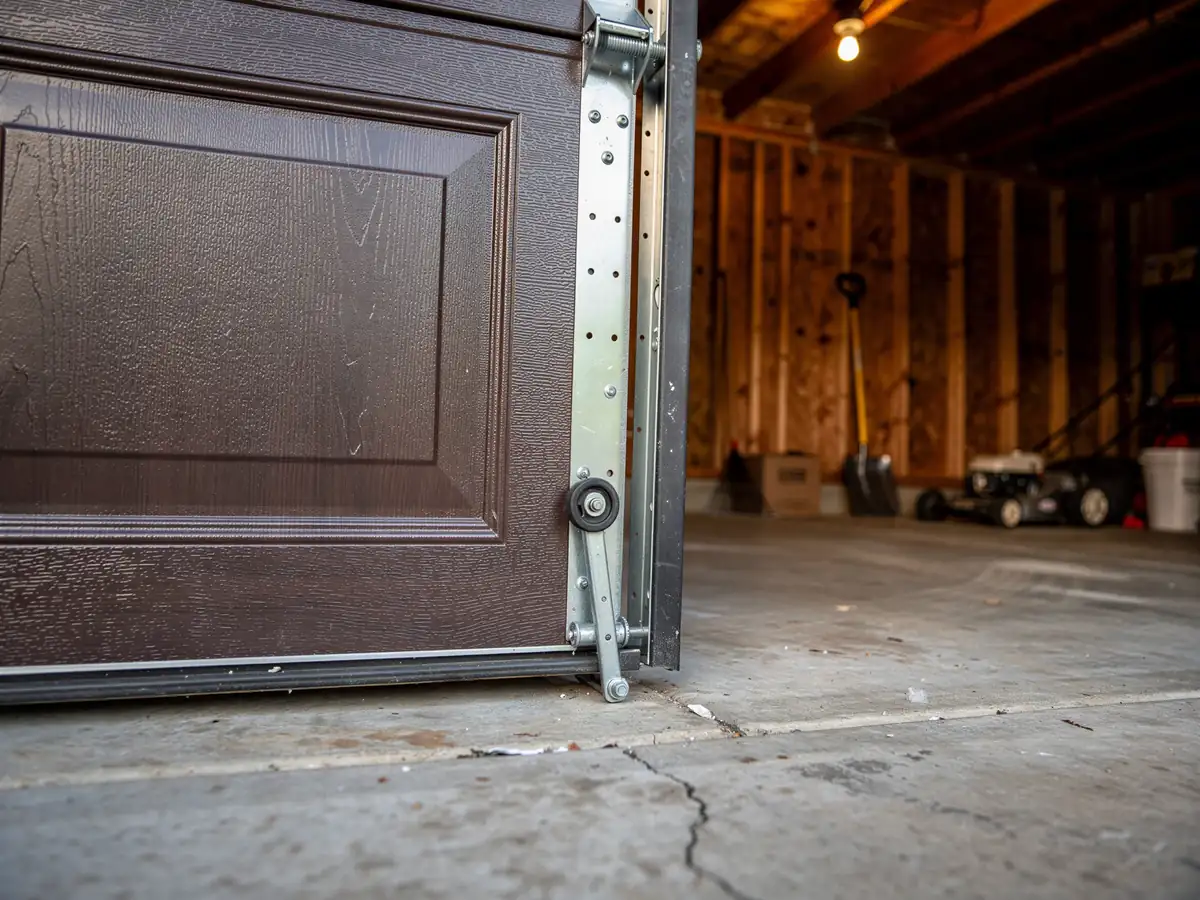
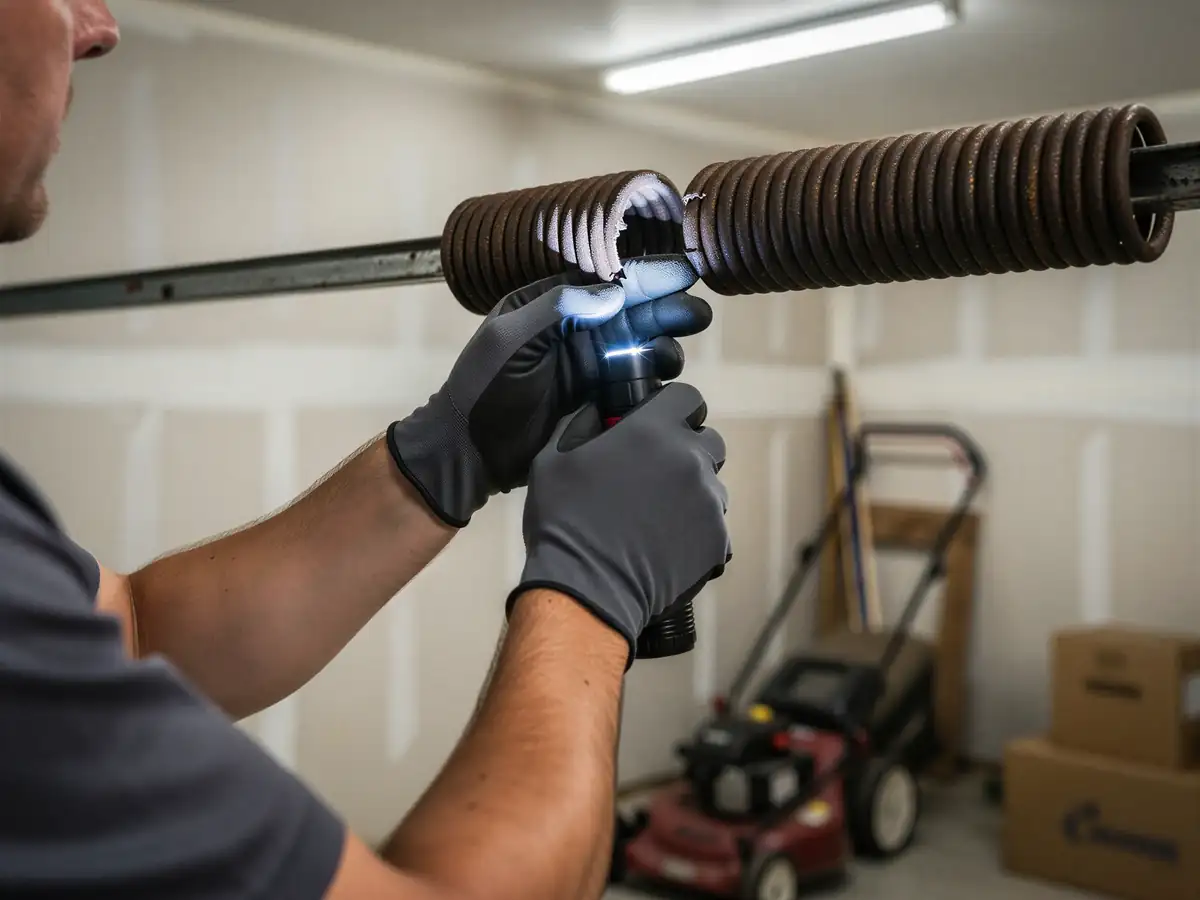
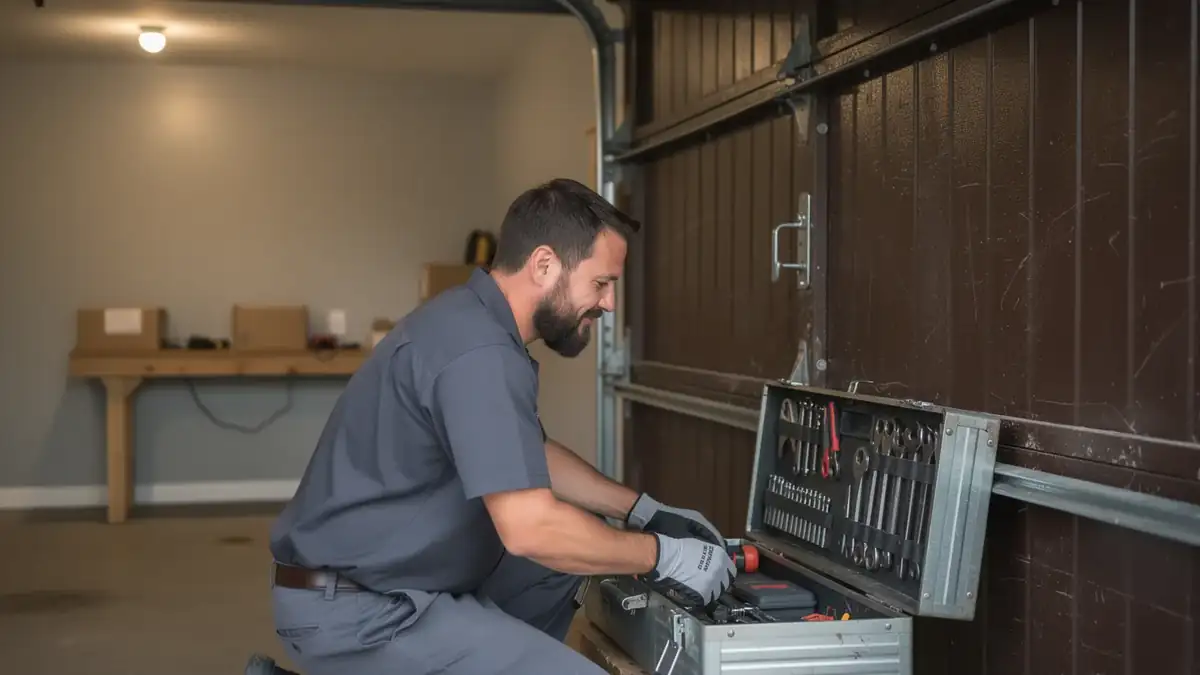
We check the spring type and cycle wear, the track alignment, cable fray at the drum, roller condition, and whether the opener's force and limit settings still match the door's actual weight
On a lot of the older homes in this area, the door itself has been replaced at some point but the track and jamb hardware haven't - that mismatch is one of the more common things we find.
When to Call Someone
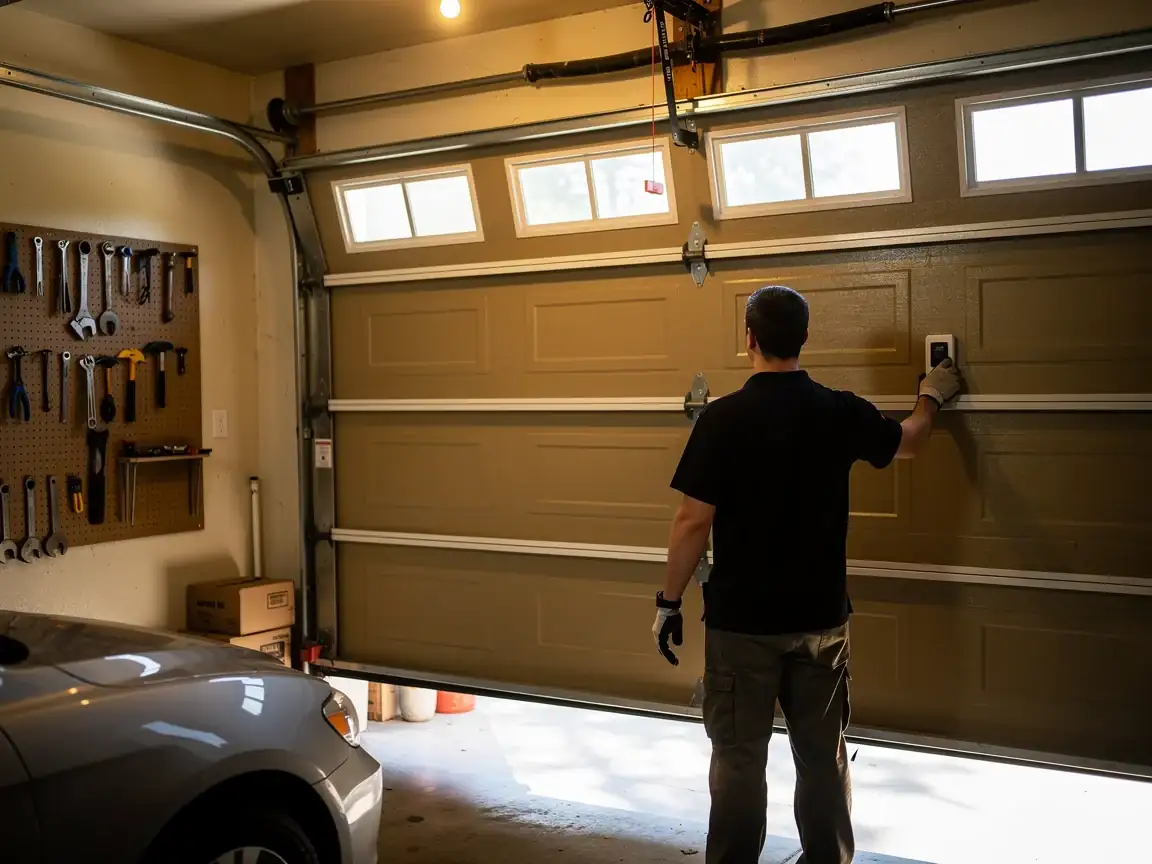
Call before the door fails completely, not after. A torsion spring on a door from the 1960s-70s stock that's starting to sag, squeal, or lose its even pull on both sides is close to the end of its life - and on that era of hardware, when one side goes, the opener motor usually takes the strain until it burns out too. If your door is reversing on its own, slamming the last foot of travel, or the opener is straining audibly, that's not a lubrication problem, that's a hardware problem.
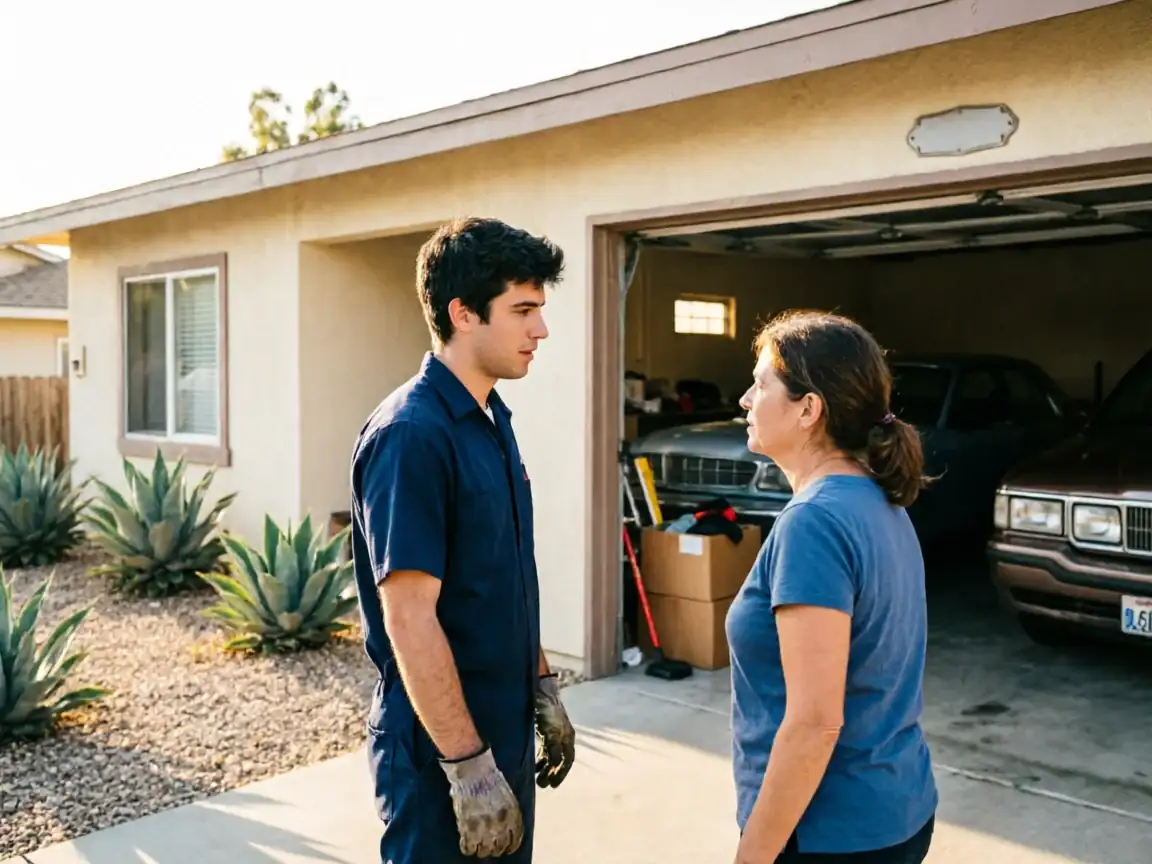
We also get calls after someone's done their own spring work on an older door and the tension is off. That's not a judgment - torsion springs are genuinely dangerous to adjust without the right bars - but it does mean the service call now includes correcting someone else's work before we can diagnose the original issue. One honest limitation here: if your opener is more than one generation behind and a part has been discontinued, we'll tell you that up front rather than chase a part that isn't coming.
How Local Conditions Play In
San Ramon sits in a mild climate band with occasional freeze risk, which is gentler on garage door hardware than a lot of the country, but it isn't nothing. The swing between a cold morning and a warm afternoon still contracts and expands steel track and springs, and on a door that's been cycling since the 1970s, that daily flex is what eventually cracks a weld or stretches a cable past its rated length. We don't see the rust-through failures you'd get in a wet coastal climate, but we do see stiff torsion springs on cold mornings that then overcorrect once the metal warms - that's often read as