What That Means for Doors
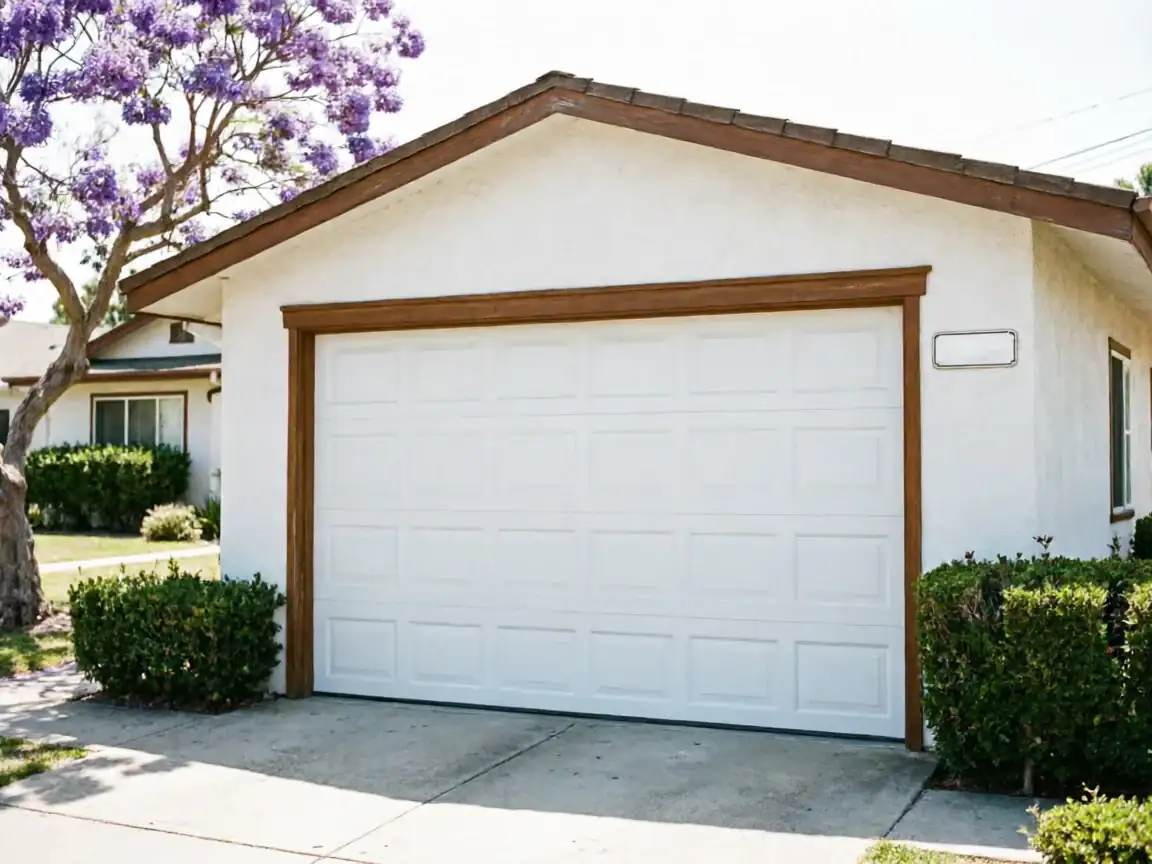
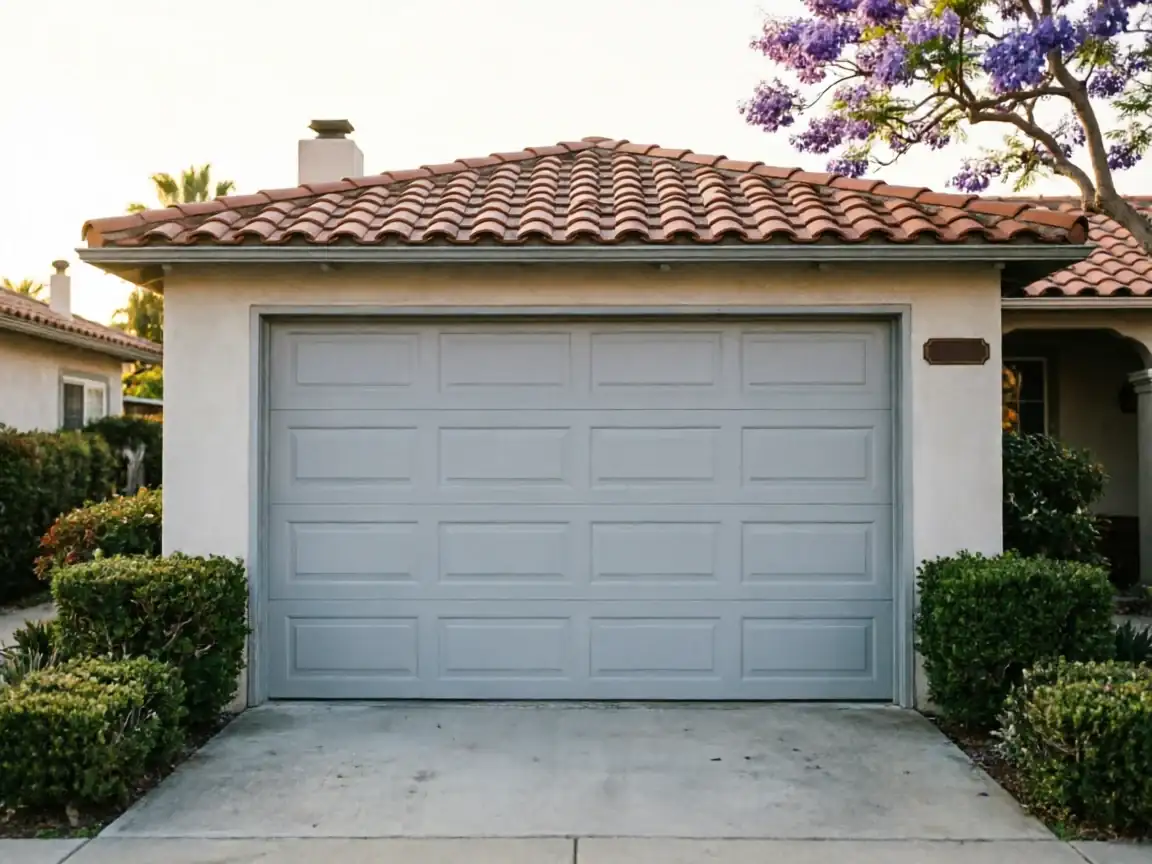
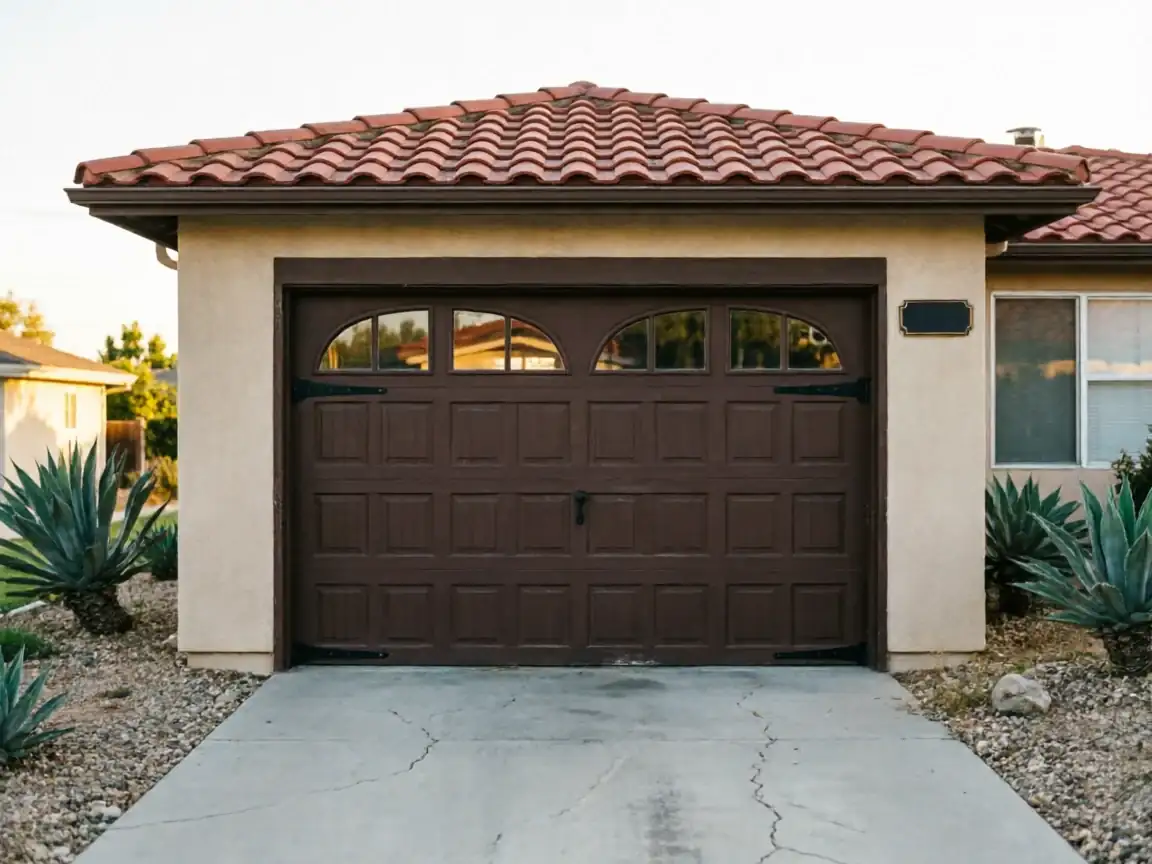
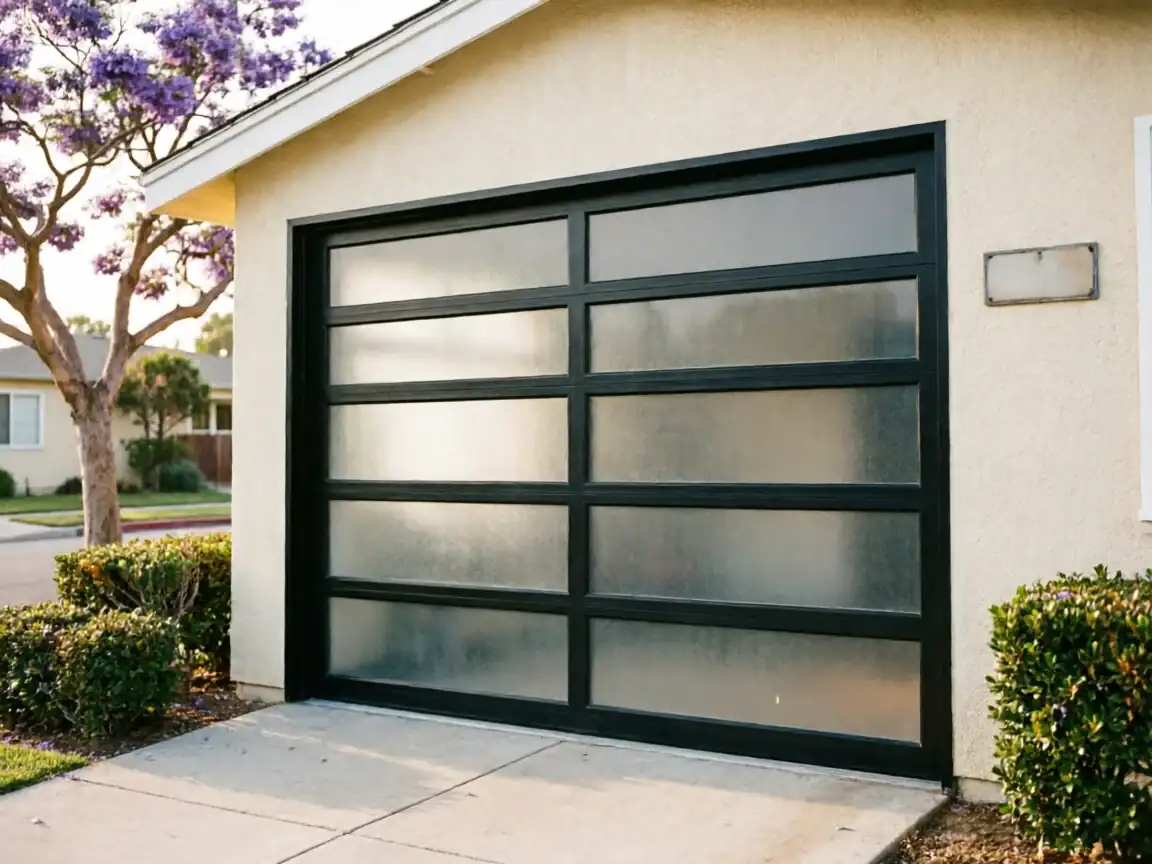
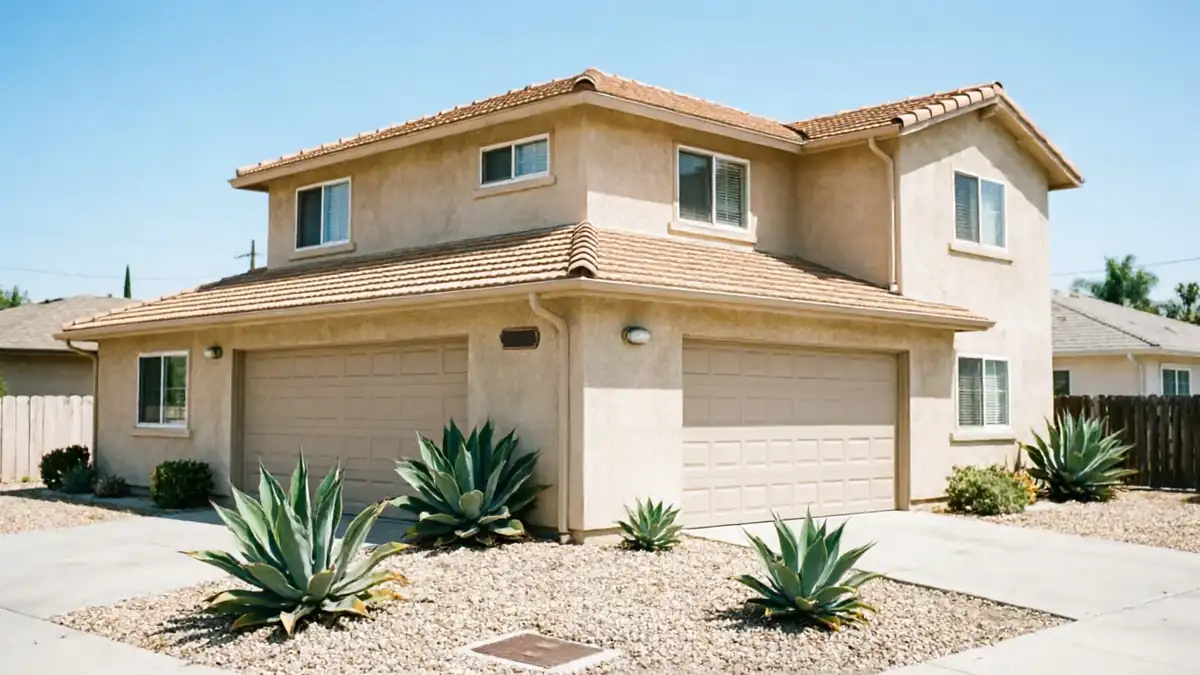
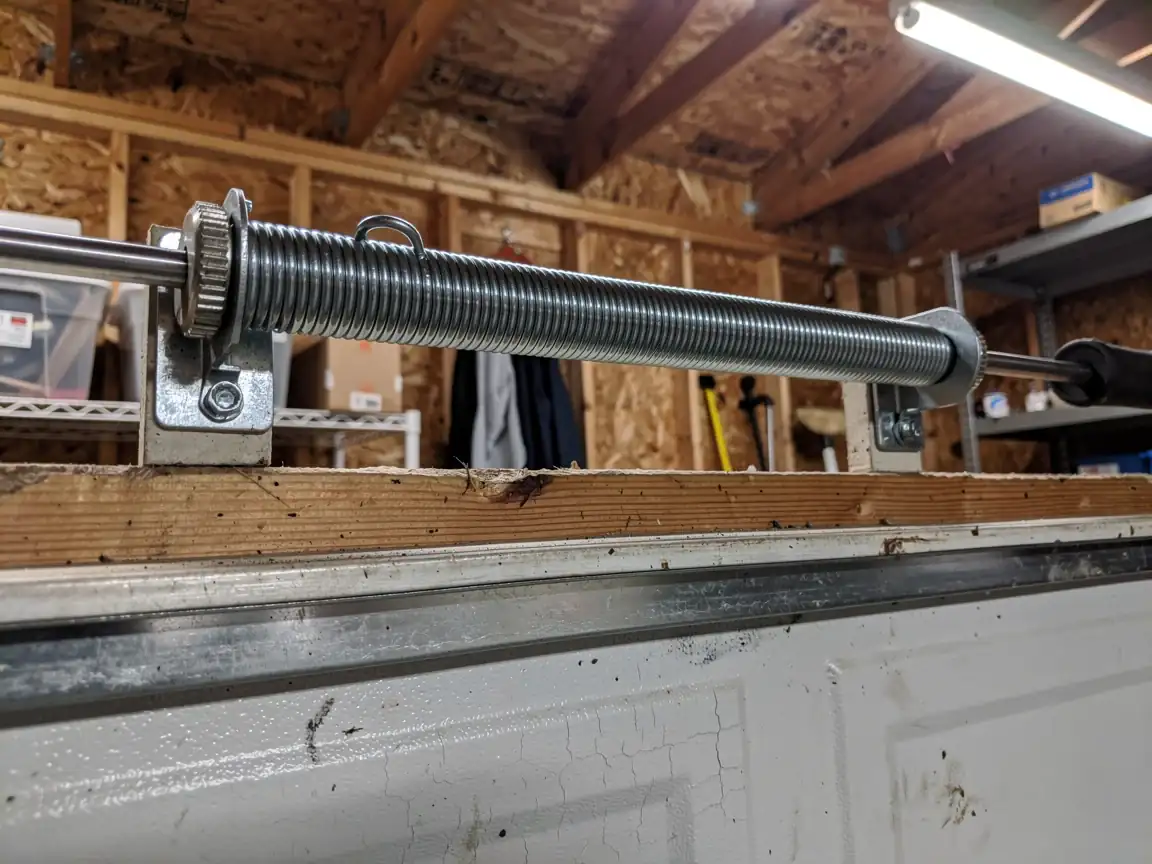
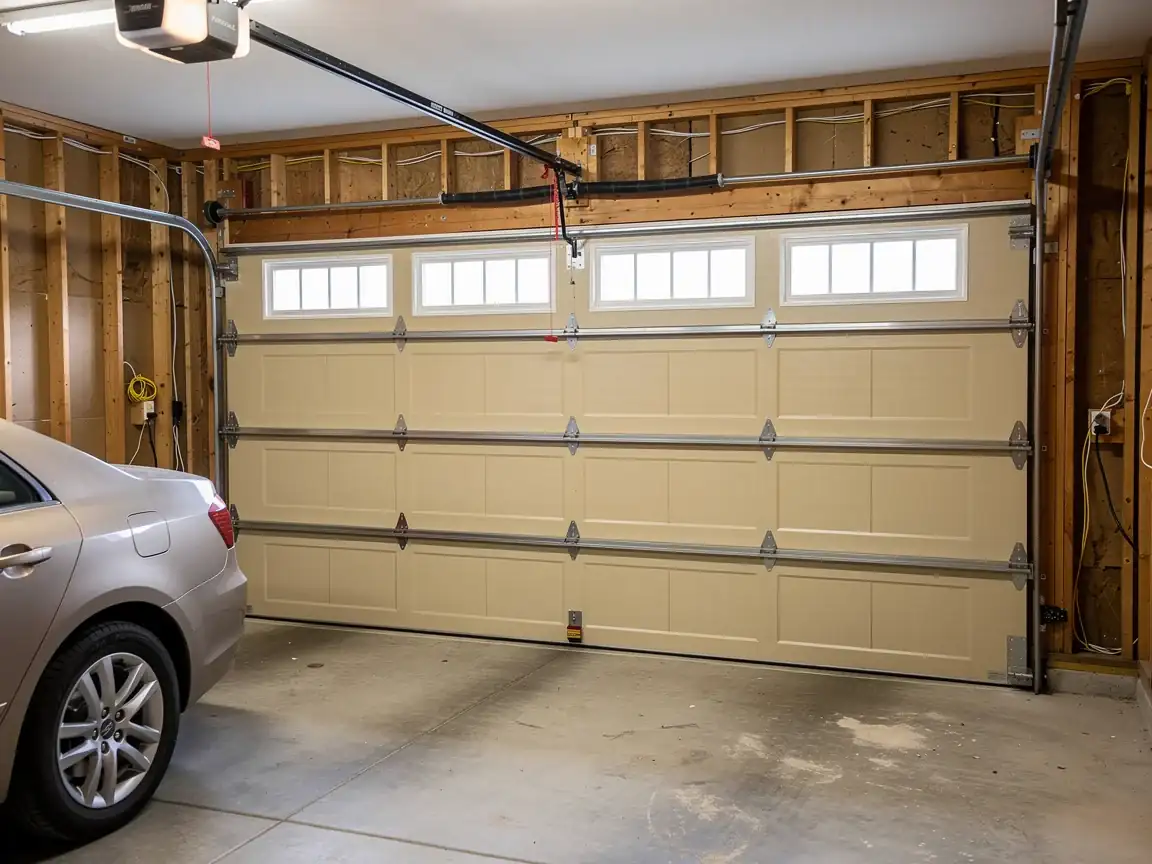
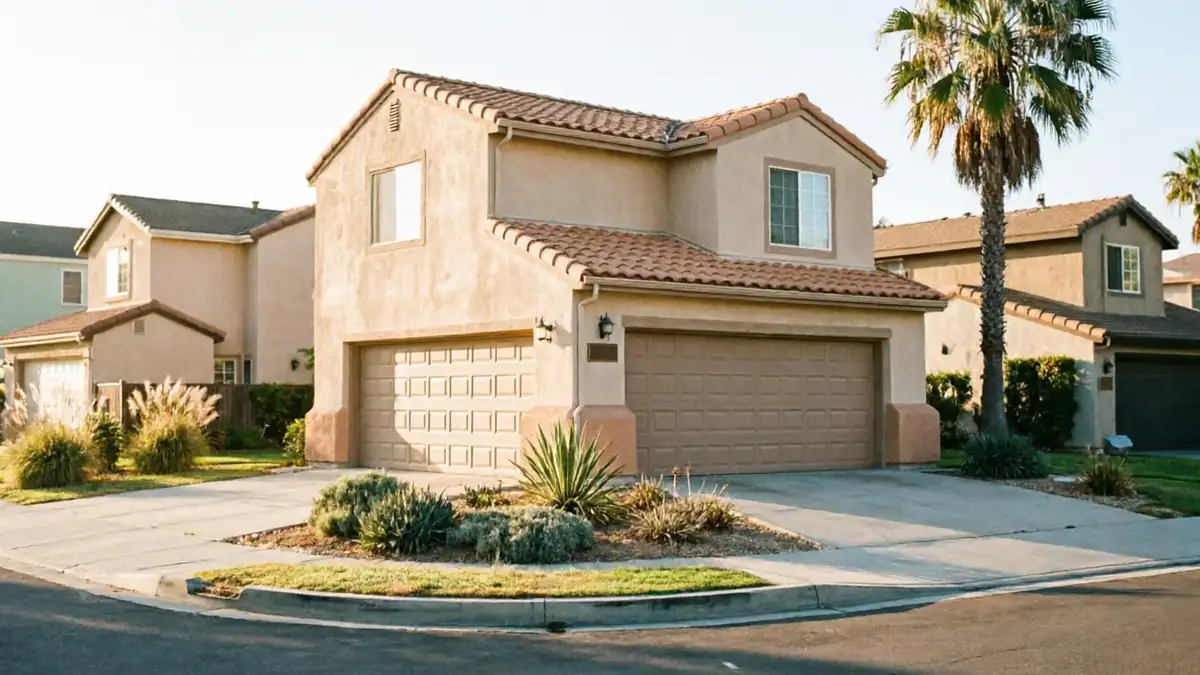
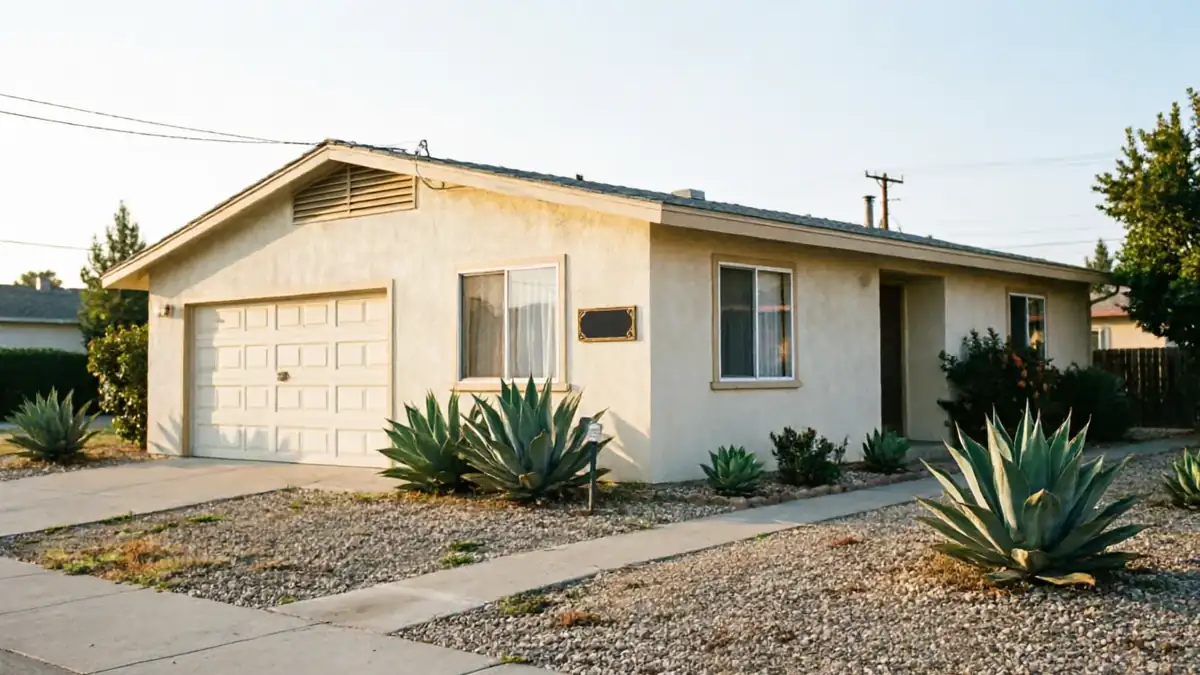
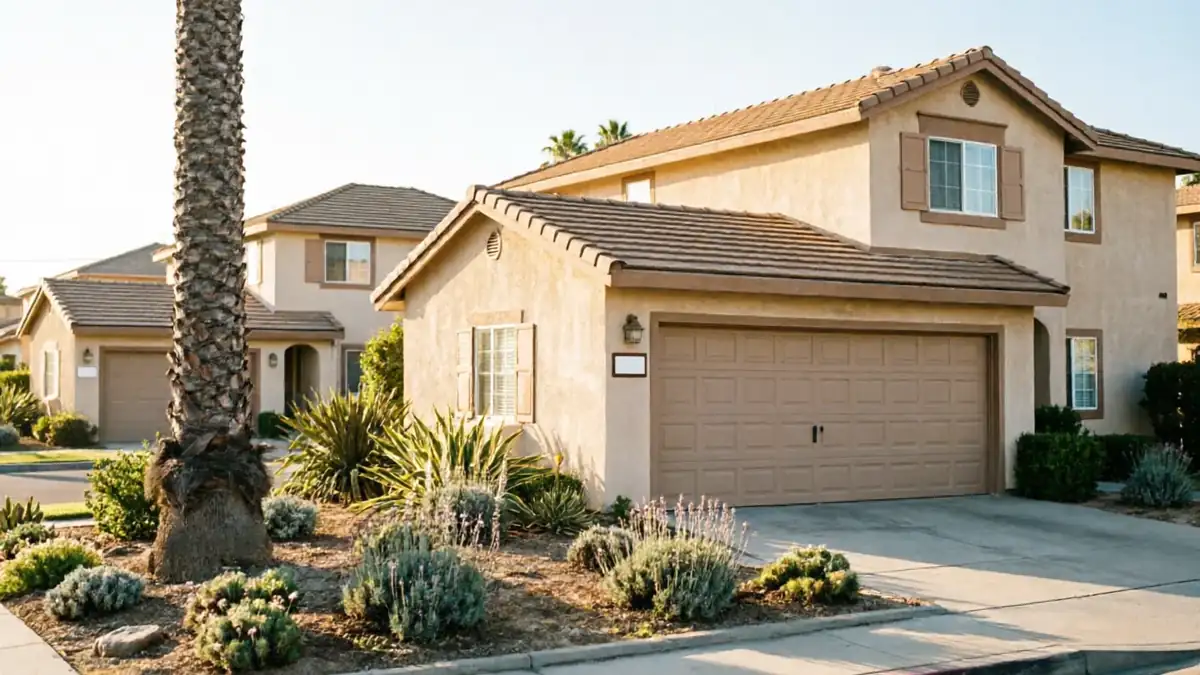
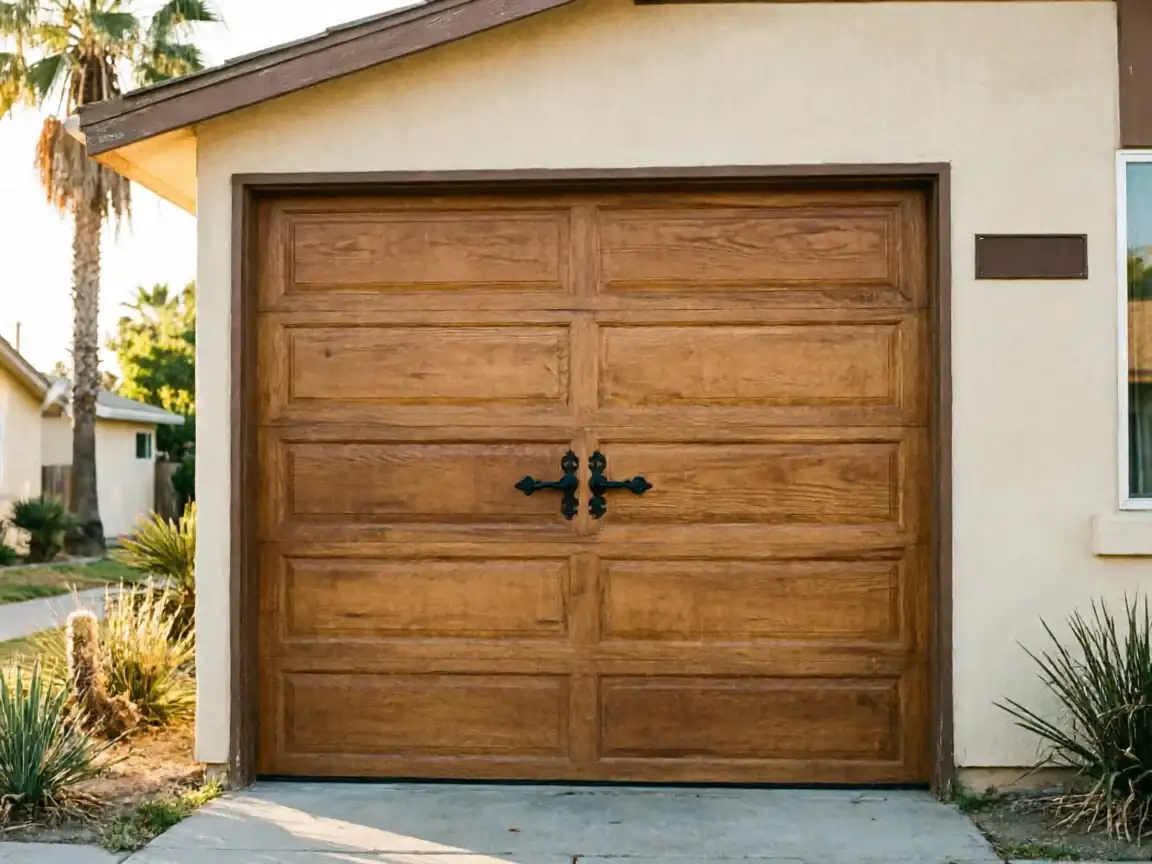
Because the homes in this part of Brentwood mostly went up after 2000, the doors are a different generation of equipment than what you'd find in the area's older pockets. These are typically steel sectional doors on standard-lift torsion springs, often paired with a belt or chain-drive opener that was installed with the house rather than retrofitted later. The failure points are mechanical fatigue and electronics, not the oddball side-mount torsion setups or single-piece doors you'd find in pre-1970s construction. That's good news for parts availability - springs, cables, and rollers sized for these doors are common stock, not special order. The climate here is mild with occasional freeze risk, which is easy on hardware generally, but it doesn't stop a torsion spring from reaching the end of its cycle count or a plastic idler pulley from cracking after enough summers of expansion and contraction.
Older vs Newer Streets
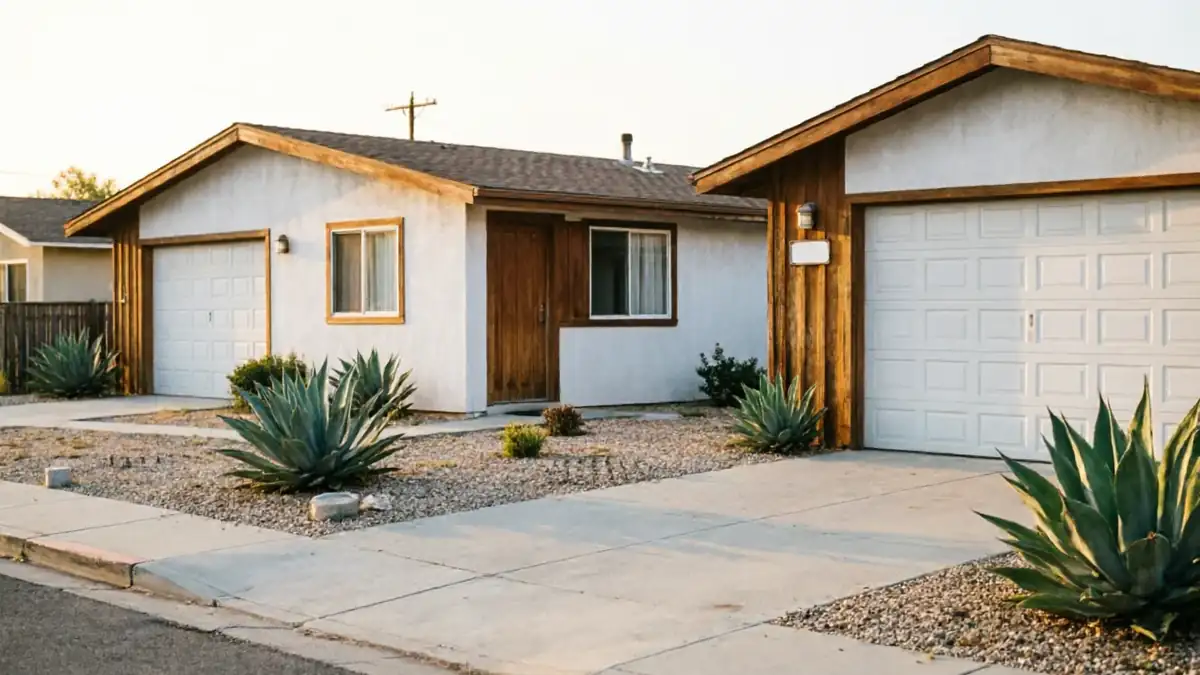
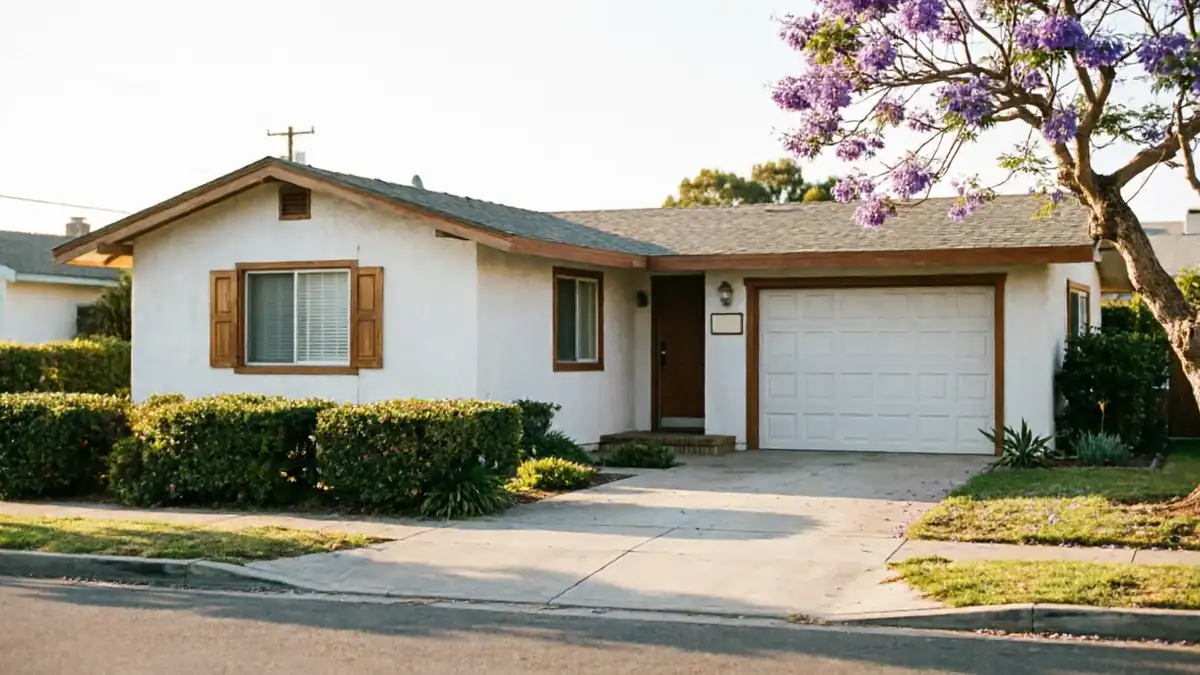
Across the broader service area the housing stock spans 1938 to 2008, and most of it clusters in the 1960s and 70s across dozens of named neighborhoods. Brentwood breaks from that pattern - its median build year sits around 2003, a full generation newer. That gap matters mechanically: a 1965 door usually means a one-piece or early sectional door on original hardware that's hard to source, while a 2003 door means standard torsion spring systems and openers built for modern safety sensors. If you're calling from Brentwood, you're less likely to be dealing with hardware nobody stocks and more likely dealing with a part that's simply worn out from normal use, or an opener logic board that's aged past its working life.