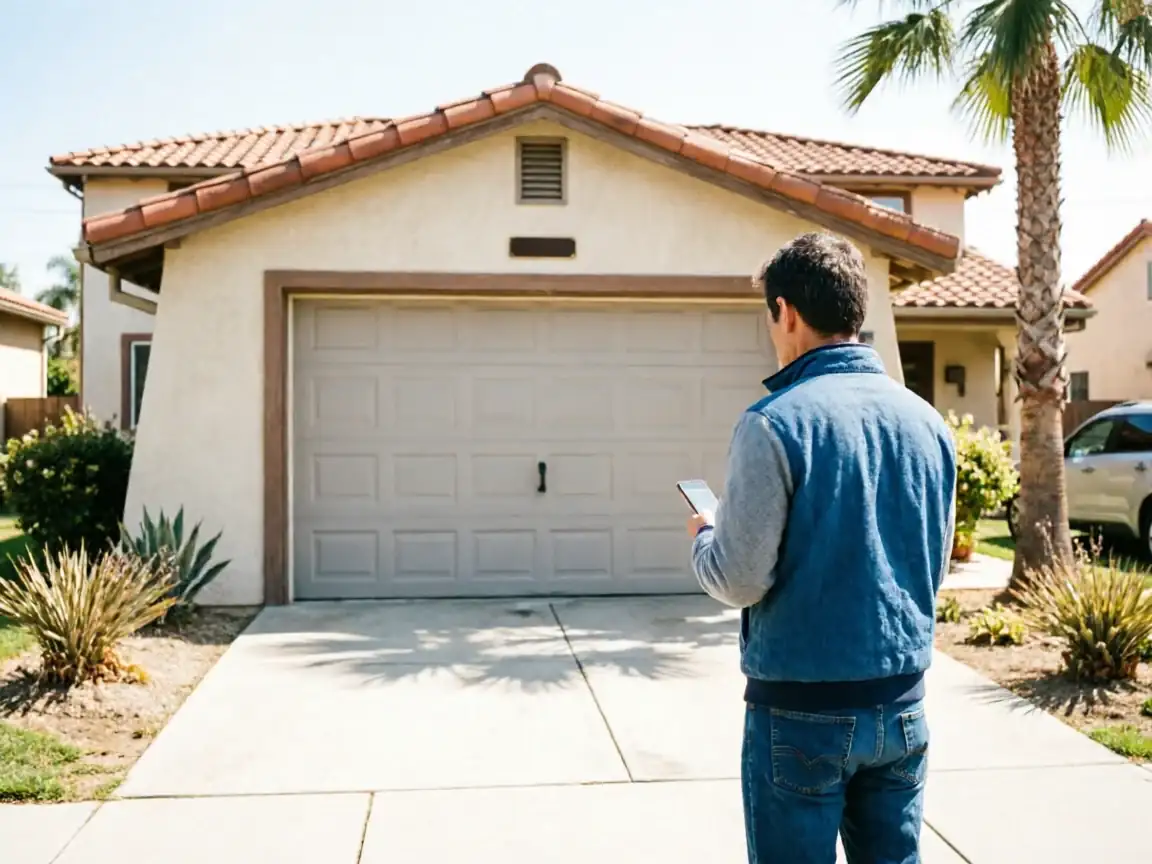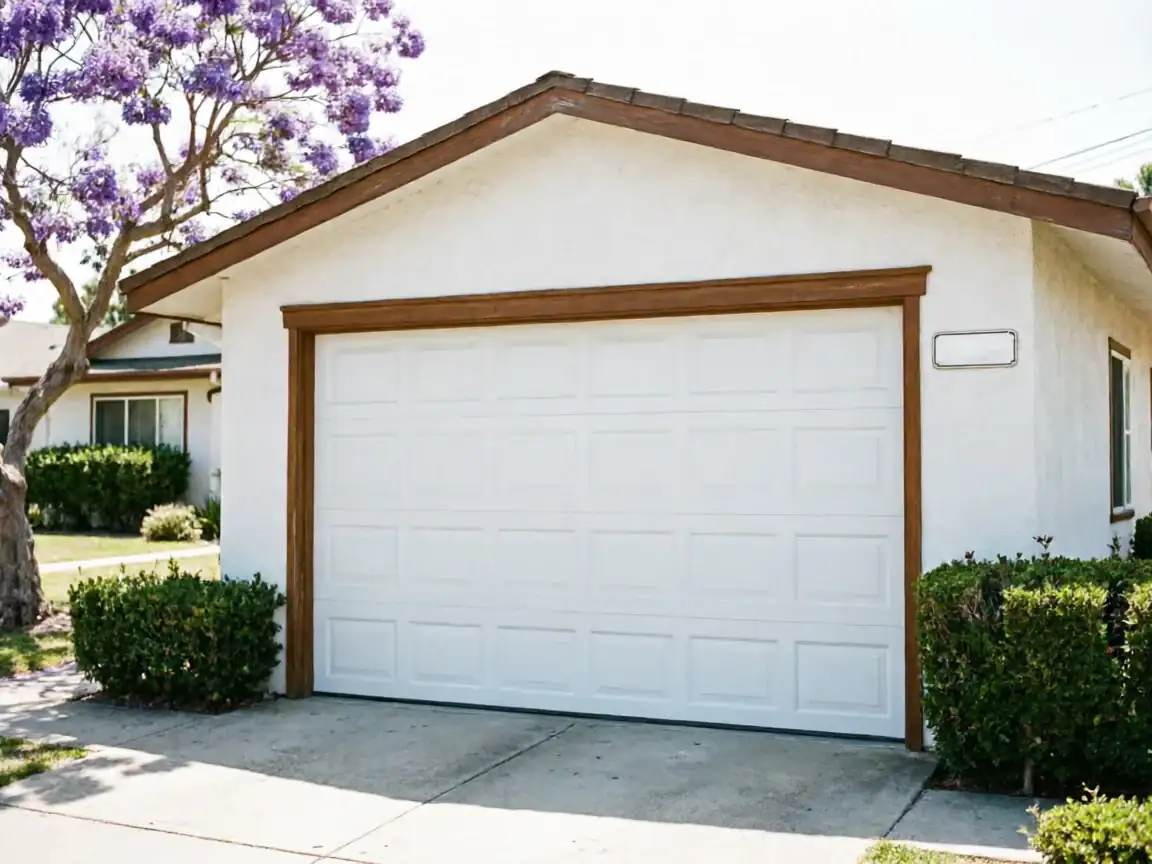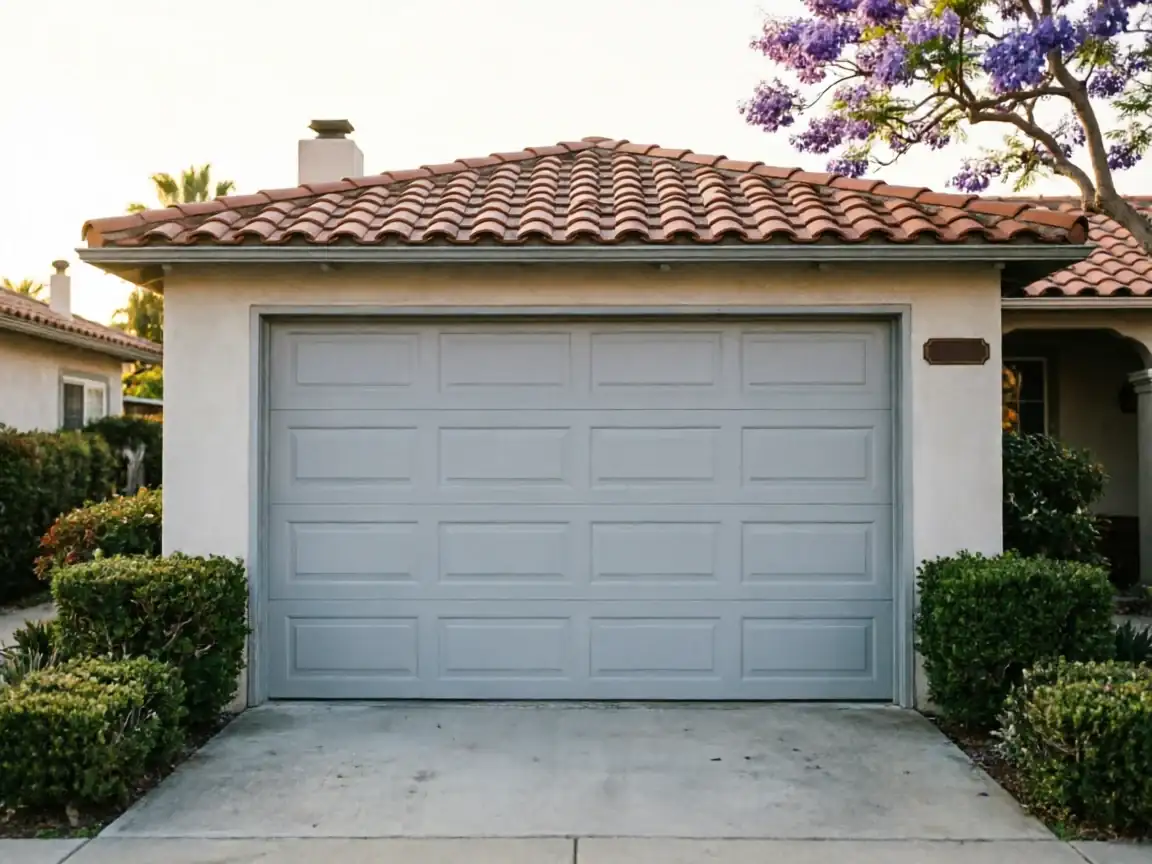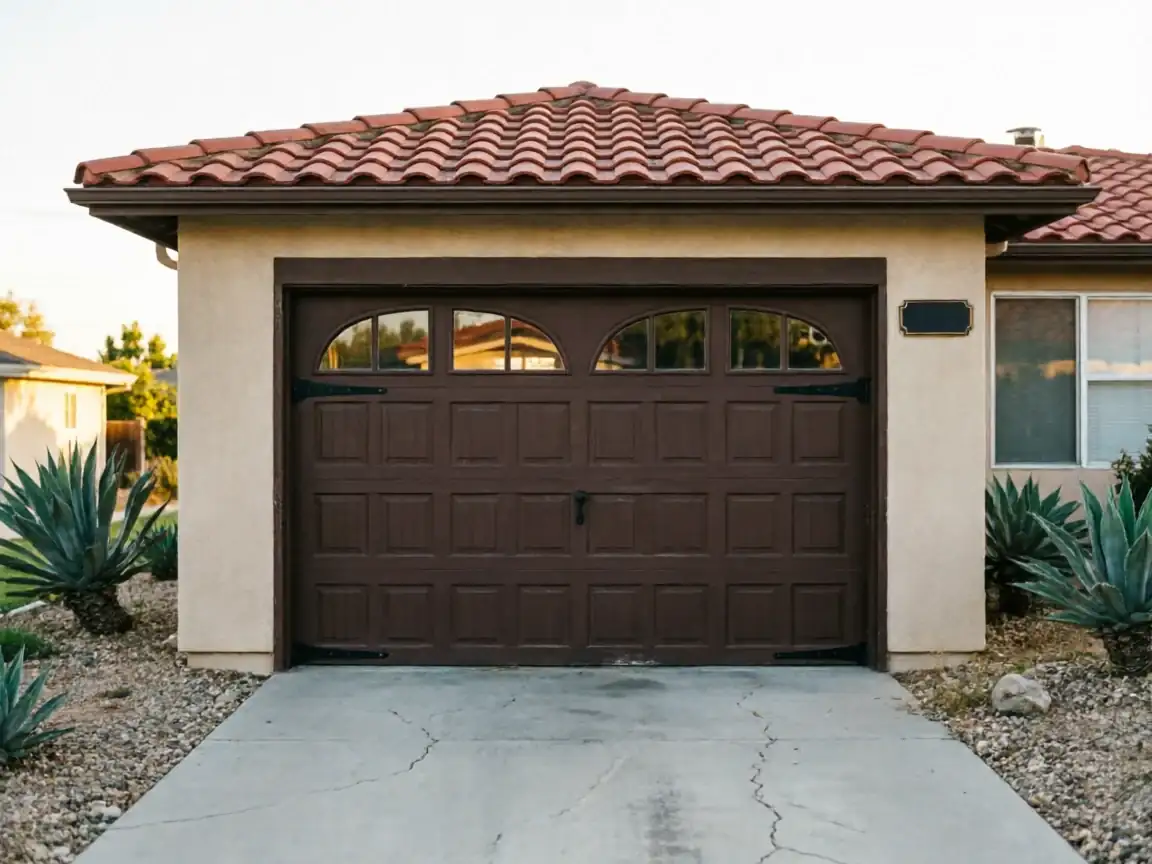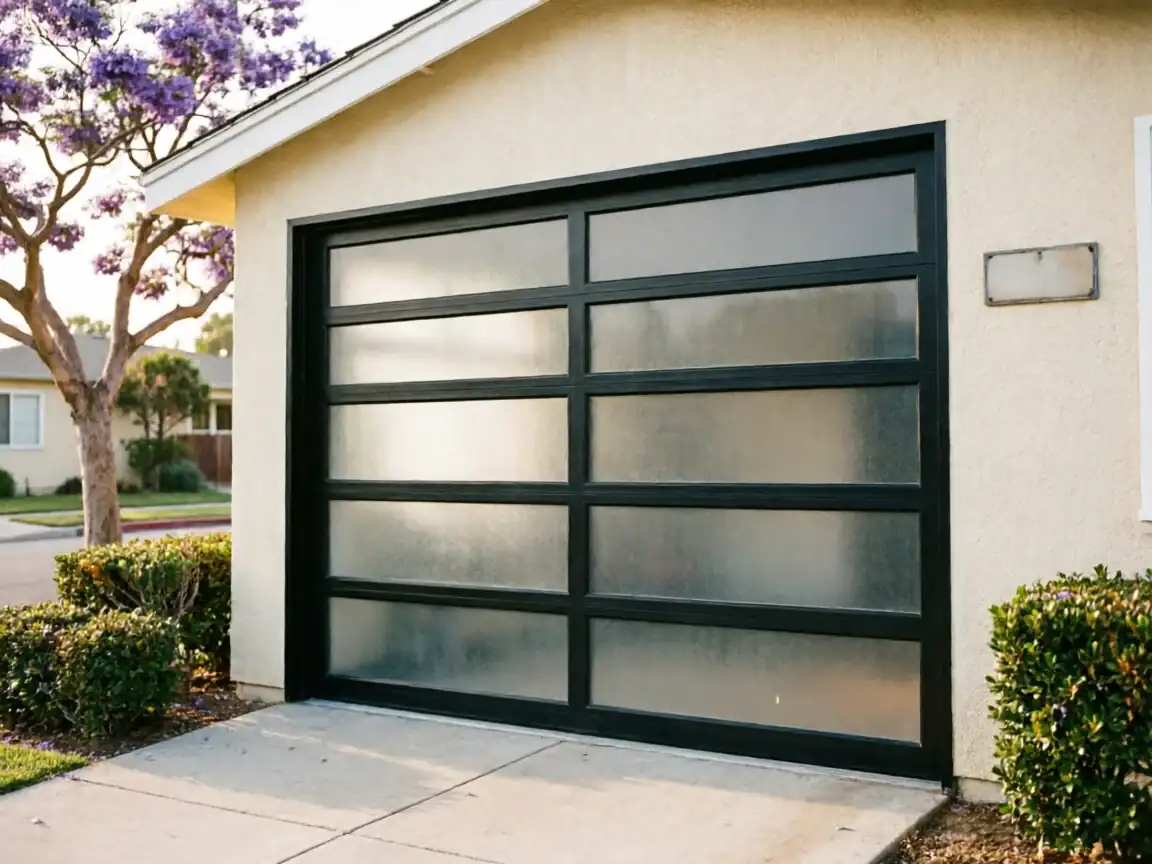
Where This Job Goes Sideways
Most of Blackhawk went up around 1988, a full generation after the 1973 median build year for the rest of the San Ramon service area
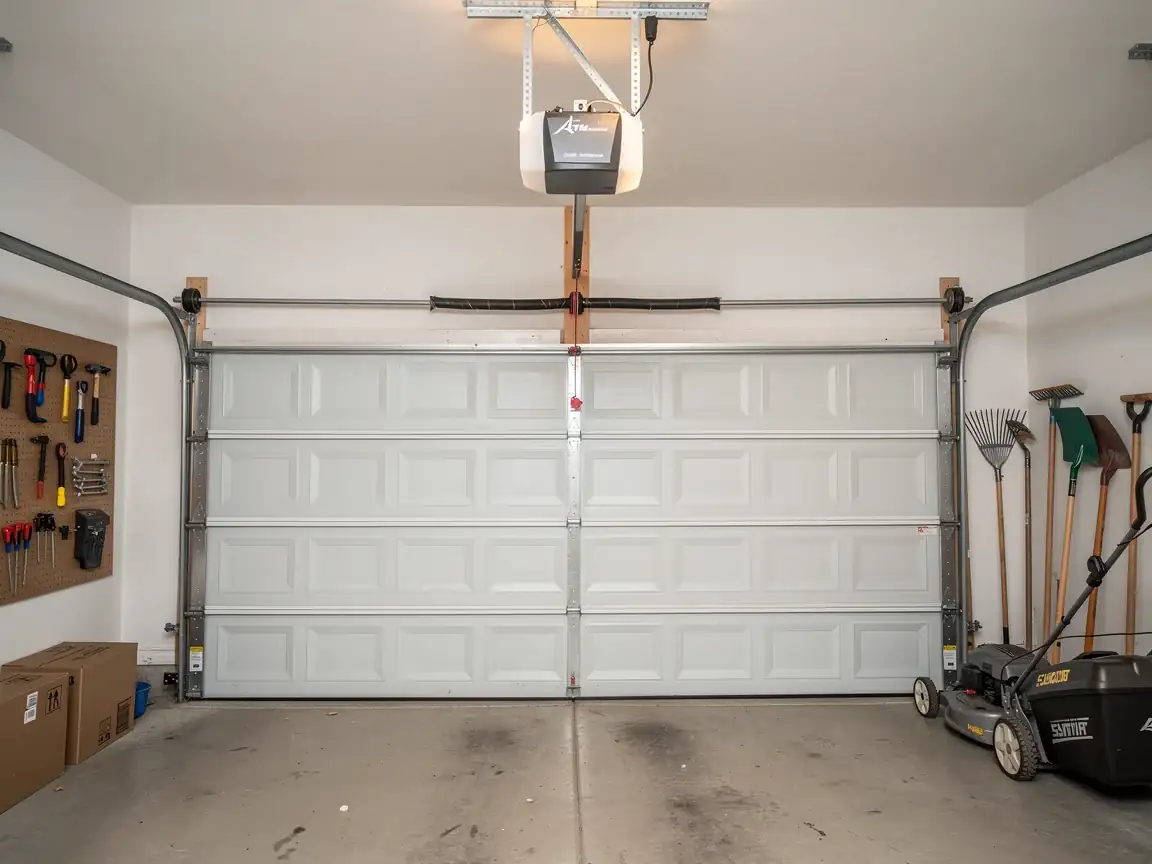
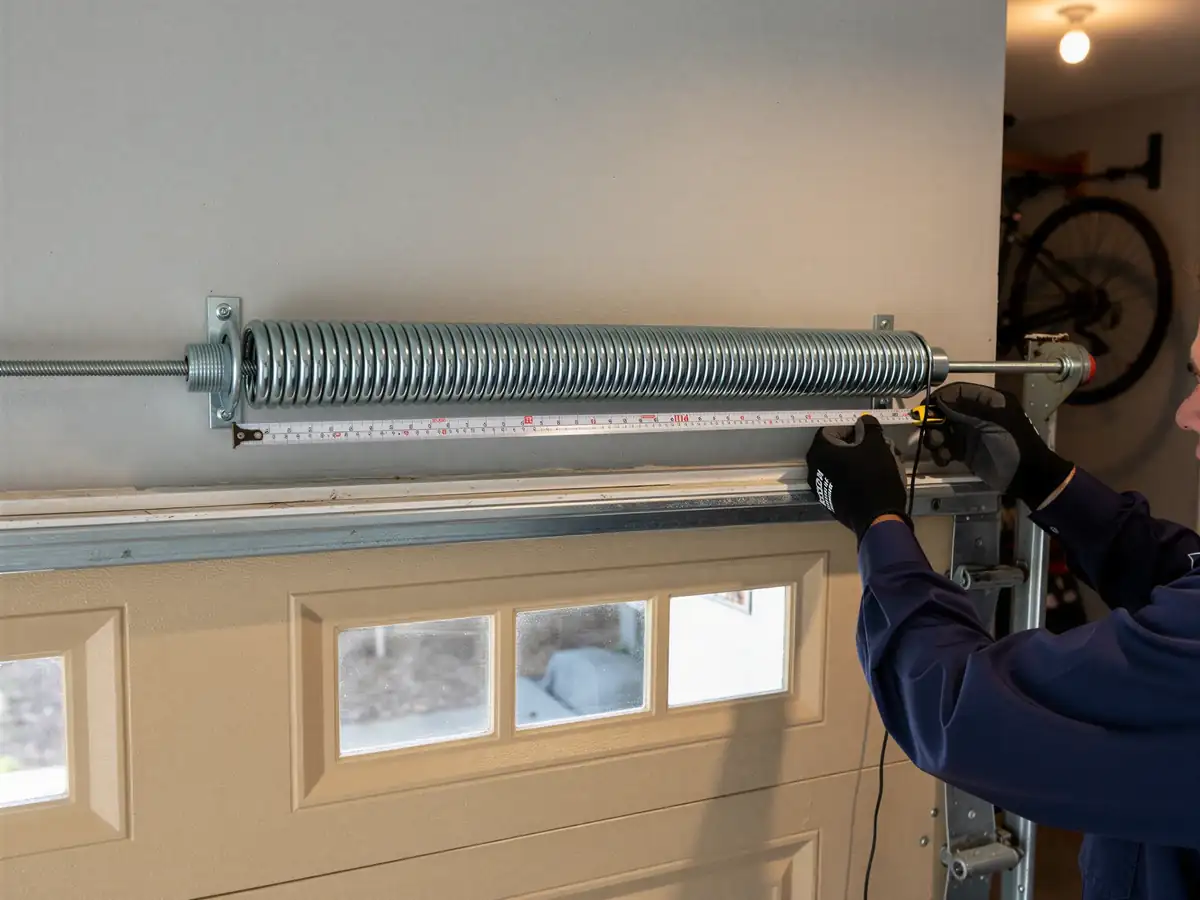
That matters more than people think. Houses from this stretch came with heavier steel doors and torsion spring setups from the start, not the older extension-spring, side-mount hardware you still find on 1950s and 60s stock elsewhere in the area.
The fault pattern here skews toward what fails on a 30-to-35-year-old system that was built right the first time
Openers with circuit boards past their service life, torsion springs finally giving out after two or three decades of cycles, and nylon rollers that have gone brittle rather than tracks that were ever undersized. We don't see much of the "wrong hardware for the house" problem that shows up in the older neighborhoods closer to the center of San Ramon. We see tired hardware that did its job for a long time and is now done.
The Symptom
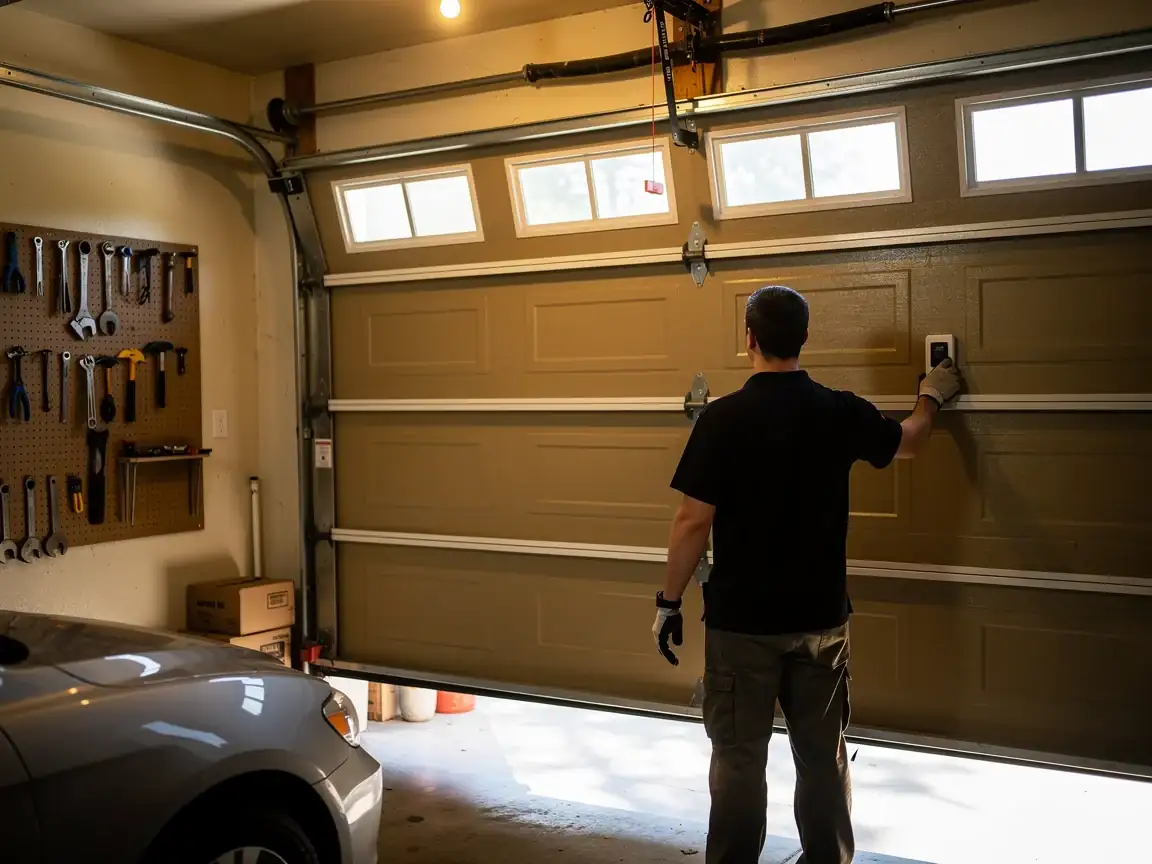
The call we get most from this part of the service area isn't a door stuck shut - it's a door that reverses a few inches off the floor, or an opener light that blinks a code nobody wrote down. That's a late-1980s-to-1990s opener logic board or a safety sensor that's drifted out of alignment after years of settling, not a dead motor.
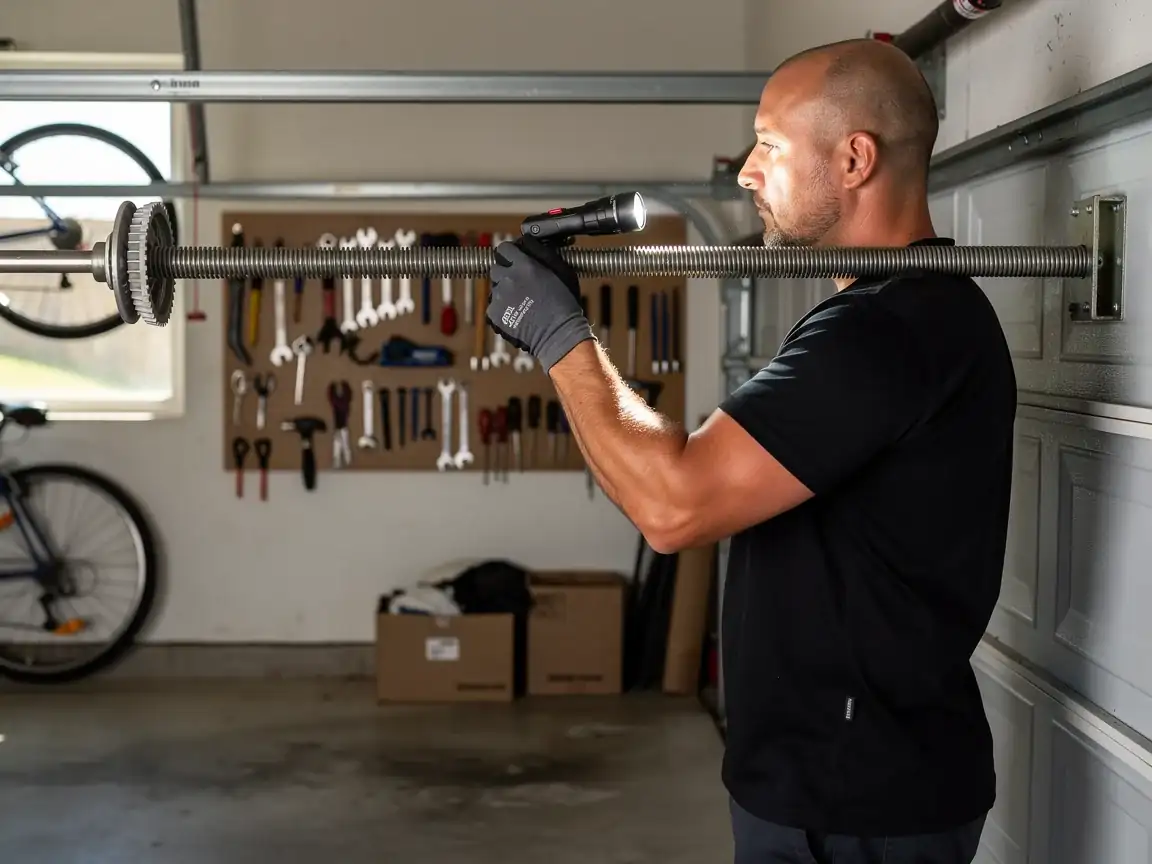
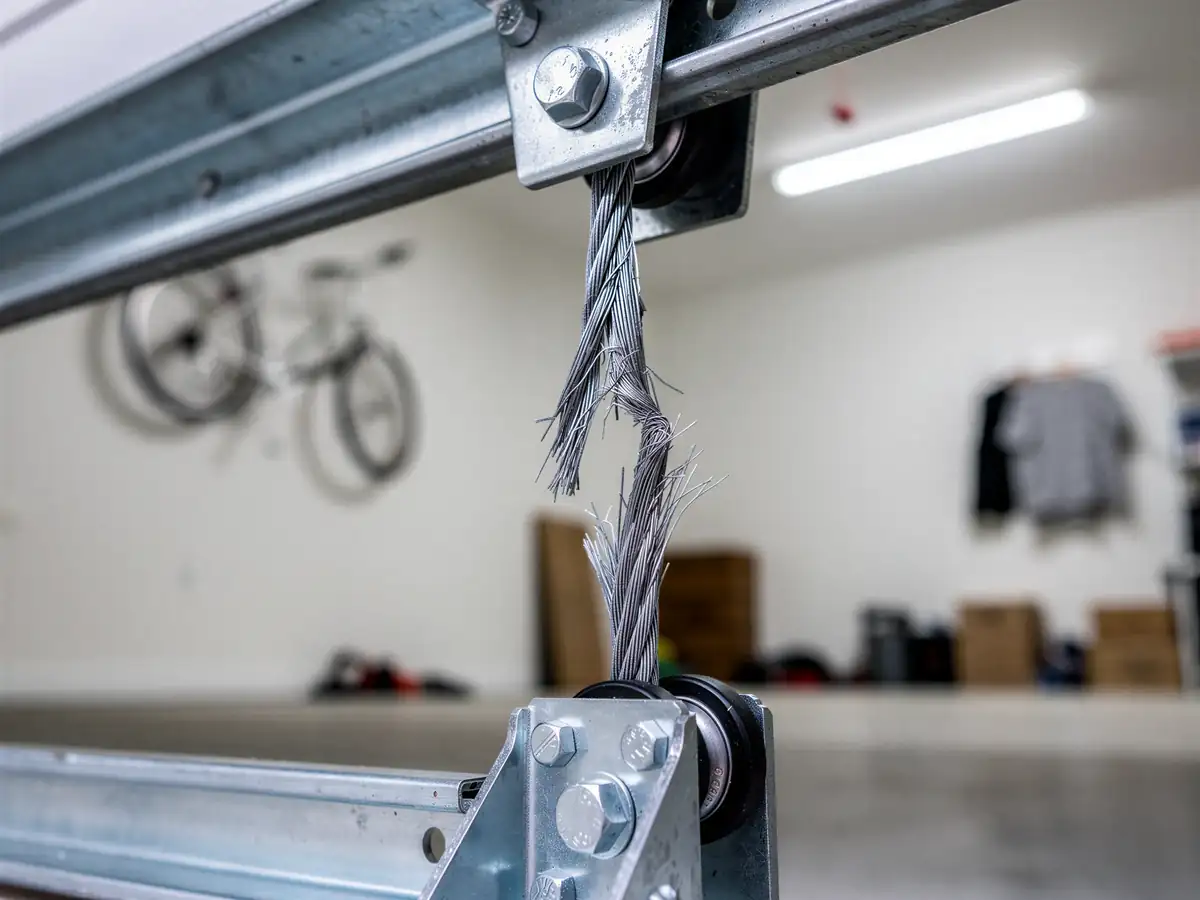
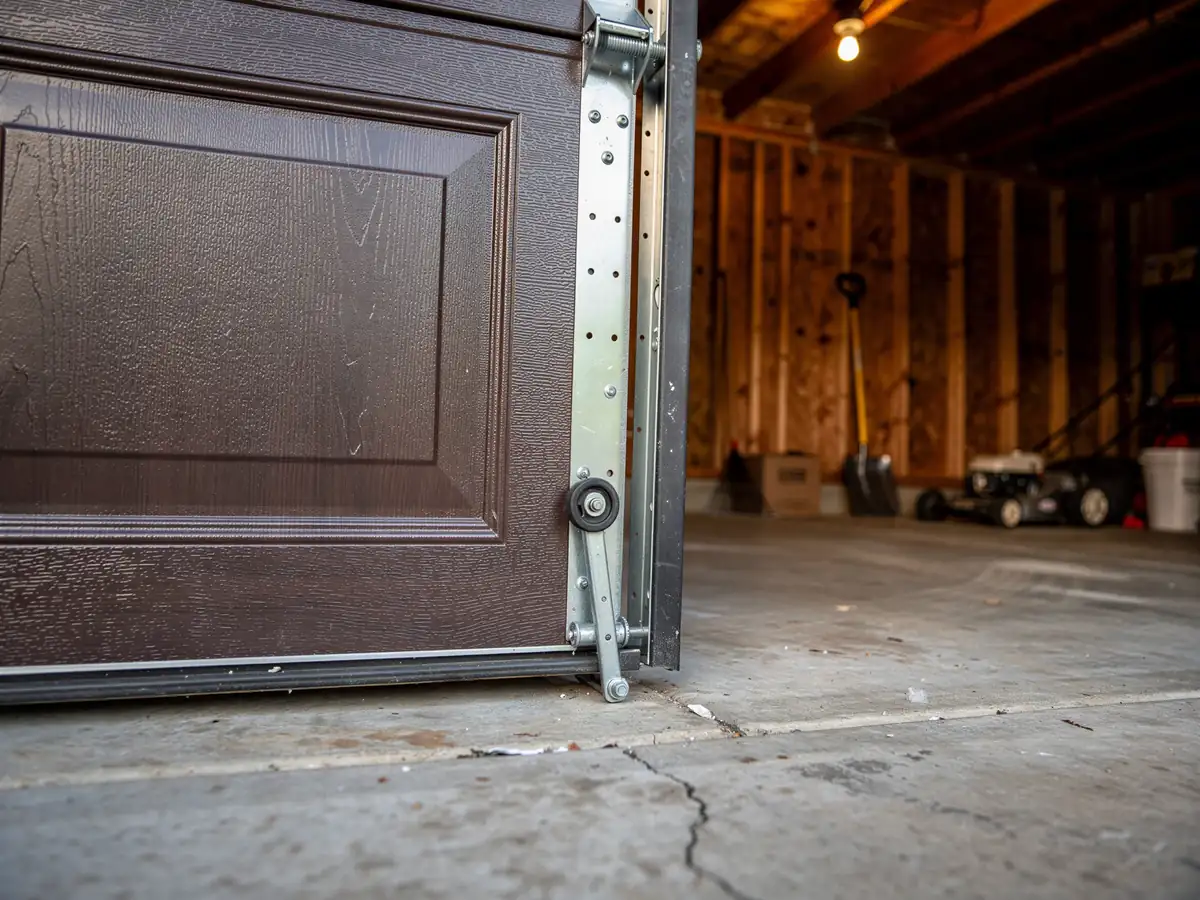
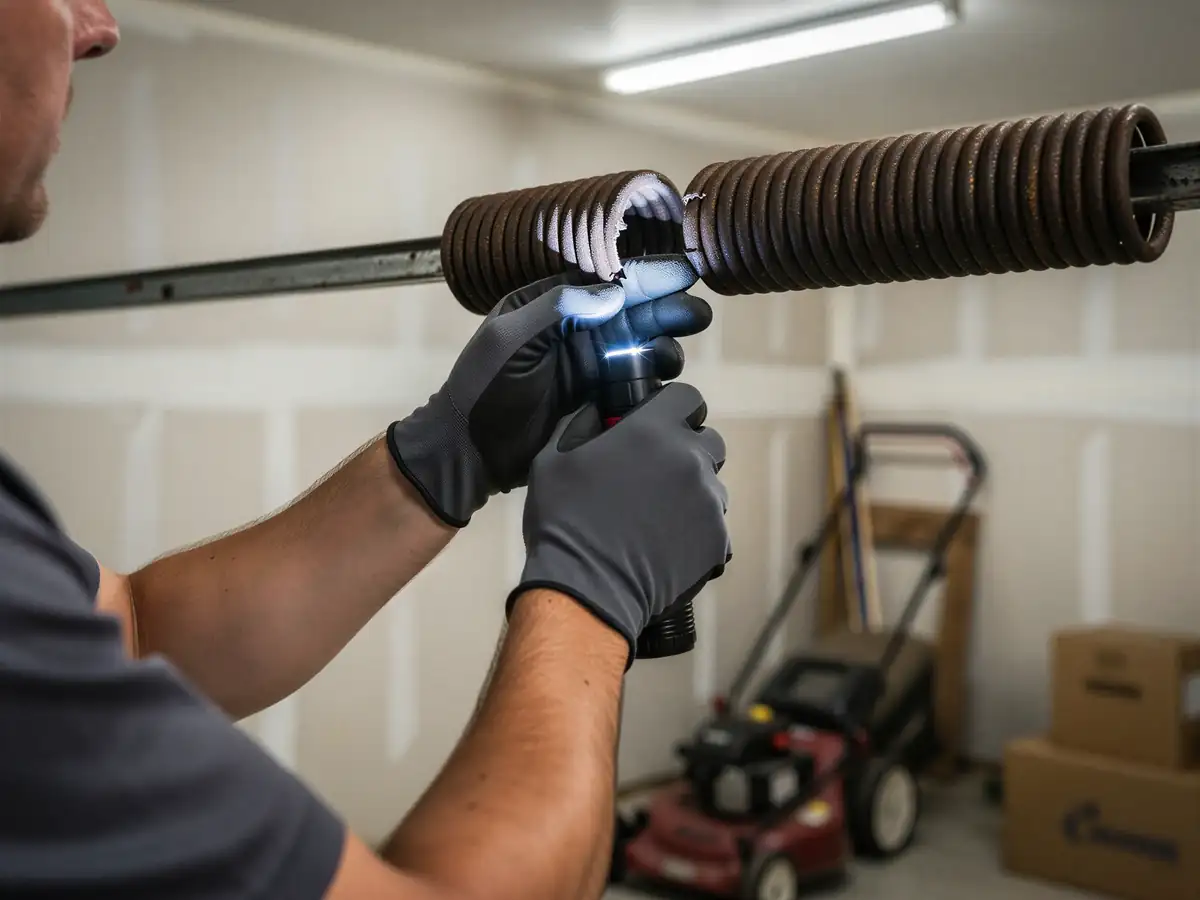
A second common symptom: a door that sounds like it's grinding on the way down, even though it looks fine. On torsion systems this age, that's usually a spring that's lost tension unevenly, putting more load on one cable than the other. Left alone, it doesn't fix itself - it ends with a snapped cable or a door that drops. Climate here is mild with occasional freeze risk, so cold isn't the main driver of failure the way it is in harsher regions; age and cycle count are.
What the Repair Takes
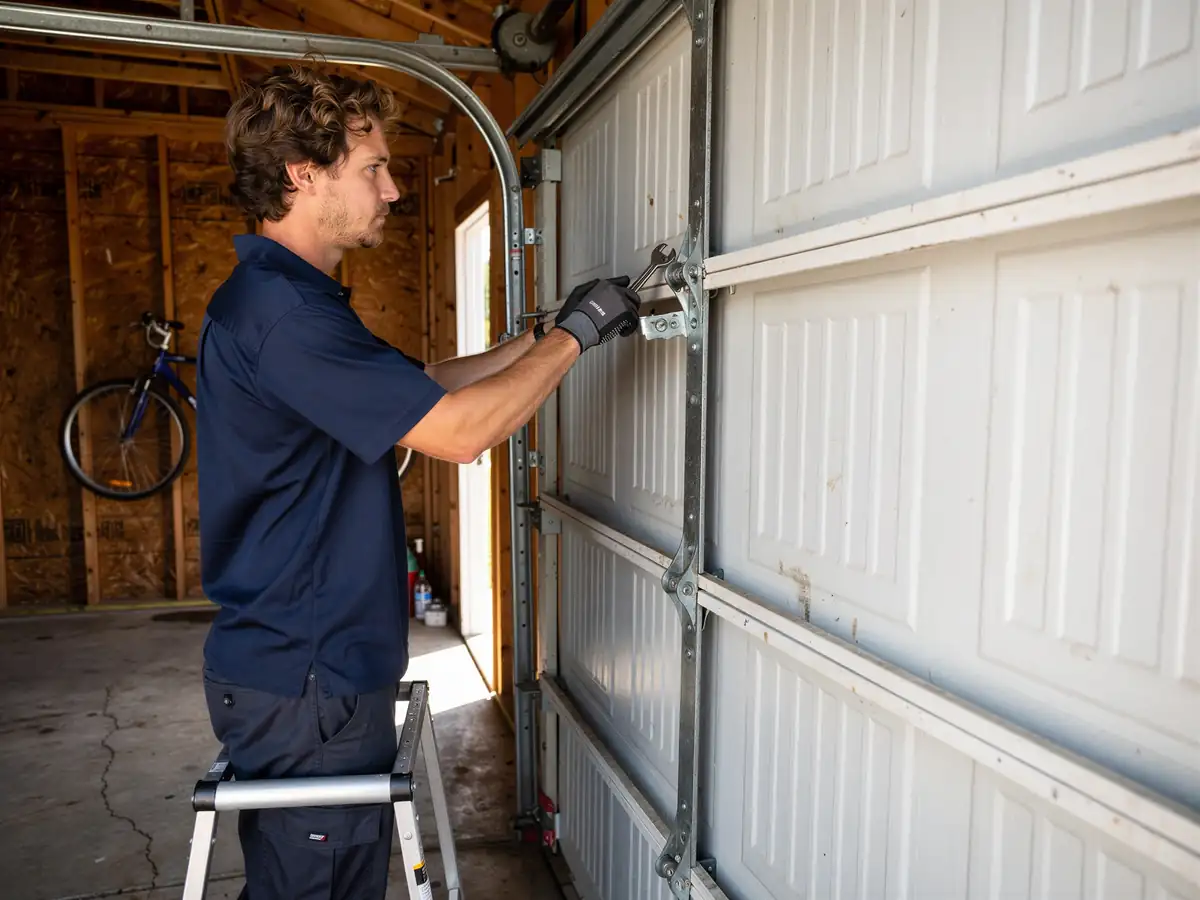
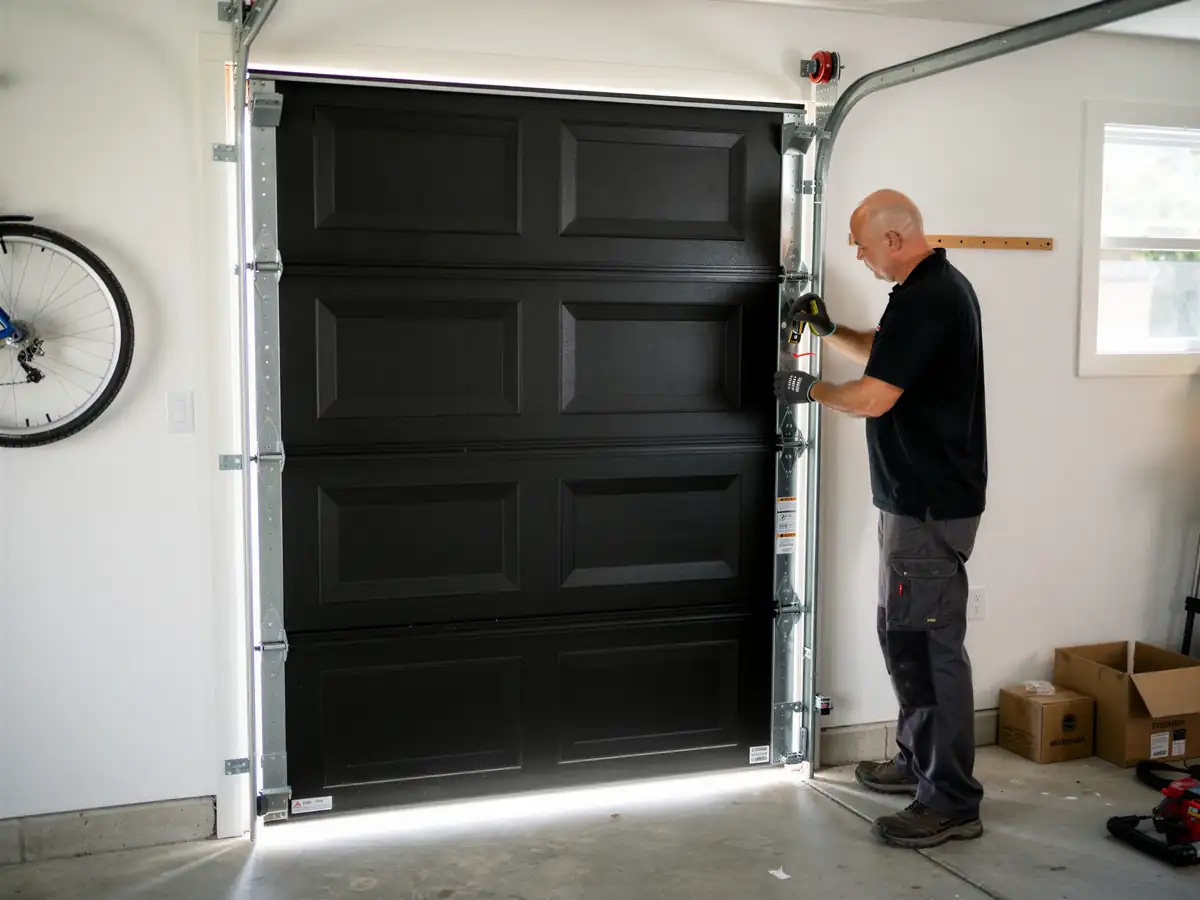
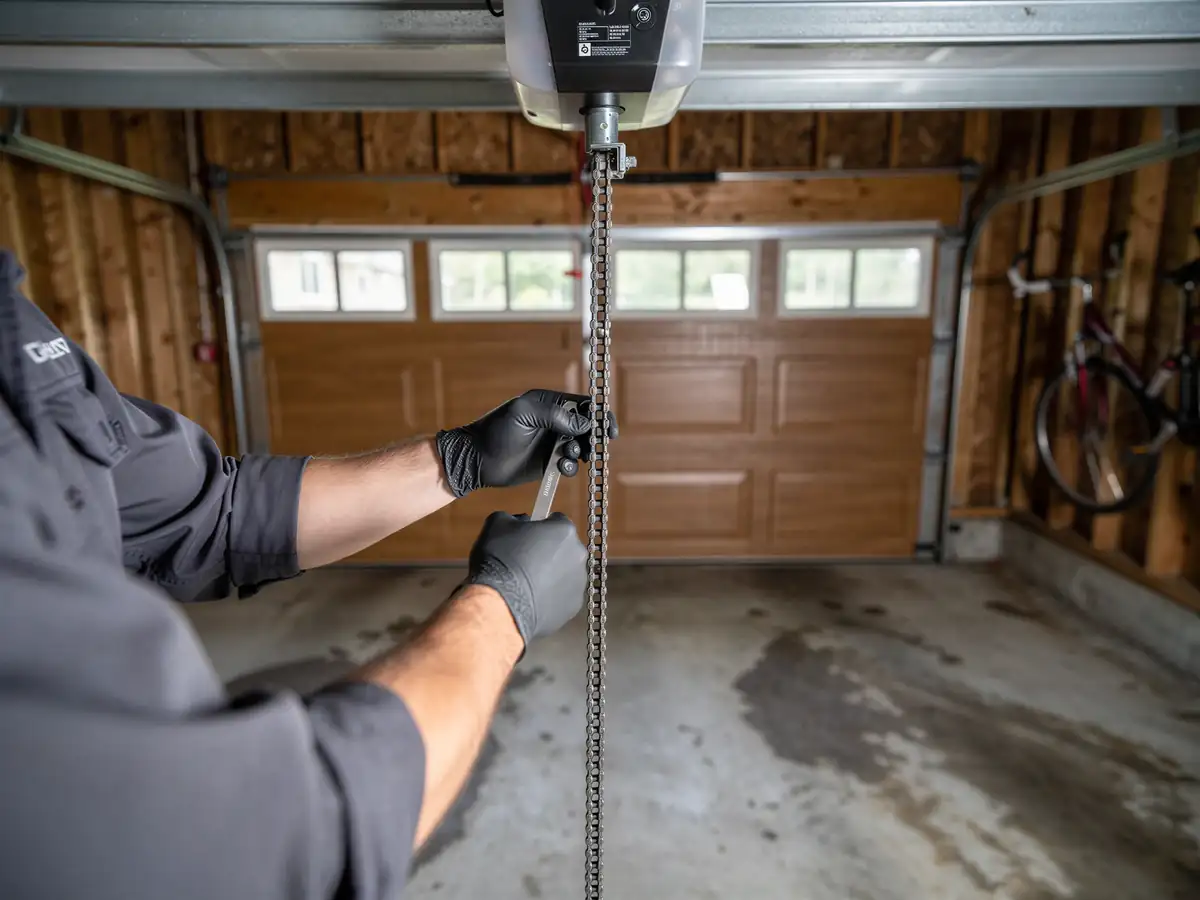
We travel from San Ramon, and Blackhawk is close - about 3 miles out, one of the shorter runs on the route. For a straightforward torsion spring swap or opener board replacement, the job itself usually runs under two hours once we're on site with the right parts.
What takes longer is diagnosing an opener that's throwing an intermittent fault rather than a dead one. Boards from this era don't always fail clean; sometimes it's a sensor wire that's chafed through at a bend point, not the board at all. We check the cheap, likely cause before we recommend replacing the expensive part. If a torsion spring has already given out on one side, we replace both - mismatched spring age on a single door just moves the next failure a few months down the road.
Stocked Parts
We carry torsion springs sized for the door weights common in homes built from the mid-1980s on
Along with the steel cable and nylon rollers that typically go along with a spring job of this vintage. Opener boards are more of a mixed bag - some models from that era are still available new, others we source compatible replacement boards for rather than the original part number.
What we don't stock on the truck is anything for a door that's been custom-modified or carries a non-standard panel size
Those get ordered after we've seen the door in person. If a part needs to come from a supplier rather than the truck, we'll tell you that up front rather than guess at a timeline.
Booking a Visit
If your opener is misbehaving or a spring has let go, book a visit and we'll get a truck out from San Ramon. Given the short distance, this is one of the more straightforward stops on the schedule - no long drive, no guessing which parts to load based on a neighborhood we don't know well.
Tell us the age of the door and opener if you know it, or even just the rough decade the house was built. That one detail - late 80s build versus a house from the 50s or 60s - changes which spring size and which opener parts we bring, and it saves a second trip. You can also start from the Blackhawk garage door repair page if you want more detail on a specific repair, or see the full range of what we handle out of San Ramon on the main service page.
Can You Do This Yourself
Cleaning a photo-eye sensor lens or checking that nothing's blocking the sensor beam is fair game to try yourself before calling anyone - it's a five-minute check and it fixes more "broken door" calls than people expect. A loose bracket you can see and reach is also reasonable to tighten.
A torsion spring is not a DIY repair, full stop. It's under enough tension to cause a serious injury if it lets go while you're working on it, and the tools to wind it safely aren't something most homeowners have sitting in the garage. If your door is dropping unevenly, grinding, or won't stay up, that's a spring or cable problem - step back from it and call it in rather than troubleshoot further.