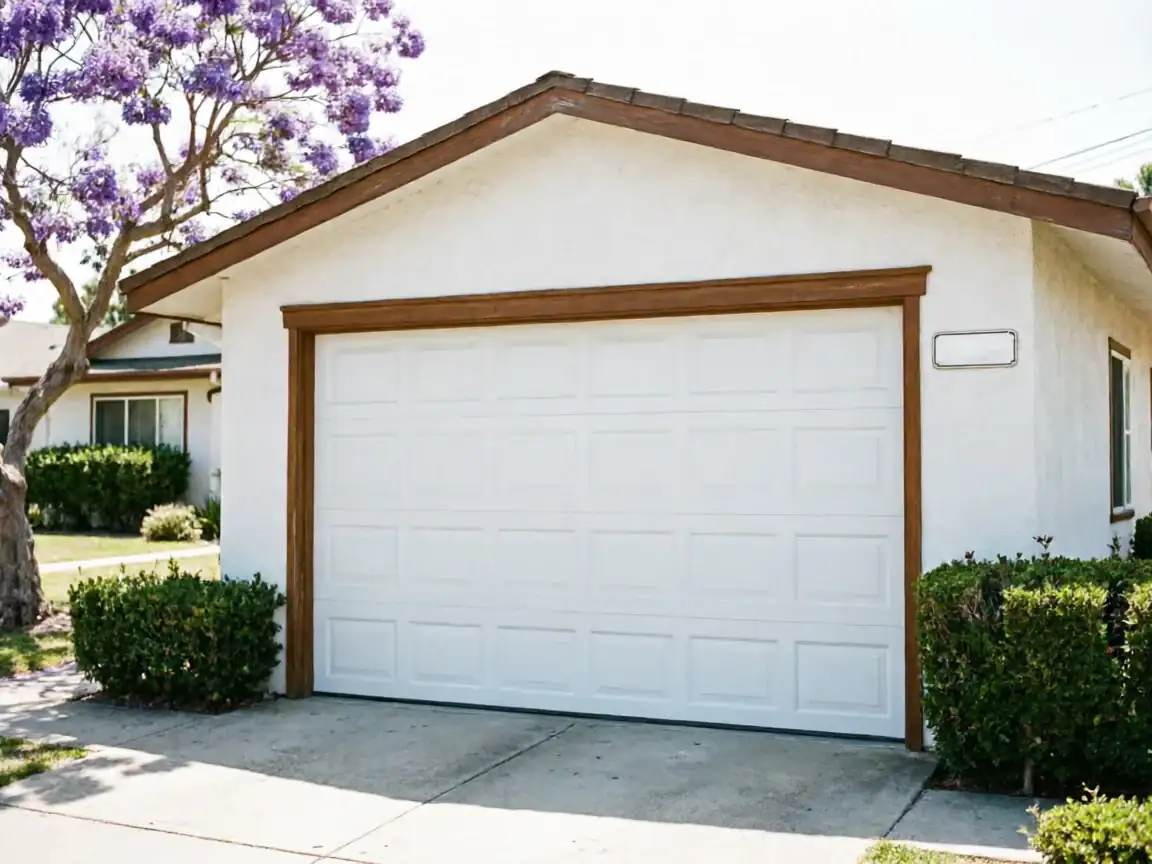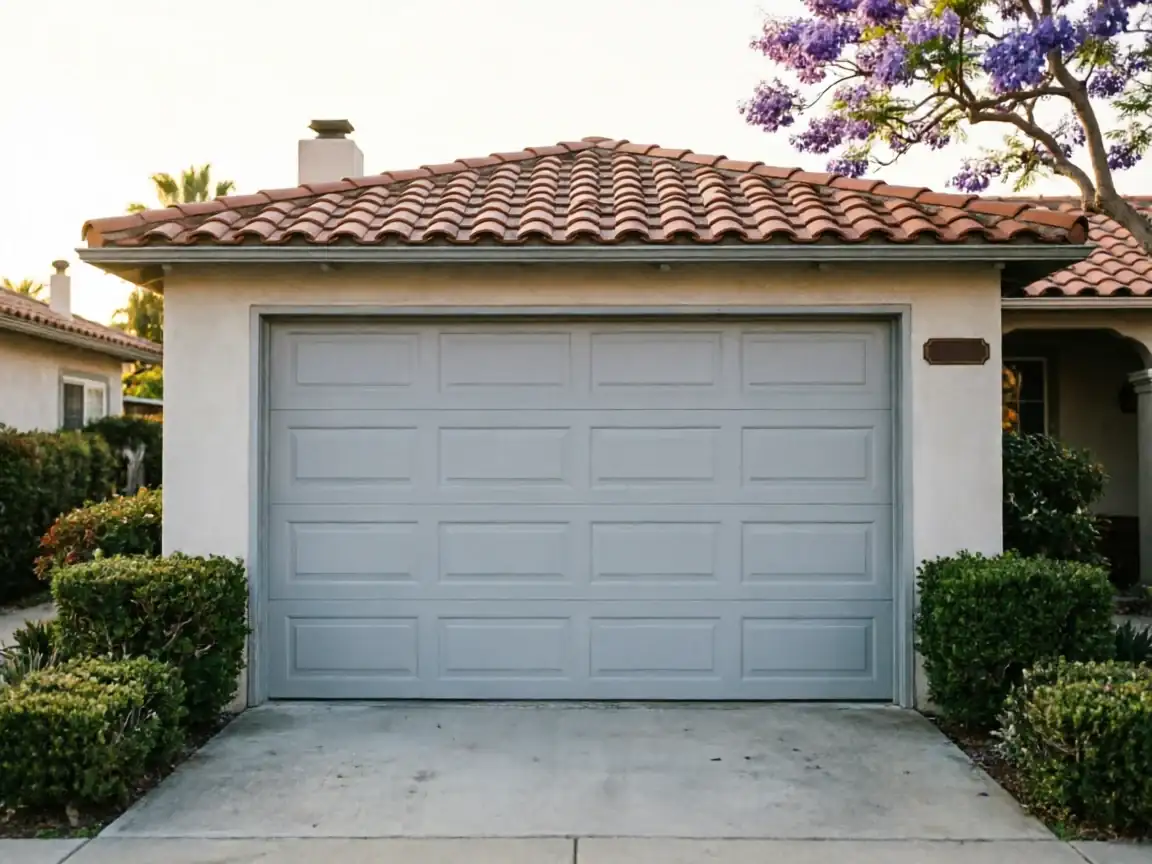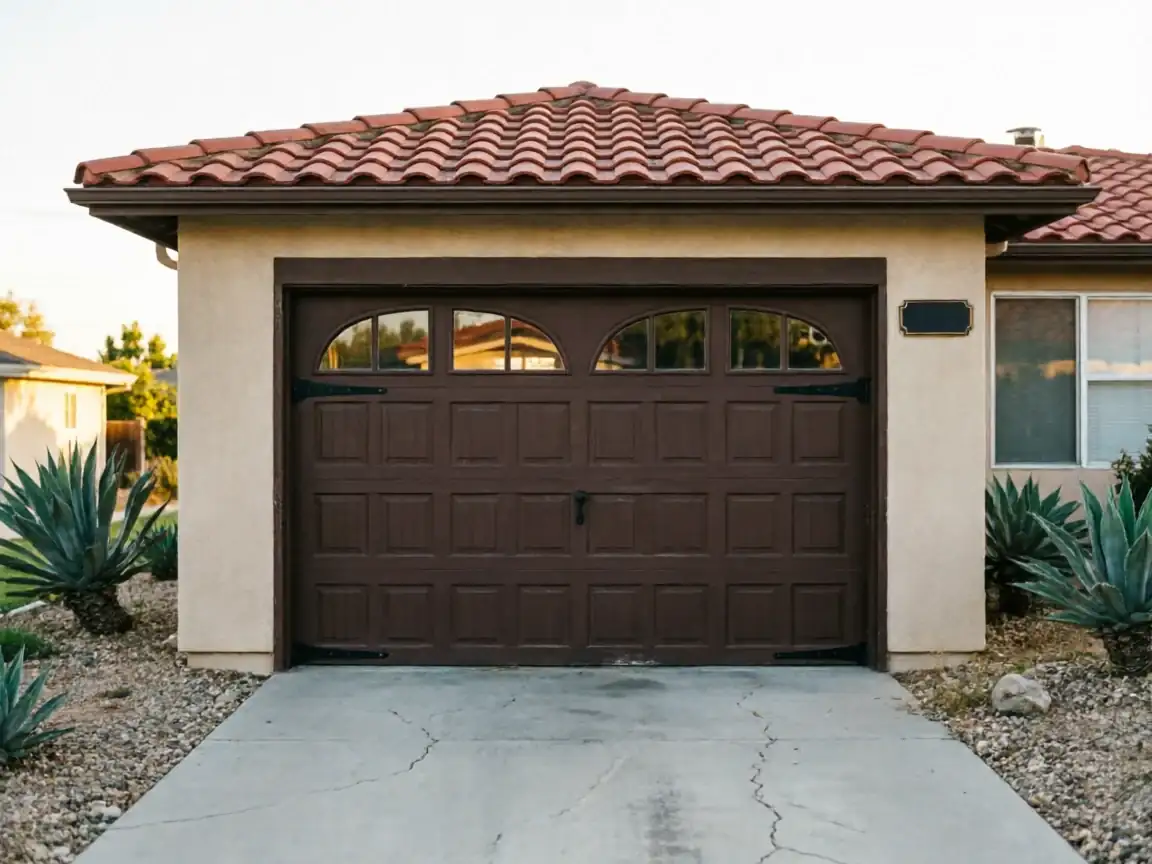
Where This Job Goes Sideways
Start with the number that actually matters here
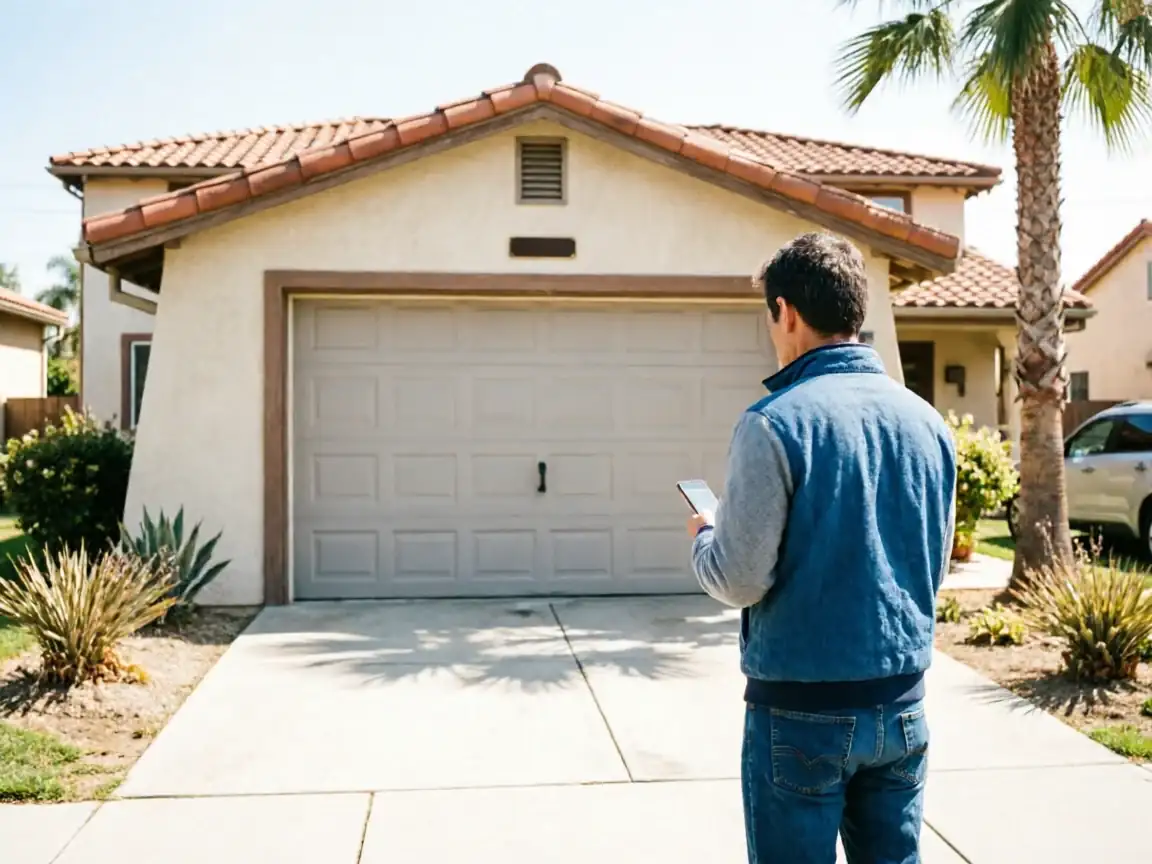
Blackhawk's median home dates to 1988, a solid fifteen years newer than the 1973 median across the broader San Ramon area we work from. That gap changes what's behind the door. A lot of these garage doors and openers are still the original builder-grade equipment that went in when the house was framed. Nobody's touched them because nothing's forced them to.
The trouble shows up when a homeowner assumes original means fine
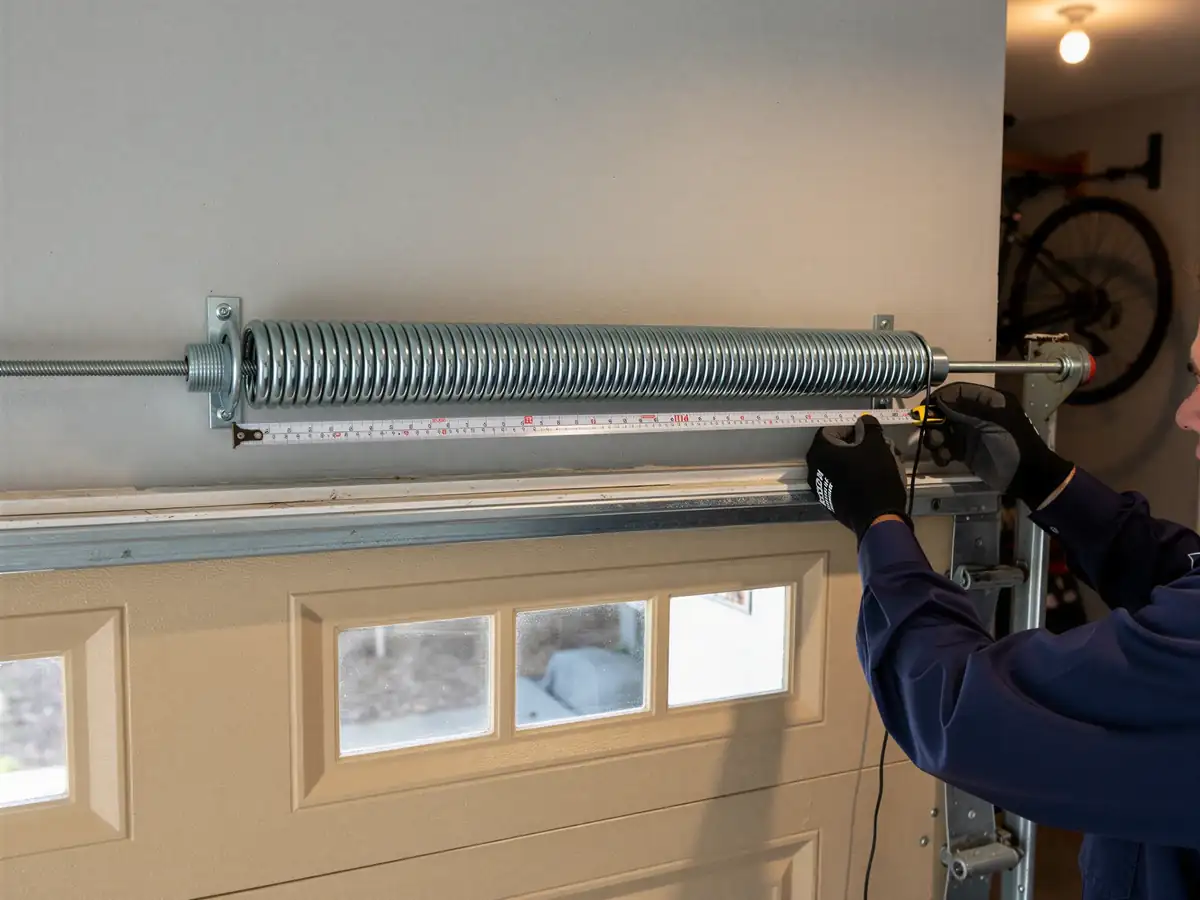
A thirty-plus-year-old steel door with its factory extension springs and a chain-drive opener from the same install date isn't broken, exactly, but it's running on borrowed time and outdated parts. Add that the climate here is mild with only occasional freeze risk, and you get failures driven by age and fatigue rather than weather. The spring doesn't snap because of a cold snap. It snaps because it's been doing the same lift, twice a day, for three and a half decades.
We come out from San Ramon, about three miles away
So this isn't a branch call - it's a short drive, which matters when you're trying to get a quote scheduled without waiting on a route.
The Symptom
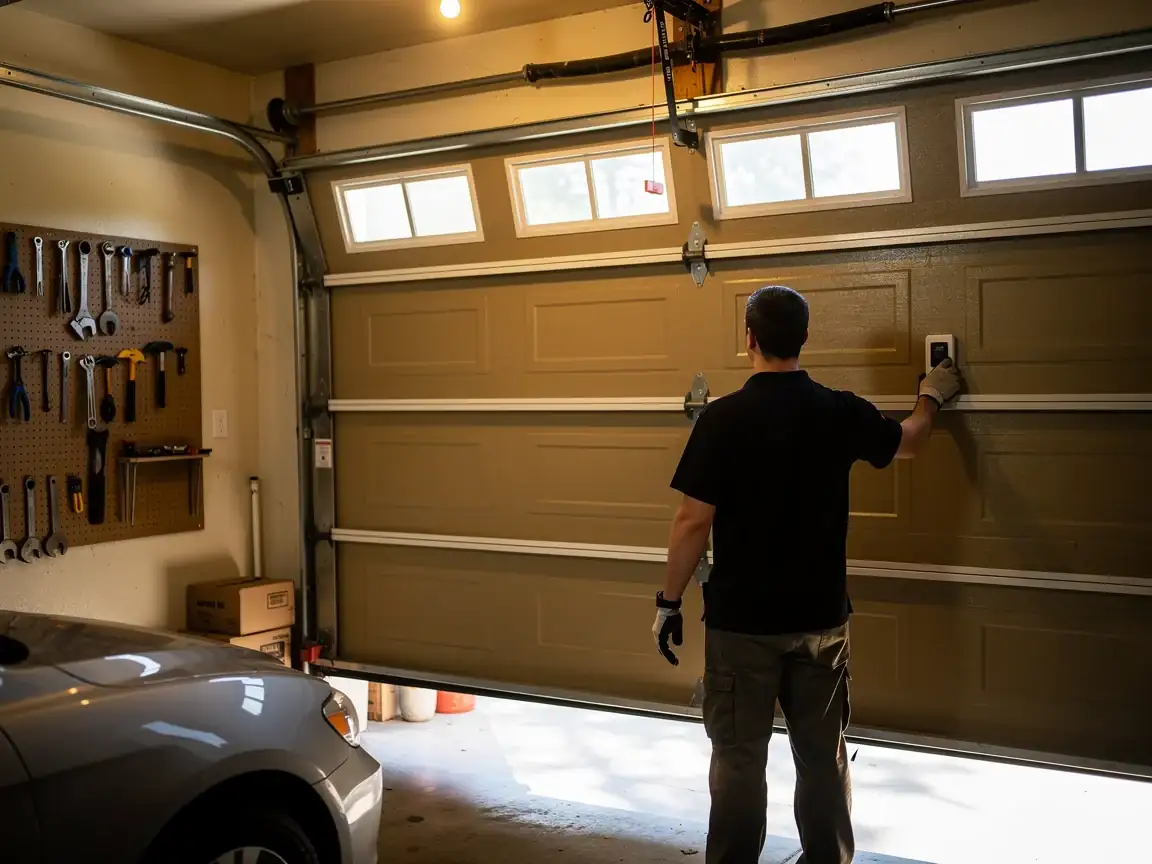
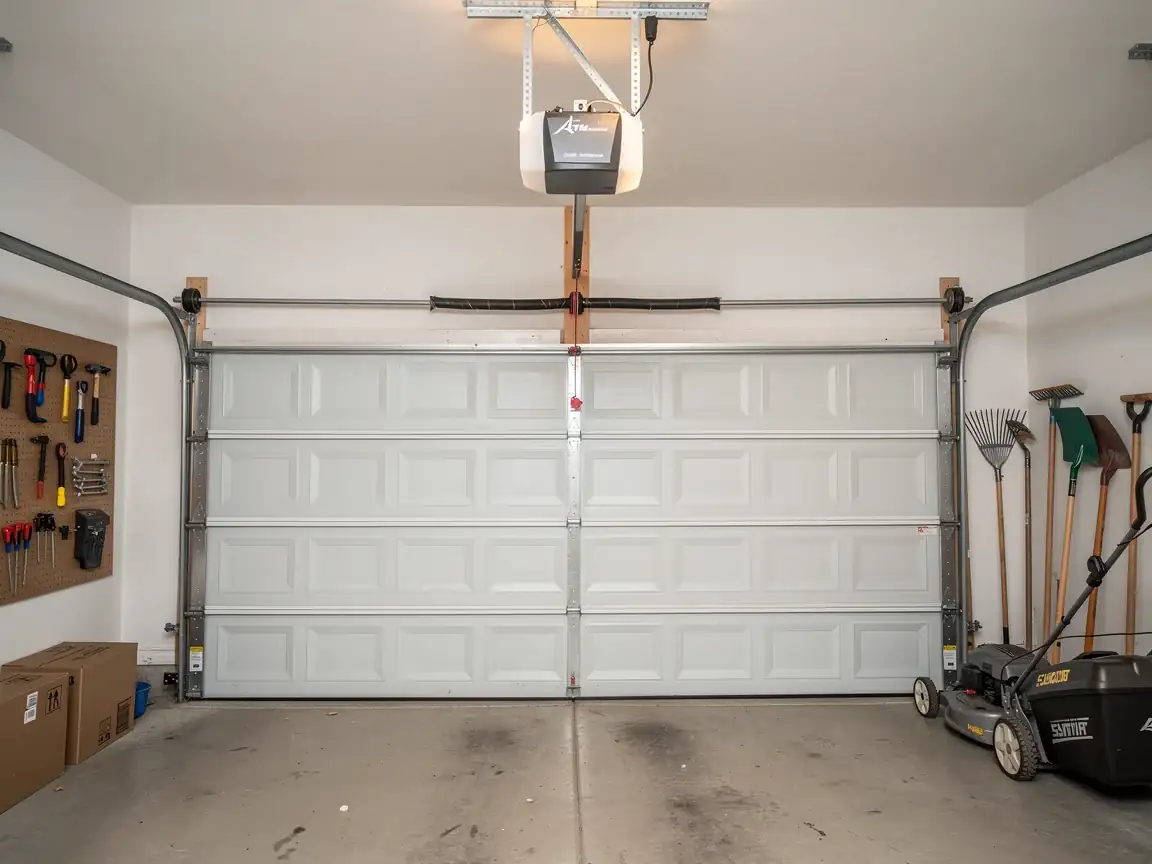
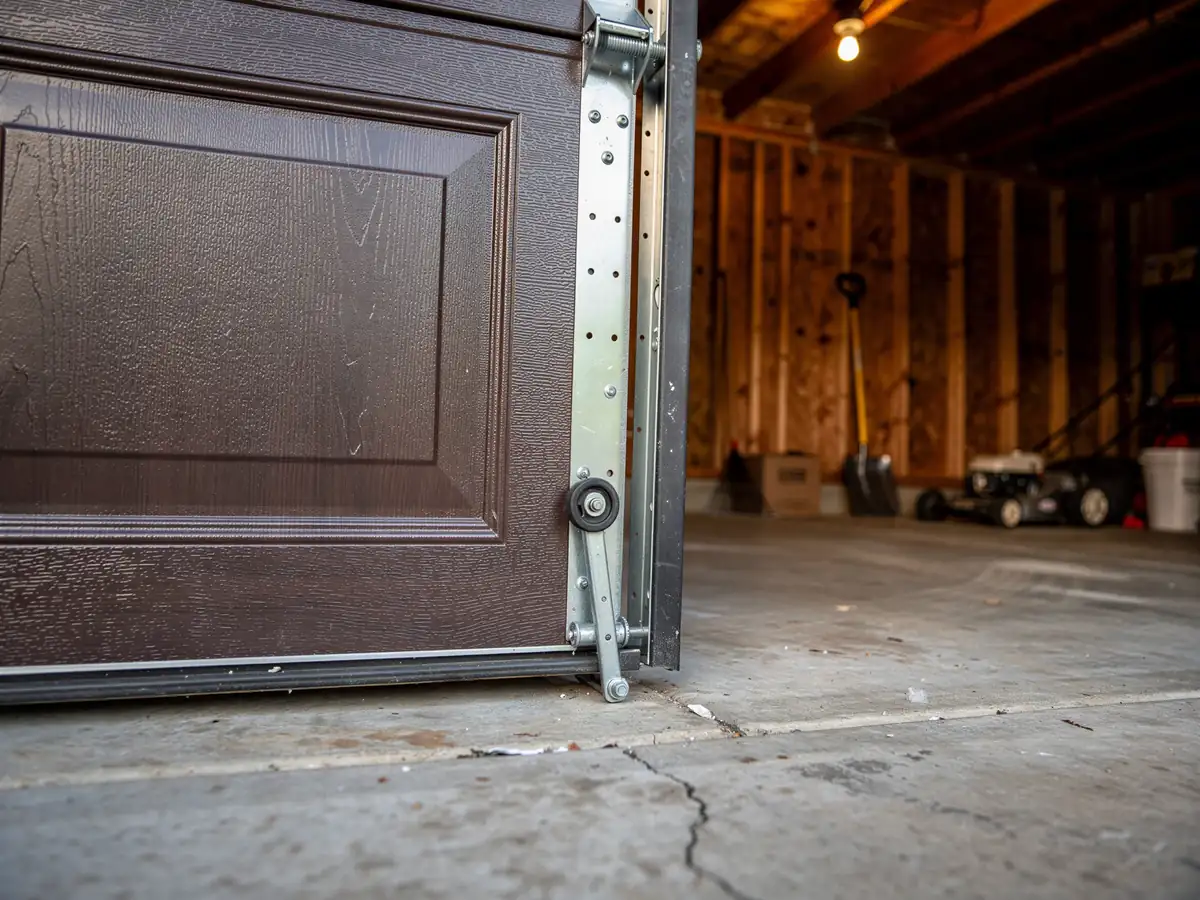
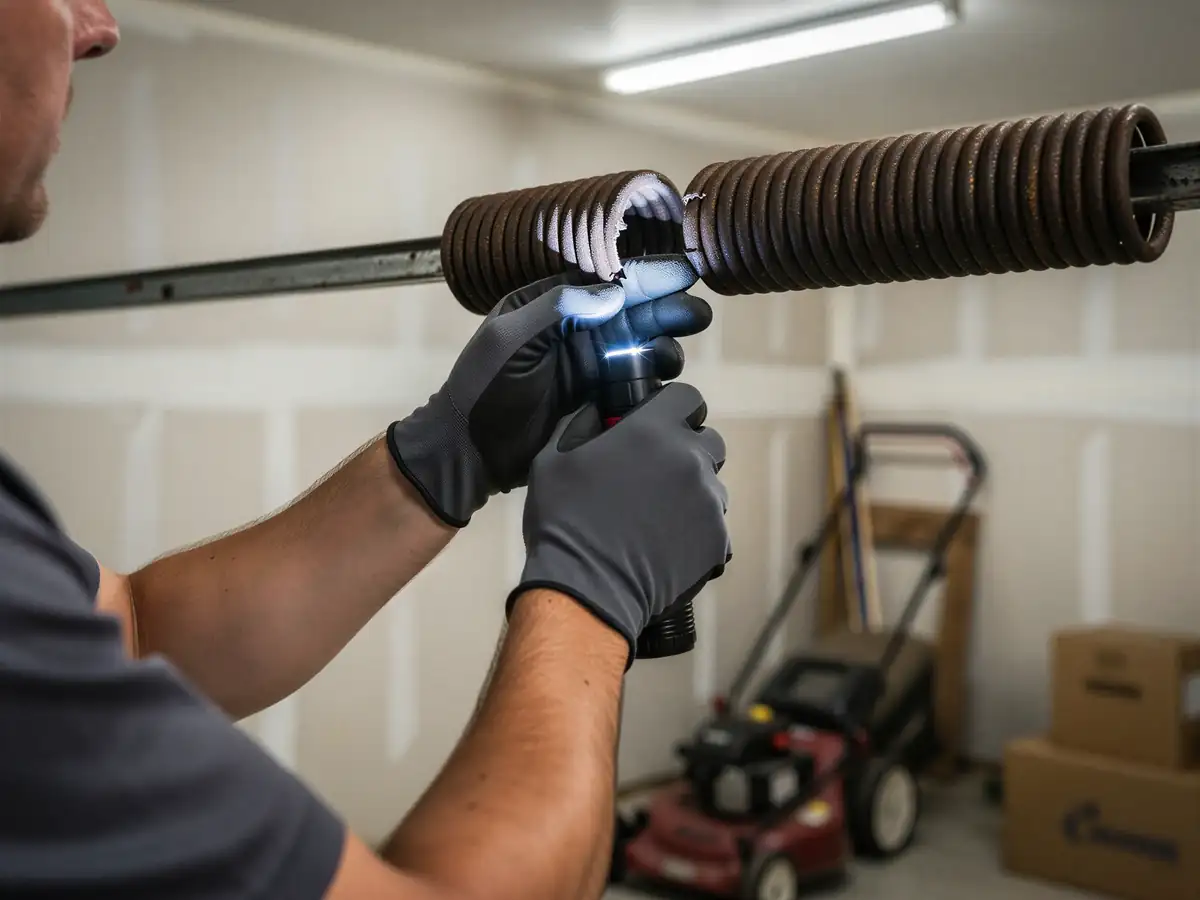
On a house with original 1988 hardware, the tell isn't usually a dead door - it's a door that's gotten loud and slow before it quits. Heavy steel panels sag at the bottom corner where the roller bracket has worked loose over the years. The opener still runs, but it strains, clicks, or stalls partway up because the springs it was tuned for have lost tension nobody's reset.
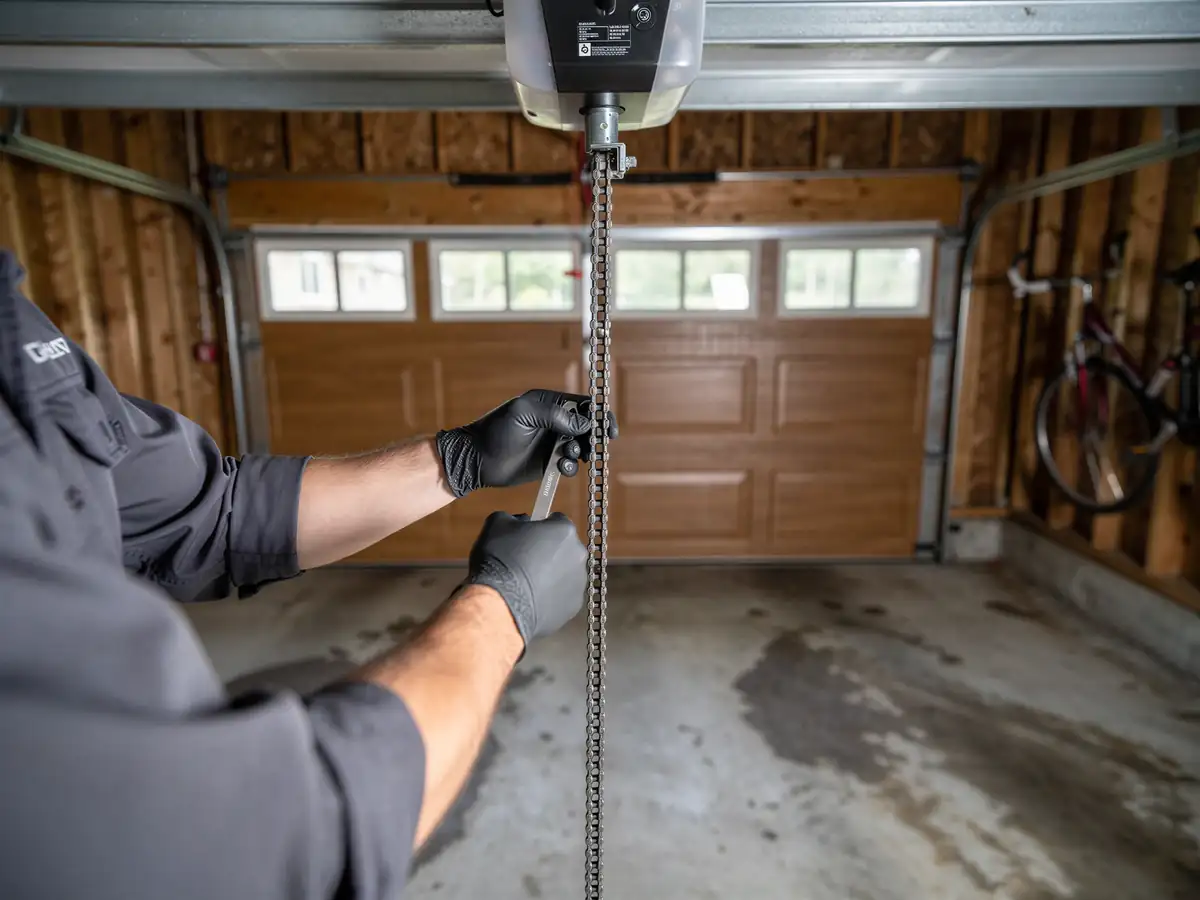
Some owners notice the opener itself first: no battery backup, no rolling code, a learn button from an era before smart-home anything. That's not a safety failure by itself, but paired with a door that's also original, it tells you the whole assembly is due, not just one part.
A door that works fine nine days out of ten and jams on the tenth, especially at the top of its travel, is usually tension loss plus track wear acting together. Treating that as a one-part fix often means a second call within the year.
What the Repair Takes
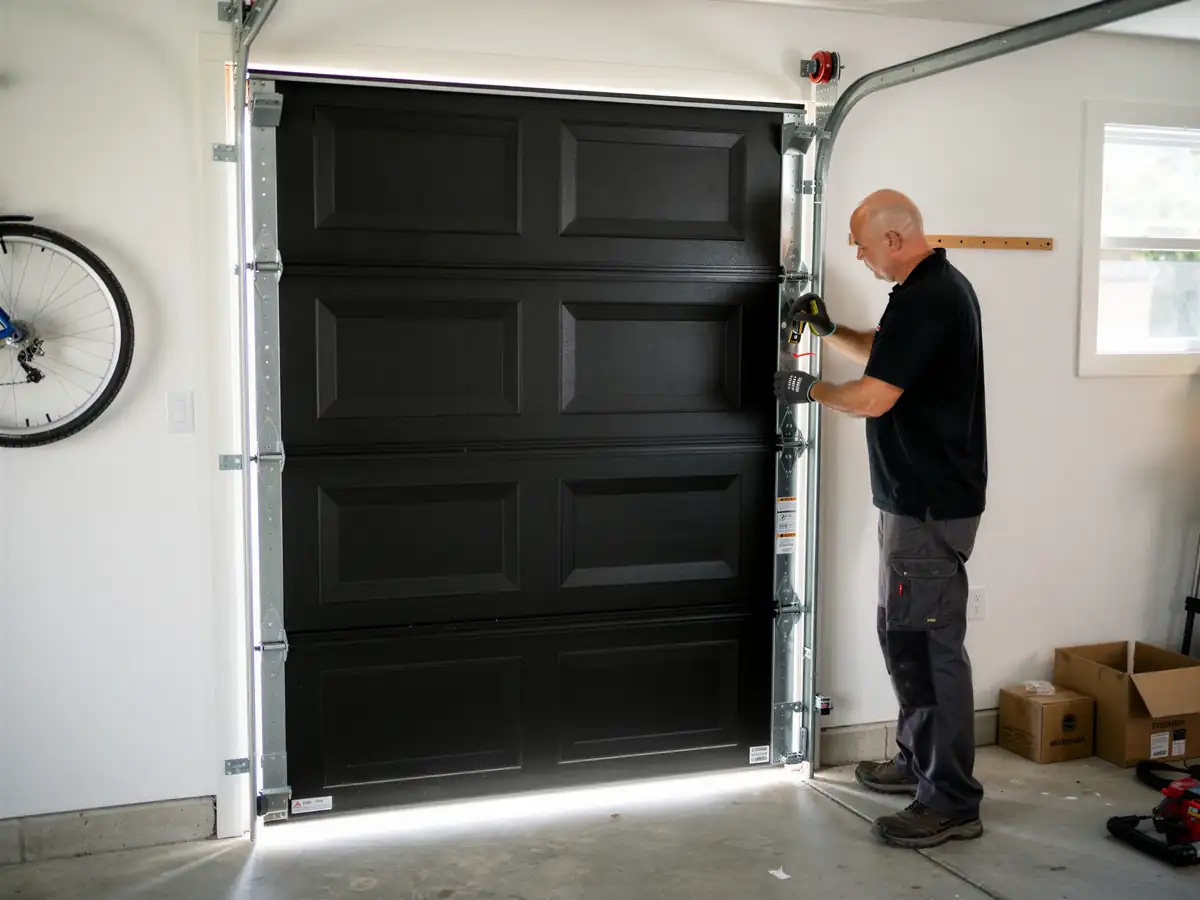
A full installation on a house like this is rarely a drop-in swap. The opening itself is usually still square and original, since 1988 construction in this area used standard track widths, but the mounting hardware - jamb brackets, header plate, the track angle - has often shifted slightly with the house settling over thirty-some years. We check that before anything goes on the wall.
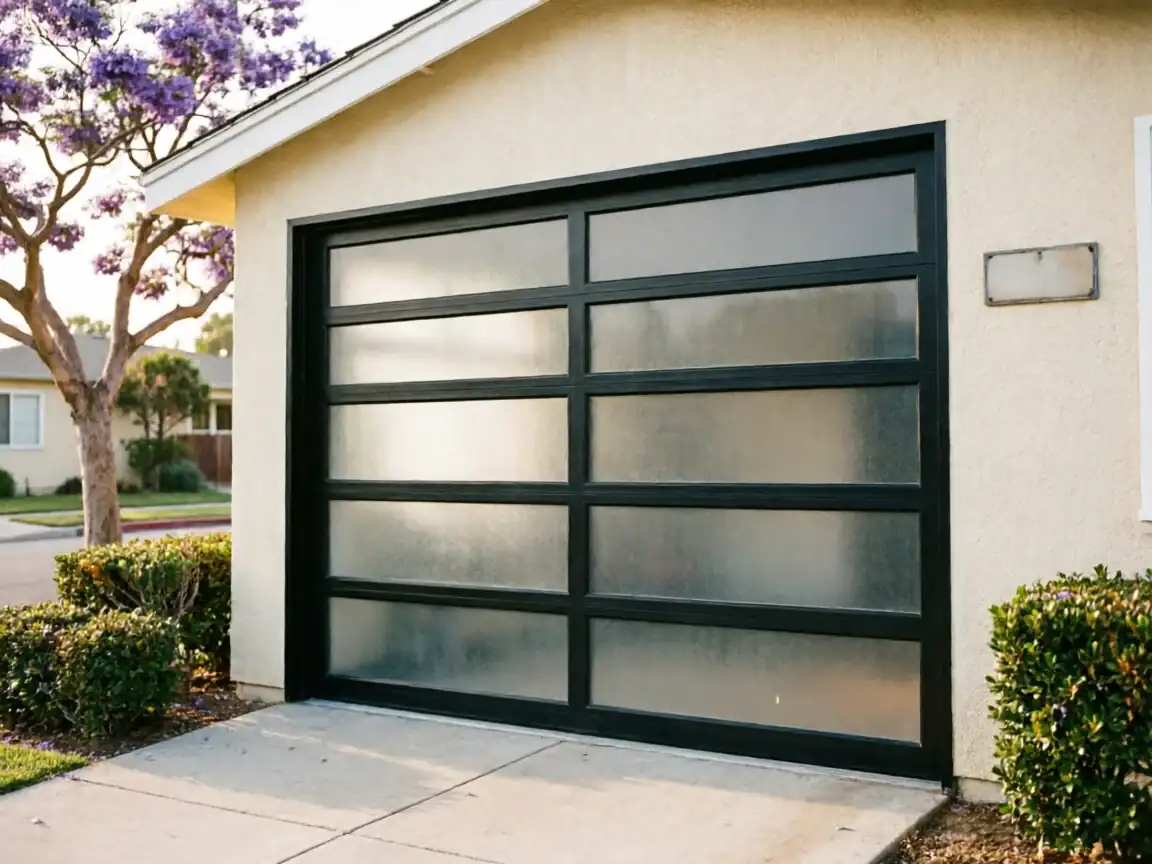
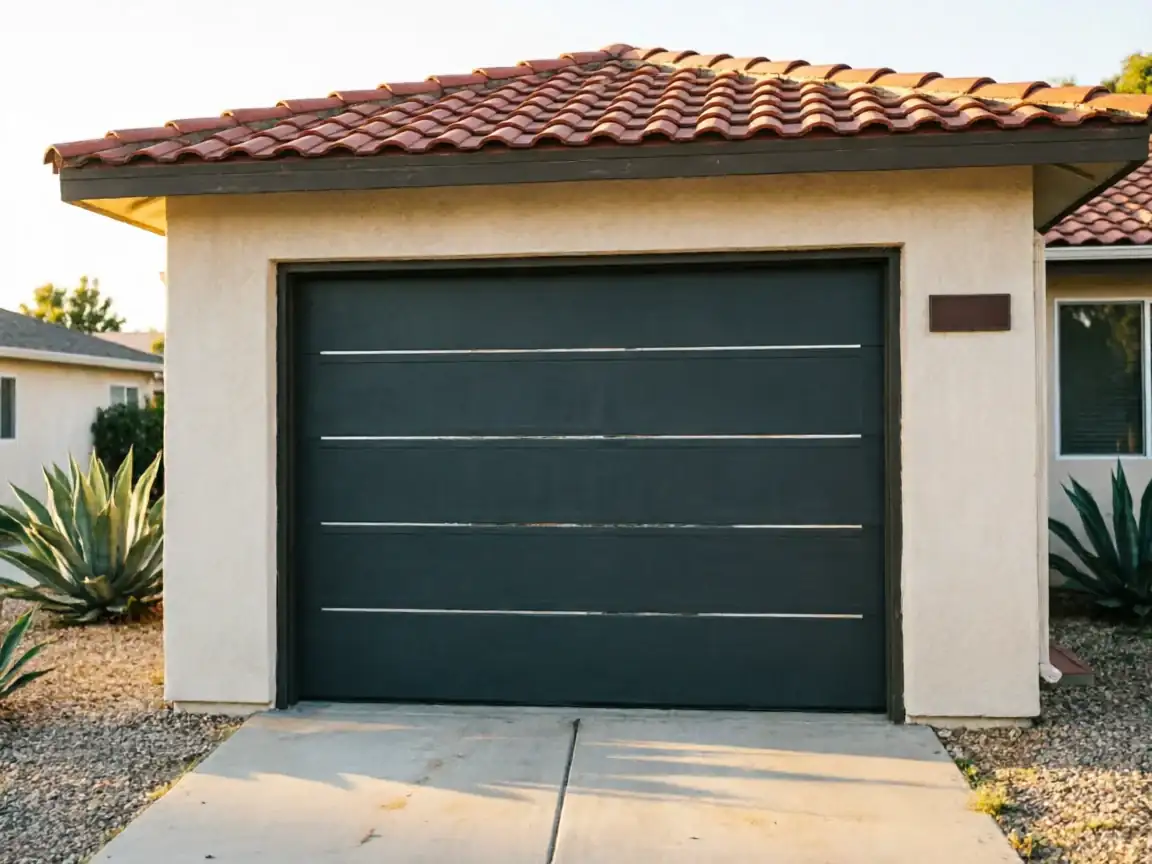
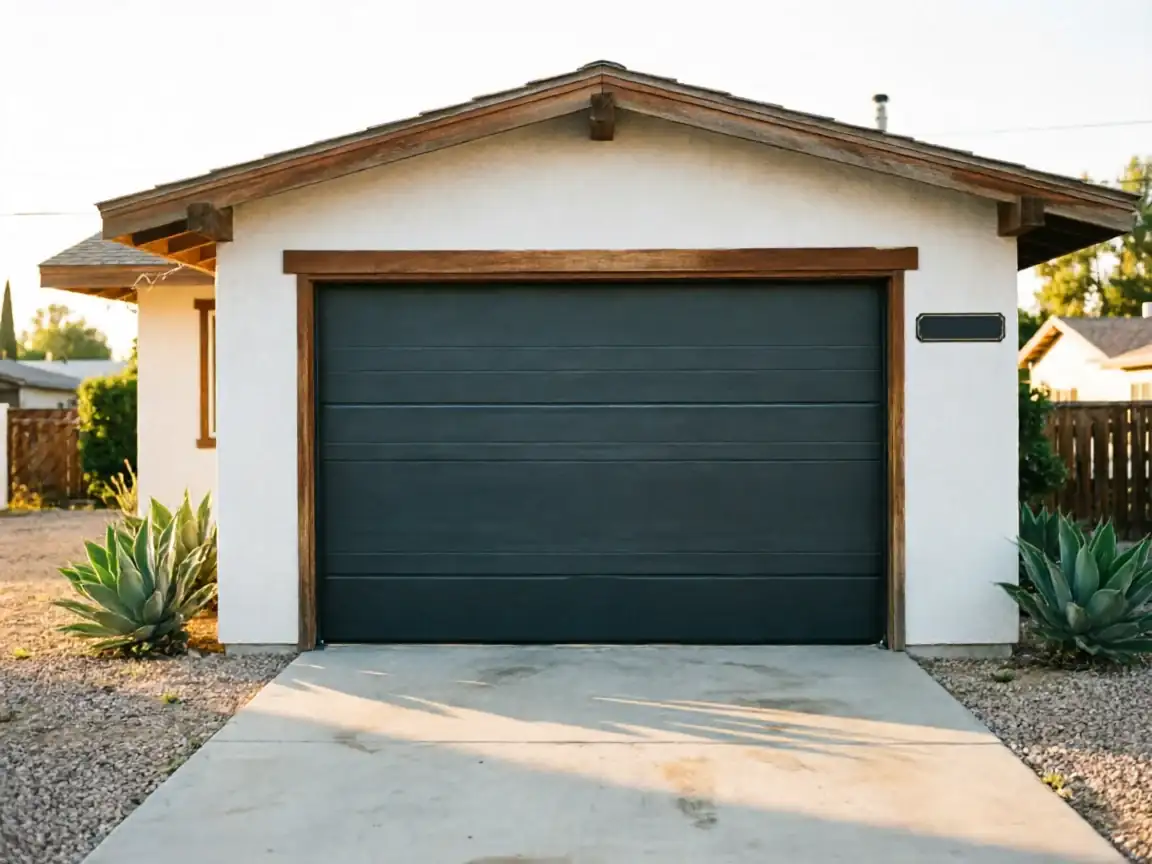
Given the income profile in Blackhawk, most installs we quote here aren't the cheapest steel panel on the shelf. Homeowners tend to go for insulated doors with a wood-look overlay or glass inserts, which changes the install: heavier panels mean the torsion spring has to be sized up, and the opener needs enough lift capacity to handle the extra weight without straining.
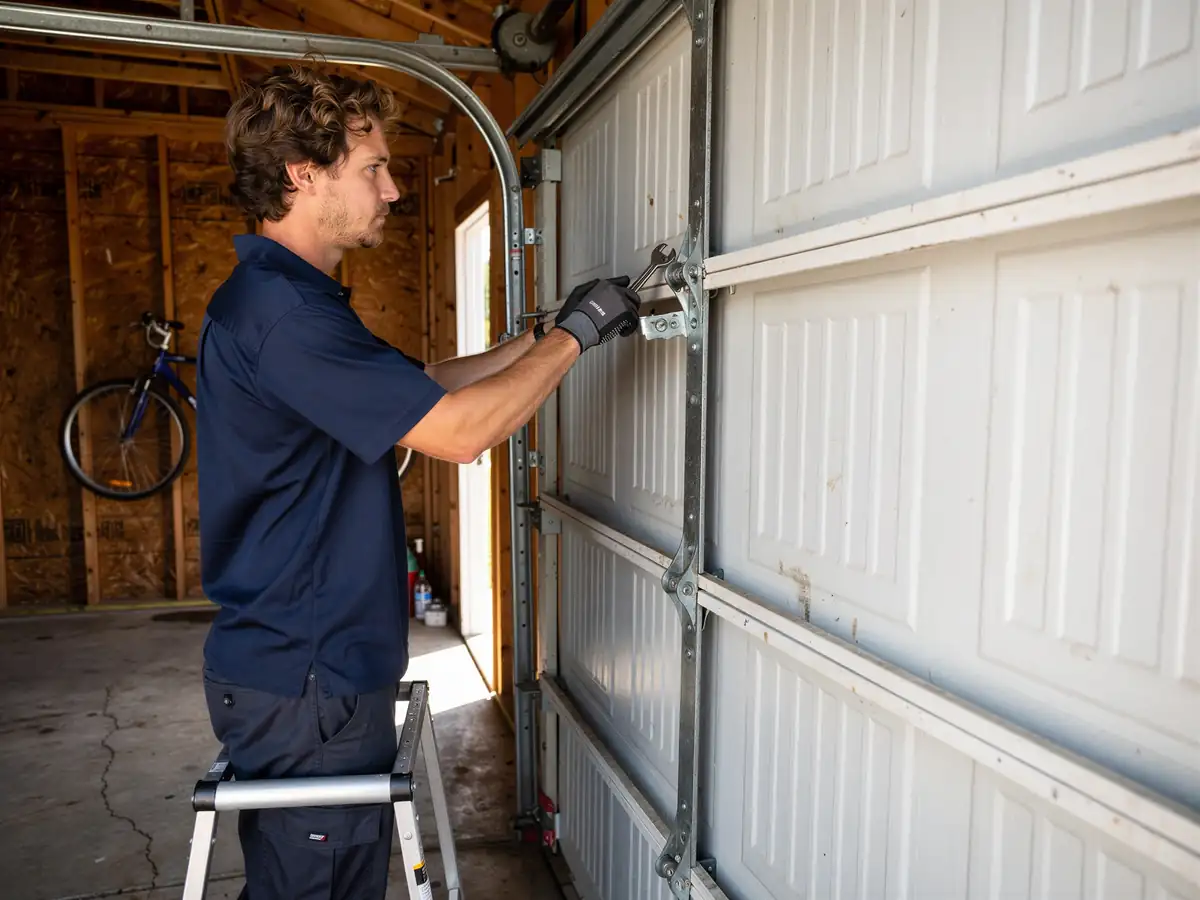
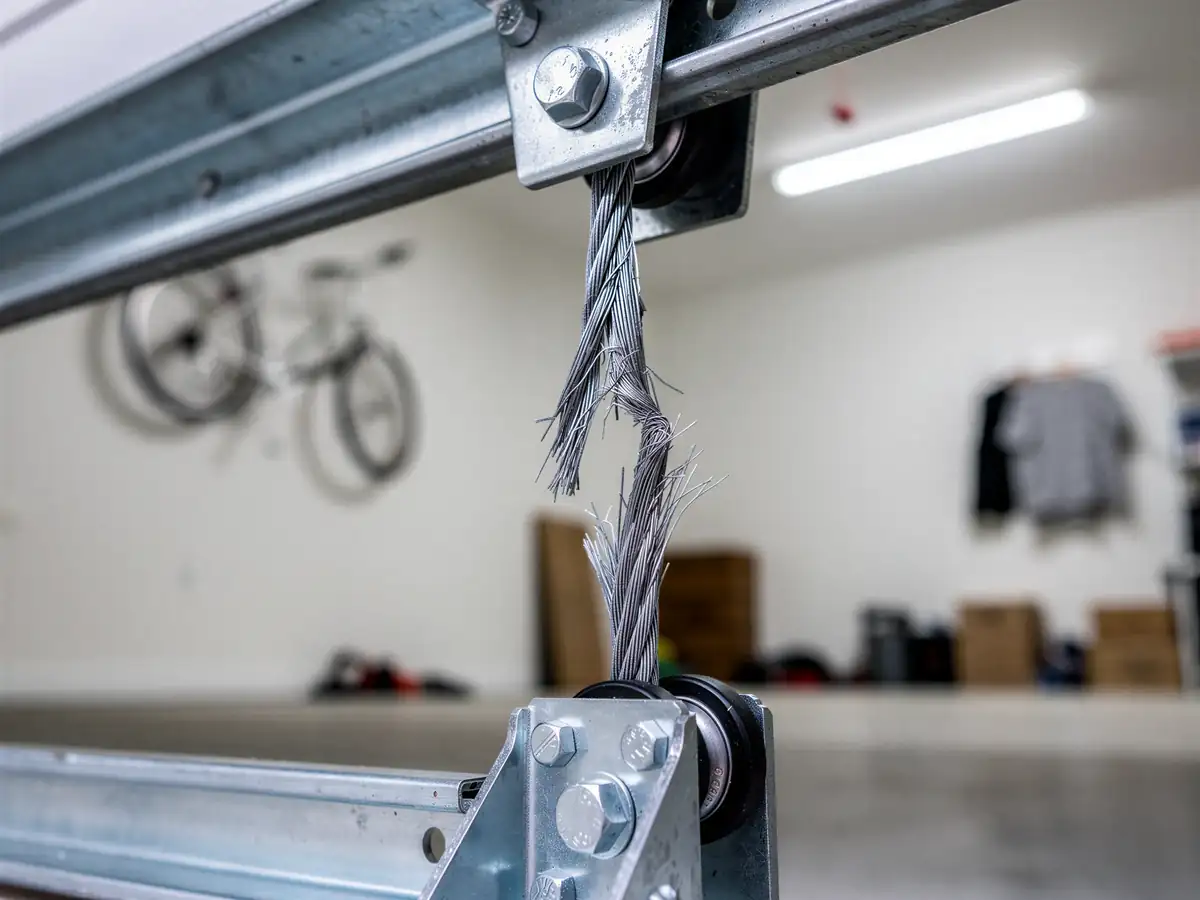
Expect the old opener and door to come down first, full hardware replacement - track, rollers, cables, springs - and a new opener matched to the door's actual weight once it's hung. That's the honest scope. A same-day panel swap on top of thirty-year-old track is a shortcut that costs more later.
Stocked Parts
Standard torsion springs, steel rollers, cable, and track sections for common residential openings are stock items on the truck
That covers most of what a late-1980s door needs. Openers in common lift-capacity ranges are stocked too.
Where it gets slower
Specialty insulated panels with a wood-look finish or custom glass inserts, the kind a lot of Blackhawk homeowners choose, are often special-order from the manufacturer rather than something we carry. That's the honest limitation here - if you want a higher-end look rather than a standard steel panel, the install date depends on the supplier, not on us. We'll give you a real timeline once we know the door you want, not an optimistic one up front.
Booking a Visit
We work out of San Ramon and come to Blackhawk as part of the regular route, about three miles each way. There's no separate branch here, so scheduling runs through the same booking as the rest of the area. If your door is still functioning but acting worn, it's worth a look at garage door repair in Blackhawk first to see if a repair buys you more time before a full install.
If you're past that point, or you've already decided the original 1988 door and opener need to go, a visit gets you a measured quote based on your actual opening and the door you want, not a phone estimate. For the full rundown of what we install and how we price it across San Ramon and the surrounding towns, see new garage door installation in San Ramon.
Can You Do This Yourself
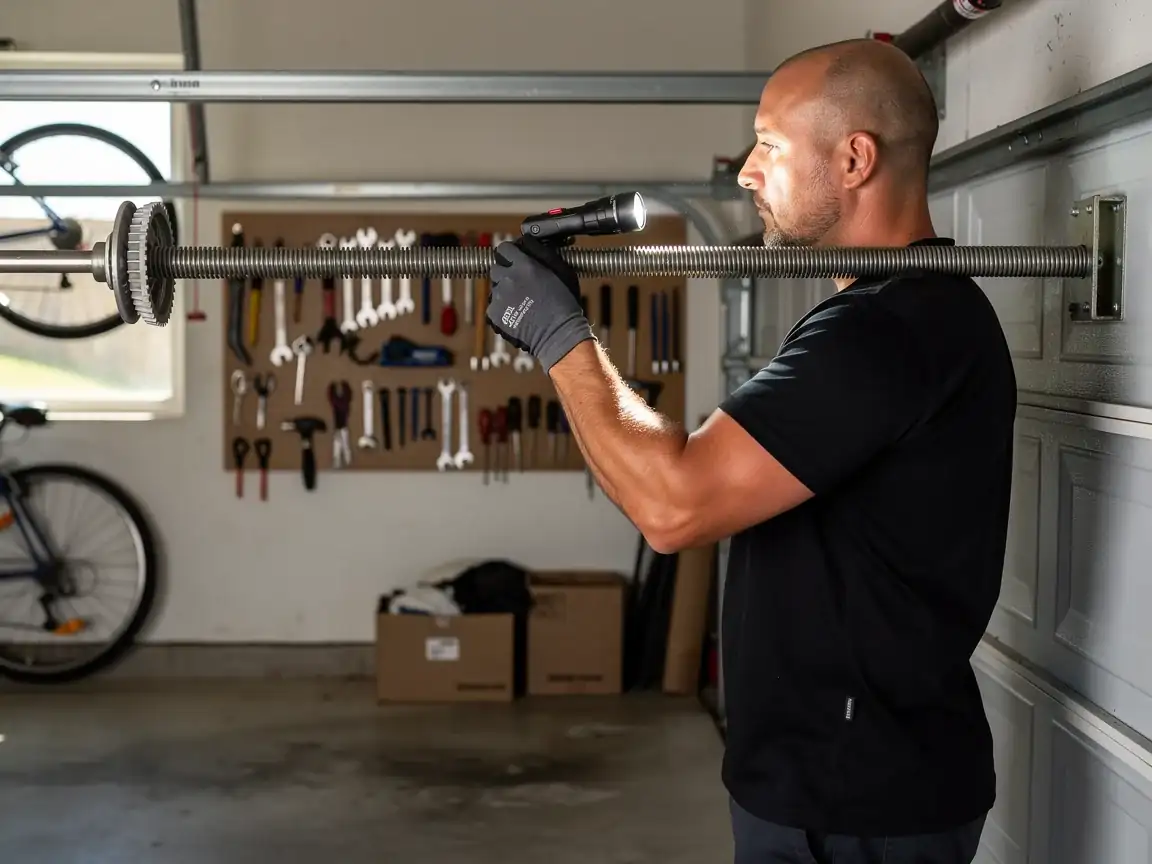
Swapping rollers or tightening a track bracket is within reach for a handy homeowner. Replacing the door itself, or the torsion spring behind it, isn't a weekend project worth the risk. A wound torsion spring on a door this age carries enough stored force to break a bone or worse if the winding bar slips, and on an original 1988 setup you often can't tell by looking how much tension is actually in it.
The honest answer is this: if the job is cosmetic - weatherstripping, a bent panel edge - do it yourself if you're comfortable. If it involves the spring, the opener's lift mechanism, or swapping the whole door, call it in. The cost of getting it wrong is higher than the cost of the visit.