Where This Job Goes Sideways
Blackhawk sits about three miles from our shop in San Ramon
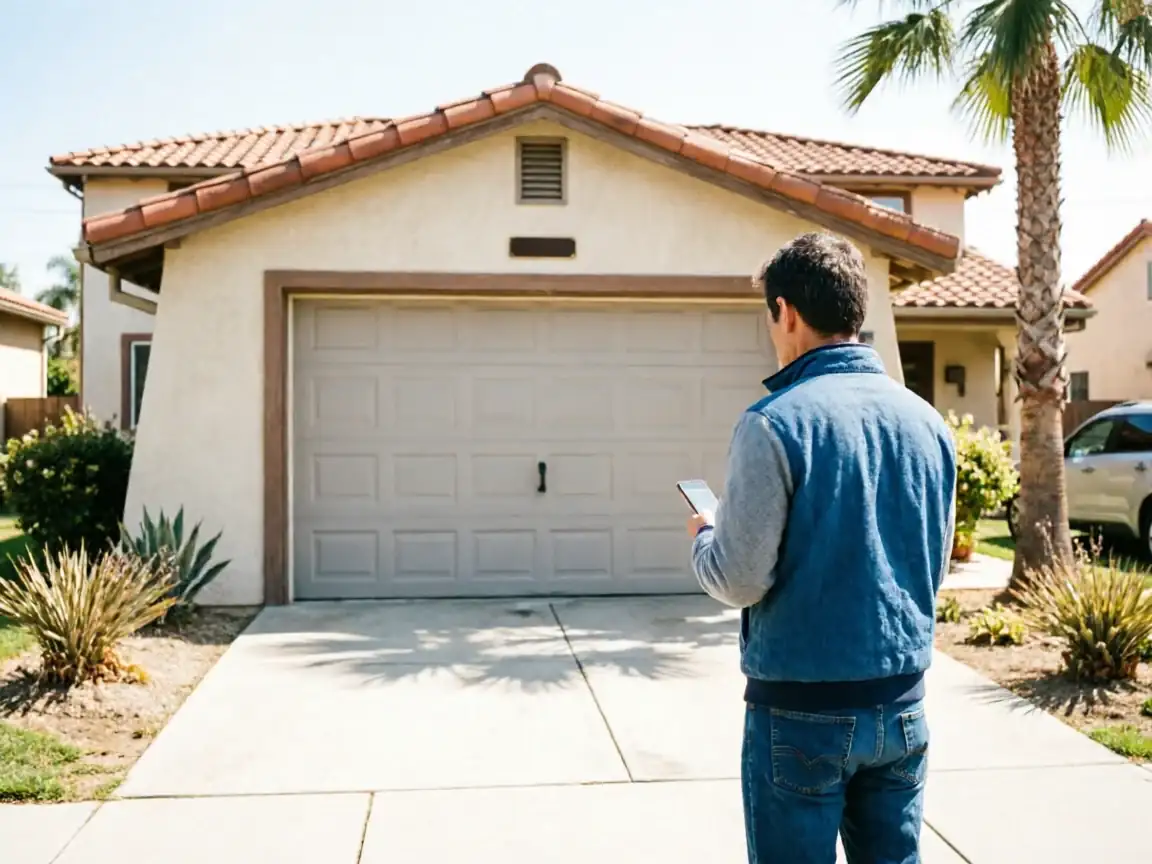
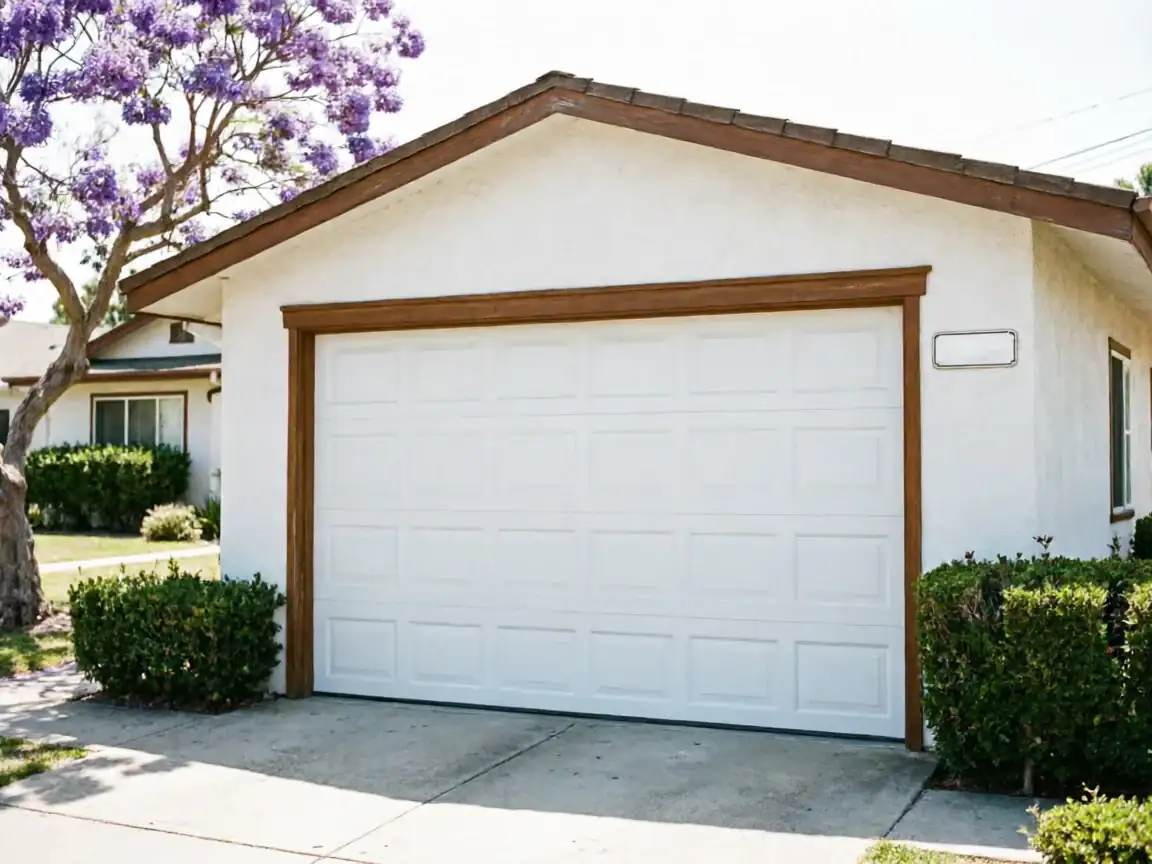
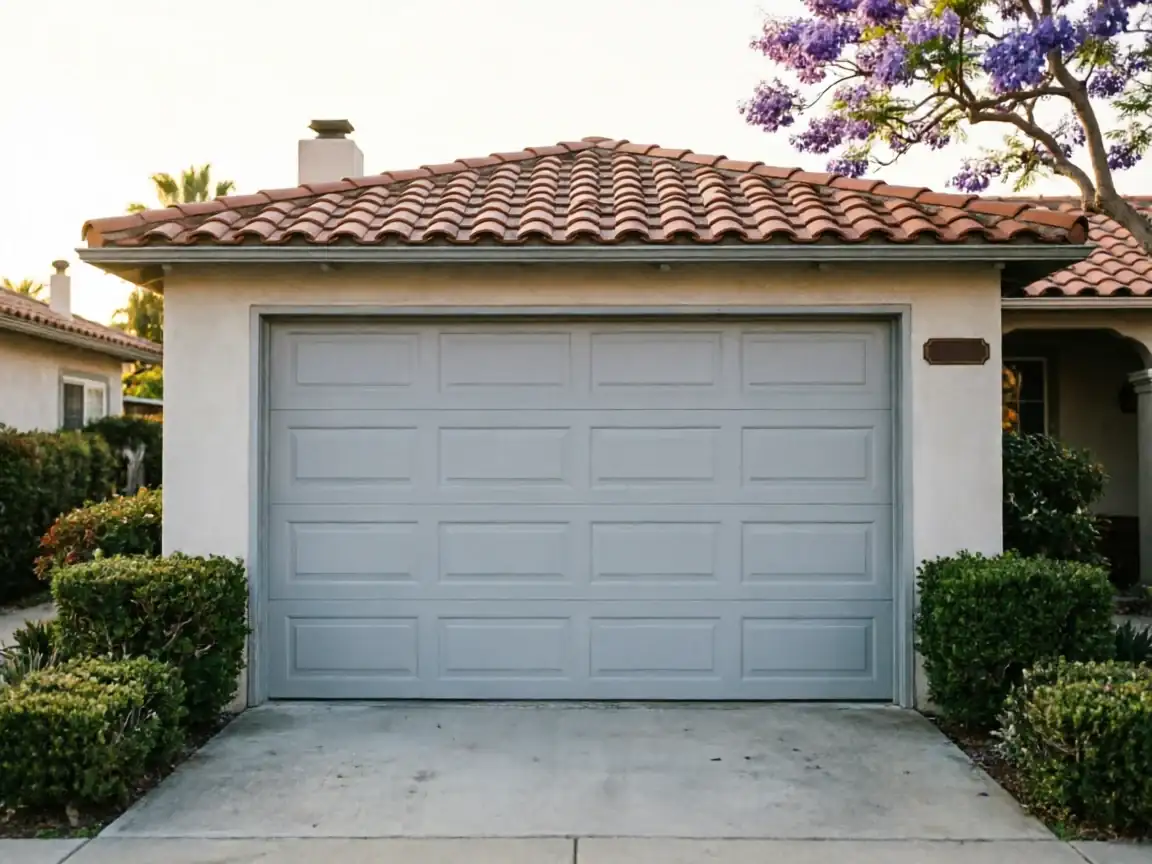
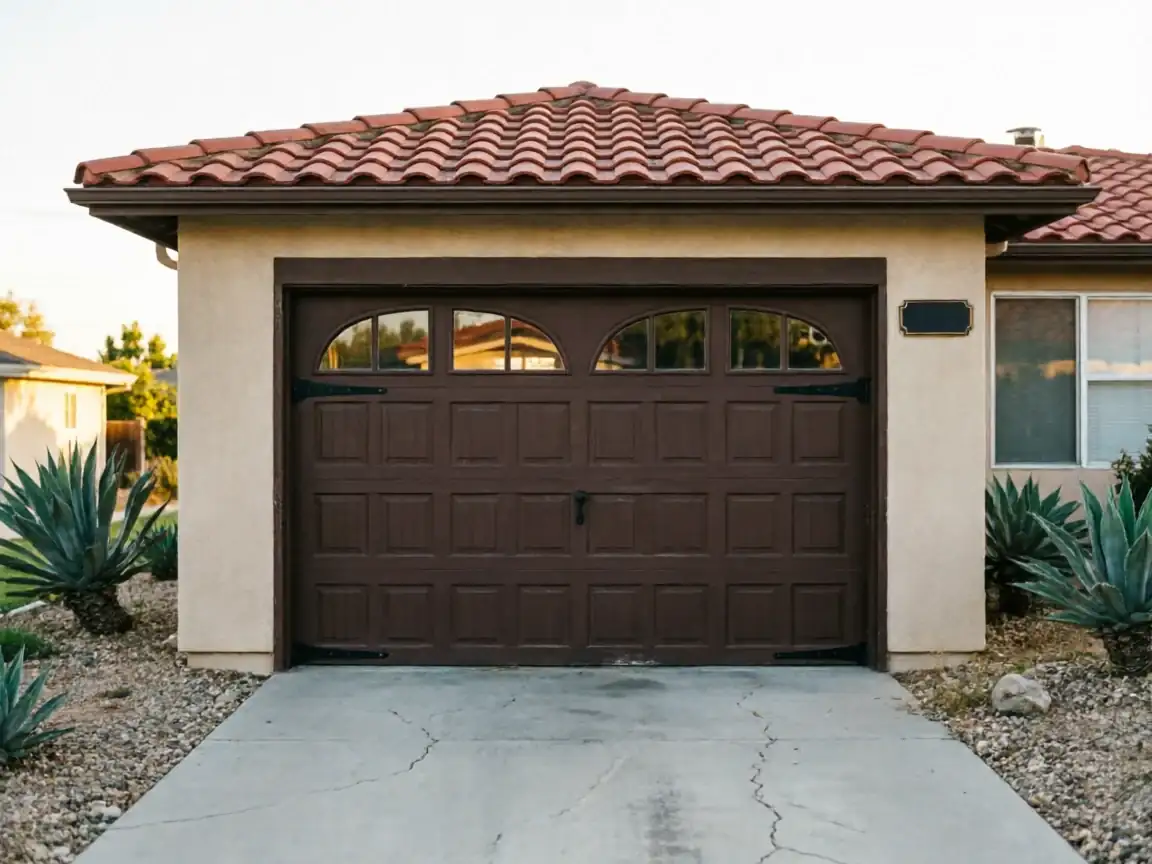
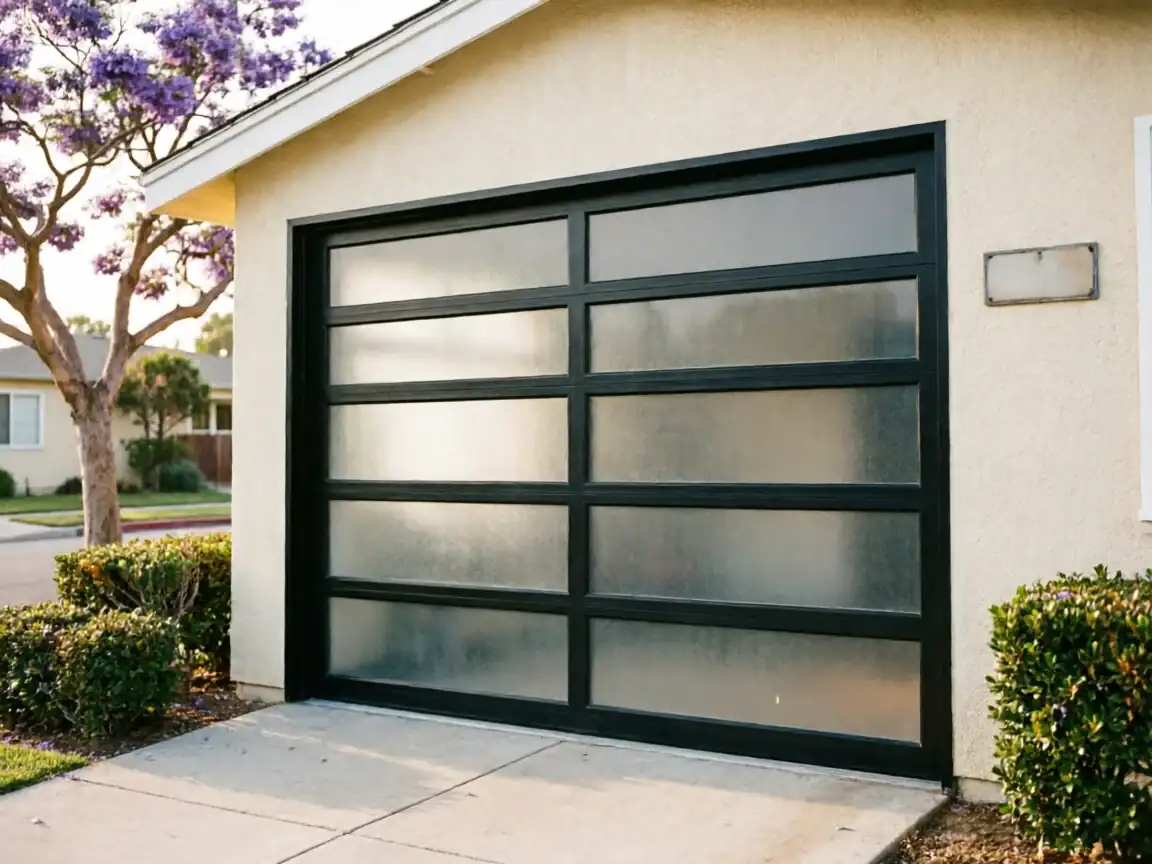
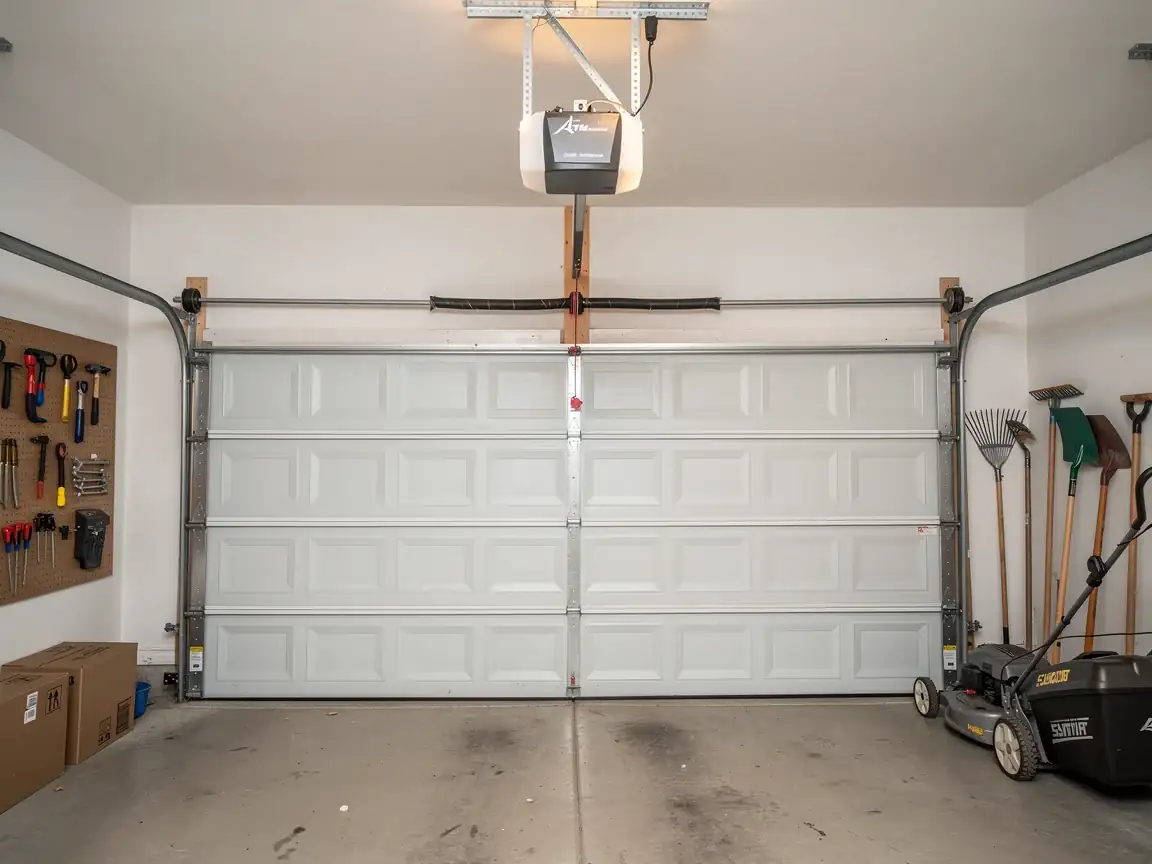
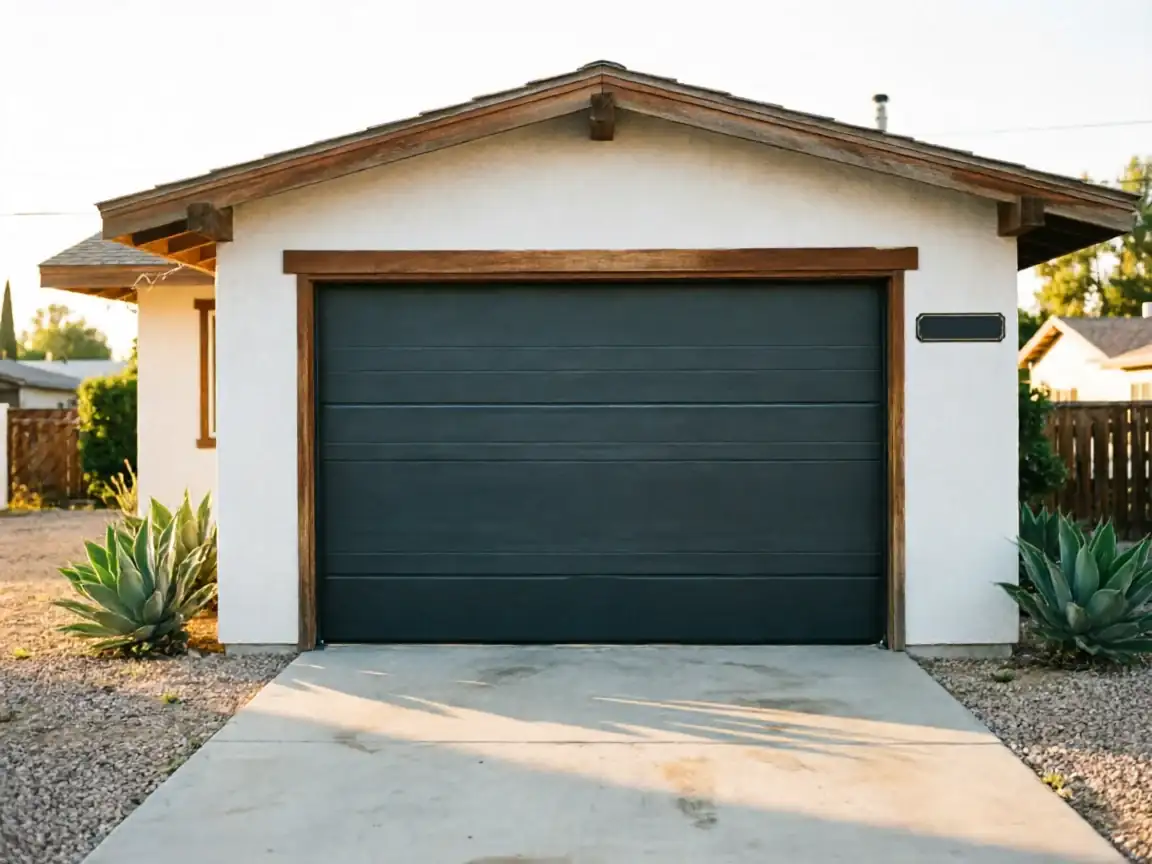
Which is close enough that we're not guessing at what's on the truck before we leave. That matters here more than it does in some of the older parts of the service area, because what comes off-track in Blackhawk is not the same hardware we're pulling out of houses built in the 1950s and 60s elsewhere in the territory. Most of this neighborhood went up around 1988, and that means taller, wider door openings - two-car and sometimes oversized single doors on longer horizontal track runs, carrying more panel weight than the older stock nearby.
A short drive sounds like a small thing, but it changes how the call actually goes
We're not deciding between two different parts kits based on a guess about the house's age - three miles out, we already know roughly what era of track and hinge hardware we're walking into, and we load for it before we leave San Ramon. That's less time standing at the truck mid-job and more time actually getting the door back on track.
The Symptom
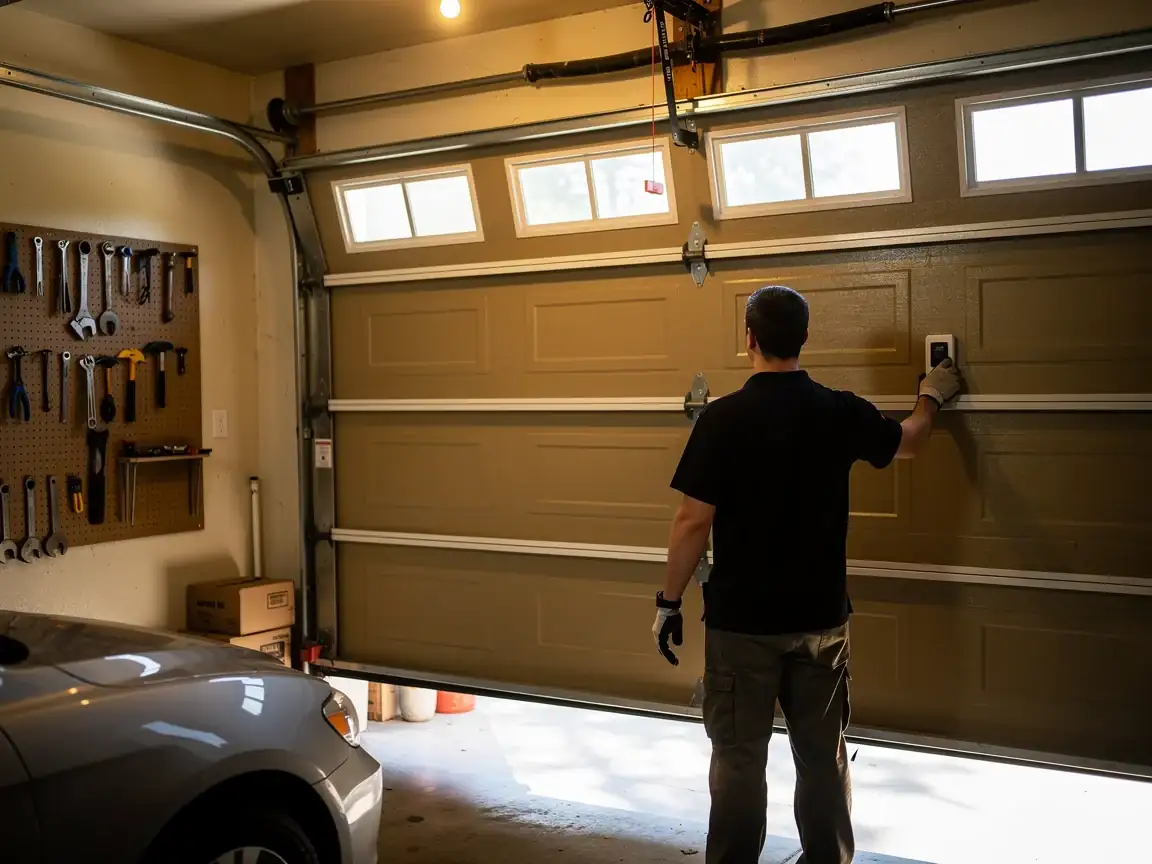
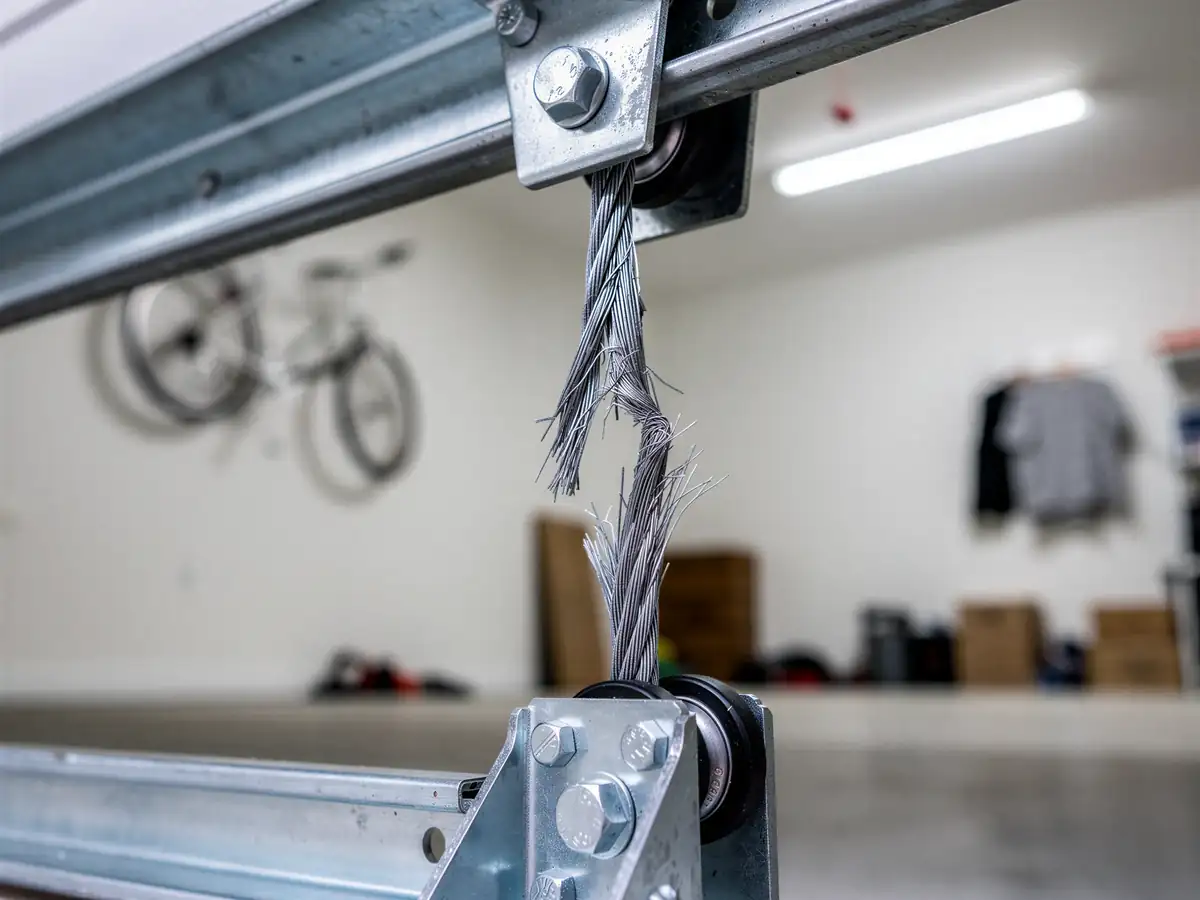
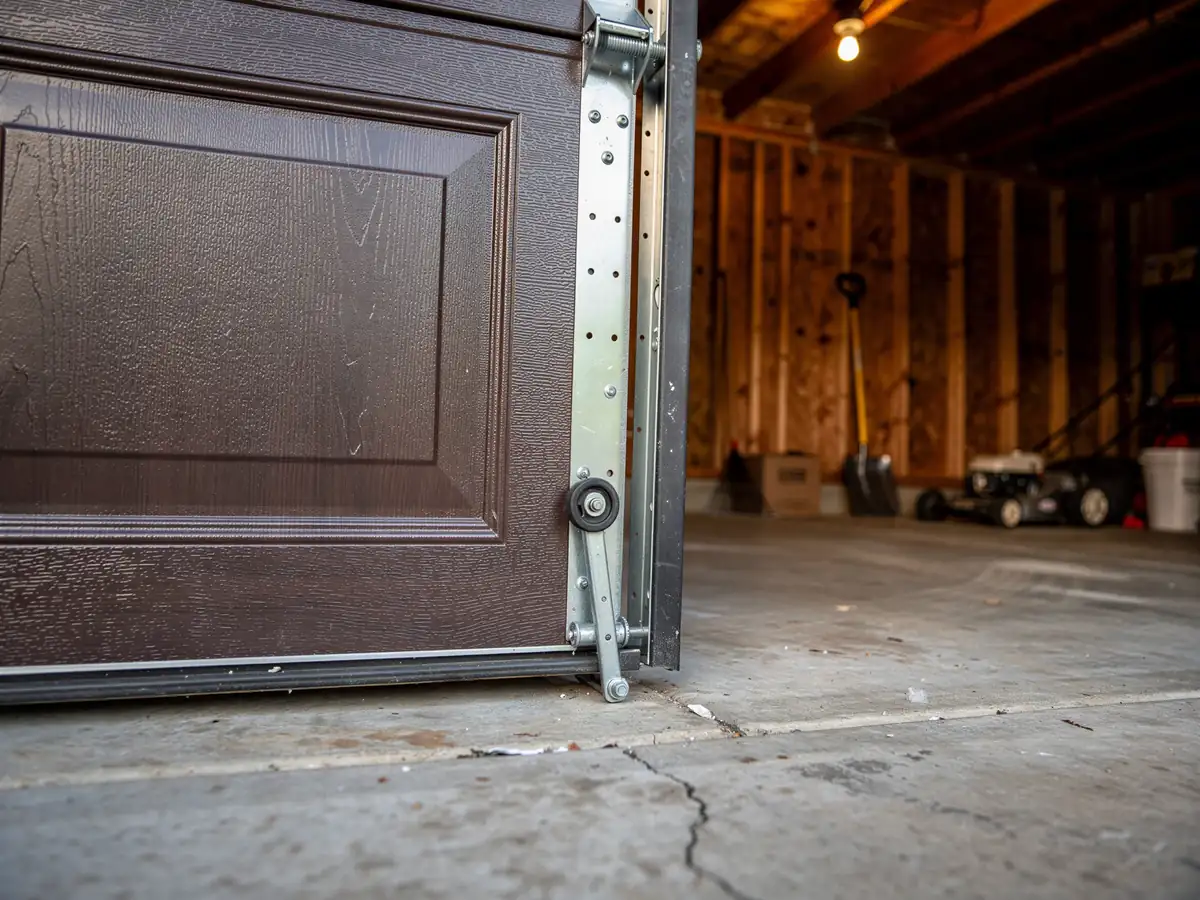
On a late-1980s door, off-track usually shows up one of two ways. Either a roller has jumped the horizontal track where it curves into the vertical section - common on the longer runs these wider openings use - or the door has racked sideways because one cable slipped a drum while the other held, pulling the bottom panel out of square. Either way, you'll see a visible gap between the roller and the track, or the door sitting crooked in the opening instead of flush.
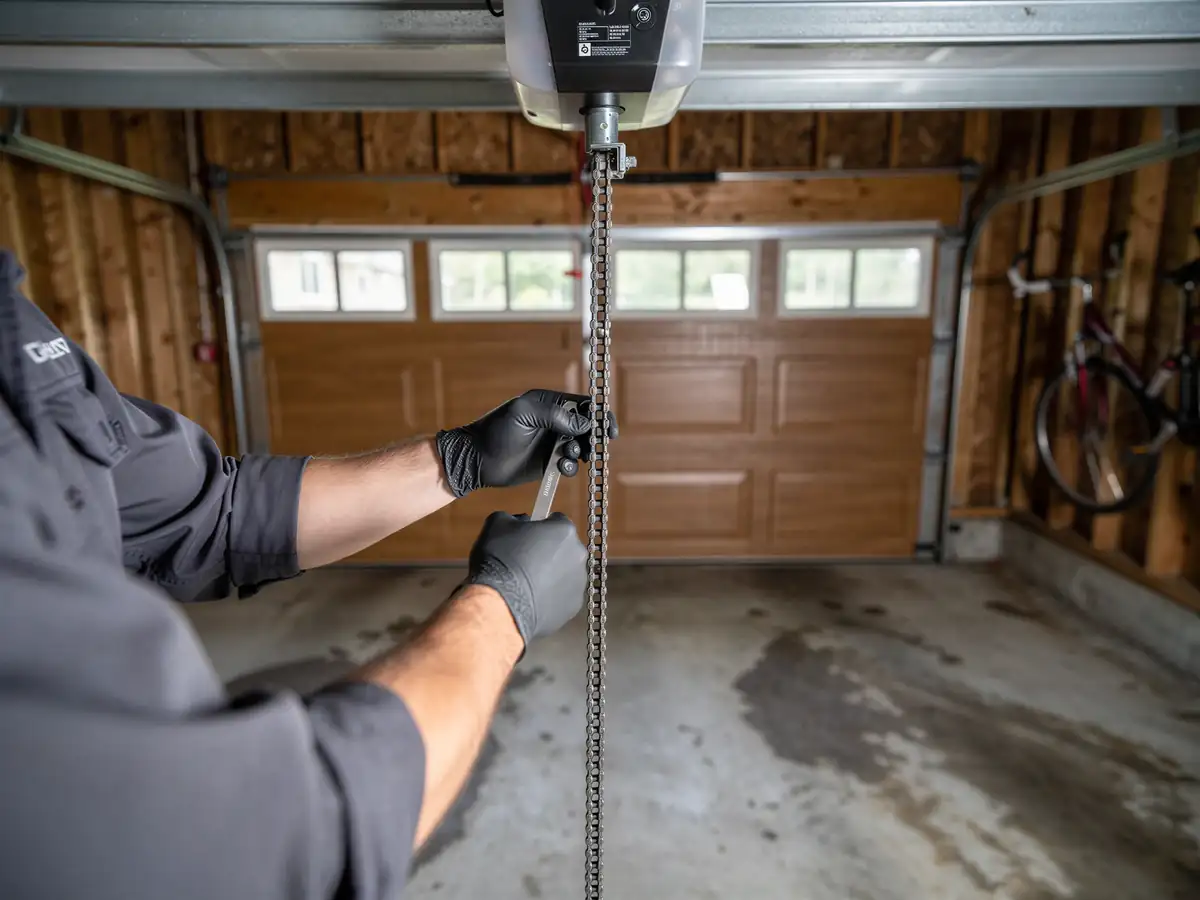
Don't keep hitting the opener button. On a heavier door, forcing a motor against a jumped roller or a racked panel usually bends the track further or tears the bracket loose from the jamb, which turns a track repair into a track-and-panel repair. Pull the release cord, shut the opener off at the wall, and leave the door where it sits until someone's looked at it.
What the Repair Takes
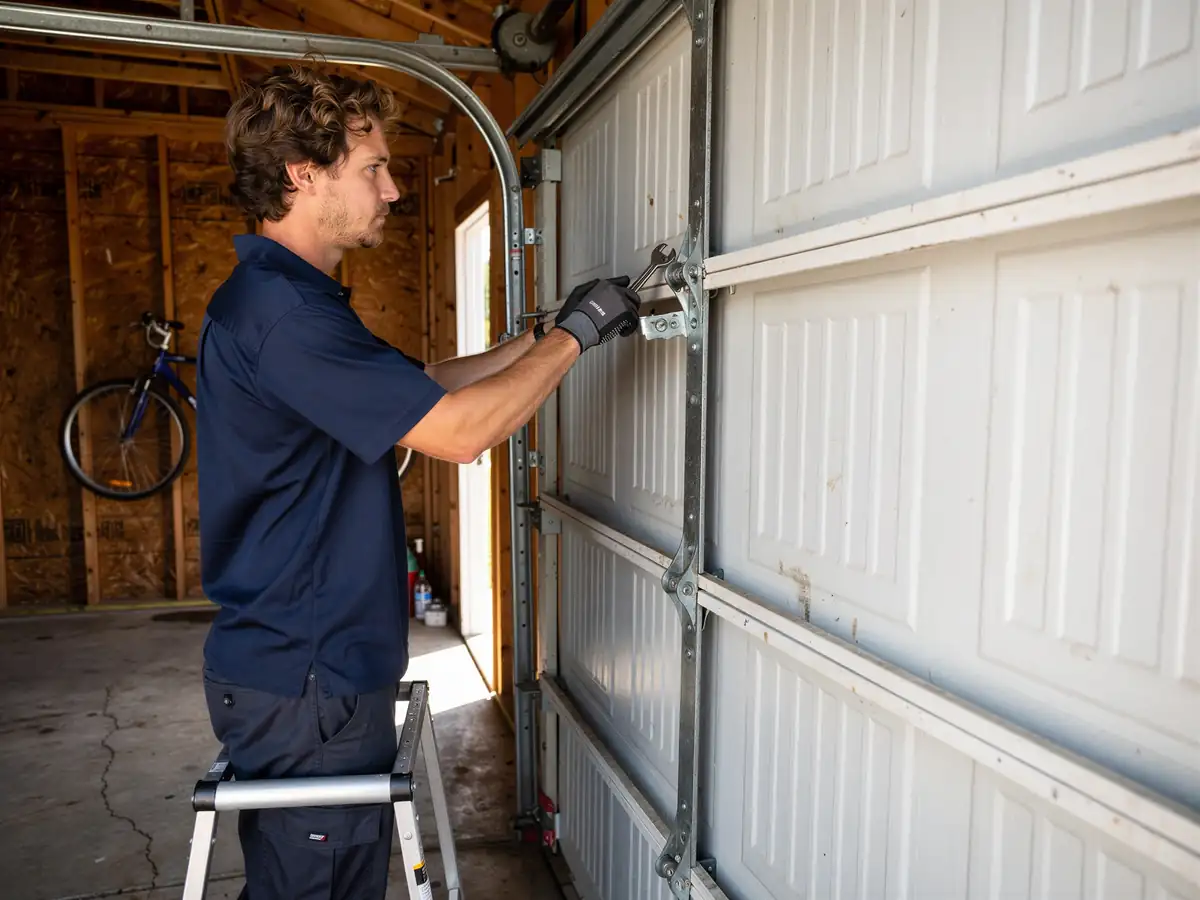
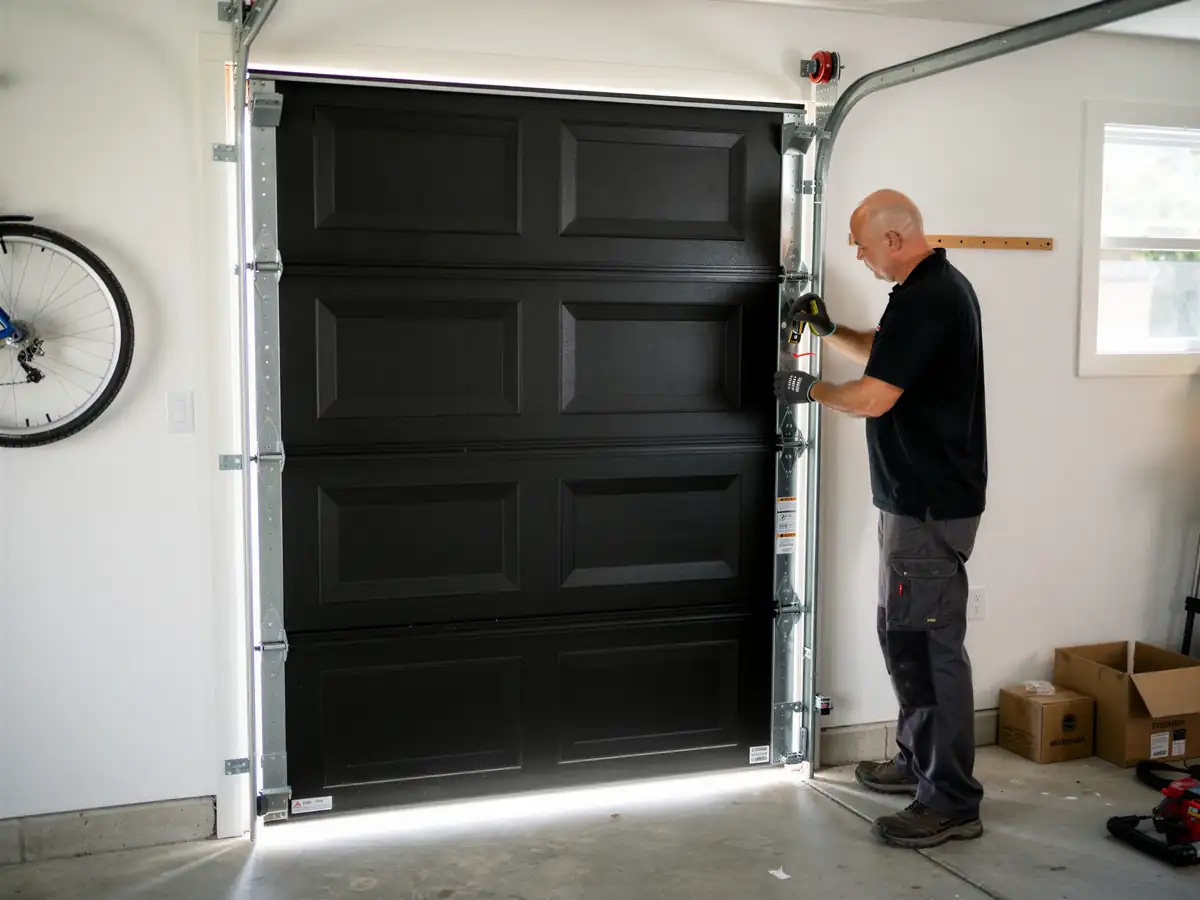
Re-seating a jumped roller on track that's still straight is a short job - loosen the bent section, guide the roller back into the channel, and check the whole run for level before anyone touches the opener again. A racked door from a slipped cable takes longer: the door has to come back into square, the cable re-seated and tensioned evenly against its mate, and the track checked for any flex it picked up while the door was fighting it.
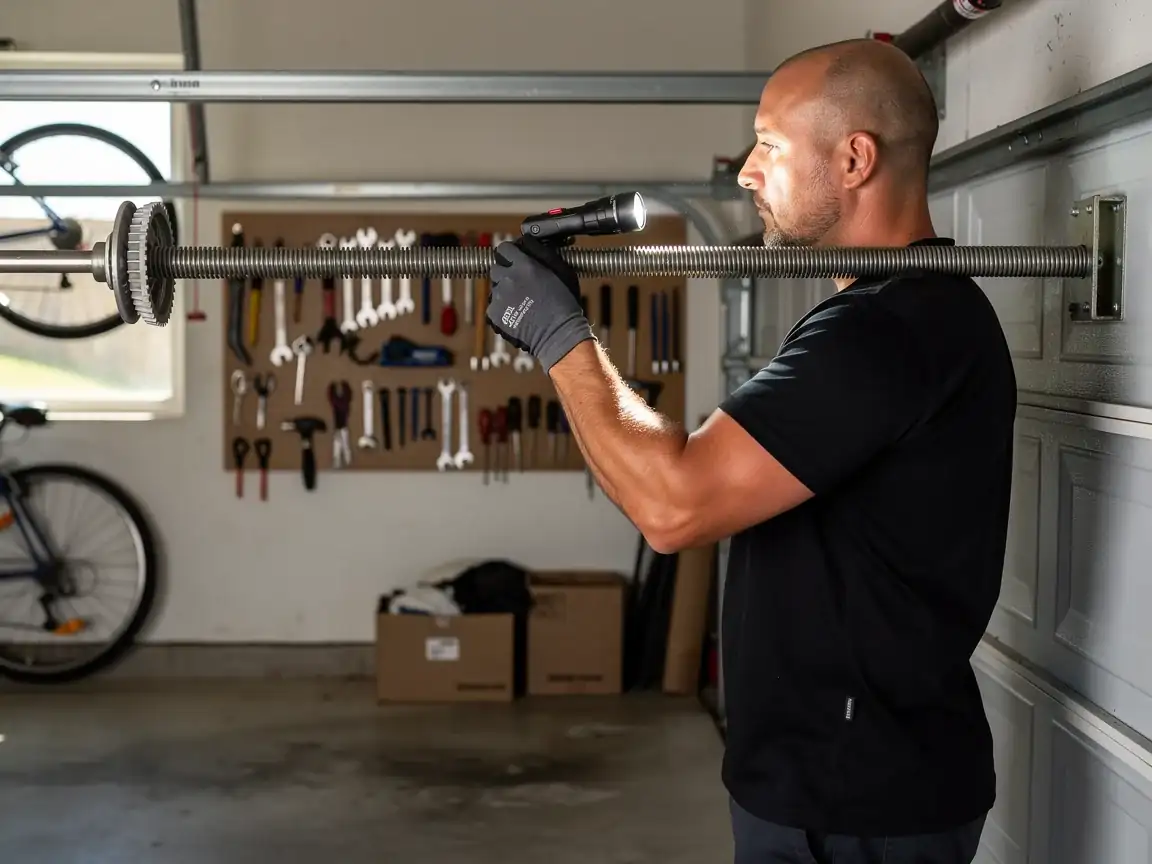
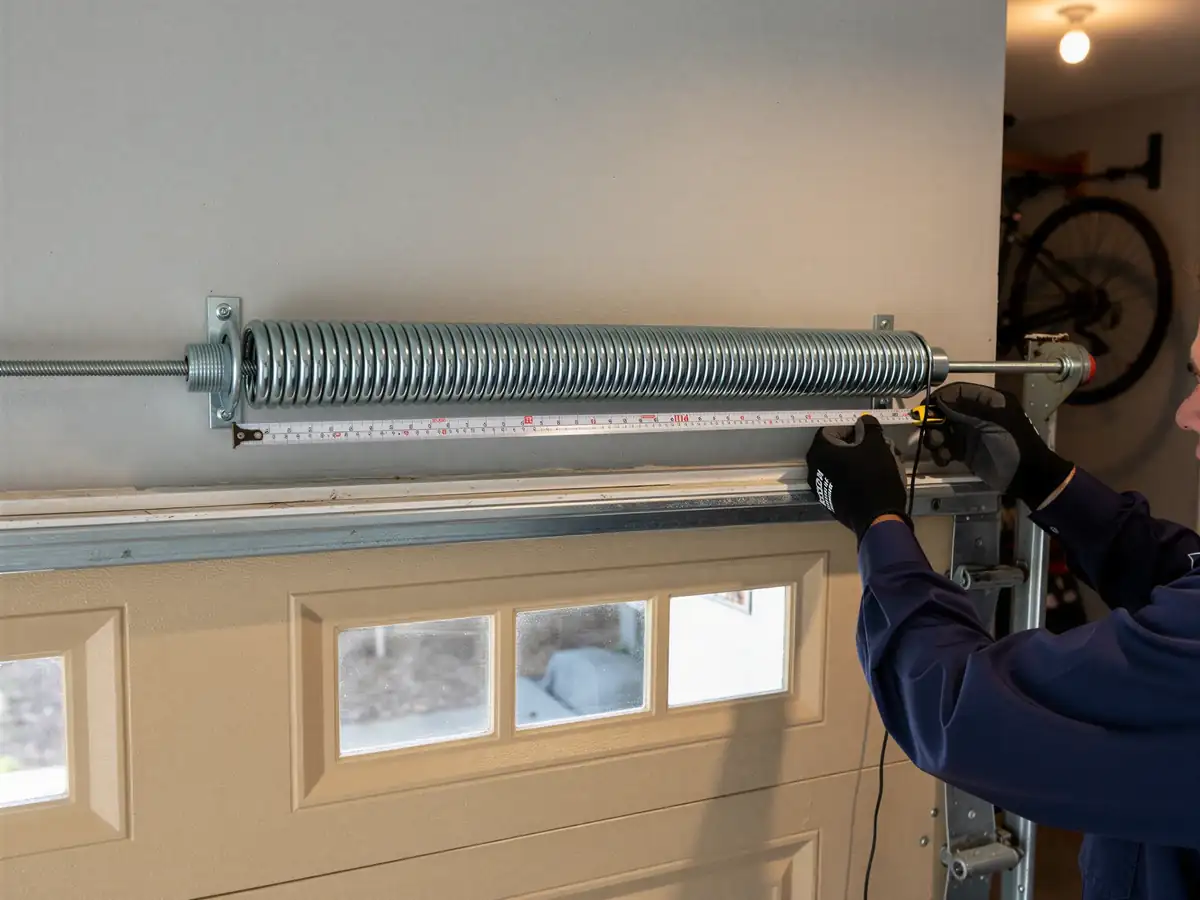
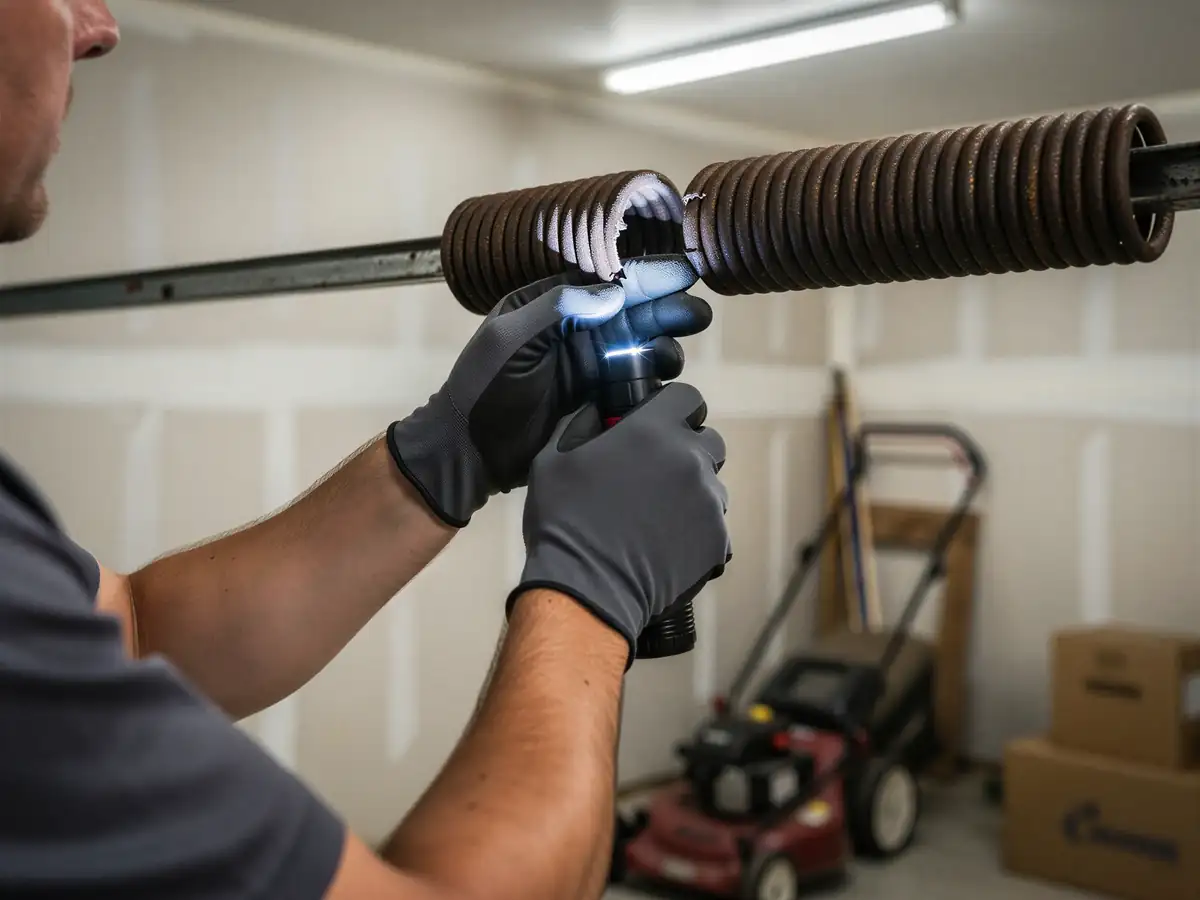
On these wider Blackhawk openings, the spring system usually carries more load than the smaller single-car doors elsewhere in the area, so we also check spring tension while we're in there - a cable that slipped because the spring was already undersized for the door will just slip again.
Booking a Visit
Call it in and tell us whether the door is sitting crooked, has a visible gap at the track, or just won't move - that's enough for us to load the right rollers, cable, and track stock for a Blackhawk-era door before the truck leaves San Ramon. You can also start from our Blackhawk garage door repair page if you want the fuller rundown of what we cover in the area, or check off-track repair details for San Ramon if you want the general version of this job.
Can You Do This Yourself
If the door is off-track and the opener is already disconnected, leave it there. These are spring-loaded, heavier doors on longer track runs, and a cable under tension or a bent track section can let go fast once someone starts pulling on it without the right clamps. There isn't a safe version of forcing a double-car door back into its track by hand. The one thing worth checking yourself before you call: whether the gap is at the horizontal track up top or down at the bottom rollers, since that's the first question we'll ask and it saves a few minutes on-site.