What Causes It Around Here
The door that jumps its track in a Newark garage almost always traces back to the same thing
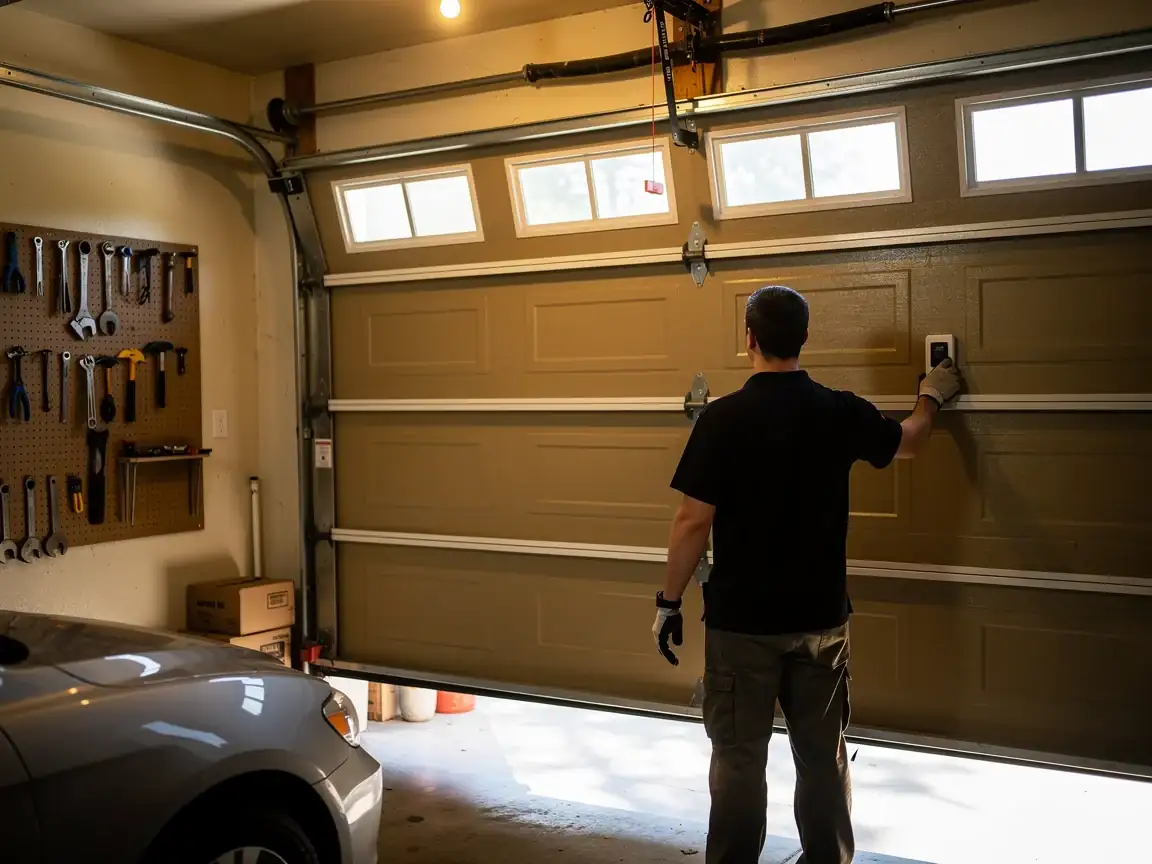
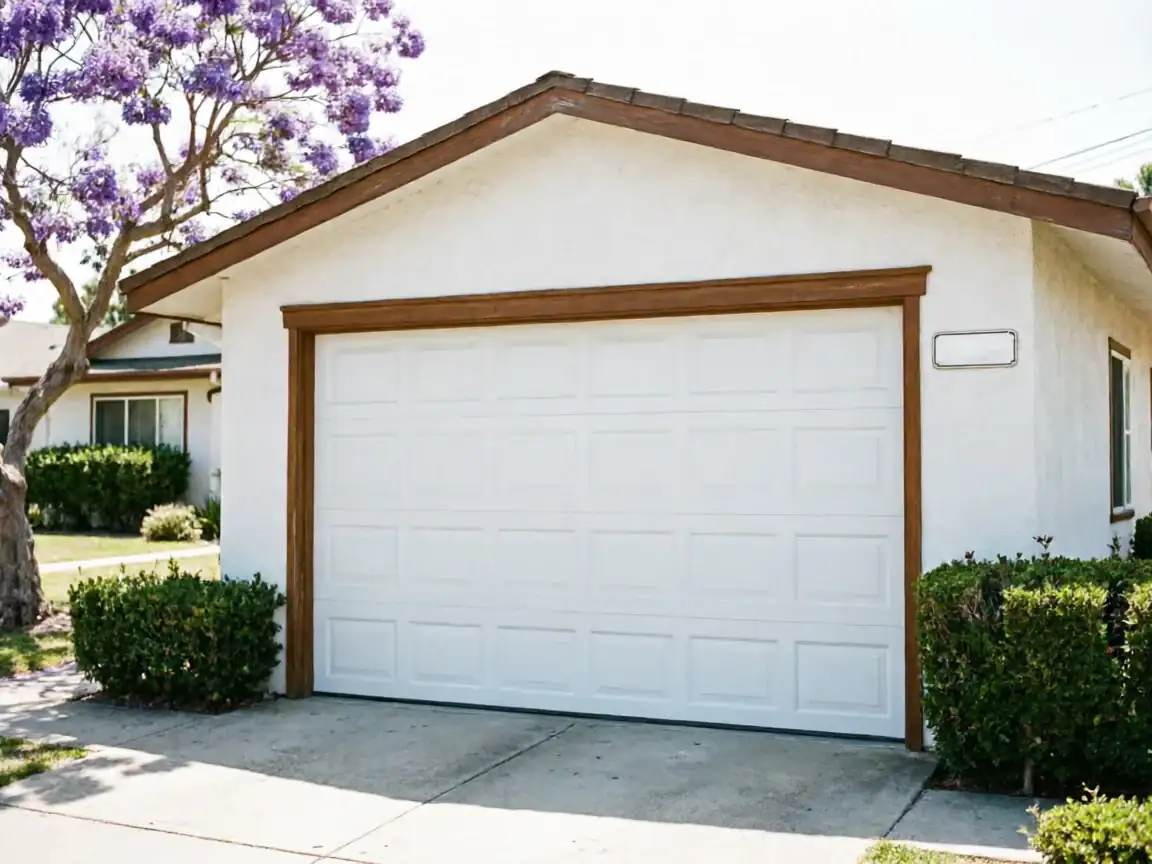
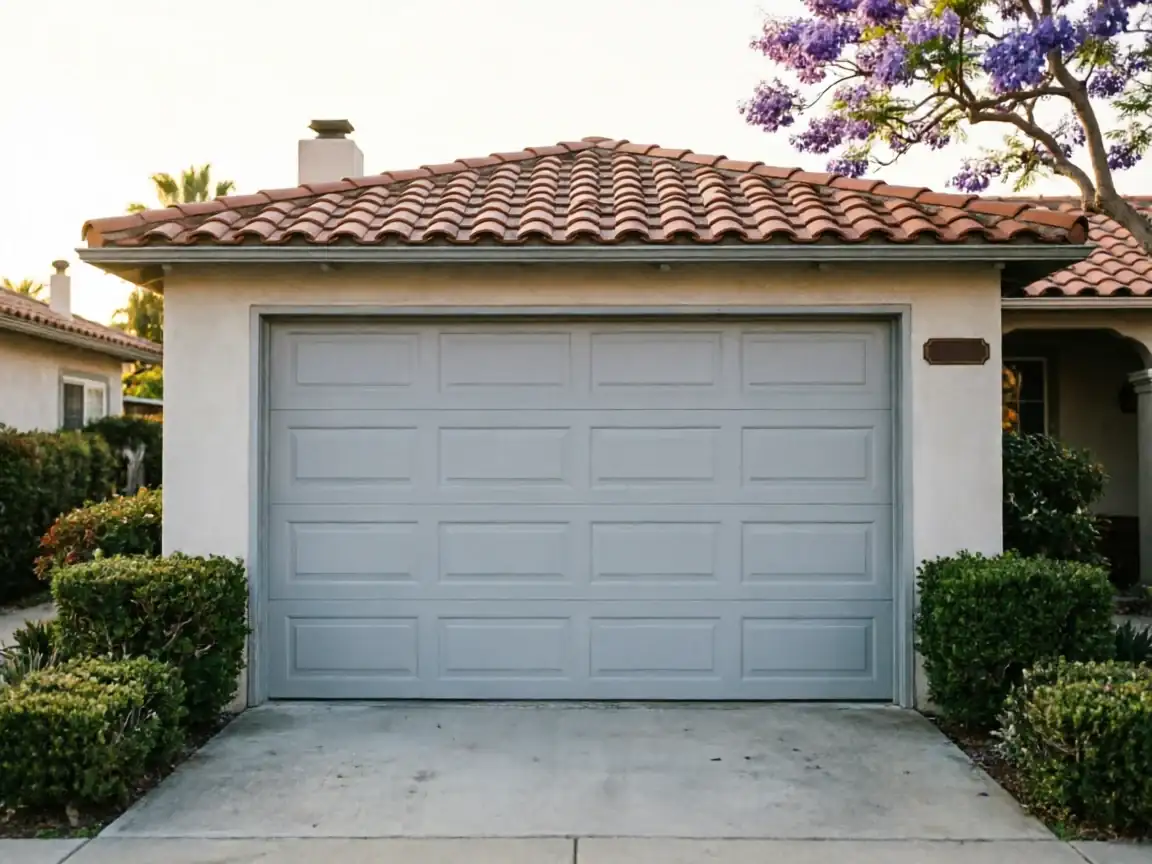
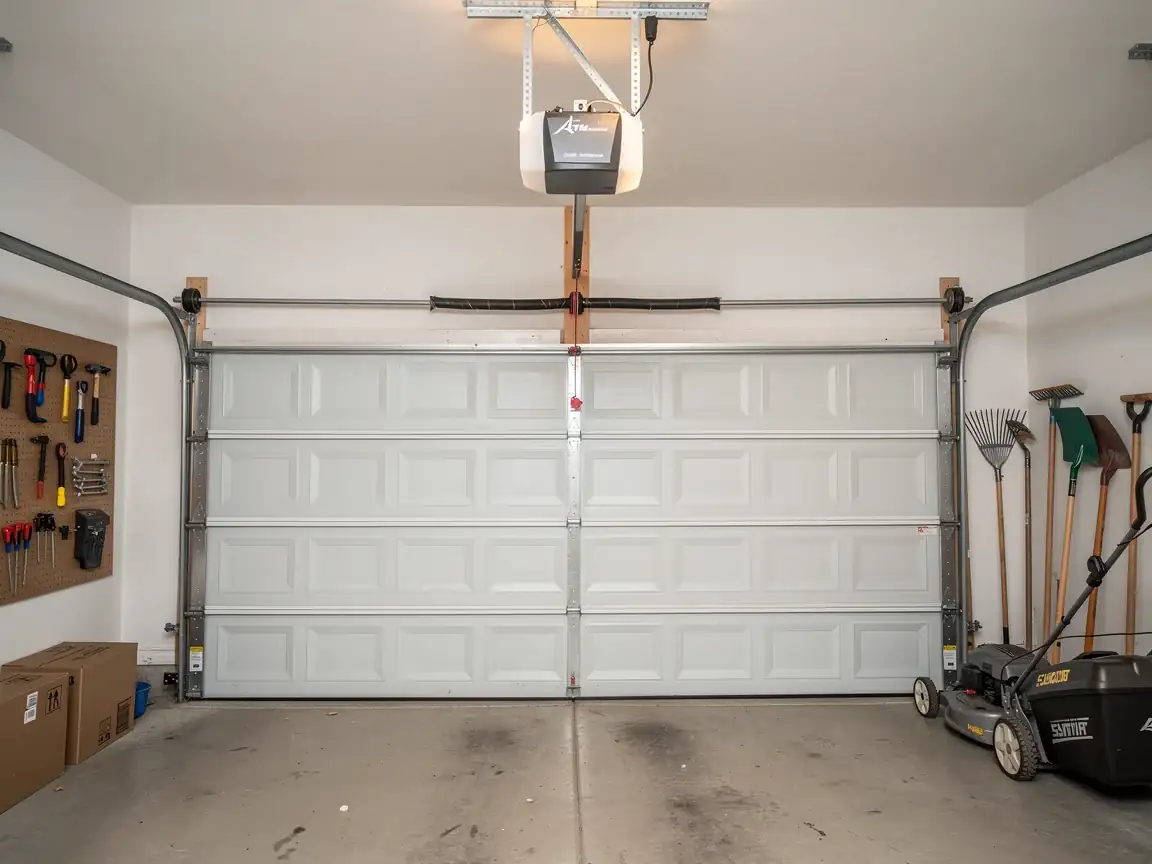
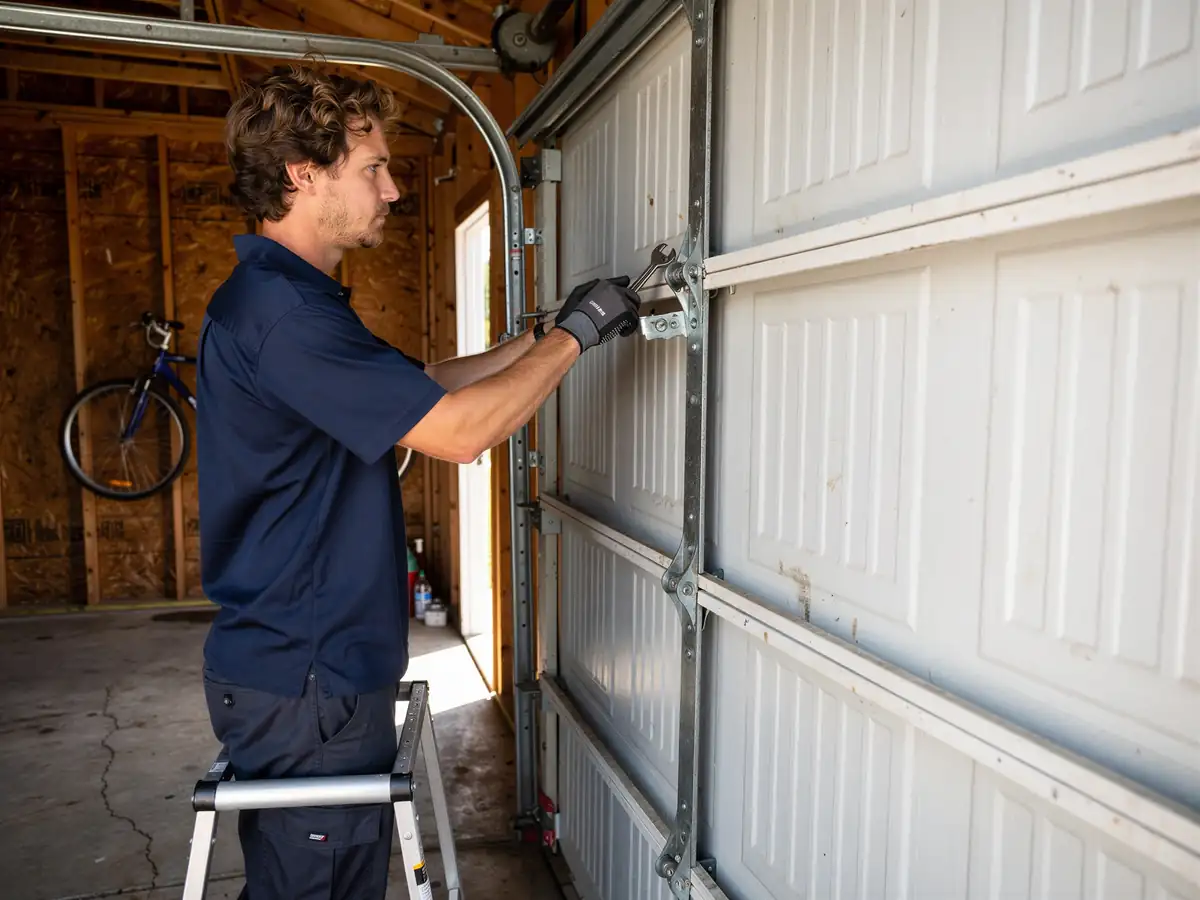
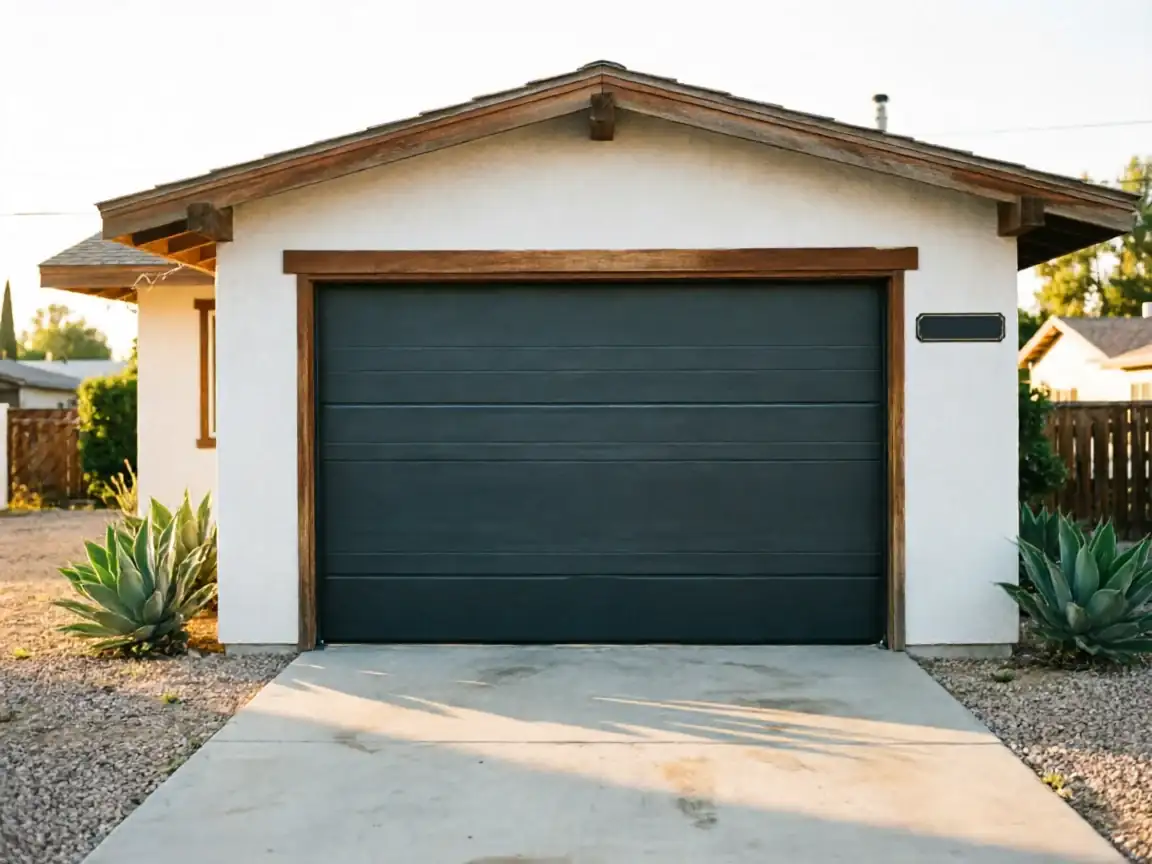
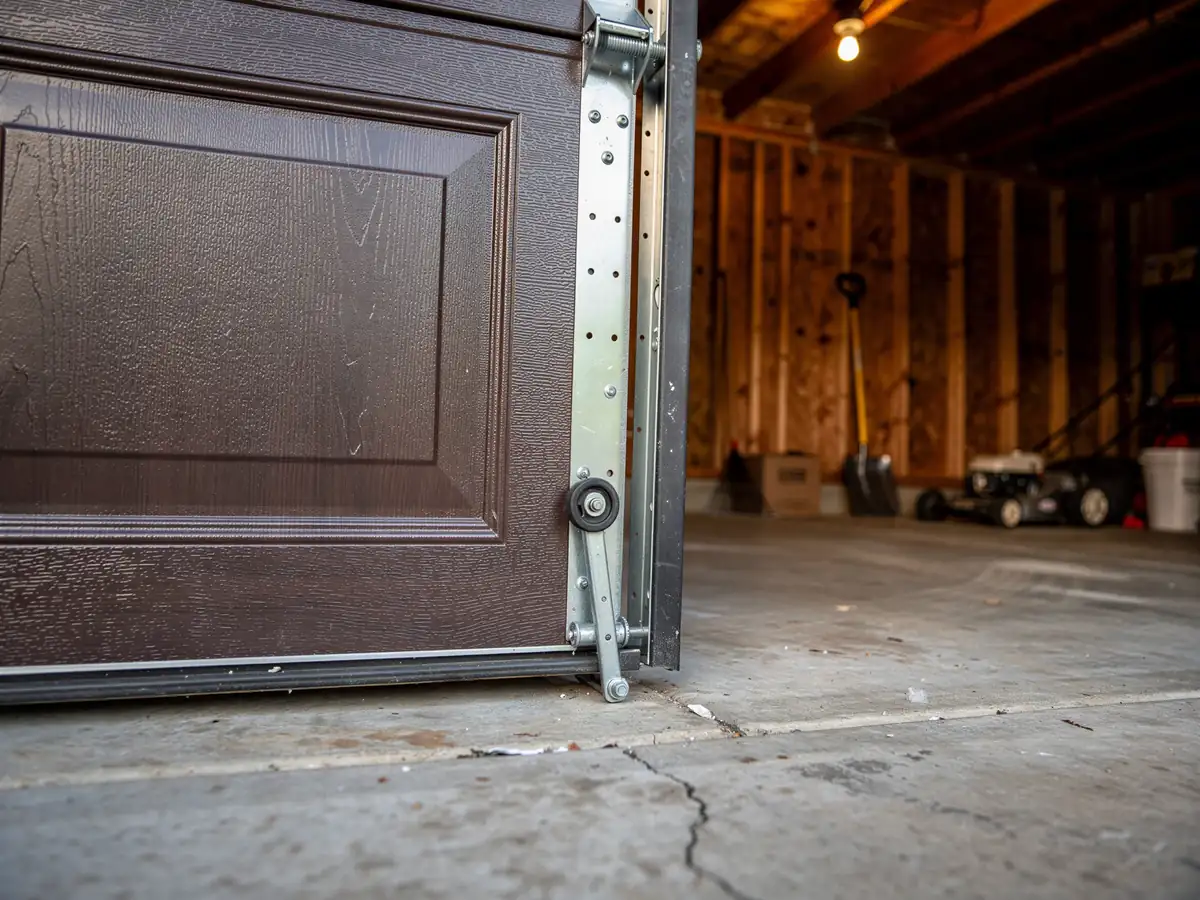
A bent track bracket, not a mystery. Most houses in this pocket of the service area went up around 1975, which means galvanized steel tracks mounted with lag screws straight into framing that's shifted a little every year since. After forty-plus years, those brackets work loose, the track bows outward at the bottom roller, and the door either binds halfway up or pops clean off the rail on the next cold pull.
The region sits in a mild climate with occasional freeze
So you're not fighting the kind of deep freeze-thaw cycling that cracks concrete slabs elsewhere. But even a light overnight chill tightens steel just enough that a track already riding loose brackets will finally let go - often on the coldest morning of the week, which is exactly when a homeowner notices it first. We see this pattern across the 1960s-70s stock that makes up most of the wider service area, and Newark's 1975 median build year puts it right in that window.
The Cost of This Job
A straightforward off-track reset - re-seating rollers, squaring the track, tightening brackets back to the stud - is a different job and a different bill than replacing a bent section of track or a roller that's shattered inside the channel. We don't quote a number here without seeing which one you've got, because the gap between those two jobs is real money, not padding.
What we can tell you: this isn't a job where the fix costs more than a new door, in most cases. If the track itself is bent rather than just knocked loose, straightening it rarely holds for long - a fresh section is usually the better spend long-term, and we'll say so instead of charging you twice.
Can You Do This Yourself
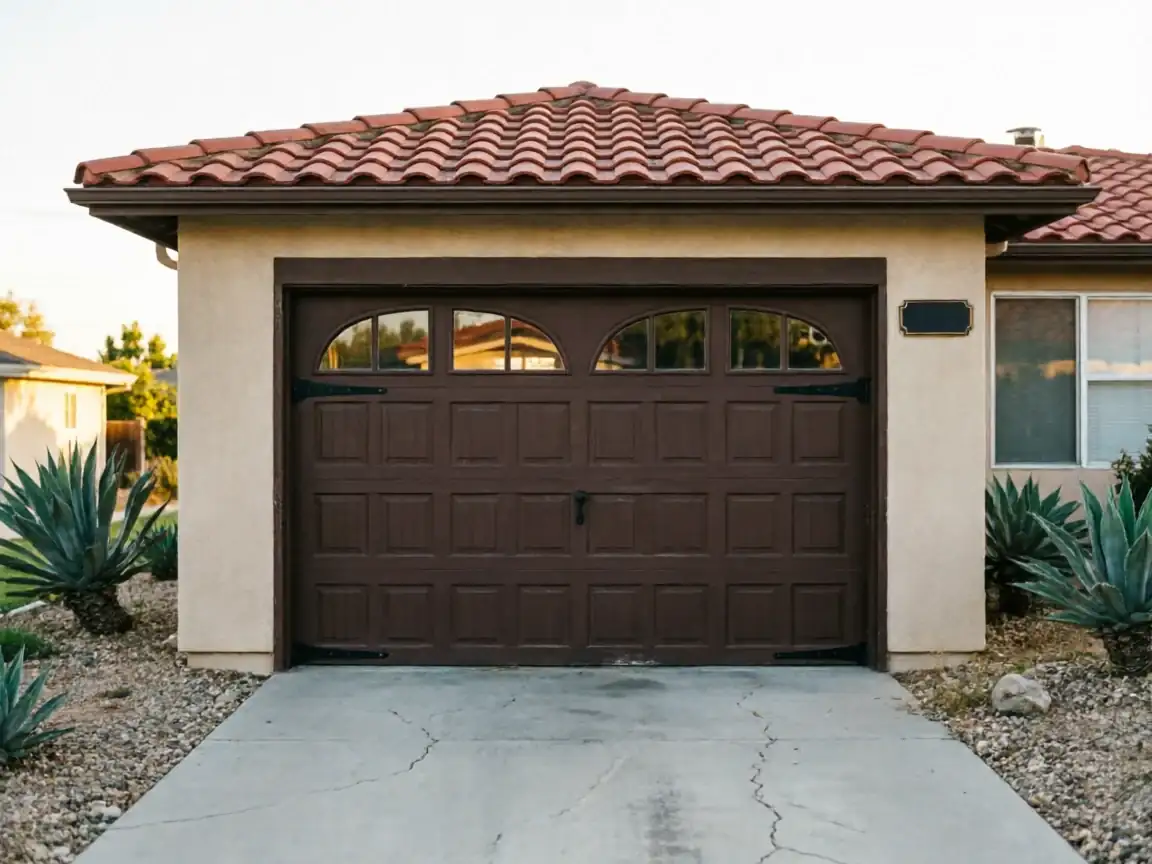
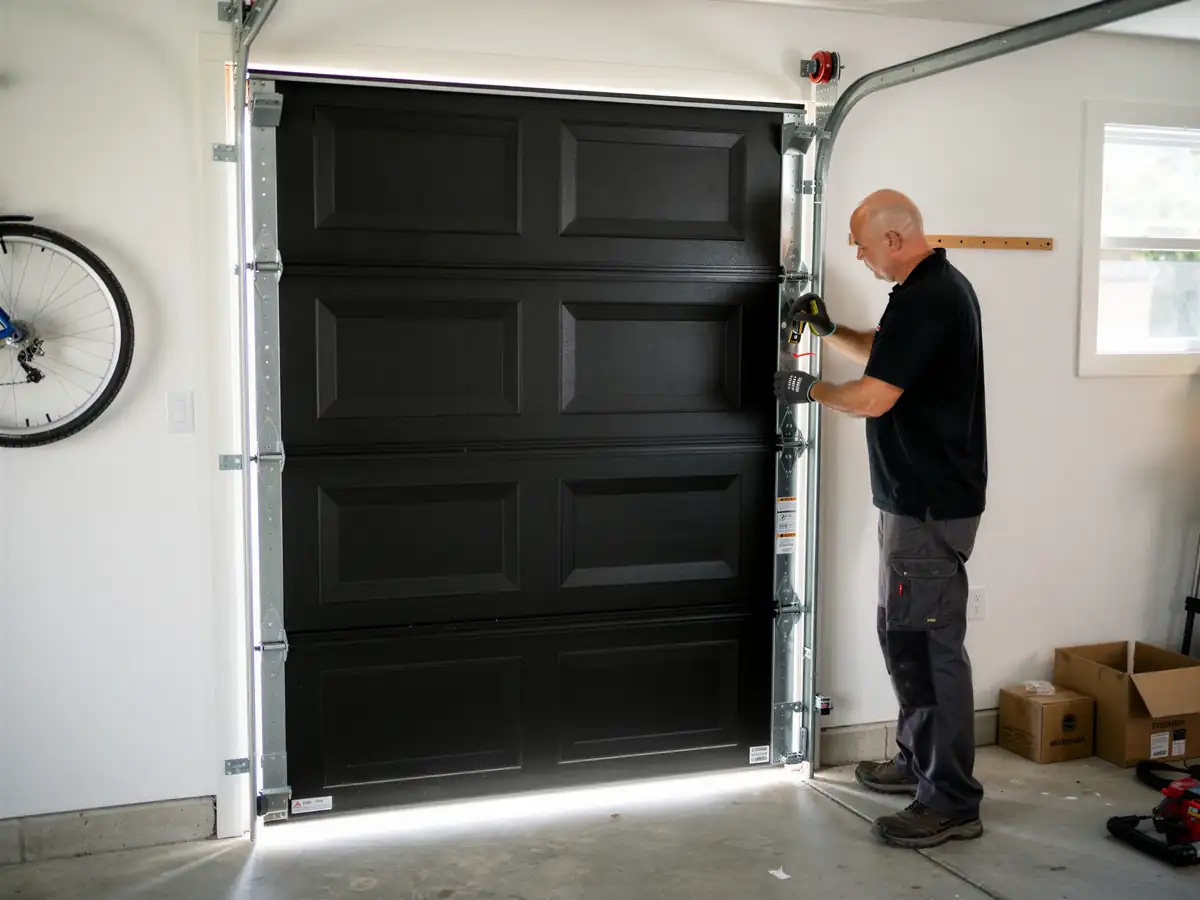
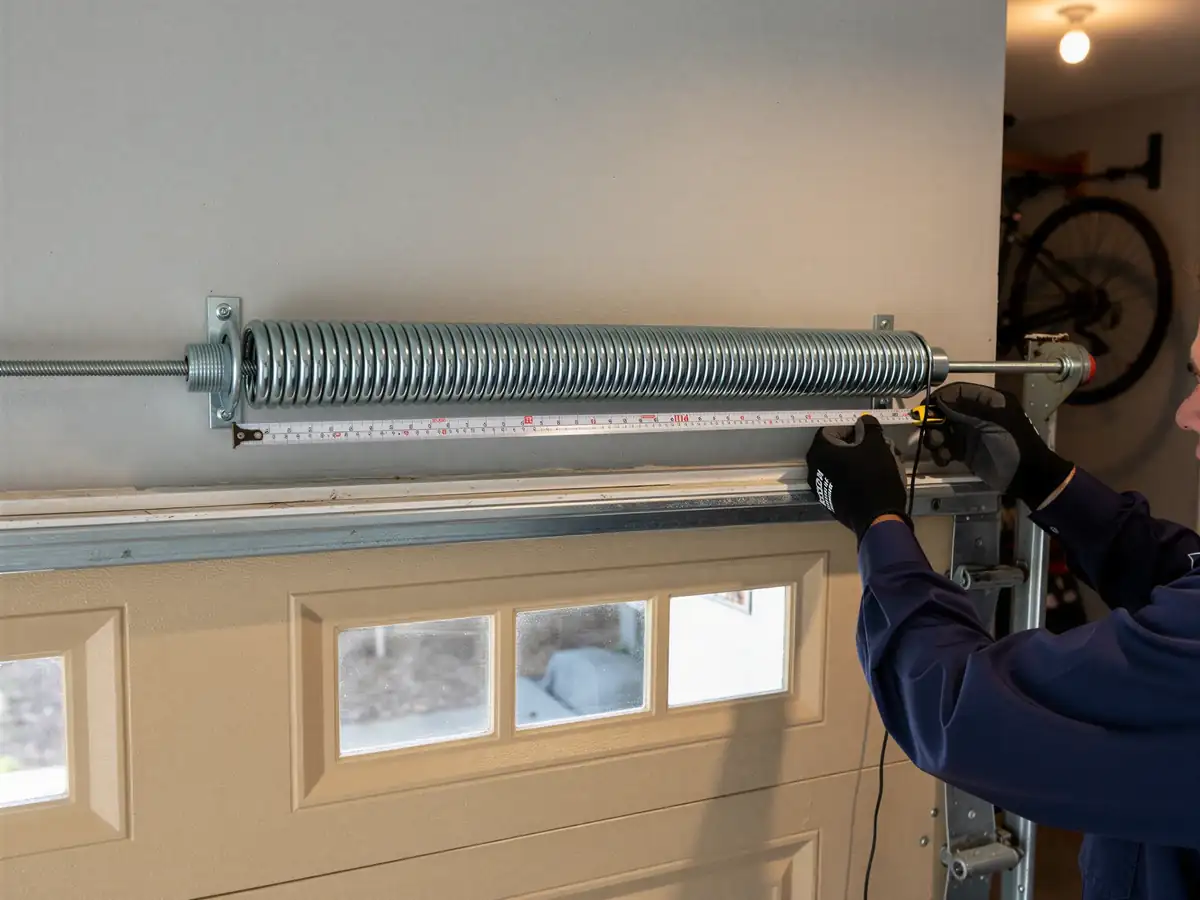
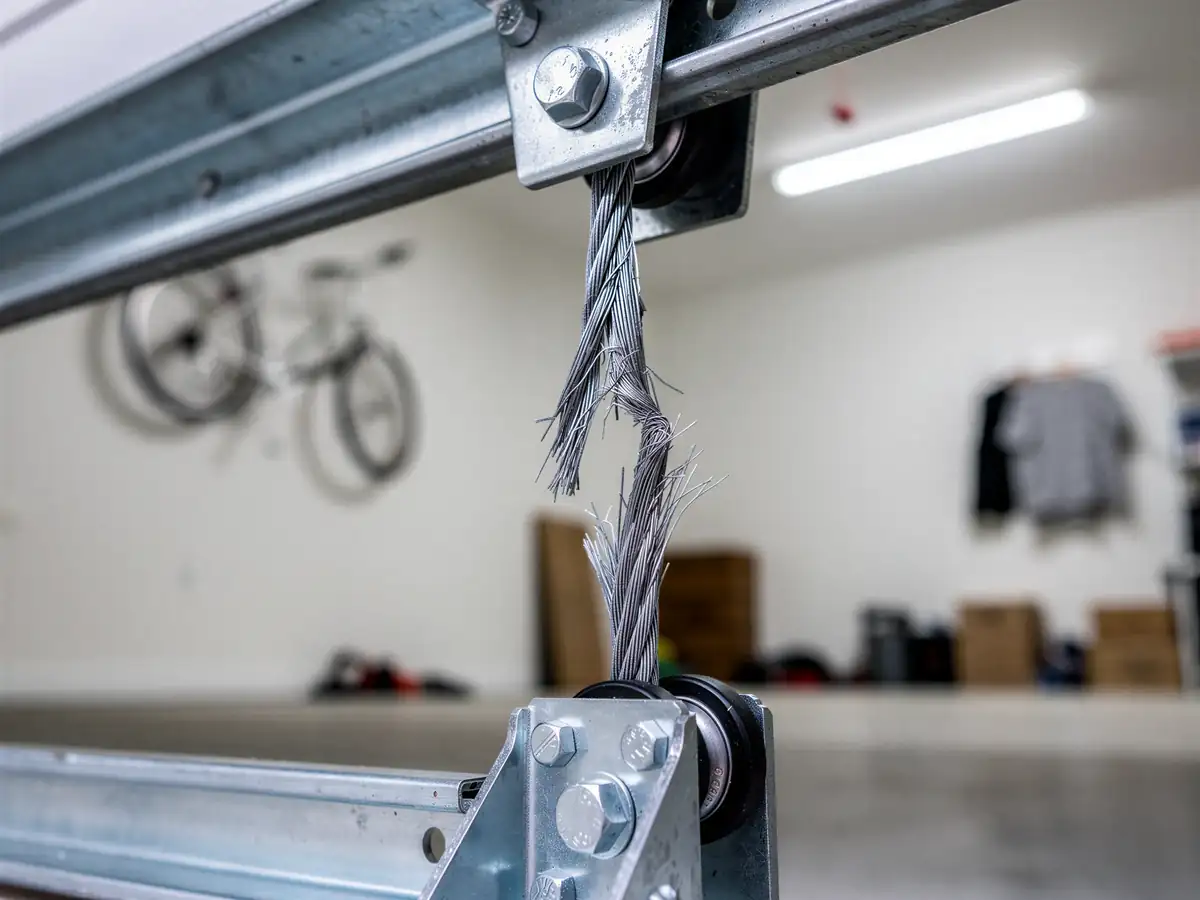
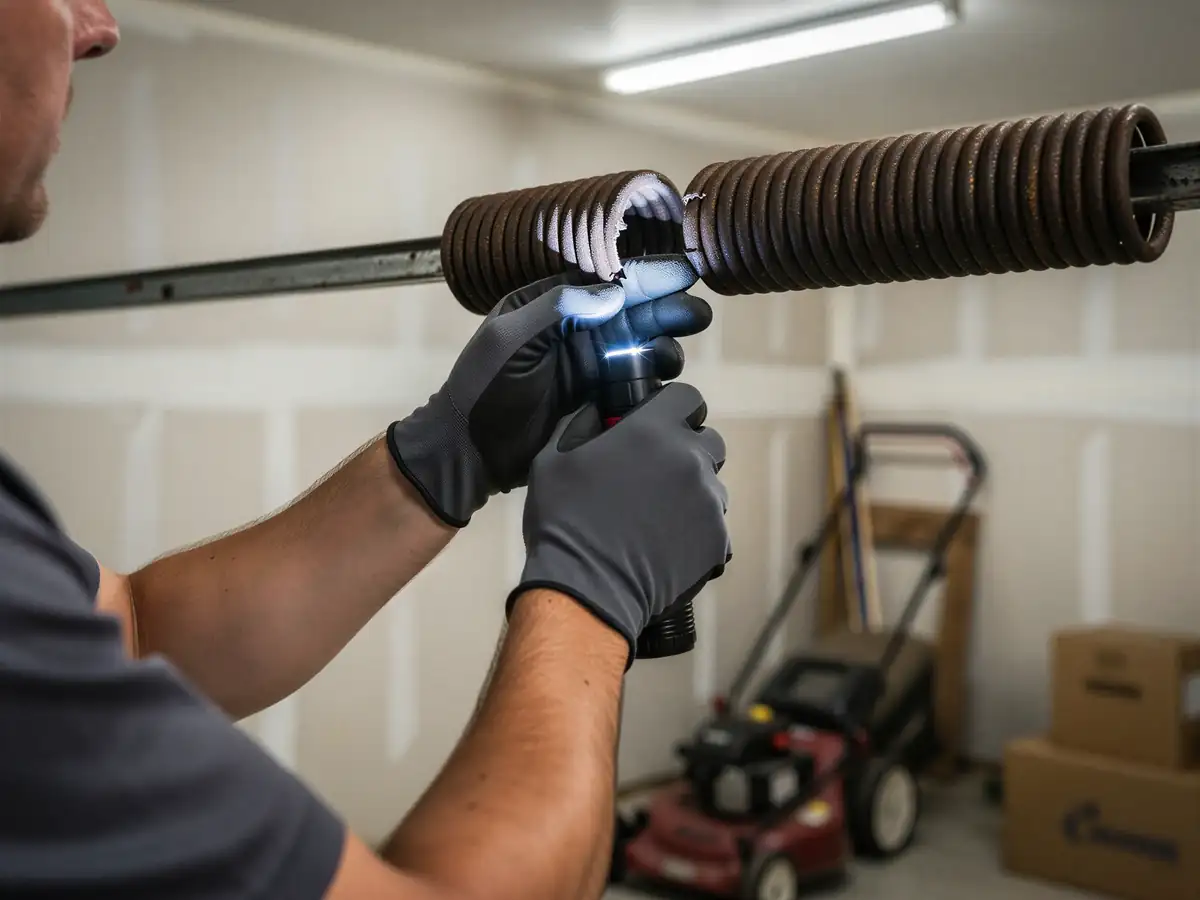
If the door is only off the track on one side and still closed, you can sometimes walk it back into the channel by hand with the opener disconnected - that's a reasonable DIY move. What's not reasonable is working on a door that's fully derailed and hanging on the cables alone, especially on a double door. Those springs are still under load even when the door looks dead still, and a track that lets go while you're under it is how people end up in the ER, not the garage.
Our honest limit here: we don't talk anyone through this over the phone for a door that's off both tracks. That's a truck call, not a tutorial, and we'll say that plainly if you ask.
Where This Job Goes Sideways
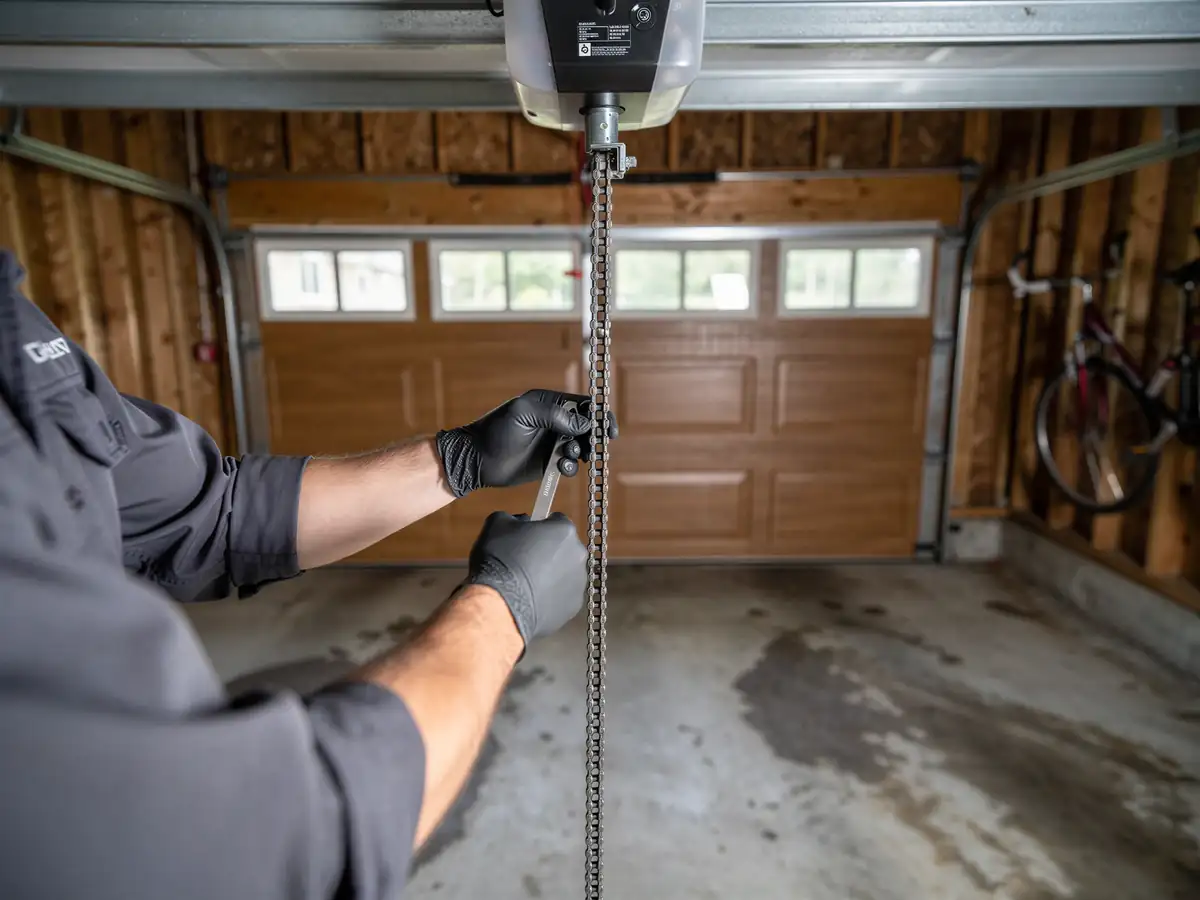
The job gets harder when the homeowner tries to force the door shut after it's already off the track. Every inch you crank it forward on a bent rail bends the next roller too, and what started as a loose bracket turns into a track section that has to be replaced outright instead of straightened. The other way it goes sideways: assuming the opener is the problem because the door won't move, when the real issue is the track binding the carriage - running the opener against that resistance burns out the motor for no reason.
We come out from San Ramon, about 19 miles up the road, so we're not a same-hour call for every job - plan for a scheduled visit rather than a walk-up fix. For the rest of what we handle in Newark, see our Newark garage door repair page, and if you're comparing this against the San Ramon version of this same job, that's here: /garage-door-off-track-san-ramon-ca.