What Causes It Around Here
Newark's housing mostly went up around 1975
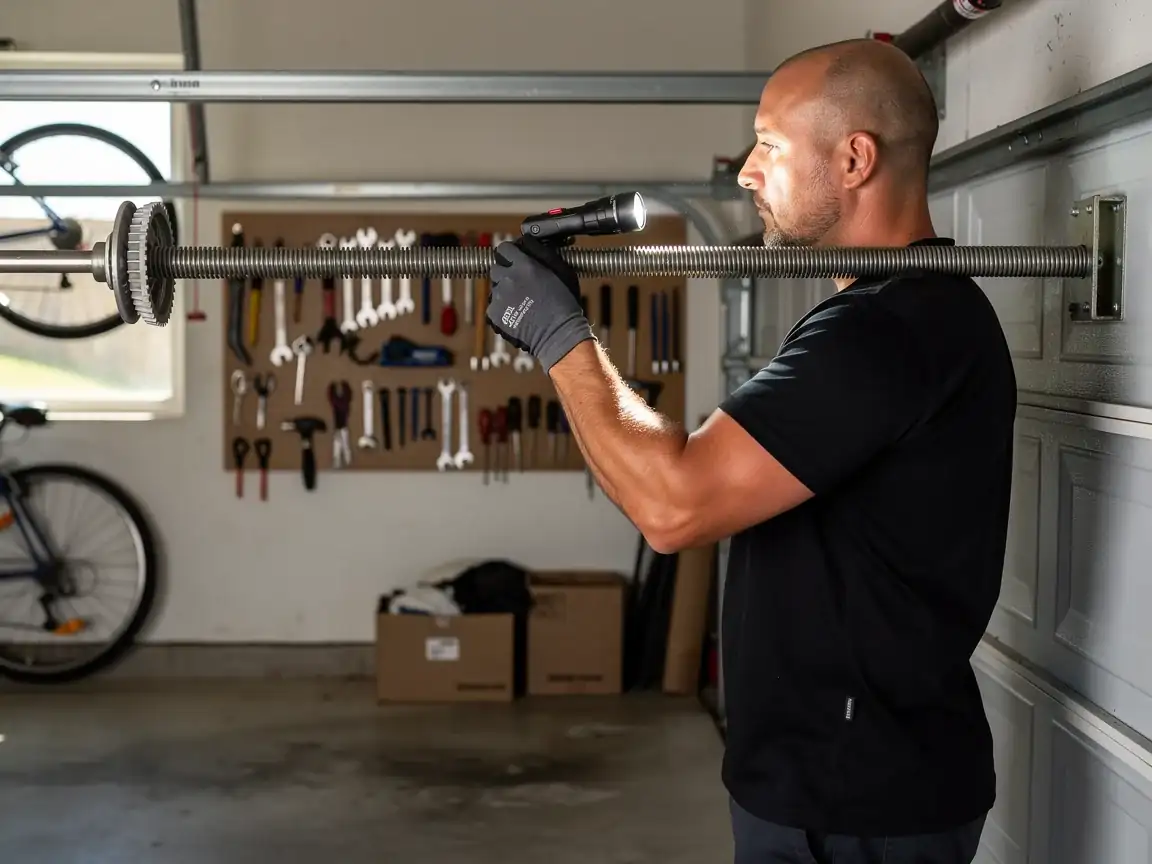
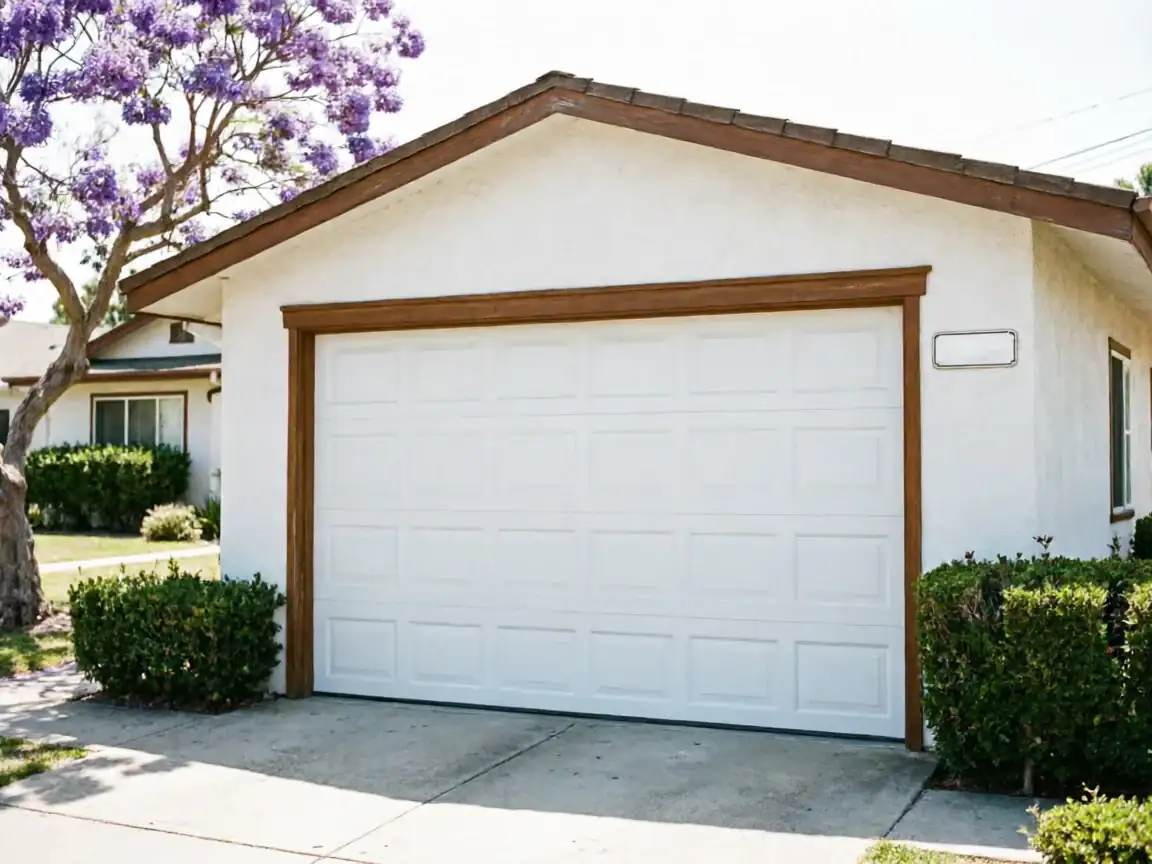
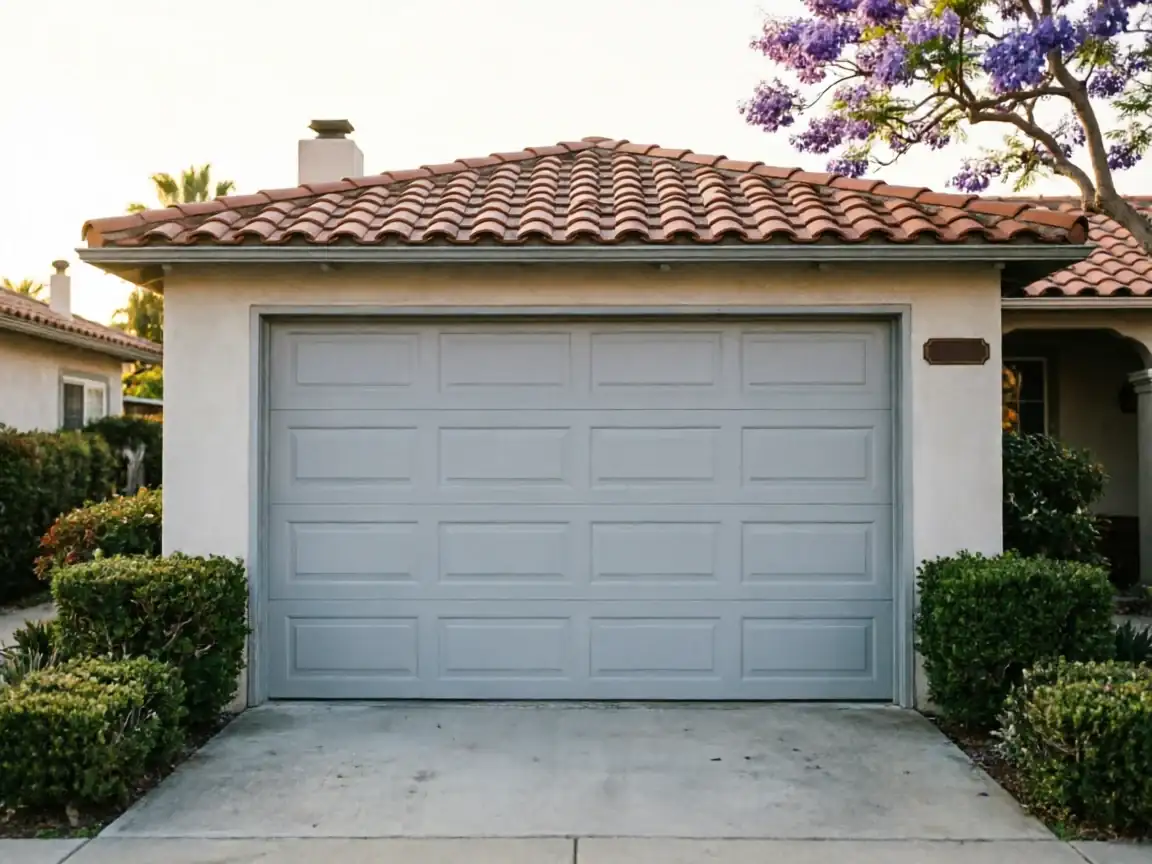
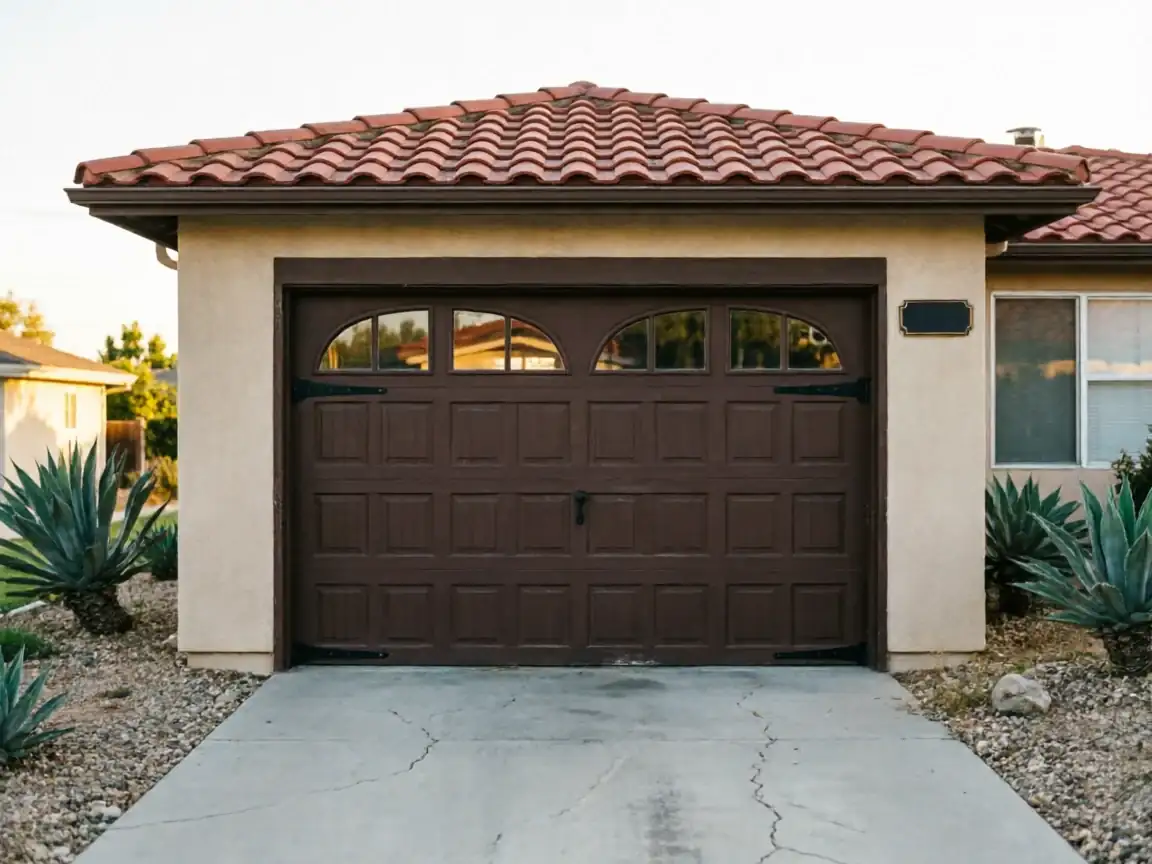
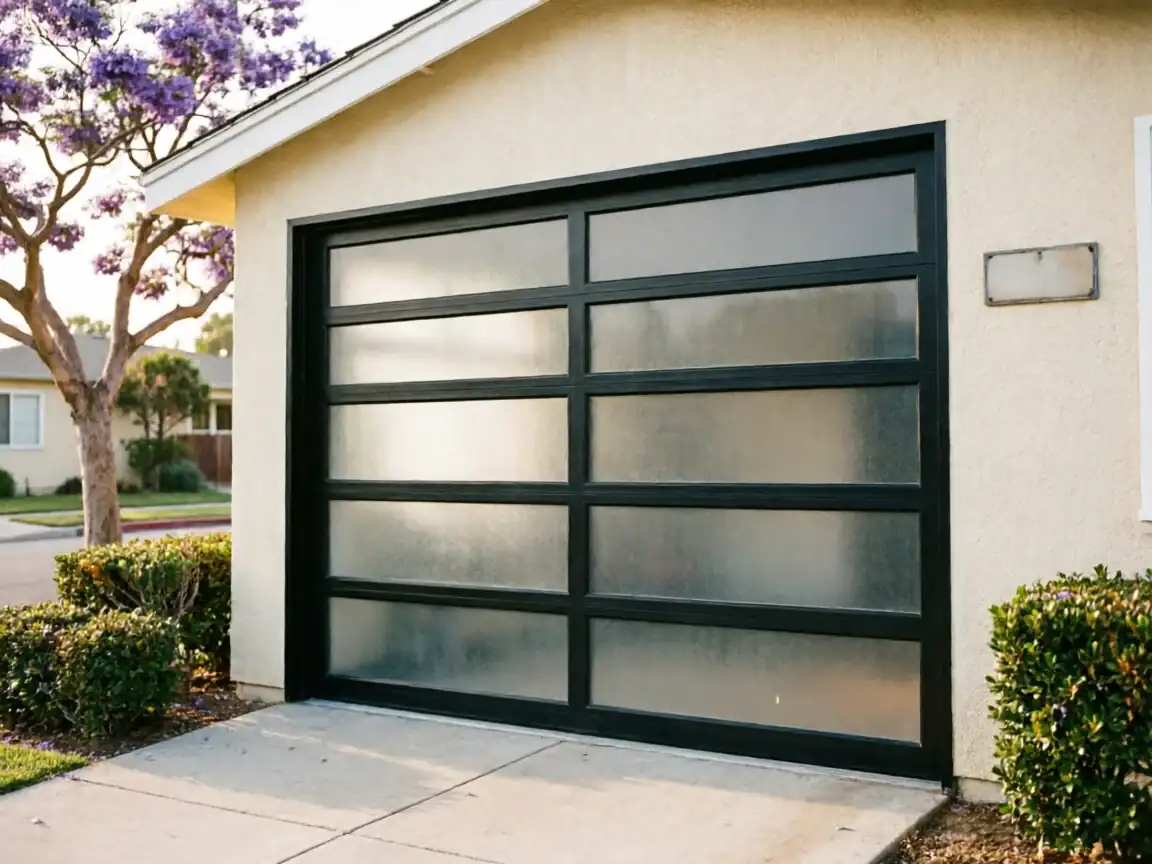
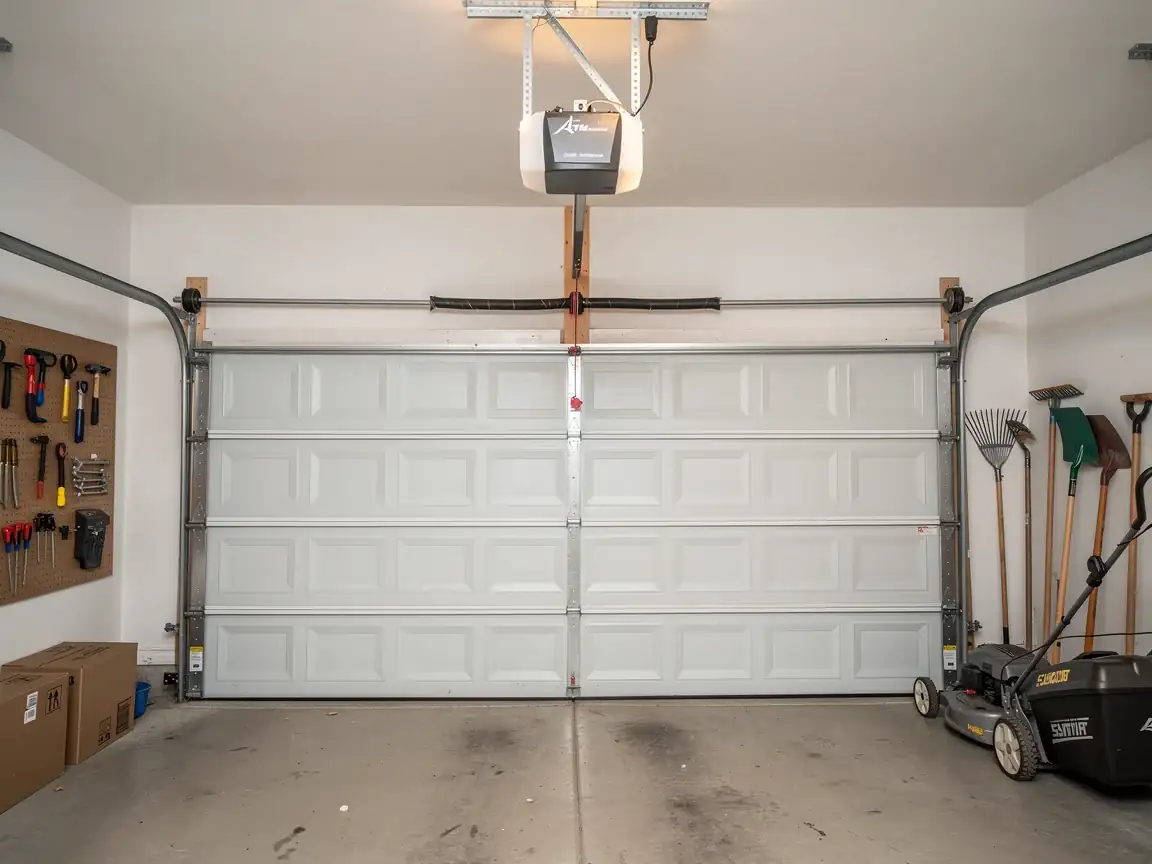
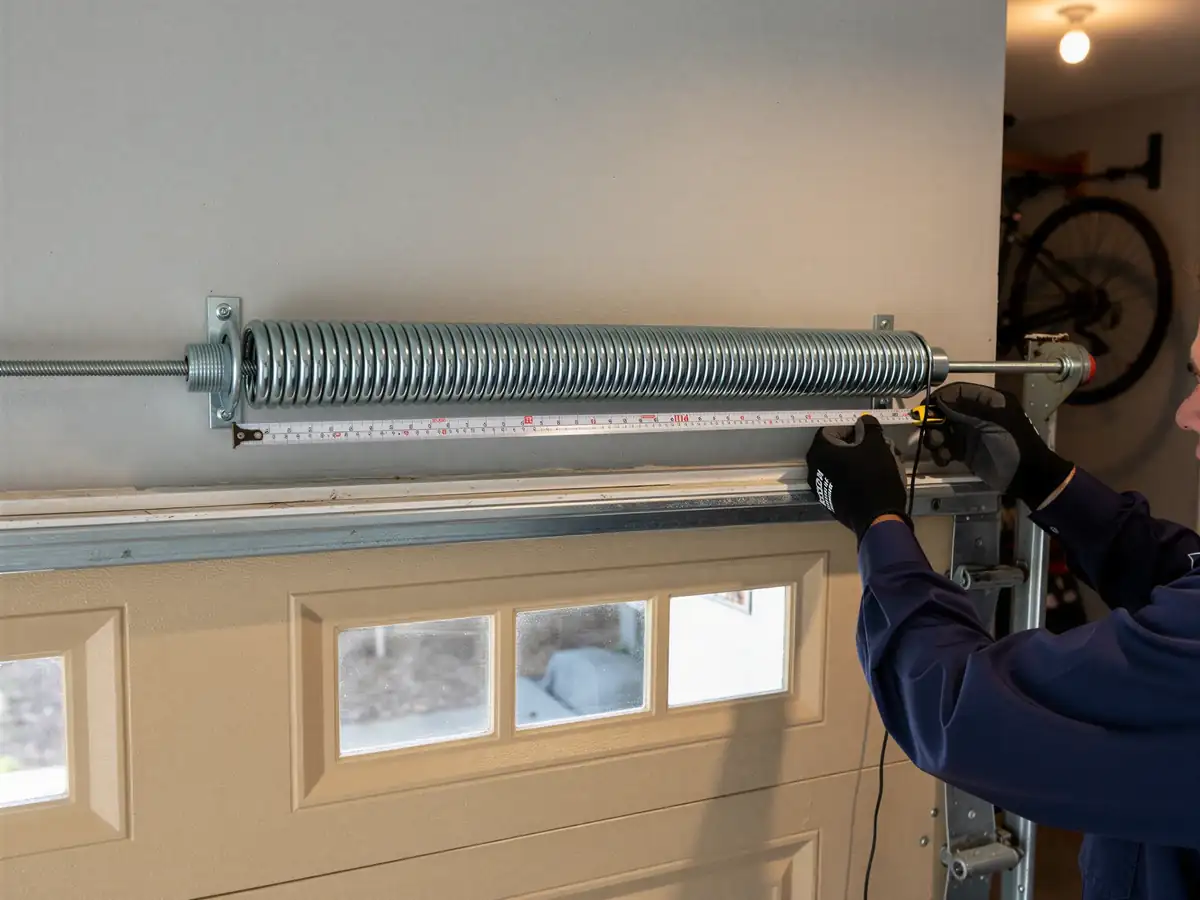
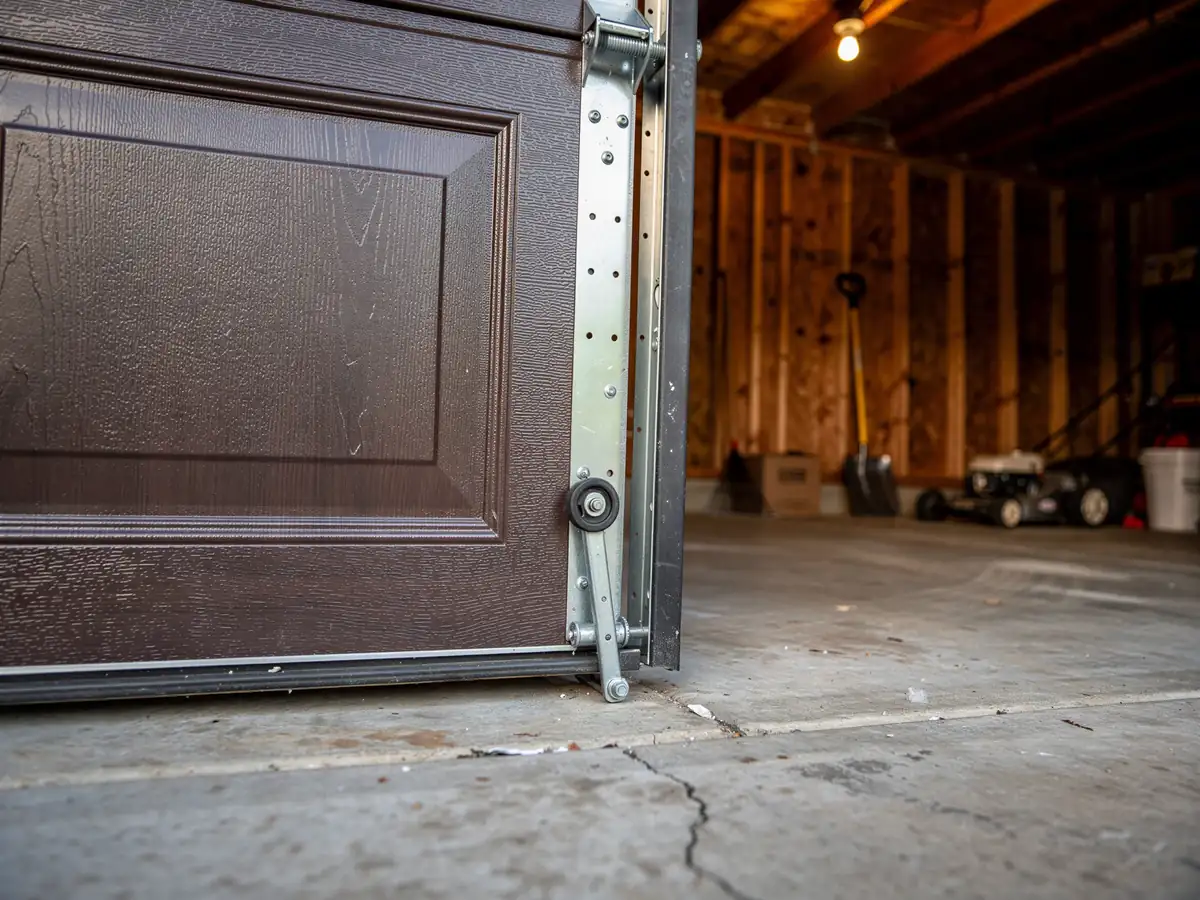
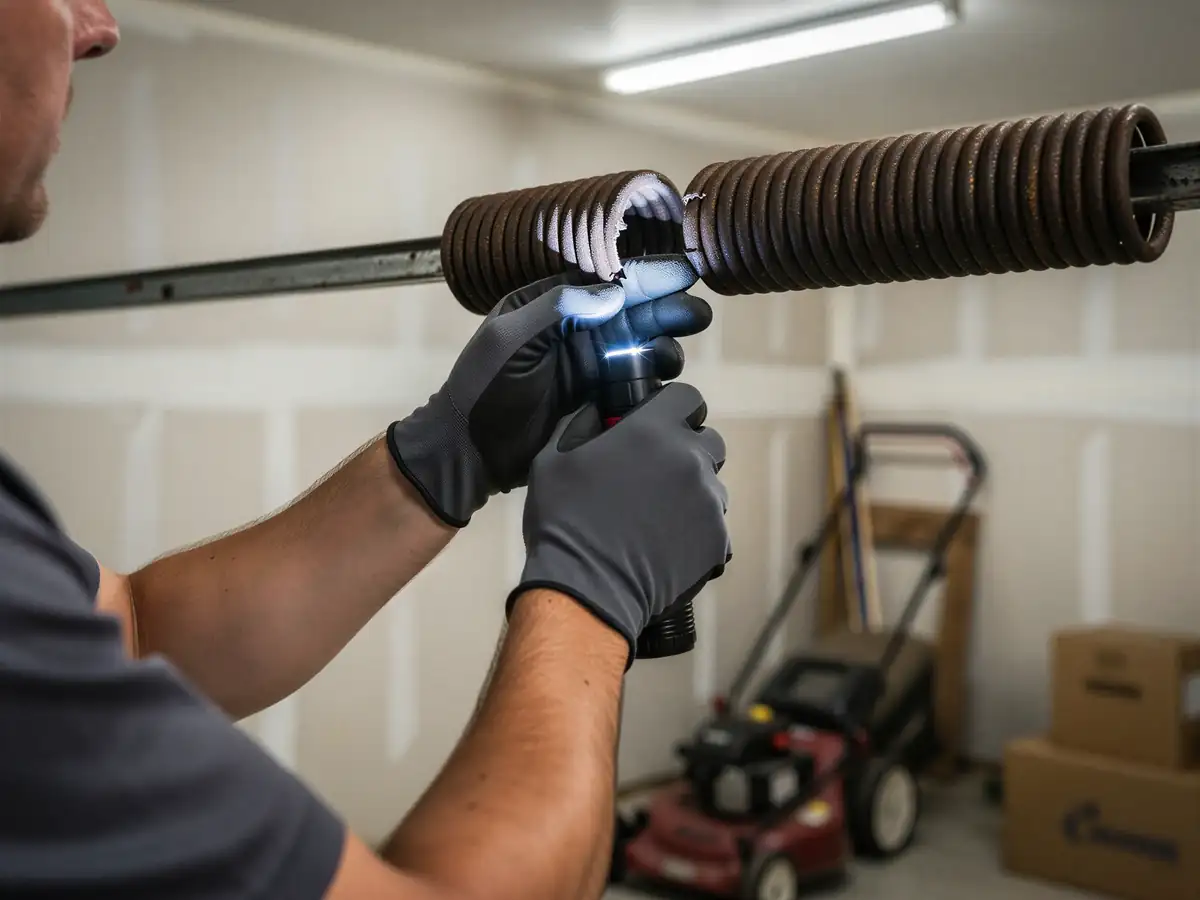
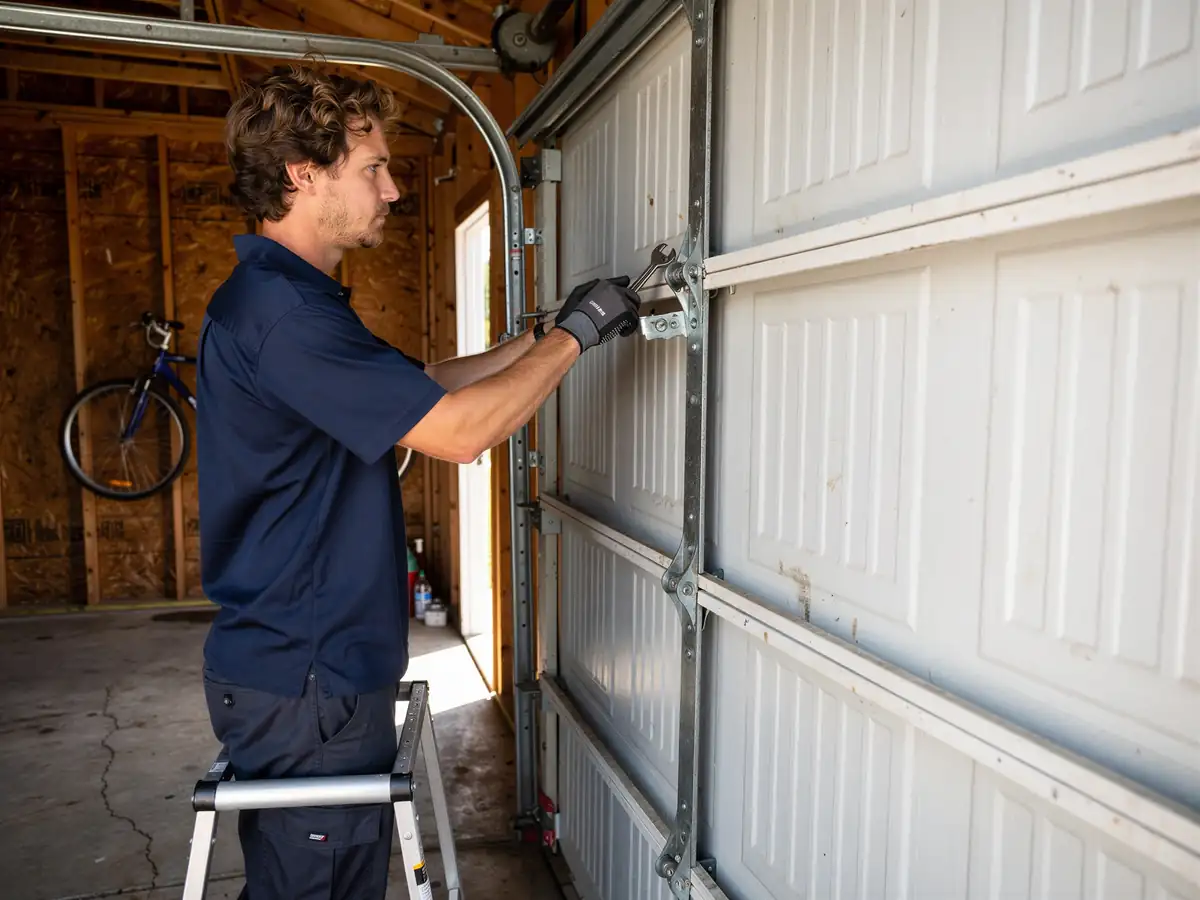
Which puts it squarely in the run of tract construction that used steel sectional doors on torsion springs rated for a specific, now-dated cycle count. Those springs were sized for the door weight and usage patterns of the mid-1970s, not for forty-plus years of daily openings. By now most of that original hardware is well past its rated life, and what fails first is almost always the torsion spring itself, followed by the rollers and the hinges that take the day-to-day stress.
The other pattern we see in homes from this era is the opener
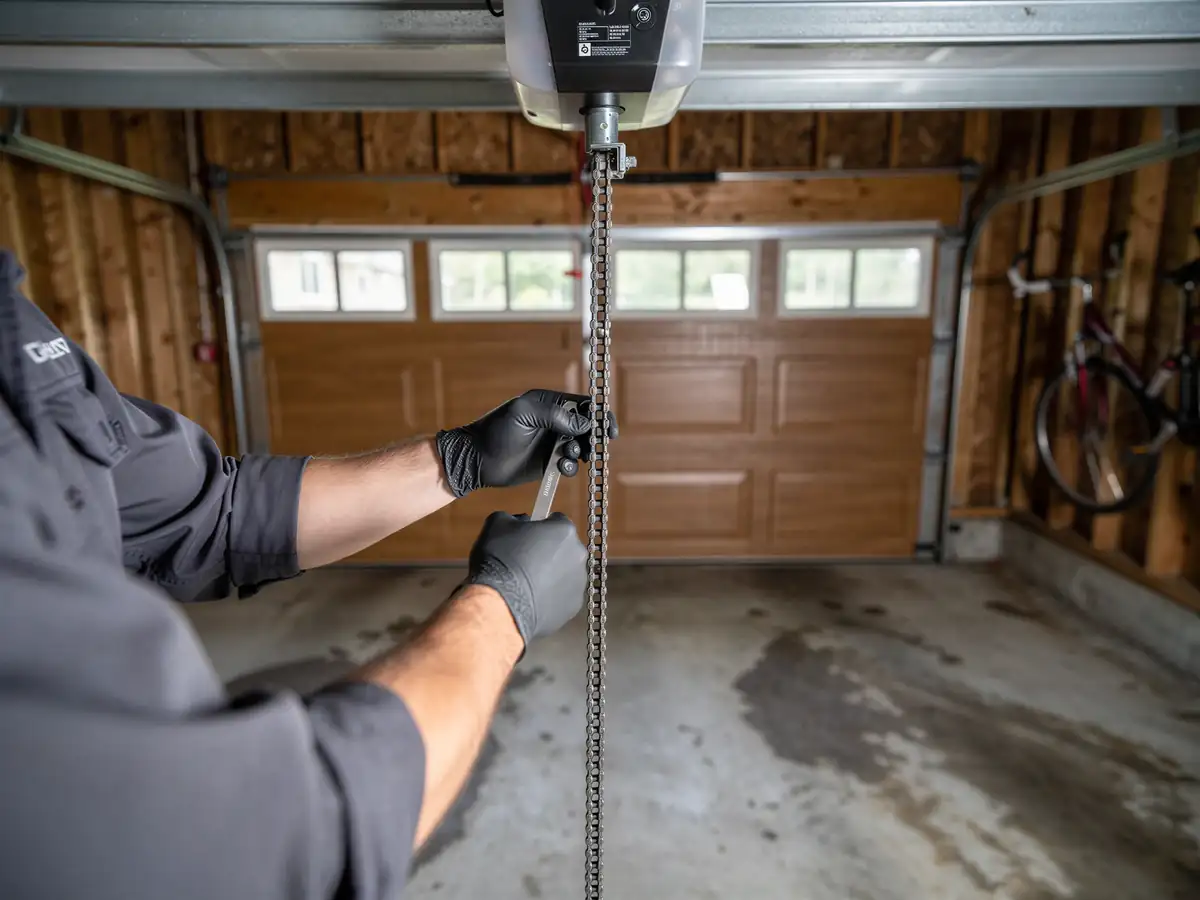
A lot of 1970s garages were retrofitted with chain-drive openers in the 1980s and 90s, and those units are now on their second or third gear set, if they haven't been swapped entirely. Across the wider service area the housing runs from 1938 to 2008, with most of it in the 1960s-70s band - Newark sits right in the middle of that, so the fault pattern here leans older-hardware, not newer-opener-board.
The Cost of This Job
We don't post a flat number for every job because torsion spring replacement, cable repair, and full door swap-outs price out differently depending on door size and what's actually worn. What we can tell you is that Newark's income profile runs higher than the broader San Ramon service area - median household income here is about $164,909, against roughly $146,657 across the full 29-area territory we cover. That doesn't change what parts cost, but it does mean more Newark calls end in a full opener or door replacement rather than a patch repair, because owners here are more likely to replace rather than keep nursing a forty-year-old door along.
With 15,184 households in Newark, there's a real volume of homes sitting on that same original 1975-era hardware, which is part of why we stock the common spring sizes before we ever get the call.
Can You Do This Yourself
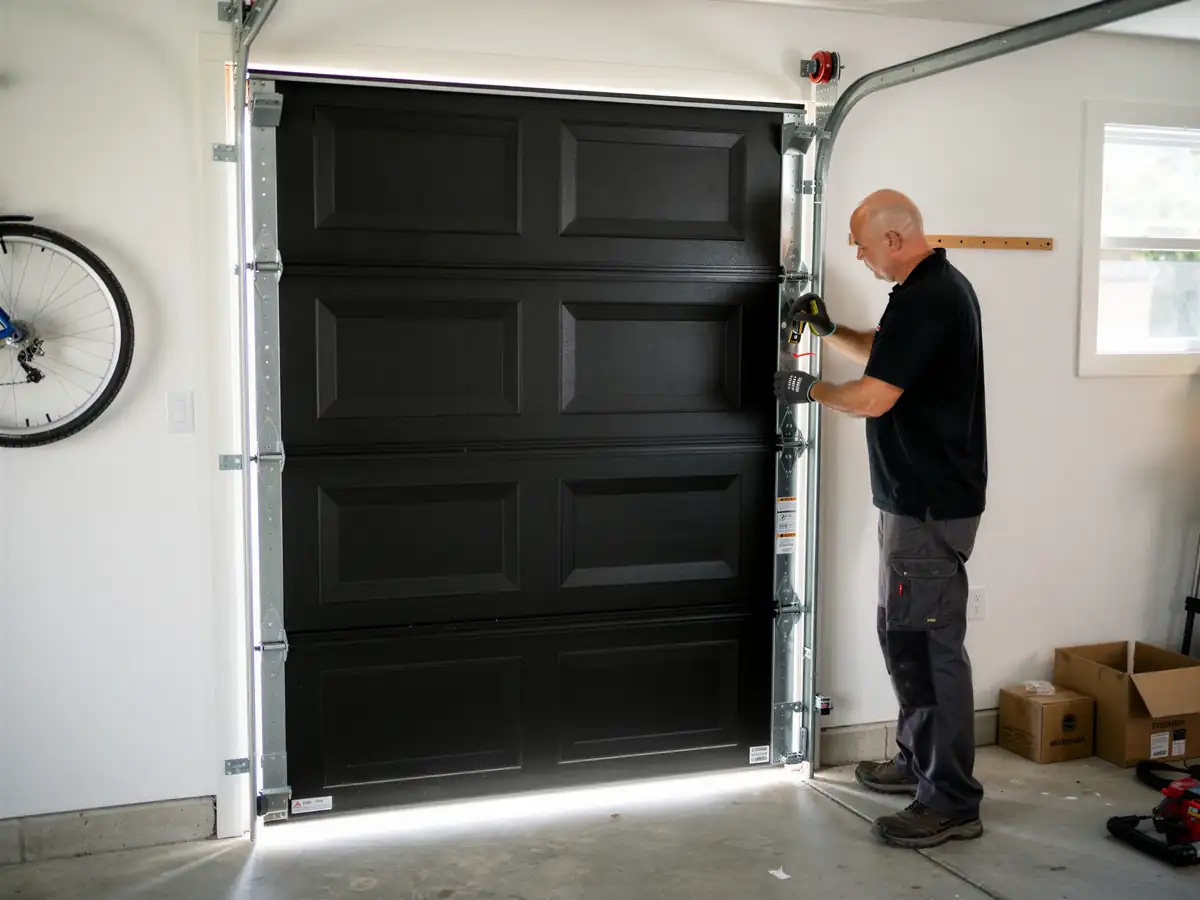
Torsion spring work is not a job to learn on your own garage. The spring is wound under enough tension to break bones if the winding bars slip, and that risk doesn't change because the door is forty-plus years old or brand new. If you're hearing a loud bang and the door won't open, that's very likely a broken spring - leave it closed and call, don't try to force it.
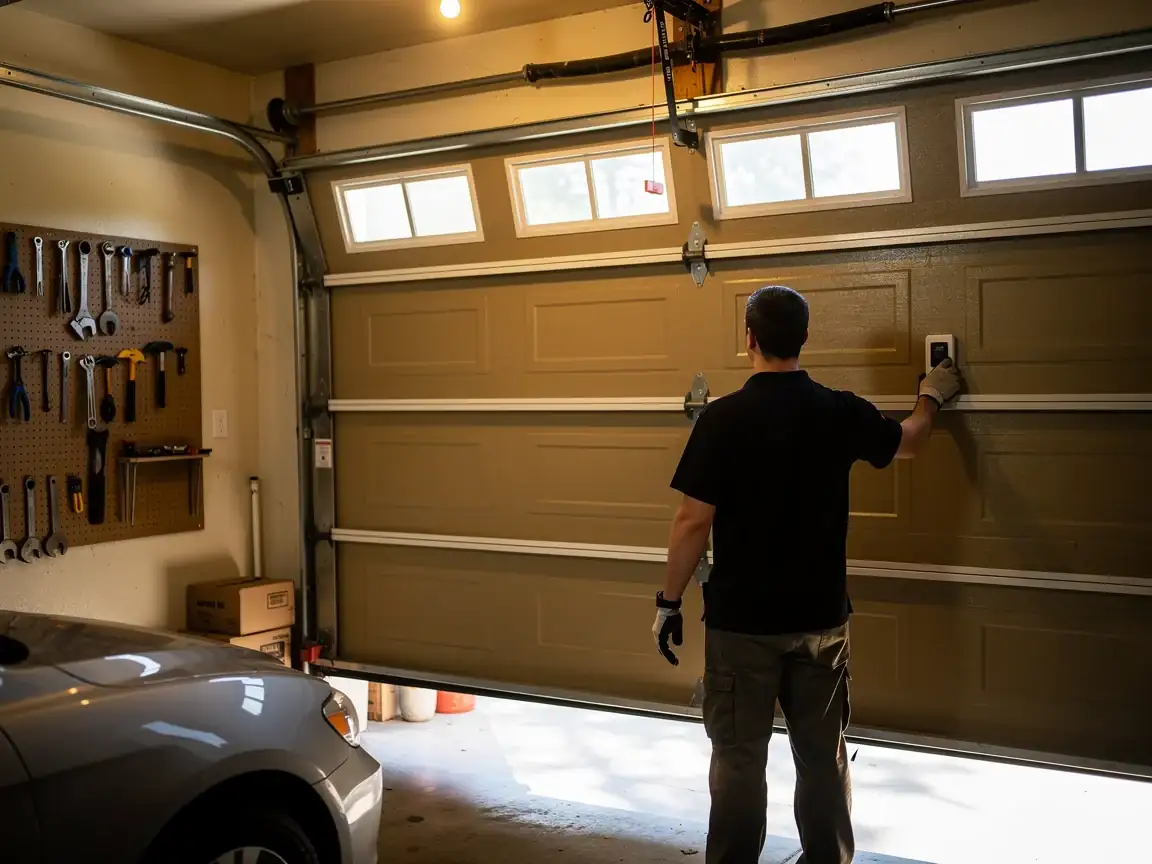
What you can reasonably check yourself: the track for visible bends, the weatherstripping along the bottom for gaps, and whether the opener's safety sensors (the two small eyes near the floor on each track) are aligned and lit. On a lot of Newark's older setups, a door that 'won't close' is just a sensor knocked out of alignment, not a broken spring, and that one you can usually nudge back into place yourself with the door unplugged first.
Stocked Parts
Because so much of Newark's garage stock dates to the mid-1970s
We carry the torsion spring sizes and roller types that era used, along with the cables and drums that pair with them. Mild winters with occasional freeze across this part of the service area (per regional climate data) mean we're not fighting the ice-and-snow failures some other regions see, but 45-plus years of daily cycling wears springs out regardless of weather, and that's the failure we stock for first.
We're honest about the limit here
If a door needs a less common panel size or a discontinued opener board, that part isn't something we keep on the truck, and it may mean a short wait while it's ordered. On a 1970s door, replacing the whole unit is sometimes the faster and more sensible call than hunting down an obsolete part.
Where This Job Goes Sideways
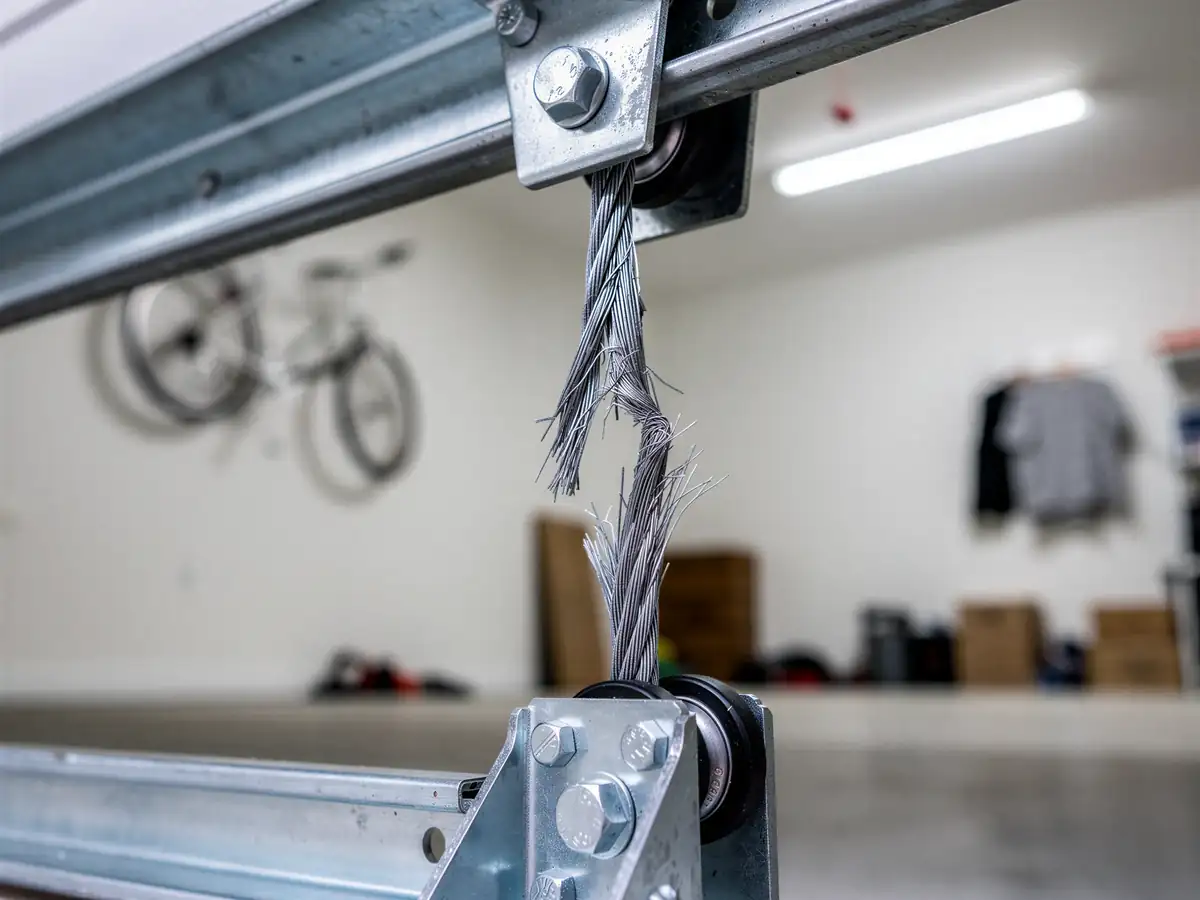
The call that goes wrong is almost always the one where someone tries to free a stuck door by forcing it past a broken cable or a spring that's only partially given out. On original 1975-era hardware, a half-failed spring under the remaining tension can snap the other side loose once you start pulling on it, and now you've got a door off its track instead of a door that just needs one part.
We make the drive out to Newark - it's about 19 miles from our San Ramon shop, one of the longer regular runs we make - so if a job turns out to need a part we don't have loaded, that can mean a second trip rather than a same-visit fix. We'd rather tell you that up front than promise a one-stop job we can't back up.