Can You Do This Yourself
The drive from San Ramon to Orinda is about 15 miles, most of it over ridge roads
And that's the first thing that shapes how a call here actually goes. We're not sitting around the corner, so if a cable snaps or a spring lets go on a Saturday morning, you've got time before the truck arrives to decide what's safe to touch and what isn't.
- 15 miles
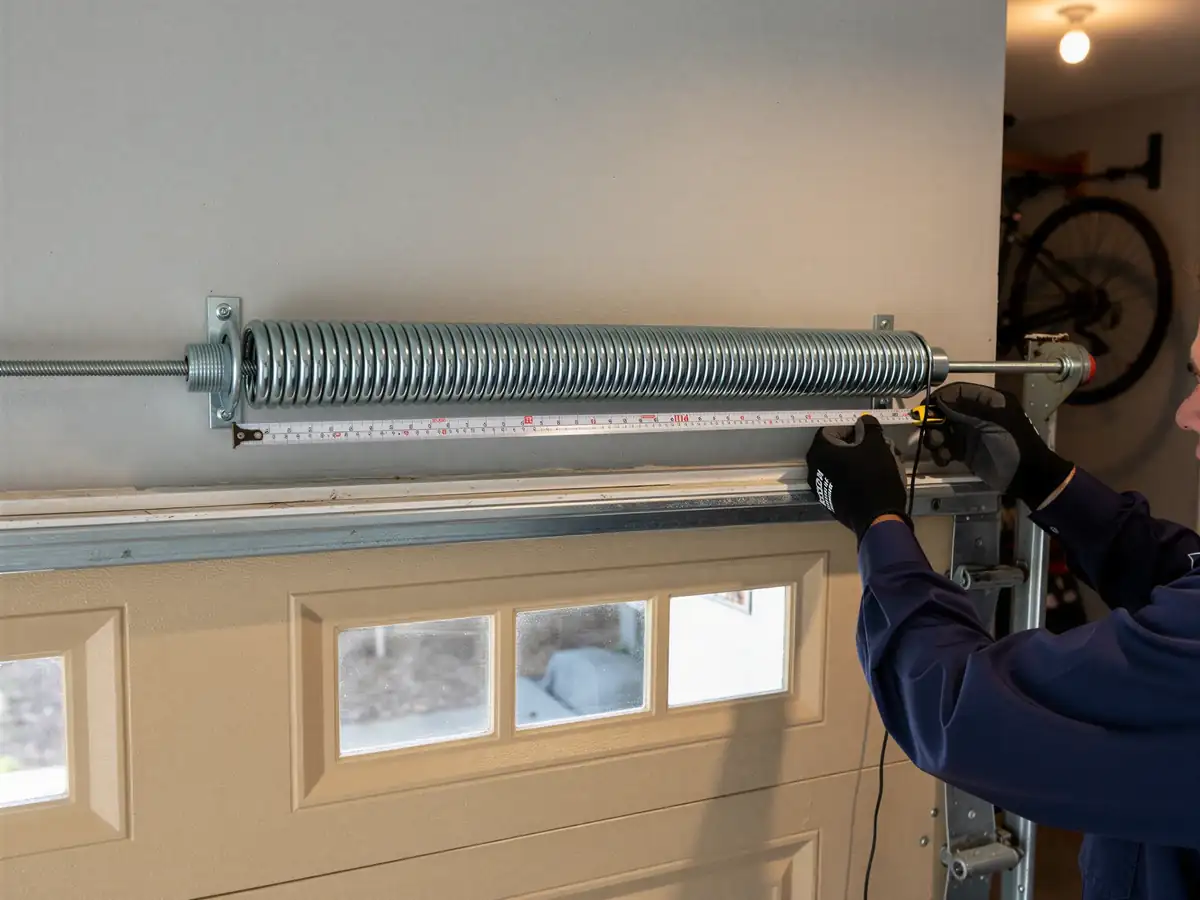
Here's the honest answer: don't touch the spring
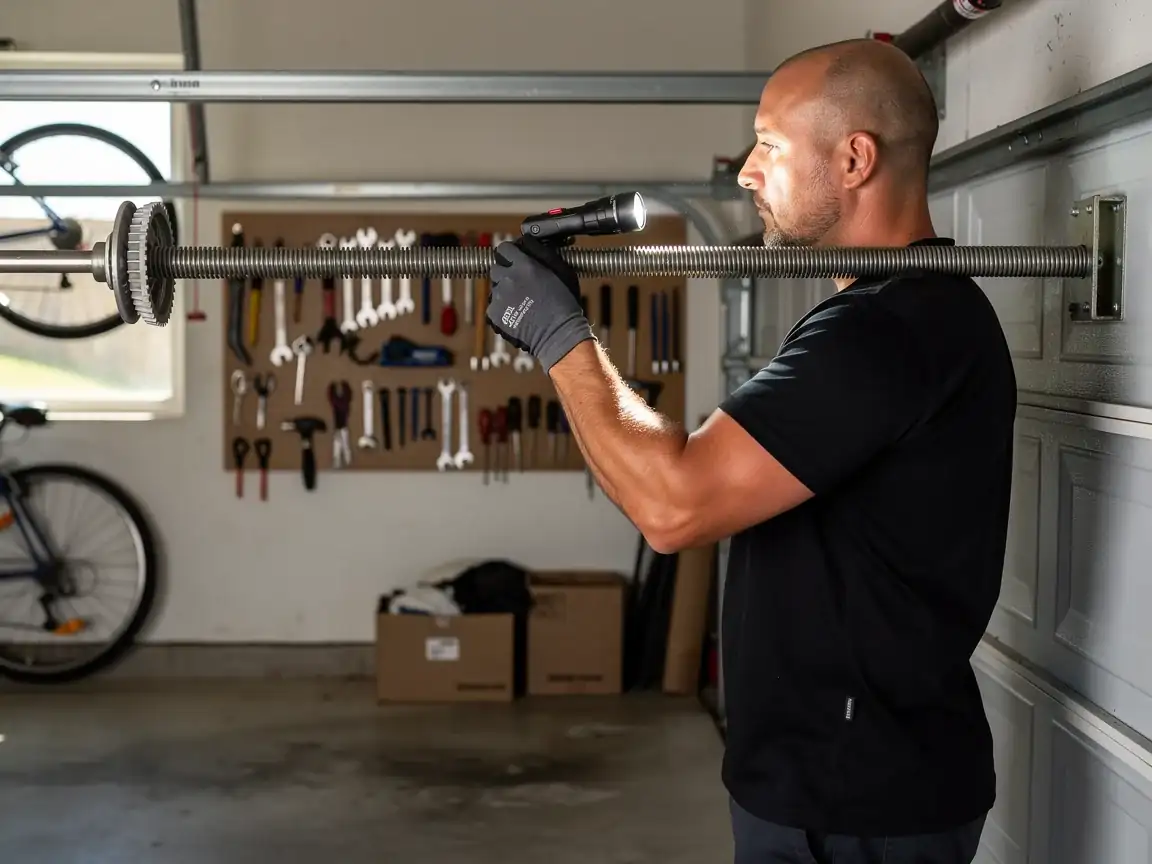
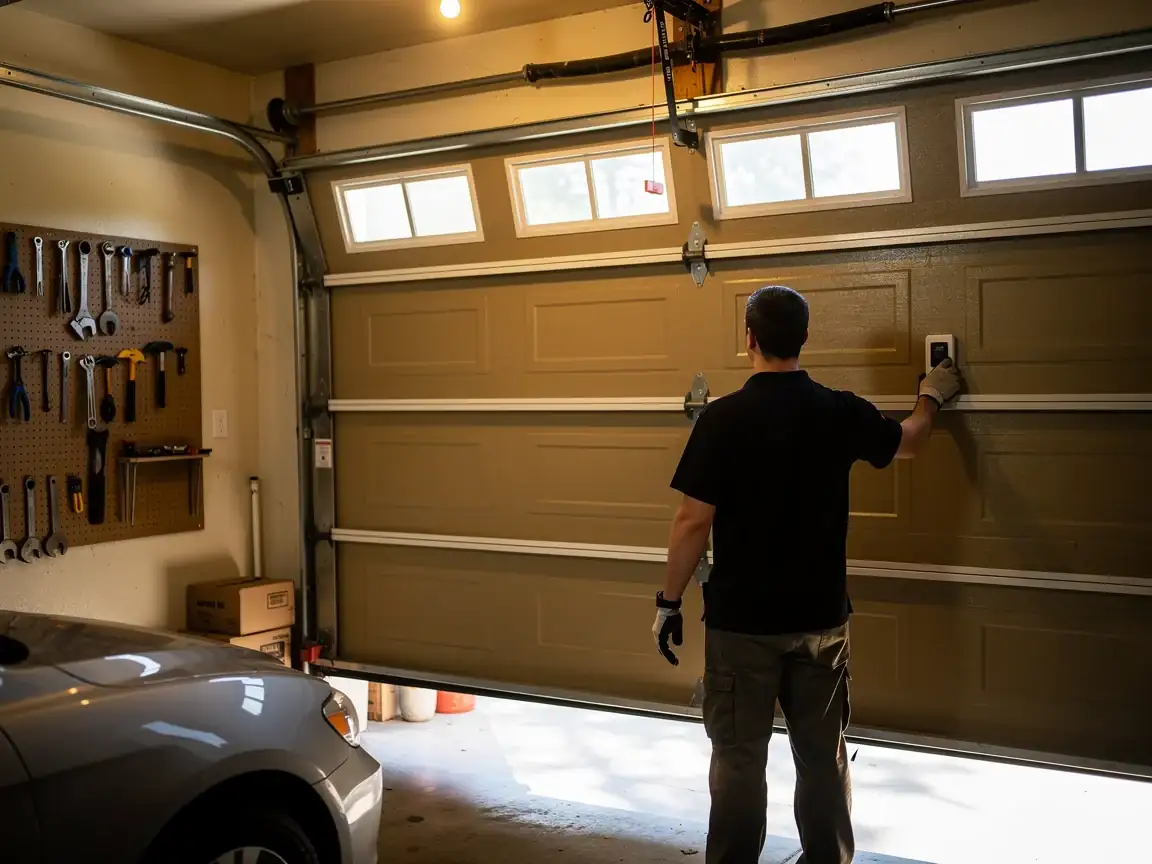
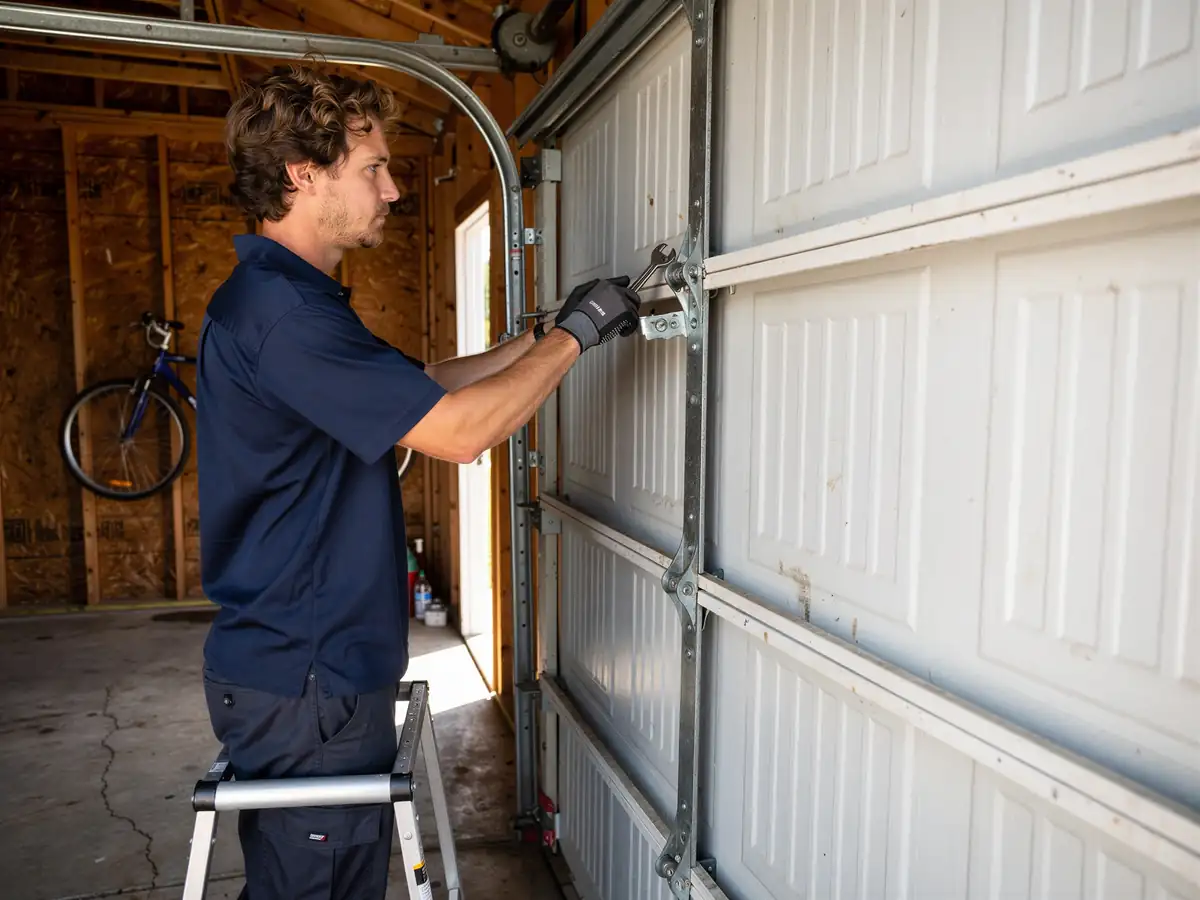
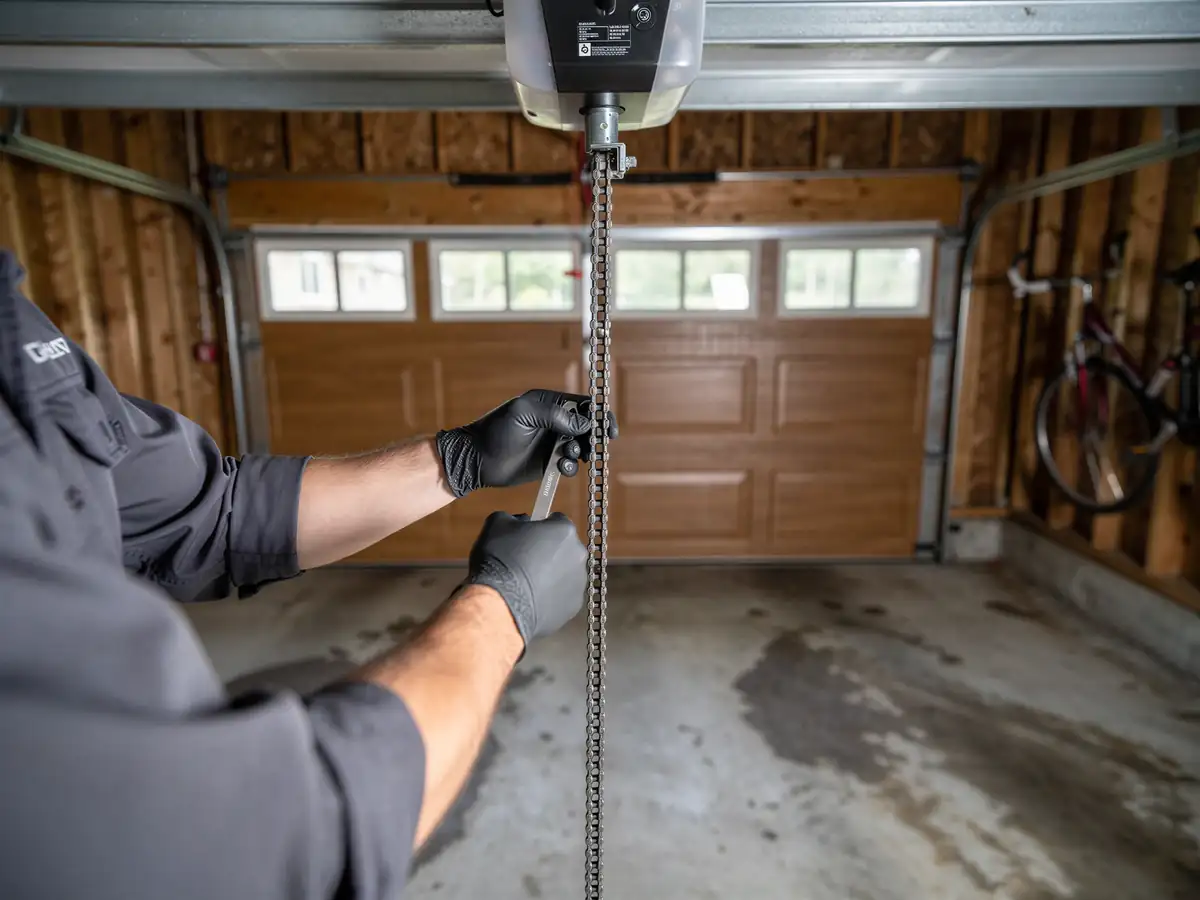
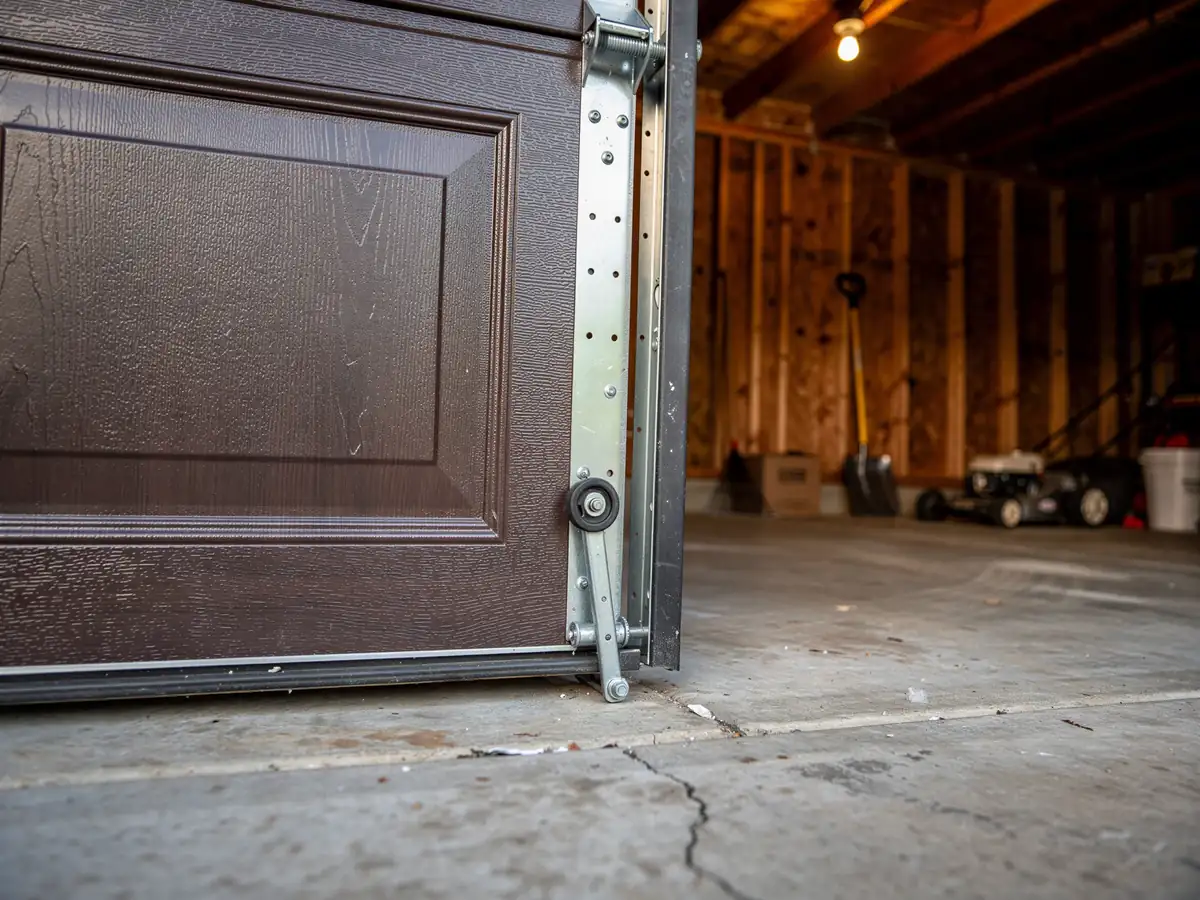
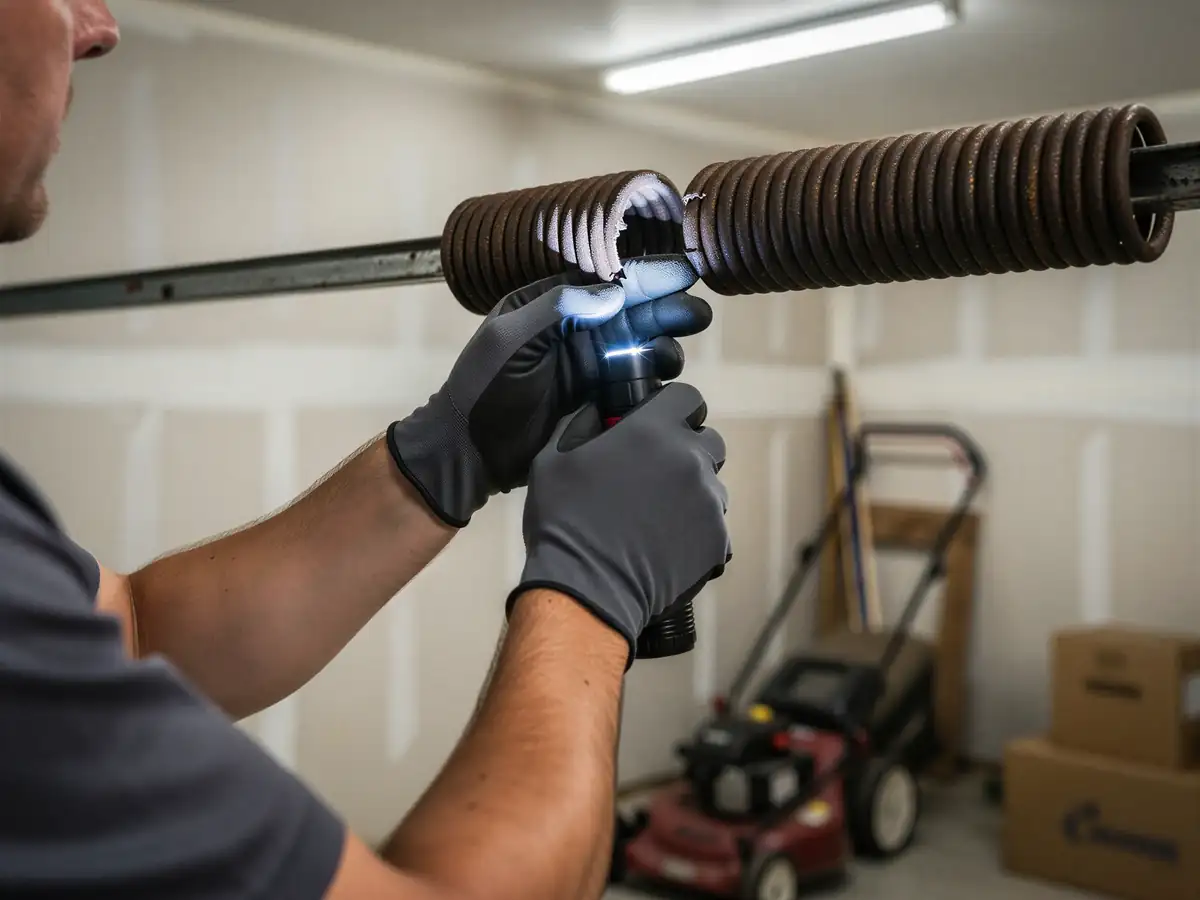
A wound torsion spring under tension has put people in the ER, and on the 1960s-era doors common in this area, the hardware holding it is original and often undersized by today's standard. You can safely disconnect the opener and lift the door by hand to check if it moves freely on the tracks - if it binds or feels heavy on one side, that's a cable or roller problem, not something to force. If the door won't budge at all, stop. That's a spring or a broken cable holding the full weight, and pulling on it can bring the section down.
We'd rather you wait the drive out than open the panel yourself and turn a $200 repair into a replacement door
Stocked Parts
Orinda's housing stock centers on 1961, which puts most of these doors squarely in the same 1960s-70s wave that covers most of the broader service area. That means the truck carries parts sized for that era: torsion springs in the common older wind counts, single-layer steel sections, and the roller and hinge hardware that fits side-mounted torsion setups rather than the newer center-mounted kind.
What we don't carry on the truck is anything custom - a panel insert matched to a door that's been repainted or modified over sixty years tends to need an order, and that can run a few days depending on the supplier. If your door is one of the few newer installs in the area, that part usually ships faster since it's a current catalog item.
We stage the truck before we leave San Ramon based on what you tell us on the phone, so the more specific you can be about the door's age and what broke, the better the chance we roll up with the right spring wound and ready to go rather than having to drive back for it.
How Long You Are Without the Door
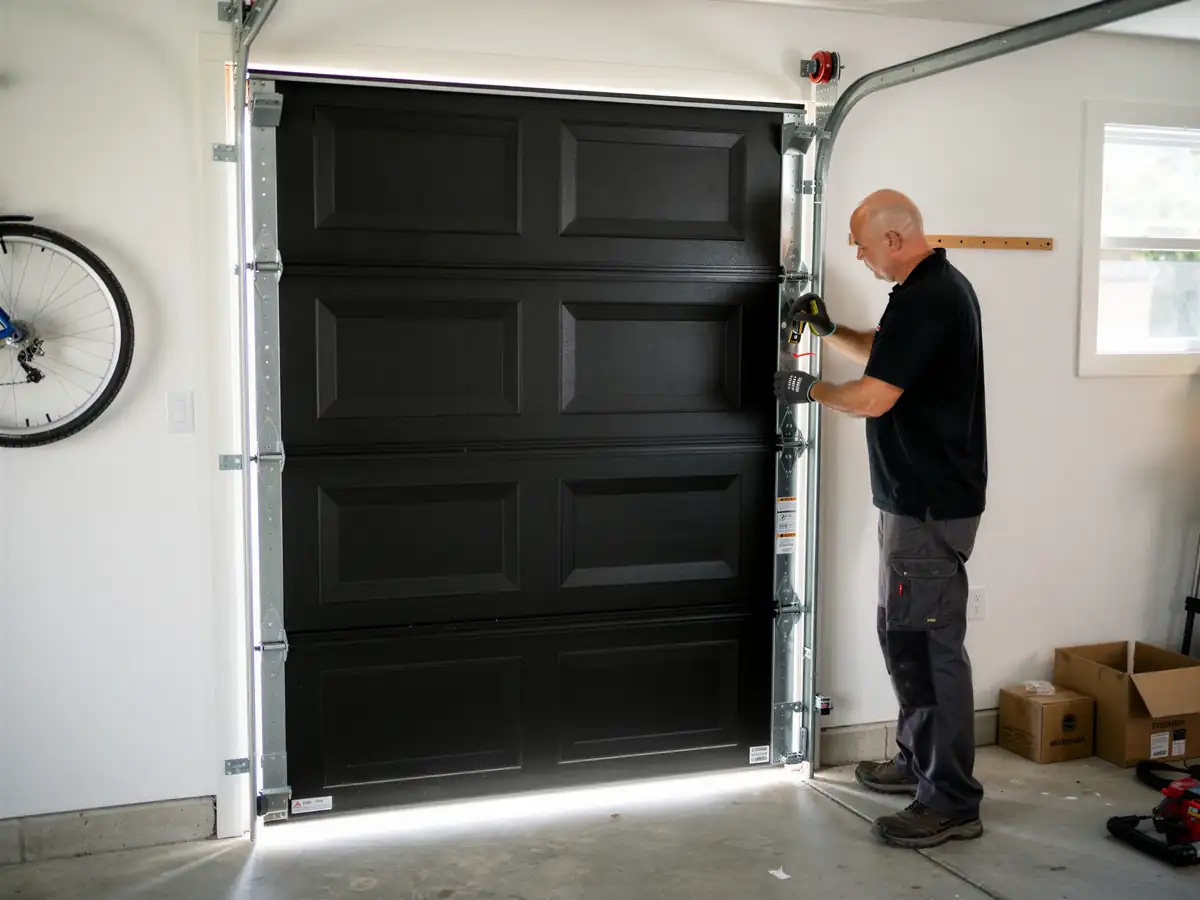
Because the run from San Ramon is 15 miles, the clock on an emergency call starts with that drive, not with diagnosis. Once we're there, most single-spring or cable jobs on the doors common here close out the same visit - the parts are the kind we carry, and the labor on a torsion spring swap or a broken cable is usually under two hours.
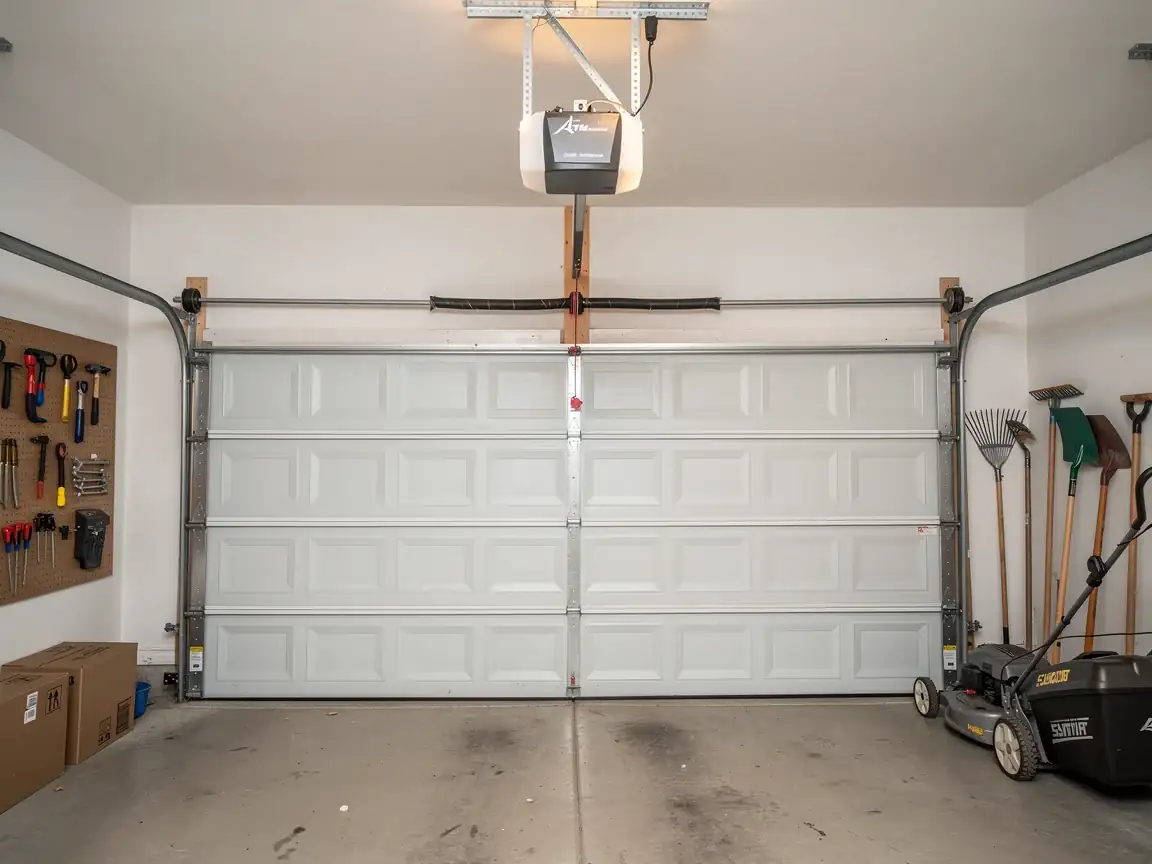
Where it stretches out is anything tied to the opener rather than the door itself. A burned-out circuit board or a motor that's seized doesn't always have a same-day replacement on the truck, and depending on the brand, that part can take a few days to source. If that's the fault, we'll get the door safe and operable by hand in the meantime rather than leave it stuck.
With roughly 7,386 households in Orinda, this is a smaller market than the rest of the area we run calls into, which is part of why we don't keep a second crew staged any closer - the volume doesn't support it, so every call here routes through San Ramon.
The Symptom
The most common call out of this area is a torsion spring that's gone quiet instead of loud
Not a bang, just a door that suddenly feels twice as heavy when you lift it by hand. That matches the housing here: with a median build year of 1961, a lot of these springs have been winding and unwinding for decades longer than their rated cycle count, and they tend to fatigue slowly rather than fail all at once.
Mild winters with the occasional freeze here mean the metal doesn't take the hard temperature swings that snap a spring overnight the way a harsher climate would
Instead the coil loses tension gradually, and owners often describe weeks of the door feeling "off" before it finally won't open at all.
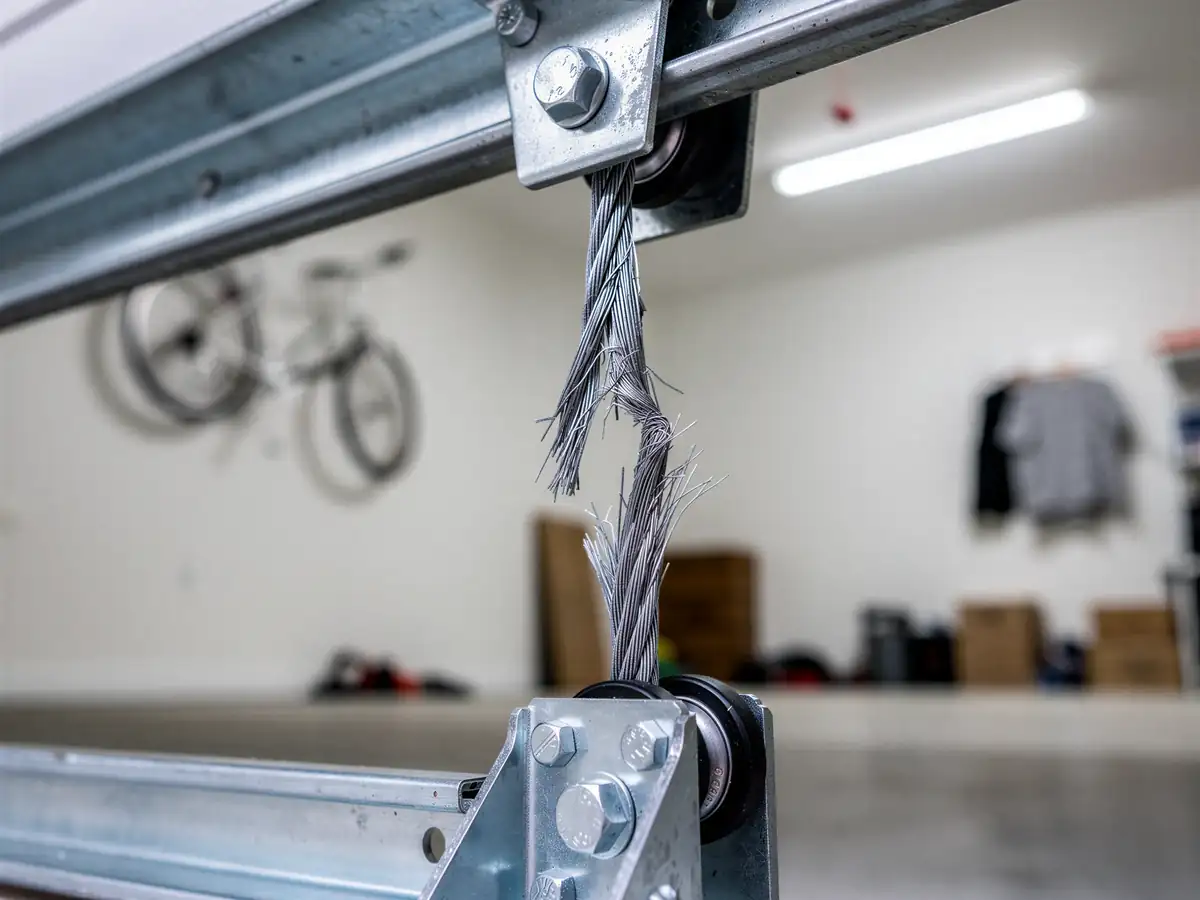
The other recurring symptom is a cable that's frayed at the drum from age rather than damage
Same story, slow wear on original hardware nobody's replaced since the house was built. Both are repairs, not full-door jobs, if you catch them before the drum or track takes damage too.
Where This Job Goes Sideways
A median household income near $250,001 in Orinda means most owners here choose to replace a worn opener or a tired spring setup outright rather than keep patching it, and that's usually the right call once a door starts stacking small failures. Where the job gets harder is when someone's tried a DIY fix first - a spring wound to the wrong tension, or a cable re-routed around a bent drum - and we're untangling that before we can even diagnose the original problem.
The other place it goes sideways is a track that's been knocked out of alignment and left that way. On original 1960s hardware, the track brackets are often thinner steel than what's made today, and forcing a bent track back into place can crack the bracket instead of fixing it. At that point it's a bracket replacement, not an adjustment, and the part isn't always one we carry on the truck for an older install.
We'll always tell you straight if a repair isn't worth the parts cost versus just replacing the section or the opener.