Stocked Parts
A lot of Union City is newer than what we see closer to San Ramon
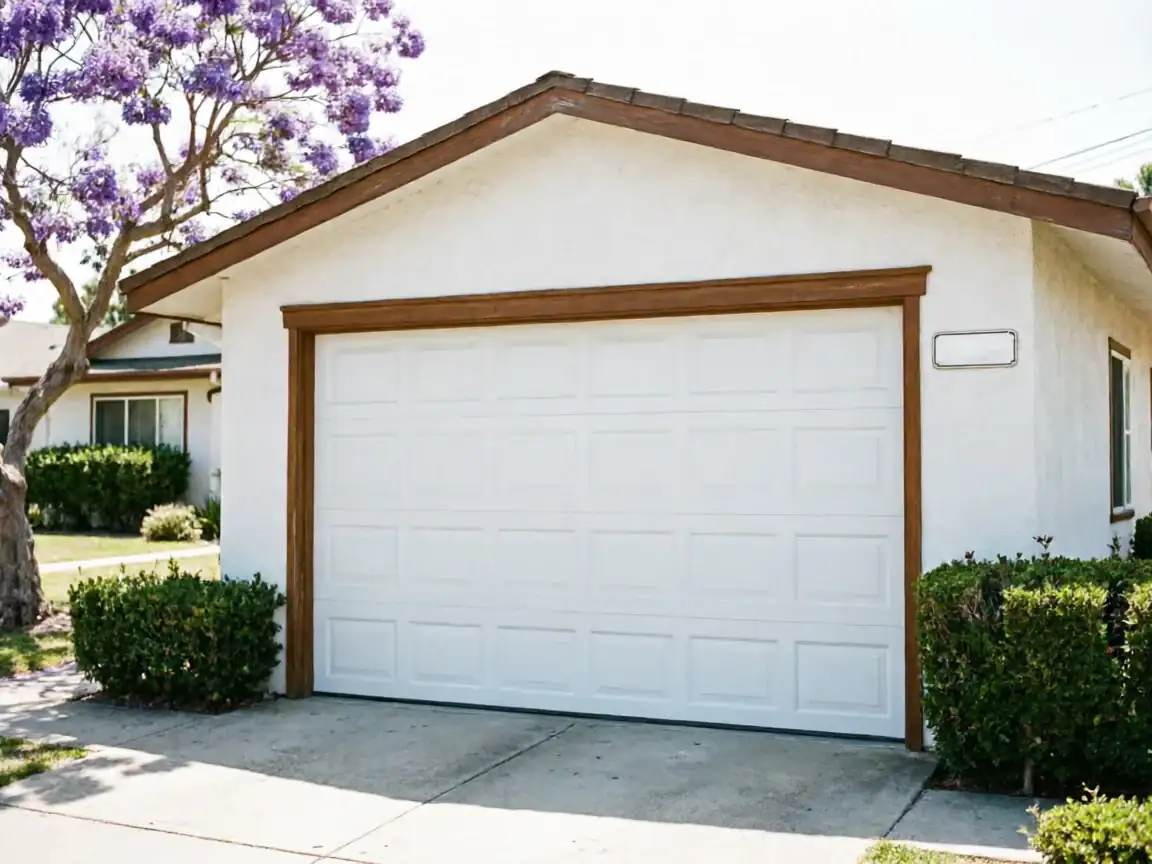
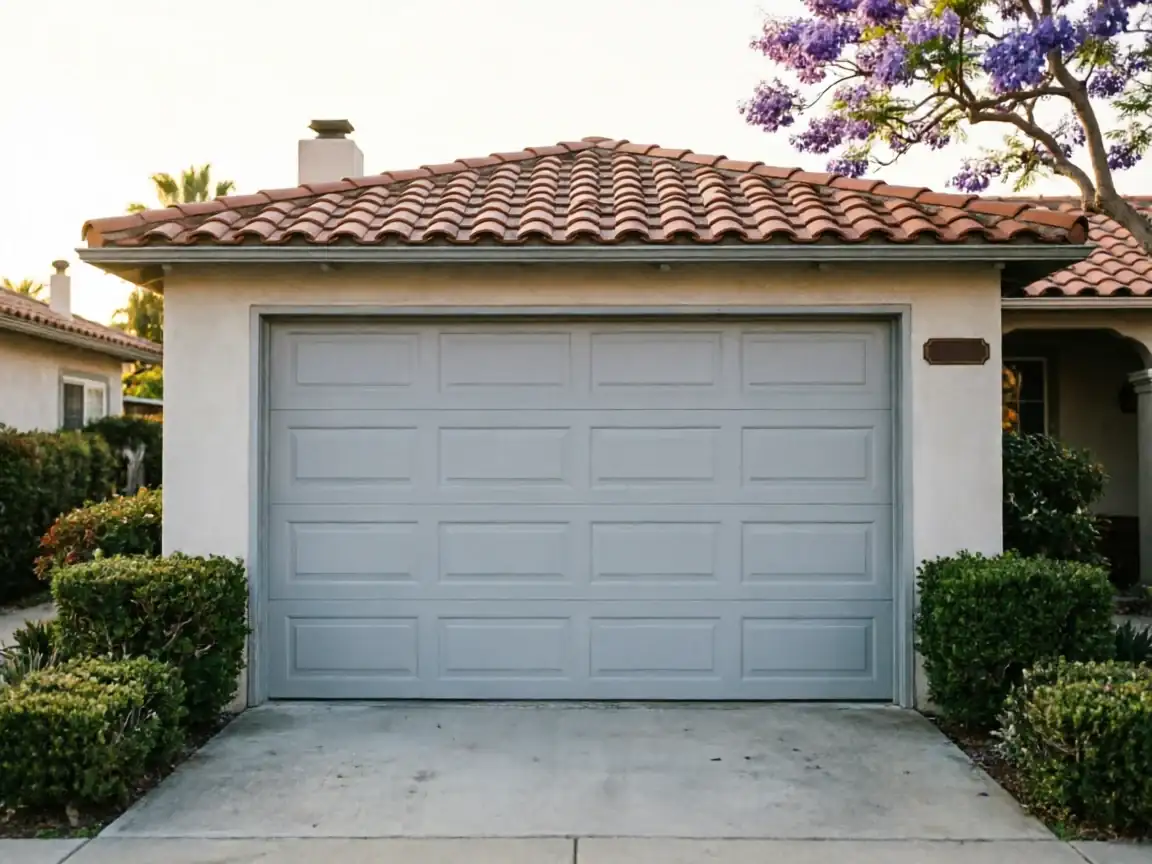
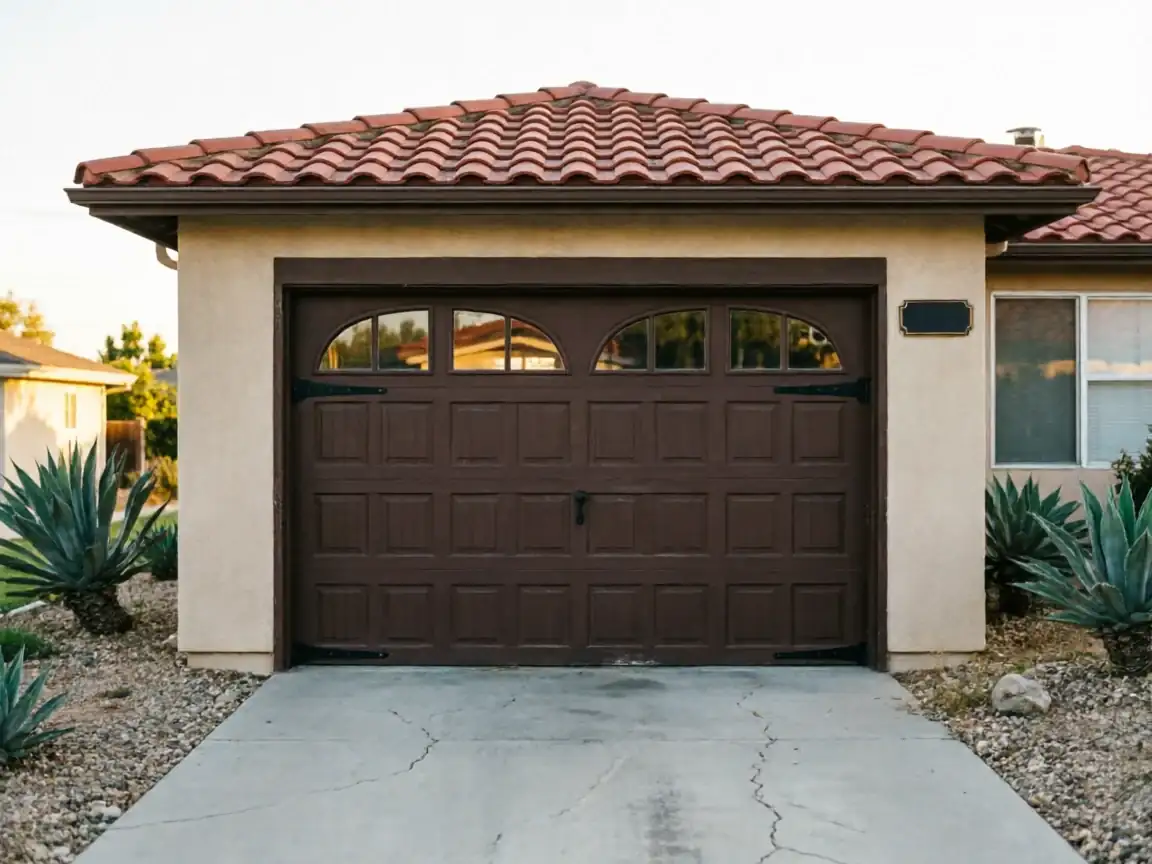
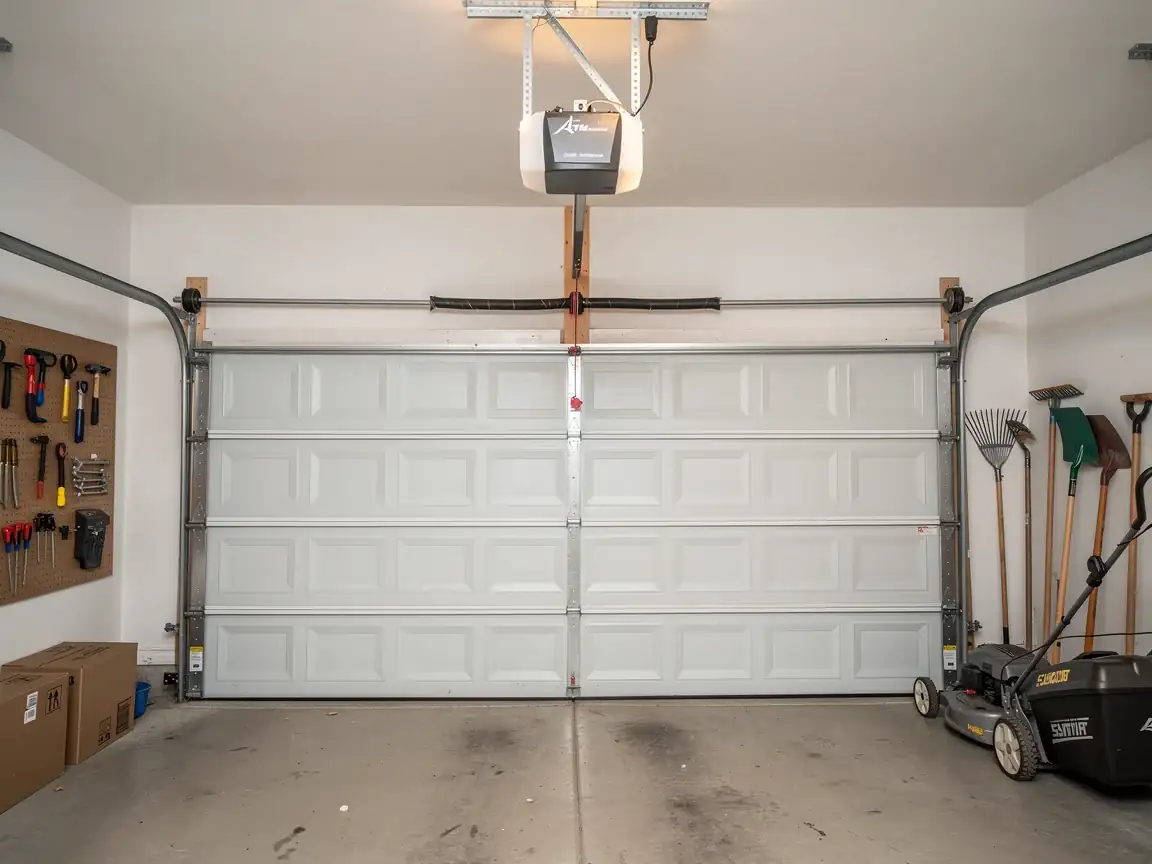
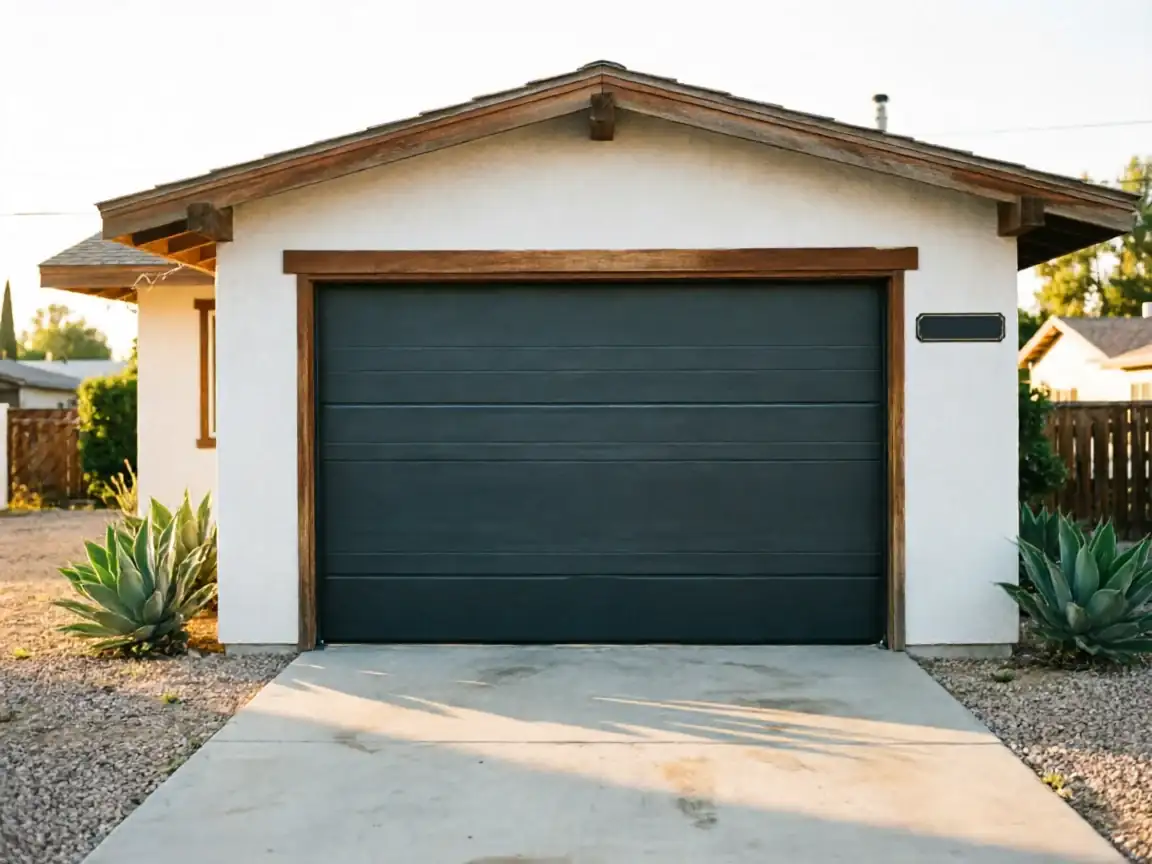
The area's housing stock overall runs 1938 to 2008 with a median around 1973, but Union City itself skews later, closer to 1979. That means a good share of garage doors out here still have their original torsion spring and the opener that came with the house when it was built. Nobody's touched them since. The spring on a door that age is almost never still rated for the door's actual weight after decades of cycling, and a chain-drive opener from that era is on its last motor capacitor more often than owners think.
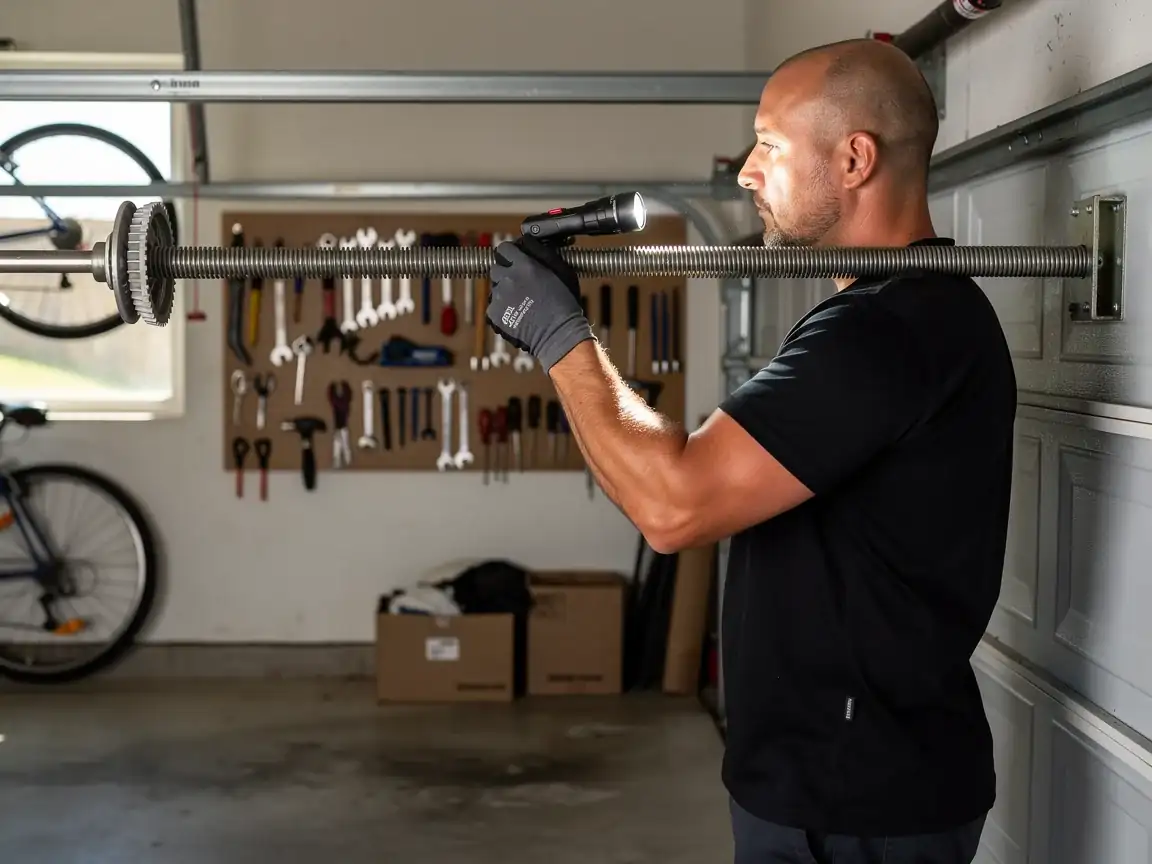
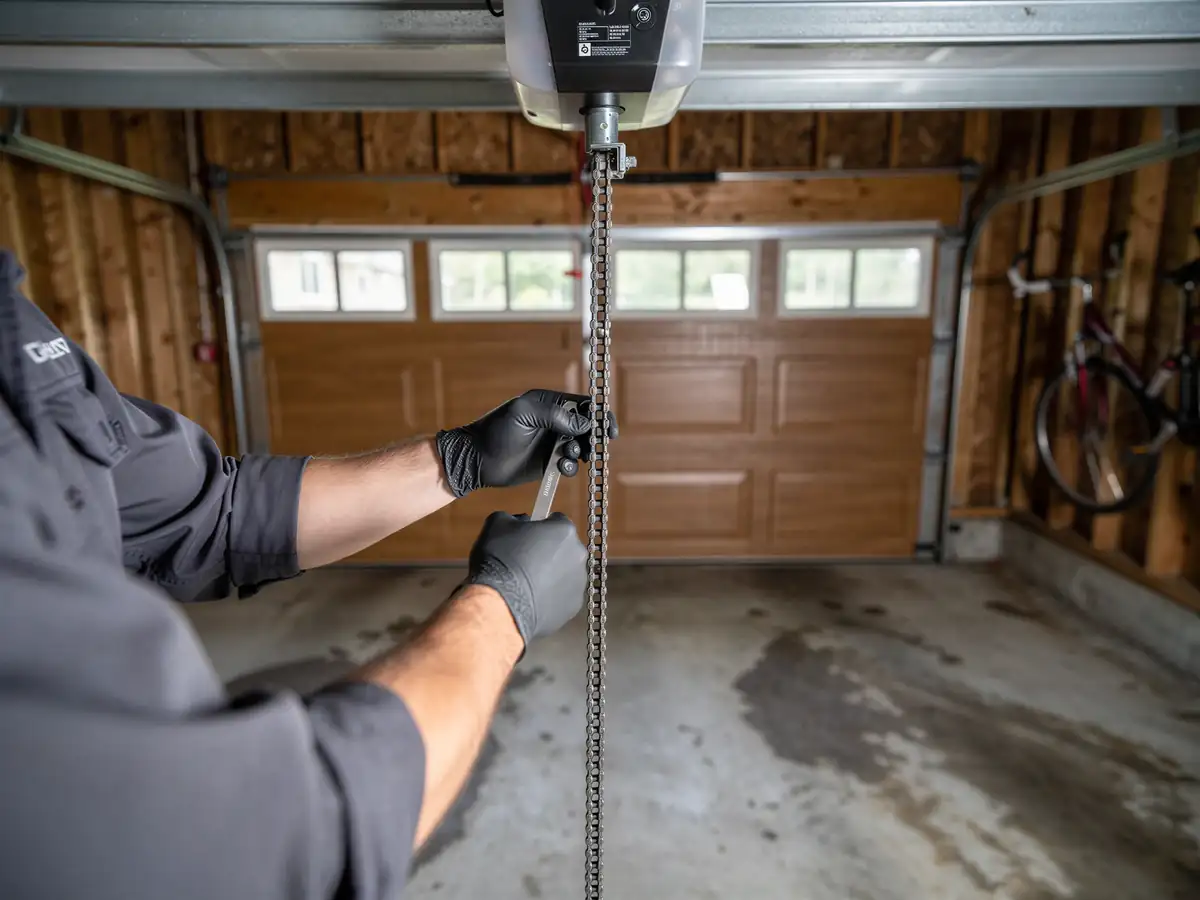
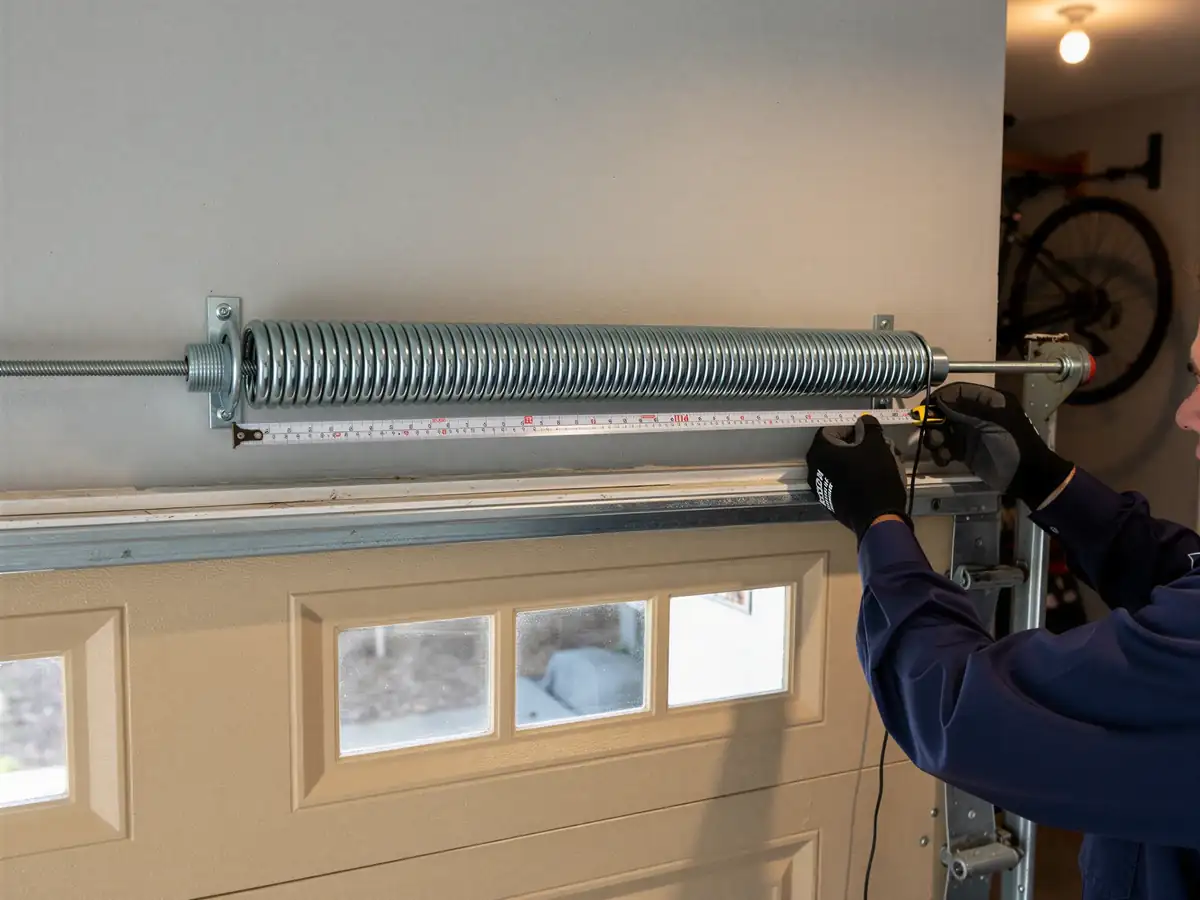
We carry the torsion springs sized for single and double doors from that build window, standard-lift cables, nylon and steel rollers, and the relay boards and belt kits that fit openers from the same stretch
If your door is original to a 1979-ish build, there's a real chance we're carrying the exact spring diameter and wind length on the truck already, not ordering it after we look at it.
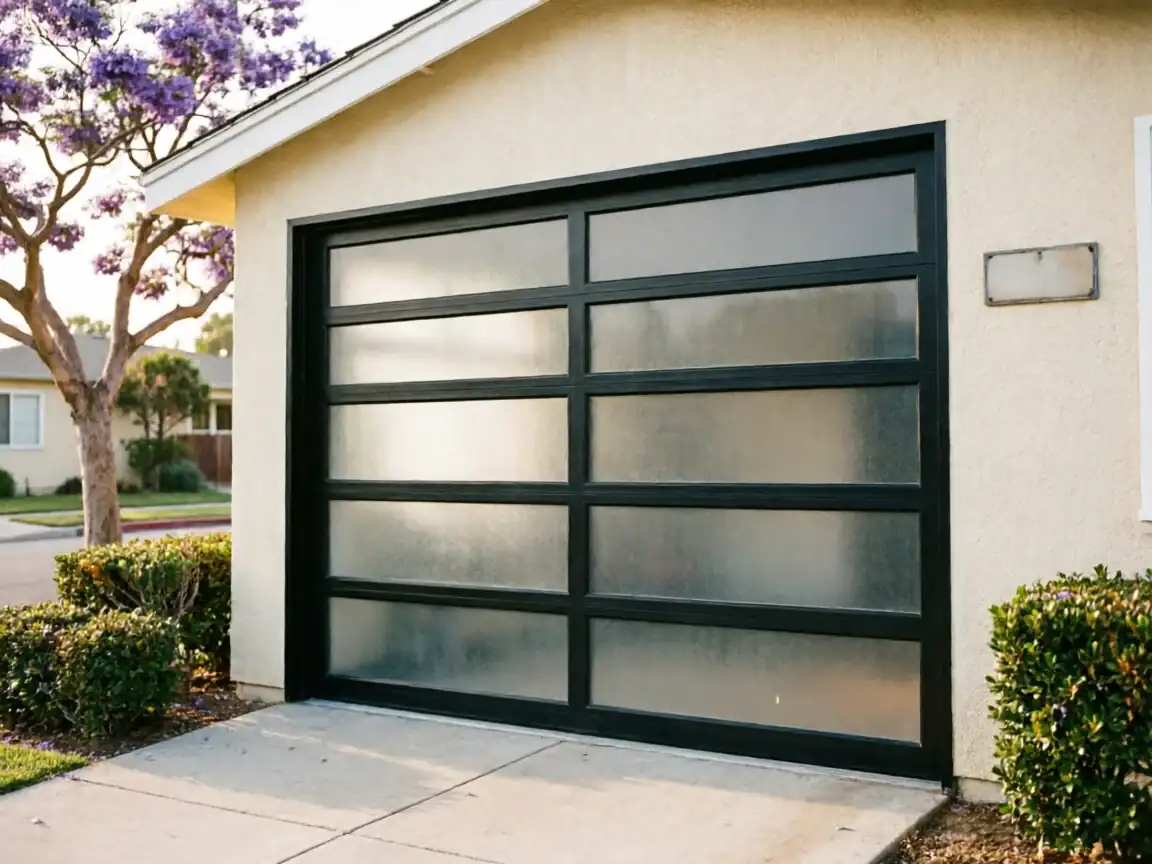
What we don't stock
Specialty insulated panel sections in discontinued colors, and some older commercial-grade jackshaft openers. Those can mean a parts order and a second trip. Everything else - the stuff that actually breaks at 7pm on a weeknight - we're usually carrying.
Where This Job Goes Sideways
The call that looks simple and turns into a longer job is almost always a broken spring on a door that's been limping for months on a worn opener. Homeowner hears a bang, assumes it's the spring, and it is - but the opener's drive gear has also been grinding against a door it could barely lift for weeks. Replace just the spring and the opener fails again inside a season.
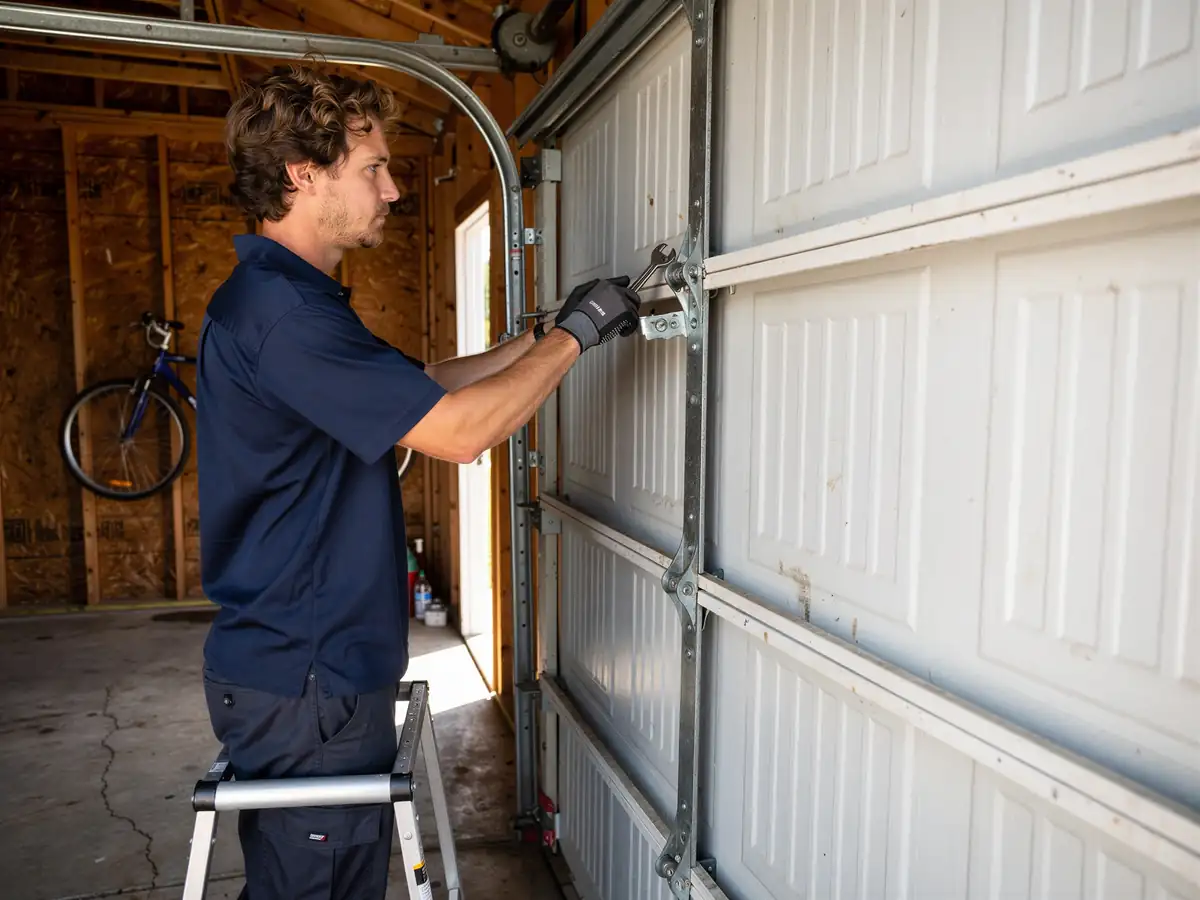
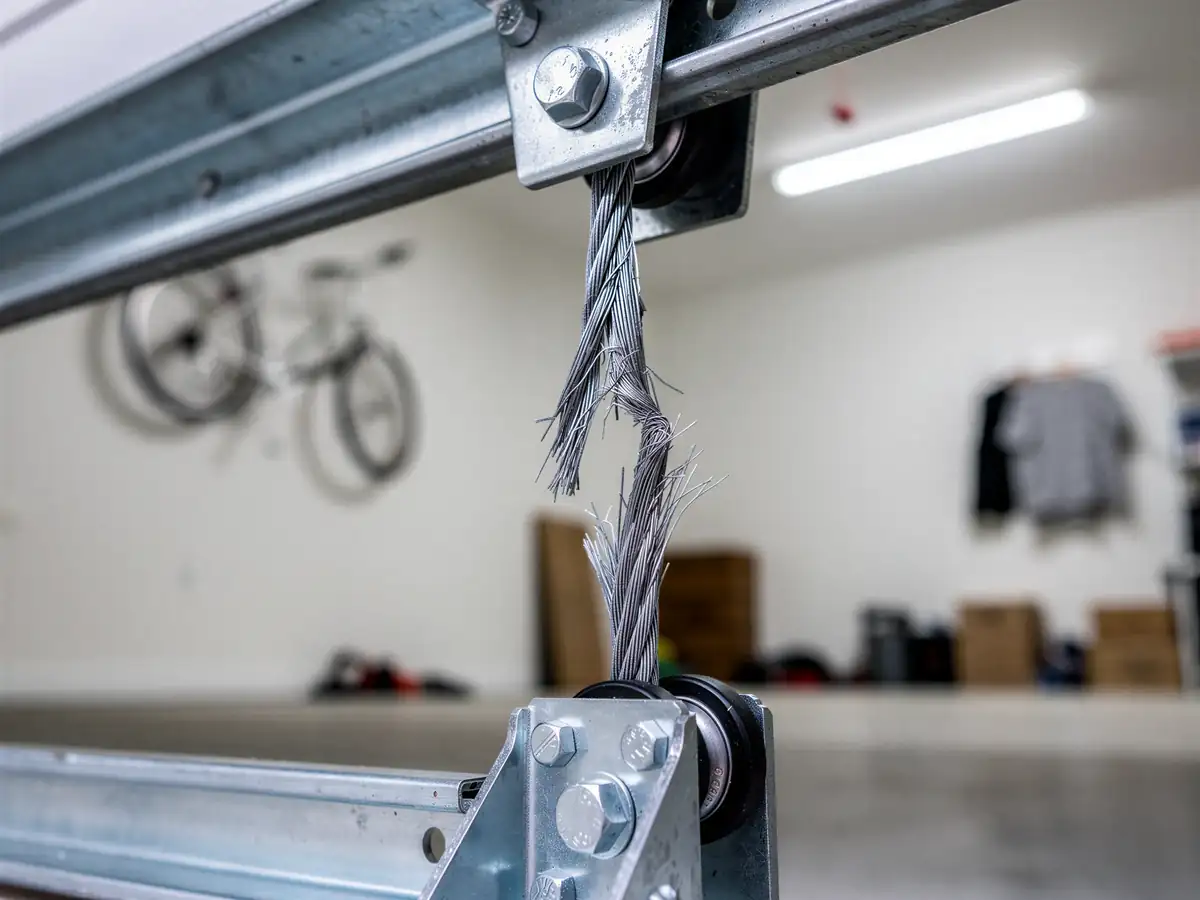
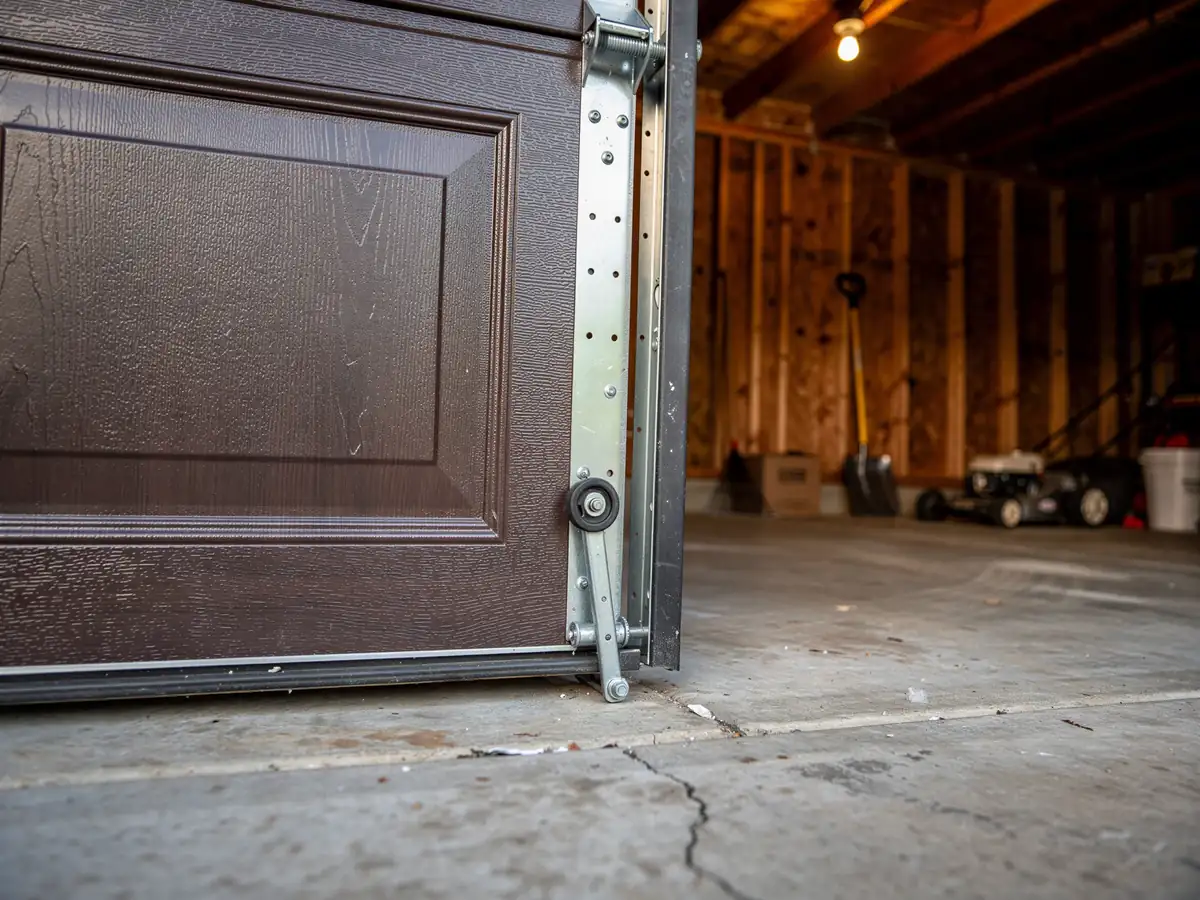
The other pattern specific to the age of housing out here: side-mounted torsion hardware on doors from the late 1970s and early 1980s often used mounting brackets and end bearing plates that newer doors don't use. If a panel's been replaced at some point but the track and hardware weren't, you get a door that's fighting itself - new panel, old track geometry. That mismatch doesn't show up until the door's under load and a cable jumps the drum.
We're coming from San Ramon, 12 miles out, so we diagnose everything on the first visit rather than guessing over the phone. If the fix needs a part we don't have on the truck, we'll tell you straight that it's a second trip, not pretend it's a five-minute job.
How Long You Are Without the Door
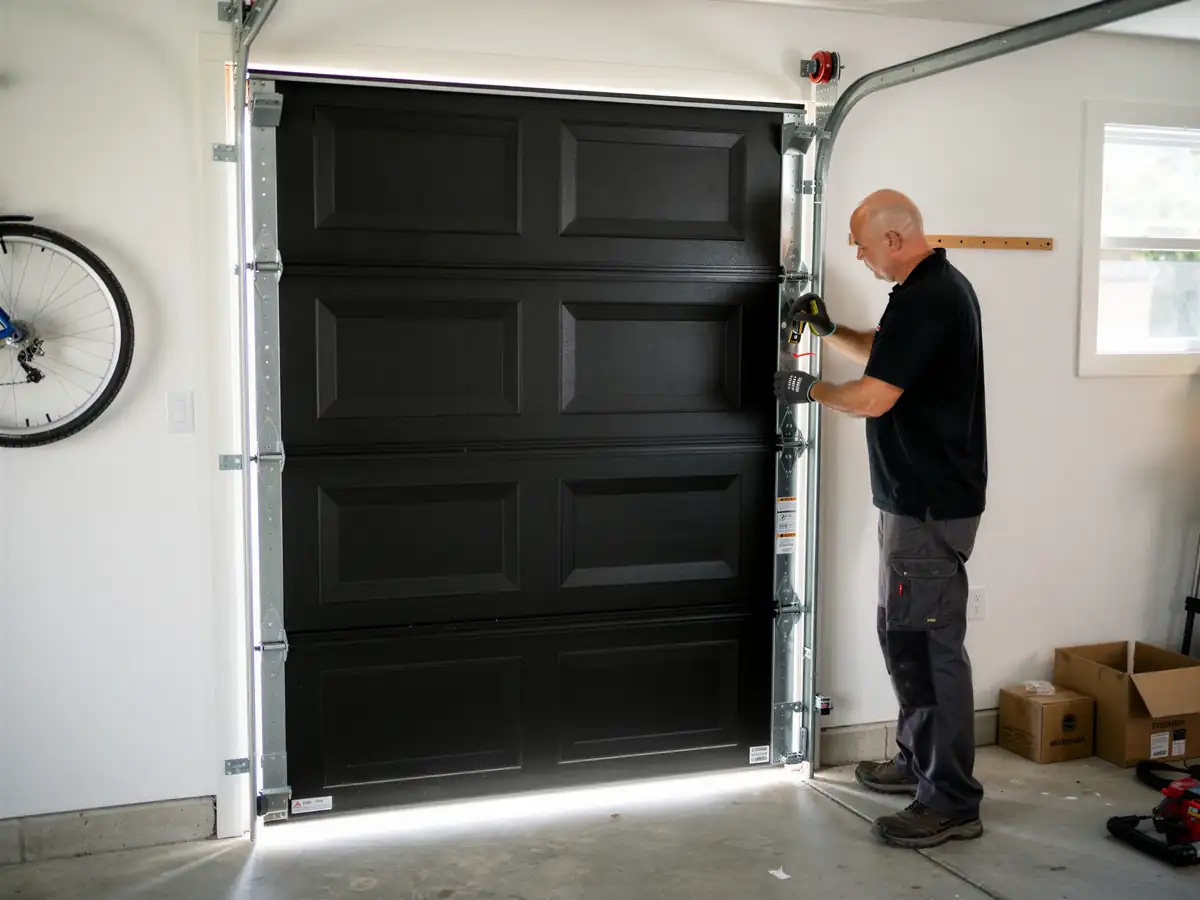
We travel from San Ramon to reach Union City, about 12 miles, so there's drive time built into any call - we won't claim a response window we can't back up from that distance. Once we're on site, most broken-spring and cable jobs on a standard single or double door close out in one visit, because the parts for doors from this era are the ones we carry.
What stretches a job past one visit is almost always the opener, not the door. If the gear gear-rack or circuit board has failed on an opener that's been in the garage since the house was built, and that model's board isn't something we carry, we're ordering it. That's the honest limitation here: we can usually get your door itself moving and secure same-visit, but a full opener swap on an older, less common model sometimes means scheduling a return trip once the part's in.
What Causes It Around Here
The climate band here is mild with the occasional freeze
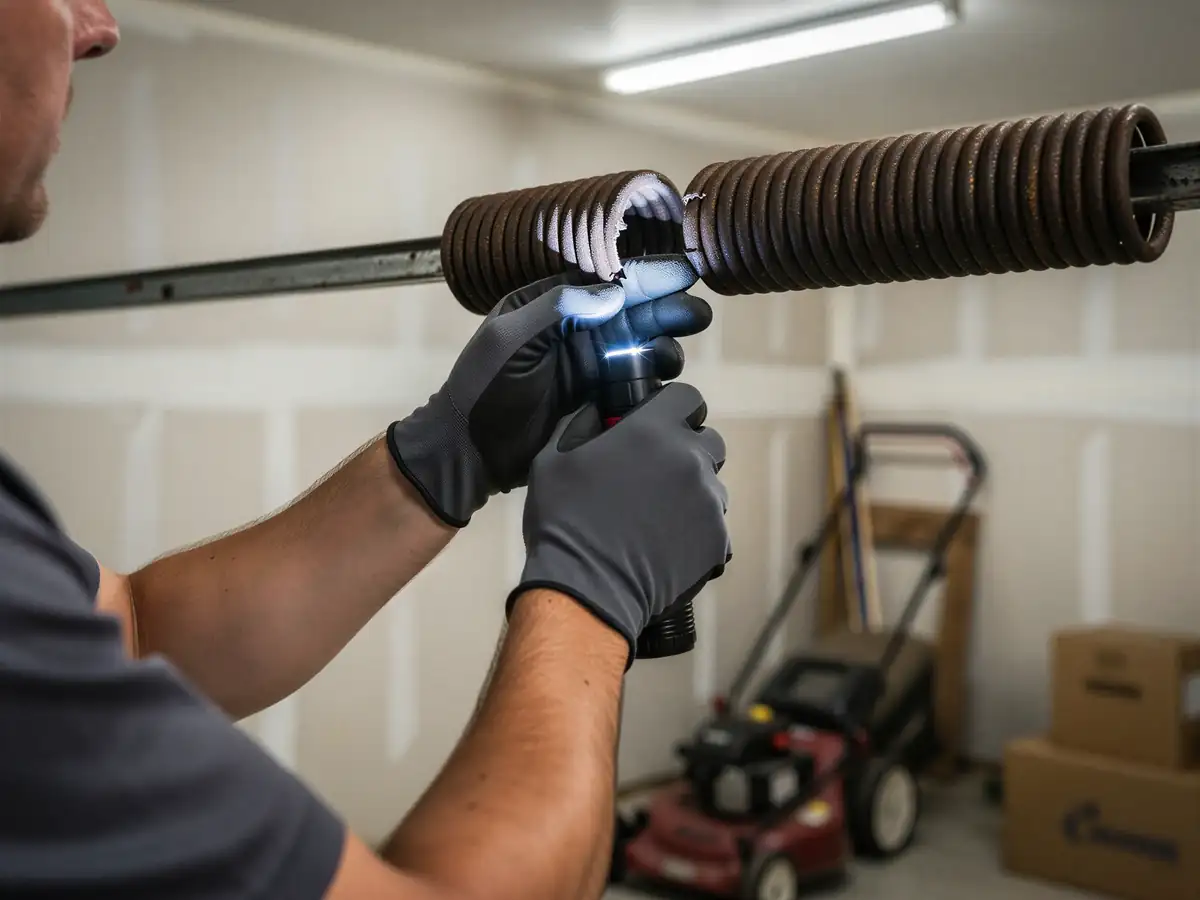
Not the brutal swings that crack hardware outright, but enough cold-morning stiffness in old lubricant to add load to a spring that's already fatigued. Combine that with 40-plus years of daily cycling on original hardware and you get the two most common calls: a torsion spring that finally lets go, usually on the first cold morning after a dry stretch, and a cable that frays where it rides the drum because nobody's re-lubed it since the house was built.
Income and household size matter less to the physical cause than the age of the housing
But they shape what people ask for. The service area runs a median household income around $146,657 across roughly 210,865 households; Union City's own number sits lower, around $137,194 across about 21,202 households. In practice that means more owners here ask us to repair the original hardware rather than replace the whole door outright - and on a door built in the late 1970s, repair is usually the right call anyway, since the frame and track are often still sound.